Hot Categories
Why Commercial Rice Steamers Are Essential for Modern Foodservice Kitchens2026-10-12
Company News | 2025-05-19 09:19:00
Why Commercial Rice Steamers Are Essential for Modern Foodservice Kitchens
In the dynamic landscape of the foodservice industry, efficiency, consistency, and quality are paramount. As culinary establishments strive to meet the growing demands of customers, the tools and equipment they employ play a crucial role in achieving operational excellence. Among these, the commercial rice steamer stands out as an indispensable asset in modern kitchens.
The Evolution of Rice Preparation in Commercial Kitchens
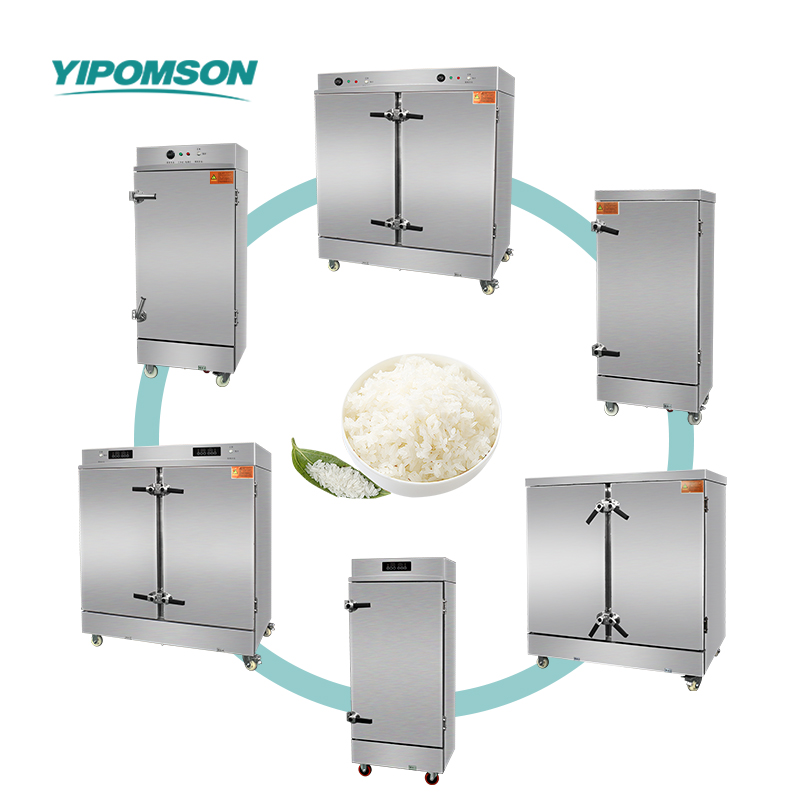
Rice is a staple food consumed globally, forming the foundation of countless dishes across various cuisines. Traditionally, preparing large quantities of rice in commercial settings posed challenges, including uneven cooking, time constraints, and labor-intensive processes. The advent of commercial rice steamers revolutionized this aspect of food preparation, offering a solution that combines efficiency with quality.
Advantages of Using Commercial Rice Steamers
1. Consistent Quality and Texture
One of the primary benefits of commercial rice steamers is their ability to produce uniformly cooked rice. These machines ensure that each grain is perfectly steamed, eliminating issues like undercooked centers or overcooked edges. This consistency is vital for establishments aiming to deliver a reliable dining experience to their patrons.
2. High-Capacity Cooking
Commercial rice steamers are designed to handle substantial quantities, making them ideal for restaurants, catering services, and institutional kitchens. With models capable of steaming multiple trays simultaneously, kitchens can efficiently prepare large batches of rice to meet high customer volumes.
3. Time and Labor Efficiency
By automating the rice cooking process, commercial steamers reduce the need for constant monitoring, freeing up staff to focus on other tasks. This automation not only speeds up preparation times but also minimizes labor costs, contributing to overall operational efficiency.
4. Energy Efficiency
Modern commercial rice steamers are engineered with energy-saving features, such as insulated chambers and precise temperature controls. These innovations lead to reduced energy consumption, aligning with sustainability goals and lowering utility expenses.
5. Versatility in Cooking
Beyond rice, many commercial steamers are versatile enough to prepare a variety of foods, including vegetables, seafood, and dumplings. This multifunctionality makes them a valuable investment for kitchens seeking to diversify their menu offerings without additional equipment.
Key Features to Consider When Selecting a Commercial Rice Steamer
When choosing a commercial rice steamer, it's essential to consider features that align with your kitchen's specific needs:
-
Capacity: Assess the volume of rice your establishment requires daily to select a steamer with adequate capacity.
-
Energy Source: Determine whether an electric or gas-powered steamer suits your kitchen's infrastructure and energy preferences.
-
Material Construction: Opt for steamers made from durable materials like stainless steel, which offer longevity and ease of cleaning.
-
Control Systems: Advanced models come with programmable settings and digital controls, allowing for precise cooking parameters and repeatable results.
-
Safety Features: Look for steamers equipped with safety mechanisms such as automatic shut-off, pressure release valves, and overheat protection to ensure safe operation.
Impact on Different Foodservice Establishments
Restaurants and Cafés
For establishments where rice is a central component of the menu, such as Asian or Latin American restaurants, commercial rice steamers ensure that rice dishes are prepared efficiently and consistently, enhancing customer satisfaction.
Catering Services
Catering companies benefit from the high-capacity and portability of certain commercial rice steamer models, enabling them to serve large events without compromising on food quality.
Institutional Kitchens
In settings like schools, hospitals, and corporate cafeterias, where large volumes of food are prepared daily, commercial rice steamers contribute to streamlined operations and consistent meal quality.
Maintenance and Longevity
Proper maintenance of commercial rice steamers is crucial for their longevity and performance. Regular cleaning, descaling, and inspection of components prevent buildup and ensure the steamer operates at optimal efficiency. Investing in models with easy-to-clean designs and accessible parts can simplify maintenance routines.
Economic Considerations
While the initial investment in a commercial rice steamer may be significant, the long-term benefits often outweigh the costs. Savings on labor, energy, and reduced food waste contribute to a favorable return on investment. Additionally, the ability to consistently produce high-quality rice can enhance a restaurant's reputation, potentially leading to increased patronage.
Conclusion
In the competitive realm of foodservice, leveraging equipment that enhances efficiency and food quality is essential. Commercial rice steamers have emerged as vital tools in modern kitchens, offering numerous benefits from consistent cooking results to operational savings. By carefully selecting a steamer that aligns with their specific needs, foodservice establishments can elevate their culinary offerings and streamline their kitchen operations.