Hot Categories
How to Choose the Perfect Commercial Mixer for Your Kitchen?2026-10-12
Company News | 2025-05-16 17:01:00
1. Why a Commercial Mixer Matters
Unlike domestic mixers, commercial mixers are designed for volume, power, and durability:
-
High Capacity: Capable of mixing large batches in one go.
-
Powerful Motors: Designed to handle tough doughs and dense batters.
-
Durability: Built with metal gears and robust casings.
-
Consistency: Ensures ingredients are thoroughly and evenly mixed.
A well-chosen mixer helps maintain the taste, texture, and appearance of your dishes.
2. Types of Commercial Mixers
Understanding the three main types of commercial mixers is key:
-
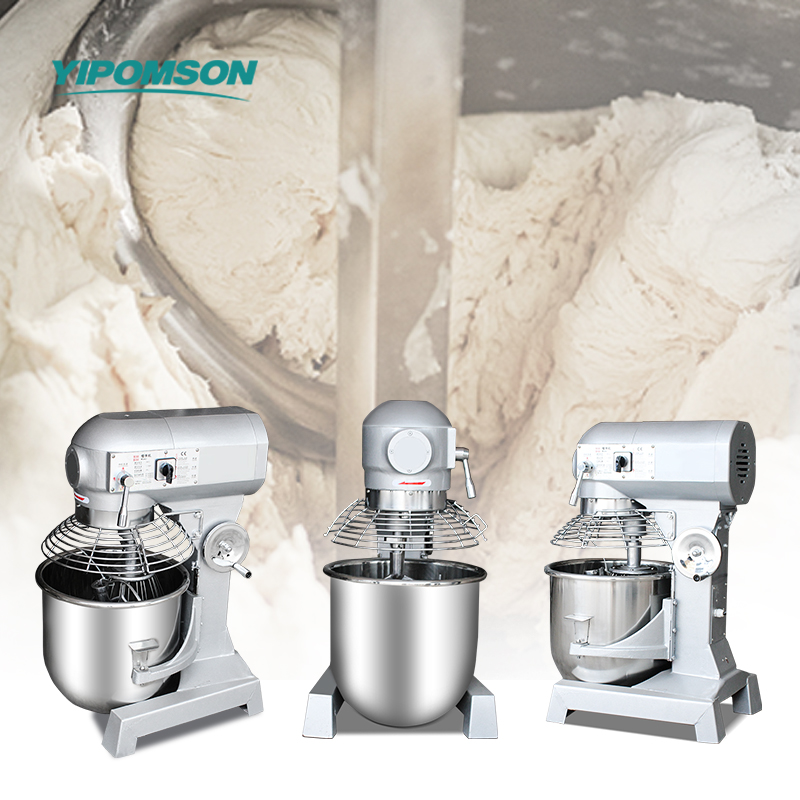
Planetary Mixers: The most versatile type. One mixing bowl, interchangeable attachments (whisk, paddle, dough hook), and a rotating mixing mechanism. Ideal for bakeries and general food service.
-
Spiral Mixers: Designed mainly for heavy doughs like pizza or bread. Both the bowl and the mixing hook rotate to knead dough more gently and efficiently.
-
Vertical Cutter Mixers (VCMs): These combine mixing, chopping, blending, and emulsifying. Suitable for large-volume kitchens needing high-speed operations.
Each type has its ideal use case, and selecting the wrong one can reduce efficiency and increase costs.
3. Key Features to Look For
When browsing commercial mixers at www.yipomson.com, consider the following:
-
Bowl Capacity: Ranges from 5L for small operations to over 80L for industrial use.
-
Speed Settings: Multiple speeds (3-speed or variable) allow for flexibility in mixing different ingredients.
-
Attachment Compatibility: Make sure it supports dough hooks, whisks, beaters, etc.
-
Construction Material: Stainless steel bowls and metal gear systems last longer and are more hygienic.
-
Safety Features: Look for emergency stop buttons, bowl guards, and auto shut-off functions.
- 4.Maintenance Tips for Longevity
To ensure your commercial mixer lasts for years:
-
Daily Cleaning: Wipe down surfaces, remove residue, and wash attachments.
-
Weekly Checks: Inspect gears and belts for wear.
-
Monthly Maintenance: Lubricate moving parts and check for unusual noises or vibrations.
-
Annual Service: Schedule professional maintenance for calibration and safety inspection.
Following a strict maintenance schedule prevents costly downtime.
-
-
————————————We are a professional manufacturer of commercial refrigerator and have extensive experience in the manufacturing of bakery equipment ,We also produce western kitchen Equipment. Our wide range of products includes commercial refrigerators with excellent refrigeration and steamed rice cabinet for different scenarios.In addition, we also provide high temperature intelligent disinfection cabinet with intelligent control of high temperature and launch restaurant warmer dining cart with excellent thermal insulation performance.In the bakery industry, our equipment is trusted by customers, such as high capacity commercial oven for bakery, and advanced spiral dough mixer.We also provide stable electric dough fermenting proofer to meet the stringent requirements of different customers for the baking process.