Hot Categories
The Ultimate Guide to Commercial Dough Mixers2026-10-12
Company News | 2025-05-17 11:27:00
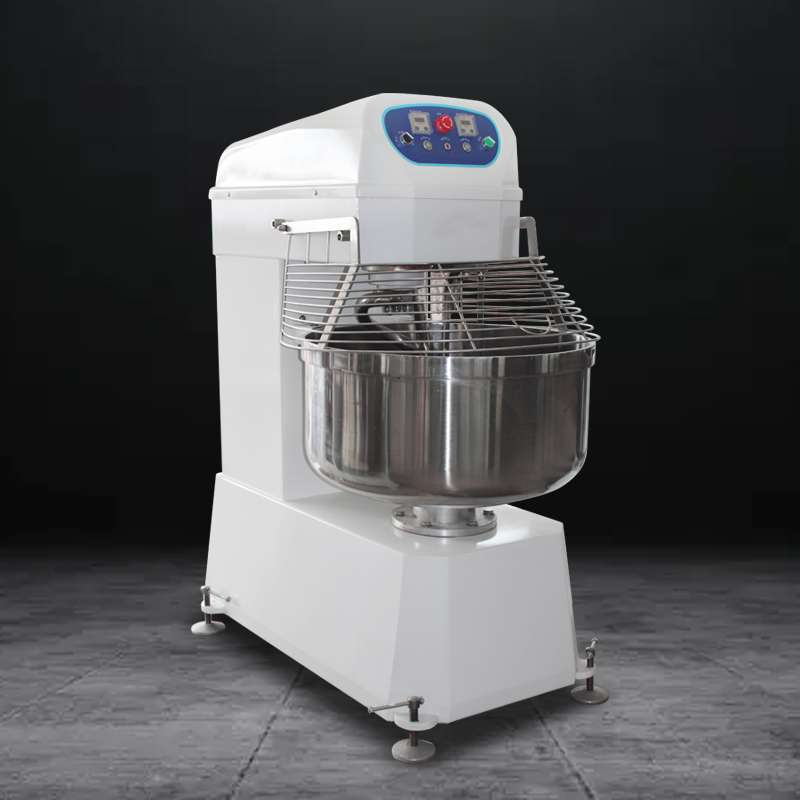
1. What Is a Commercial Dough Mixer? A commercial dough mixer is a specialized machine designed to knead large quantities of dough. It is different from general-purpose mixers in several key ways:
-
Stronger Motors: Built to handle thick, elastic dough.
-
Robust Build: Heavy-duty components made for long hours of use.
-
Specific Function: Designed with the motion and shape optimized for dough development.
Dough mixers are essential in bakeries, pizzerias, dumpling shops, and anywhere dough is a primary ingredient.
2. Types of Commercial Dough Mixers
When browsing models on www.yipomson.com, you’ll find three primary types:
-
Spiral Mixers: The most popular type for dough. The spiral hook and rotating bowl work together to stretch and oxygenate the dough gently.
-
Fork Mixers: Less common but excellent for delicate doughs like ciabatta. The fork-shaped tool simulates hand-kneading.
-
Double Arm Mixers: Used for highly hydrated or artisanal doughs. The two arms mimic human hands, giving a soft and airy result.
Each type serves a different dough texture and style. Choosing the wrong one may lead to poor results or equipment failure.
3. Key Features to Consider
Before purchasing, evaluate these crucial specifications:
-
Bowl Size: Options range from 20L to over 100L. Match to your daily output.
-
Motor Power: At least 1.5kW for small bakeries. Larger machines may need 5kW+.
-
Mixing Speeds: Two-speed motors allow for better gluten development.
-
Bowl Reversibility: Useful for removing the dough more easily.
-
Timers and Programmability: Automate your mixing process for consistency.
-
Construction Materials: Stainless steel body and bowl resist corrosion.
These factors impact how the mixer integrates into your production flow.
4. Benefits of Using a Dough Mixer
-
Time-Saving: Kneading by hand can take 20–30 minutes. A mixer does it in under 10.
-
Labor Efficiency: One operator can handle multiple tasks while the machine works.
-
Consistency: Every batch gets the same kneading quality.
-
Scalability: Helps meet high demand without increasing headcount.
-
Hygiene: Enclosed systems reduce contamination risk.
Dough mixers boost operational efficiency and quality assurance.
A commercial dough mixer isn’t just a tool—it’s a strategic investment. By understanding the types, features, and benefits, you can make the right choice for your business. At Yipomson, we offer a wide selection of dough mixers to meet your operational needs, from small bakeries to large-scale factories. Visit our site today to browse models, compare features, and request a consultation.
Let your dough mixing process be the strength of your kitchen, not a bottleneck.