Hot Categories
Choosing the Right Commercial Oven for Your Kitchen2026-10-12
Company News | 2025-05-15 06:09:00
1. The Importance of Commercial Ovens in Food Service
Commercial ovens are built to meet the intense demands of a food business:
-
Speed & Capacity: Large-scale cooking capacity helps serve more customers faster.
-
Versatility: Capable of handling baking, roasting, grilling, and sometimes steaming.
-
Durability: Designed for constant use with robust materials like stainless steel.
-
Consistency: Ensures uniform heating and cooking results.
These ovens must deliver precision and reliability every day, especially during rush hours.
2. Types of Commercial Ovens
There is no one-size-fits-all oven. Each kitchen has its own workflow and menu, which makes understanding oven types critical:
-
Convection Ovens: These use internal fans to circulate hot air, cooking food evenly and faster. Ideal for baking pastries, roasting meats, and reheating items.
-
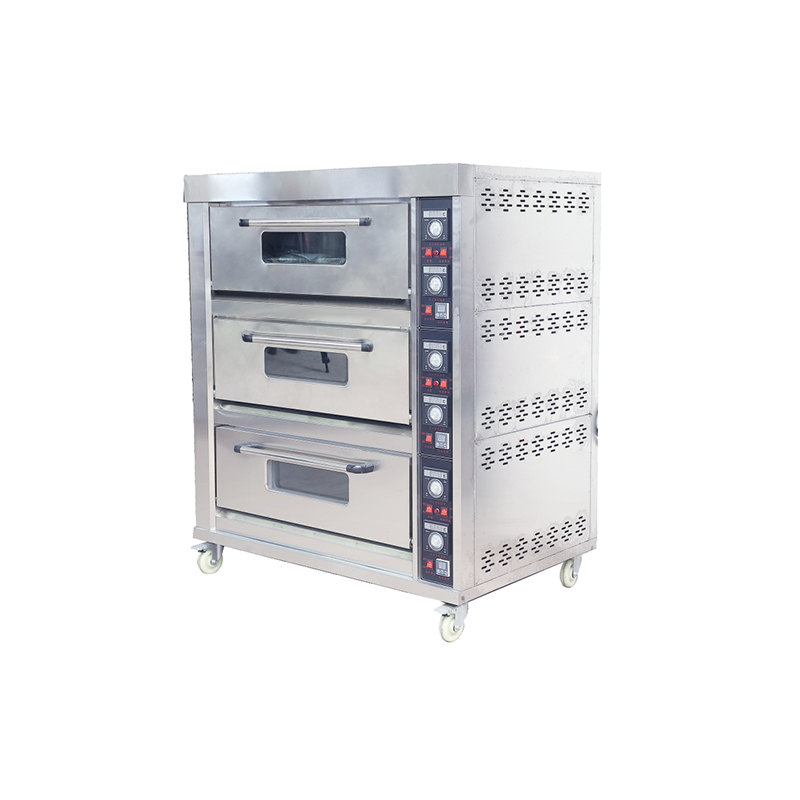
Deck Ovens: Common in bakeries and pizzerias, these ovens have stone shelves that retain heat, giving baked goods a crispy texture.
-
Combi Ovens: A combination of convection and steam cooking. They are versatile and great for preparing delicate items like vegetables, fish, or moist breads.
-
Rotisserie Ovens: Excellent for slow-roasting meats, especially poultry, to juicy perfection.
-
Microwave Ovens (Commercial Grade): Used for rapid reheating and defrosting.
-
Tunnel or Conveyor Ovens: Ideal for chain restaurants or fast food kitchens needing high-volume, consistent cooking.
3. Key Features to Look For in a Commercial Oven
Choosing a commercial oven involves evaluating features that align with your operations:
-
Size and Dimensions: Measure your kitchen space and choose a unit that fits without crowding your workspace.
-
Power Source: Gas ovens offer faster heat-up and lower operating costs in many regions. Electric ovens are easier to install and often offer more precise temperature control.
-
Control Systems: Look for digital programmable controls for temperature, humidity, and timers for better consistency.
-
Ease of Cleaning: Removable racks, crumb trays, and smooth surfaces reduce maintenance time.
-
Ventilation Needs: Some ovens require hoods and ducts—check your local regulations.
-
4. Energy Efficiency and Sustainability
Running a commercial kitchen consumes a lot of energy. Opting for energy-efficient ovens helps reduce costs and environmental impact:
-
ENERGY STAR® Certified Units: Use less energy without compromising performance.
-
Advanced Insulation Materials: Reduce heat loss and improve safety.
-
Standby Modes: Many modern ovens now include sleep modes to conserve energy during idle times.
At www.yipomson.com, we offer a range of ovens with high energy-efficiency ratings.
-
- 5.Maintenance and Safety Tips
Ovens must be regularly cleaned and serviced to perform well and meet safety standards:
-
Daily: Clean spills and food particles. Check temperature settings.
-
Weekly: Clean interior surfaces, trays, and fans.
-
Monthly: Inspect gaskets, burners (gas models), and electrical connections.
-
Annually: Have a professional technician conduct a full inspection and tune-up.
Training staff on oven safety—like wearing gloves and using proper trays—can prevent accidents and increase efficiency.
-
-
————————————We are a professional manufacturer of commercial refrigerator and have extensive experience in the manufacturing of bakery equipment ,We also produce western kitchen Equipment.Our wide range of products includes commercial refrigerators with excellent refrigeration and steamed rice cabinet for different scenarios.In addition, we also provide high temperature intelligent disinfection cabinet with intelligent control of high temperature and launch restaurant warmer dining cart with excellent thermal insulation performance.In the bakery industry, our equipment is trusted by customers, such as high capacity commercial oven for bakery, and advanced spiral dough mixer.We also provide stable electric dough fermenting proofer to meet the stringent requirements of different customers for the baking process.