
Hot Categories
The Essential Role of Commercial Refrigerators in Modern Kitchens2026-10-12
Company News | 2025-05-14 18:32:00
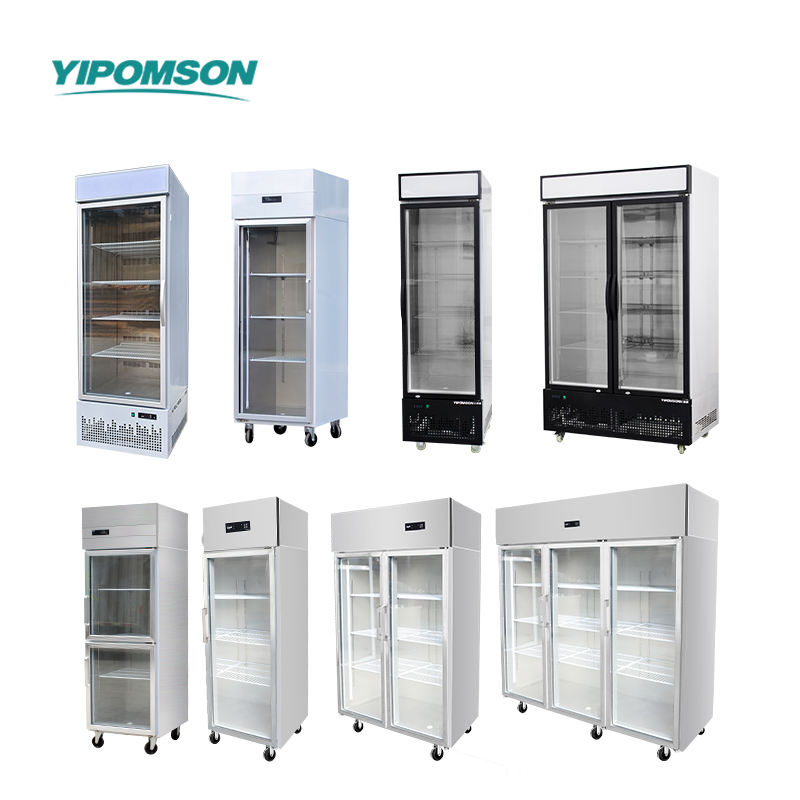
1. Why Commercial Refrigeration Matters
A commercial refrigerator differs significantly from residential models in design, durability, and capacity. These appliances are specifically engineered to handle the intense usage and strict hygiene standards of the food service industry.
-
Food Safety and Compliance: According to health regulations in most countries, perishable food items must be stored below 5°C (41°F) to prevent bacterial growth. Commercial refrigerators maintain consistent cooling, even during peak hours when doors are frequently opened.
-
Larger Storage Capacity: Restaurants and catering services often deal with bulk storage. Commercial fridges offer more space and are structured to allow efficient air circulation and easy access to ingredients.
-
Heavy-Duty Performance: Built with durable materials such as stainless steel, commercial units are designed to last under constant use and are easier to clean and sanitize.
-
2. Types of Commercial Refrigerators
There are several types of commercial refrigerators, each suited to different food service needs:
-
Reach-In Refrigerators: Common in most kitchens, these upright models provide easy access and are perfect for storing ready-to-use ingredients.
-
Undercounter Refrigerators: These are ideal for tight spaces and provide quick access under prep tables.
-
Walk-In Coolers: Suitable for high-volume operations, such as hotels or catering services.
-
Display Refrigerators: Used in front-of-house areas for drinks and pre-packaged food.
-
Bar Refrigerators: Specifically designed for storing beverages, these often come with glass doors.
Each type offers different features depending on your kitchen layout, volume, and product type.
-
-
3. Energy Efficiency and Cost Savings
Modern commercial refrigerators now emphasize energy efficiency. This not only reduces environmental impact but also cuts operational costs significantly.
-
ENERGY STAR Certified Models: These refrigerators consume less energy and reduce electricity bills.
-
Eco-Friendly Refrigerants: Many new models use R290 or R600a, which are both energy-efficient and less harmful to the environment.
-
Advanced Temperature Control: Digital thermostats and smart sensors maintain consistent cooling, preventing spoilage and reducing wastage.
Investing in energy-efficient units may have a higher upfront cost, but the long-term savings can be substantial.
-
-
4. Choosing the Right Commercial Refrigerator
When selecting a commercial refrigerator for your business, consider the following factors:
-
Size and Storage Needs: Assess how much storage you need daily. Buying too large wastes energy, while too small causes congestion.
-
Compressor Placement: Top-mounted compressors stay cleaner, ideal for bakeries. Bottom-mounted ones are more accessible and slightly more efficient.
-
Temperature Range: Some models offer dual-temperature zones for different food types.
-
Ease of Maintenance: Choose models with removable gaskets, adjustable shelves, and accessible coils for cleaning.
-
Brand Reputation and Warranty: Stick with reliable brands and check warranty terms. Yipomson offers dependable models with after-sale support.
-
. Best Practices for Maintaining Commercial Refrigerators
To ensure long-term performance and compliance, regular maintenance is essential:
-
Daily Cleaning: Wipe down shelves and gaskets.
-
Weekly Checks: Inspect door seals and ensure no ice buildup.
-
Monthly Maintenance: Clean condenser coils and check for refrigerant leaks.
-
Temperature Logging: Keep a daily record of internal temperatures to detect issues early.
These practices help avoid equipment breakdowns, food spoilage, and costly repairs.
————————————We are a professional manufacturer of commercial refrigerator and have extensive experience in the manufacturing of bakery equipment ,We also produce western kitchen Equipment.Our wide range of products includes commercial refrigerators with excellent refrigeration and steamed rice cabinet for different scenarios.In addition, we also provide high temperature intelligent disinfection cabinet with intelligent control of high temperature and launch restaurant warmer dining cart with excellent thermal insulation performance.In the bakery industry, our equipment is trusted by customers, such as high capacity commercial oven for bakery, and advanced spiral dough mixer.We also provide stable electric dough fermenting proofer to meet the stringent requirements of different customers for the baking process.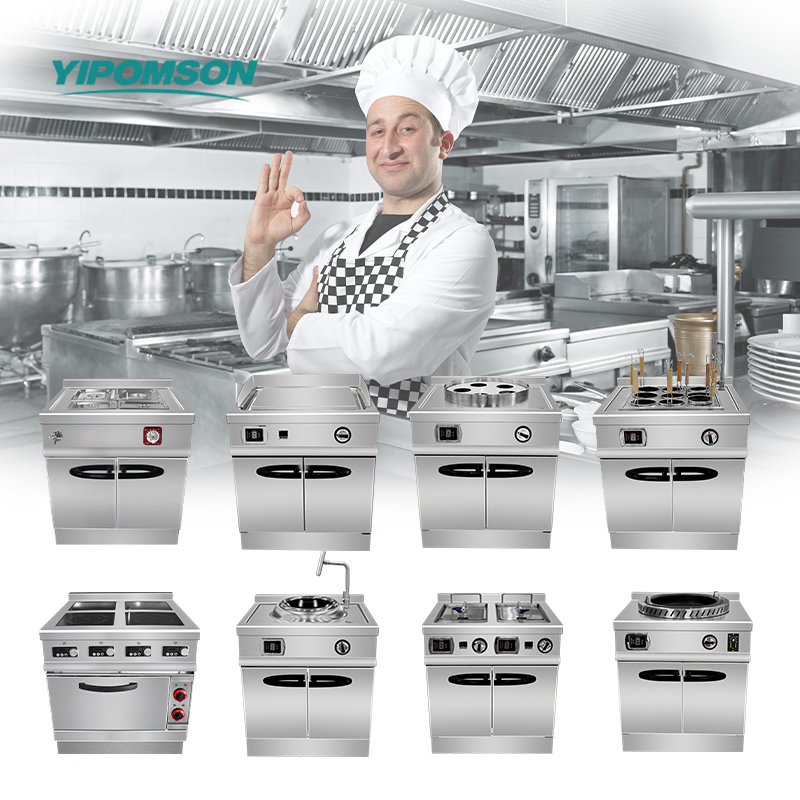
-
-