Hot Categories
The Complete Guide to Food Warming Trolleys2026-10-12
Company News | 2025-05-20 11:49:00
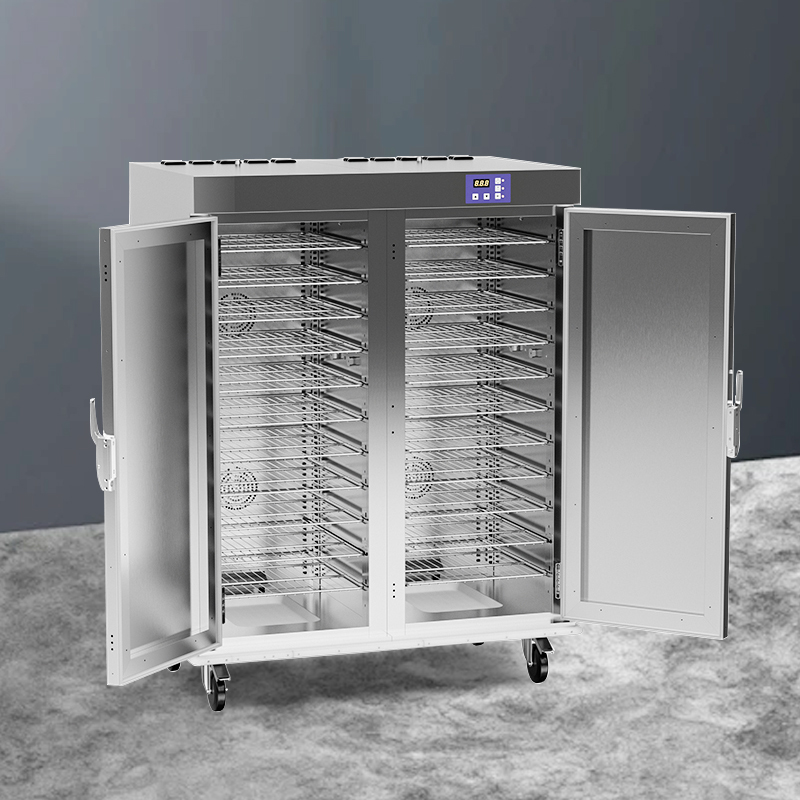
1. What Is a Food Warming Trolley? A food warming trolley is a mobile unit equipped with heating elements and insulation to maintain cooked food at a safe serving temperature. It is designed to transport large quantities of food while keeping it warm, fresh, and hygienic.
Key Uses Include:
-
Buffet and banquet services
-
Meal delivery in hospitals or schools
-
Holding food during prep-to-serve transitions
-
Mobile food stations in events or airports
2. Types of Food Warming Trolleys
Understanding the different types helps match the unit to your needs:
-
Heated Holding Cabinets: Ideal for storing pans of cooked food before service.
-
Banquet Carts: Typically used in hotels for plated meal delivery.
-
Combination Models: Offer warming and proofing functions in one.
-
Meal Delivery Carts: Common in healthcare facilities with individual tray compartments.
Each model varies in capacity, size, and intended environment.
3. Key Features to Consider
When selecting a food warming trolley, focus on:
-
Capacity: Measured in number of trays or pans.
-
Heating System: Options include dry heat or humidified heat.
-
Insulation Quality: Affects how long food stays warm without active heating.
-
Temperature Controls: Digital thermostats are more precise.
-
Mobility: Large, lockable casters make movement safe and easy.
-
Build Material: Stainless steel ensures durability and easy cleaning.
These features determine how well the trolley supports your service style and volume.
4. Why Food Warming Trolleys Matter
Using a food warming trolley in commercial settings ensures:
-
Food Safety: Keeps hot foods above 60°C (140°F), avoiding bacterial growth.
-
Operational Flow: Reduces the need to rush plating or reheating.
-
Time Efficiency: Lets you prepare meals in advance.
-
Customer Satisfaction: Warm meals enhance guest experience.
Whether you run a large hotel kitchen or a mobile catering service, warming trolleys reduce stress during peak hours.
5. Industry Use Cases
-
Hotel Banquets in Qatar: Use banquet carts to deliver 100+ plated meals across floors with minimal heat loss.
-
Catering Service in Malaysia: Employ heated holding cabinets at offsite events to ensure buffet quality.
-
Hospital Kitchen in Ghana: Uses custom-built warming carts for meal delivery to patient rooms.
These real-world applications highlight how warming trolleys improve service efficiency and food integrity.
6. Maintenance and Cleaning Guidelines
To prolong the life of your food warming trolley:
-
Daily Wipe Down: Use food-safe cleaners on surfaces and interiors.
-
Weekly Deep Clean: Remove trays and racks; sanitize every nook.
-
Inspect Heating Elements: Look for signs of wear or corrosion.
-
Check Casters and Handles: Ensure safe and smooth mobility.
-
Schedule Regular Electrical Checks: Particularly for high-use models.
Good maintenance reduces breakdowns and preserves hygiene.
7. Energy Efficiency and Technology Upgrades
Modern food warming trolleys include smart energy-saving features:
-
Programmable Timers: Preheat before peak hours, auto shut-off after.
-
Eco Mode: Maintains temperature with minimal power.
-
Low Voltage Consumption: Some models reduce energy use by 20–40%.
Look for trolleys with energy certifications or inverter technology if sustainability matters to your brand.
8. How to Market Food Warming Trolleys Online
For dealers and suppliers, these tips can help improve product visibility:
-
SEO Keywords: Use search-friendly phrases like “commercial food warmer trolley” and “hospital meal delivery cart.”
-
Video Demonstrations: Show how quickly and safely meals are transported.
-
Feature Comparisons: Help customers choose between models.
-
Highlight Certifications: Like CE, UL, or NSF for credibility.
-
Customer Testimonials: Real users increase buyer confidence.
Your Yipomson product listings should be clear, visual, and keyword-rich.
9. Common Mistakes to Avoid When Buying
-
Choosing the Wrong Size: Too small limits capacity, too large wastes space.
-
Ignoring Insulation Quality: Poor insulation leads to cold spots.
-
Underestimating Cleaning Needs: Complex designs are harder to sanitize.
-
Overlooking Ventilation: Essential for humidified heating models.
-
Buying Without Warranty: Avoid long-term risk.
Careful research avoids operational bottlenecks and food quality issues.