
Hot Categories
Why Chefs Love This Cake Display Refrigerator (Stats Inside)2026-10-12
Blog | 2026-09-03 08:42:27
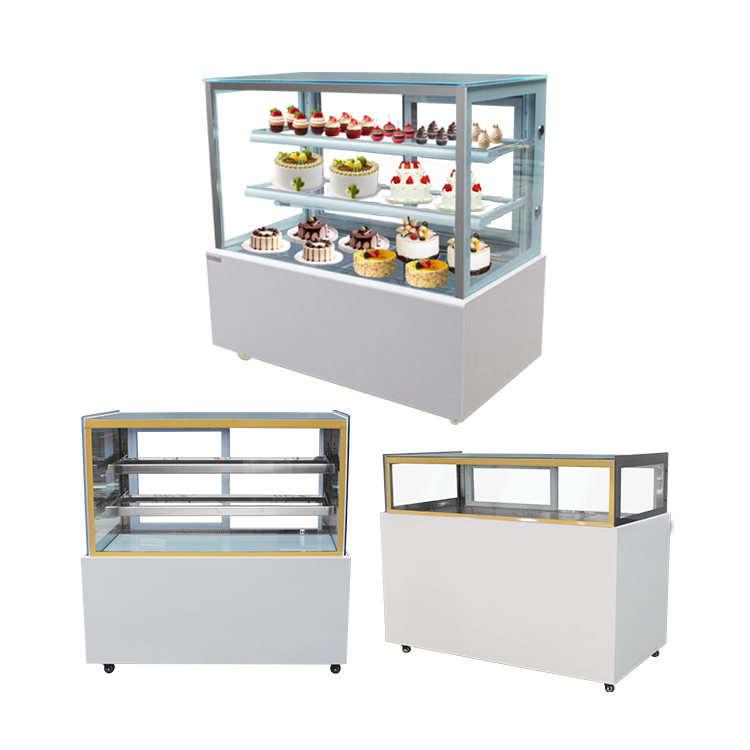
Chefs love this cake display refrigerator because it brings together dependable temperature control, eye-catching presentation, smart storage, and quick access in one practical solution. Designed to keep cakes fresh while displaying them attractively, it helps staff work more efficiently, reduces unnecessary product waste, and encourages impulse purchases. Its clear visibility and organized interior make it ideal for bakeries, cafés, restaurants, and dessert shops looking to improve daily operations and create a more appealing customer experience. With the right display refrigerator, businesses can protect product quality, streamline service, and support stronger sales.
Why Chefs Love This Cake Display Refrigerator
A cake can be carefully baked, filled, and decorated, yet still lose its appeal when it sits in the wrong display case. Warm air, unstable cooling, poor lighting, and crowded shelves can affect both the cake and the way customers see it.
That is why many chefs choose a cake display refrigerator for cafés, bakeries, hotels, and restaurant dessert counters. It helps protect delicate products while keeping them visible during service.
I see the value in this equipment from a chef’s daily routine. A pastry chef is not only preparing cakes. They are also managing texture, presentation, food rotation, cleaning, and customer orders. A suitable display refrigerator supports each part of that work.
Temperature control is one of the main reasons chefs use this type of refrigerator.
Cream cakes, mousse cakes, cheesecakes, and desserts with fresh fruit often need cool storage. If the cabinet becomes too warm, cream may soften and chocolate decoration can lose its shape. If the cooling is too strong or uneven, some products may dry out while others remain colder than needed.
A cake display refrigerator uses a cooling system made for chilled presentation. The chef can place finished cakes inside the cabinet and keep them ready for service without hiding them in a back room.
For example, a café that serves whole cakes by the slice may prepare several products before the lunch period. The cakes stay in the display case while staff cut and serve them throughout the day. The team does not need to open a storage refrigerator every time a customer asks about a flavor.
Clear visibility also changes the buying experience.
Customers often make dessert choices with their eyes. A glass display allows them to see the cake layers, toppings, fruit, and decoration before they place an order. Staff can answer questions with less movement because the products are already in view.
I find this useful in bakeries with a small service counter. When the display refrigerator is arranged well, customers can compare different cakes while waiting. The staff can point to each item and explain the flavor, size, or serving method. This creates a smoother conversation without relying on long menu descriptions.
The layout inside the cabinet matters as much as the cooling system.
Adjustable shelves give chefs more control over product placement. A tall celebration cake may need extra space, while individual desserts can fit on a shorter shelf. Removable shelves also make cleaning easier and help the team change the display for different service periods.
A simple arrangement often works well:
- Place larger cakes on the lower shelf.
- Keep individual slices at eye level.
- Leave space between trays and products.
- Group similar flavors together.
- Keep labels easy to read.
- Avoid blocking the air outlets.
This layout helps the display look neat without forcing staff to move products repeatedly during service.
Good lighting supports the presentation of the cake.
Soft LED lighting can show the color and shape of each dessert without creating strong heat inside the cabinet. A bright but balanced display helps customers notice details such as fruit toppings, cream layers, and chocolate work.
The light should support the product, not change its appearance. For a bakery selling pastel-colored mousse cakes, strong blue-tinted lighting may make the products look less natural. A neutral light is often a better fit for daily display.
Door design also affects the work of a busy kitchen.
A front-opening glass door gives customers and staff a direct view. Some models use rear doors, which allow staff to refill the cabinet from behind the counter while customers continue ordering at the front. This setup can suit cafés where the display sits between the service area and the dining space.
When I help a business compare models, I ask how the cabinet will be used during peak service. A shop with one employee may need easy access and a clear shelf layout. A larger bakery may prefer a longer unit with separate storage areas. The right choice depends on the working path, not only the external size.
Cleaning is another daily concern.
Cake cream, fruit juice, chocolate, and crumbs can collect on shelves and the bottom of the cabinet. A refrigerator with smooth surfaces, removable trays, and accessible corners takes less effort to clean. Staff can wipe the interior after service and check for spills before preparing the next display.
A clean cabinet also keeps the presentation consistent. Customers notice fingerprints on glass, dried cream near the shelf edge, and empty spaces where products have been removed. These details may not damage the cake, but they can affect how people view the counter.
Energy use should be considered during product selection.
A display refrigerator may operate for long hours, so insulation, door sealing, lighting, and cooling performance all matter. A model with a well-fitted door can reduce unnecessary cold-air loss when staff open and close it during service.
The team should also leave enough space around the refrigerator for ventilation. Placing the unit next to a hot oven or blocking the air outlet may affect its performance. The installation area should match the manufacturer’s guidance.
Chefs also appreciate a display refrigerator because it helps separate storage from presentation.
A back-of-house refrigerator is designed for storage. A cake display refrigerator is designed to keep finished desserts visible and ready to serve. Using each unit for its intended purpose can make the kitchen easier to manage.
This separation helps with stock rotation as well. Staff can place newer products behind older ones and mark the preparation date on trays or labels. Products that need to be sold earlier can stay in a clear position for quick checking.
A practical purchasing check can include these questions:
- What types of cake will be displayed?
- How many shelves are needed?
- Will the unit stand against a wall or inside a counter?
- Does the shop need front access, rear access, or both?
- Can the shelves and trays be removed for cleaning?
- Is the temperature range suitable for the products?
- Does the glass provide a clear view from the customer side?
- Can the refrigerator fit through the entrance and into the planned space?
- Is local service available for maintenance?
These questions help prevent a common mistake: choosing a cabinet based only on appearance. A display refrigerator may look suitable in a product photo but prove difficult to use if the shelves are too shallow, the door opens into a narrow path, or the cabinet cannot hold the cake sizes sold by the business.
A useful example is a small café that sells six cake flavors by the slice. The owner may not need a large commercial wall unit. A compact refrigerated display with adjustable shelves could provide enough space for daily service while leaving room for a small counter and coffee equipment. A hotel pastry section may need a wider cabinet because it presents whole cakes, plated desserts, and seasonal products at the same time.
The best display refrigerator is the one that matches the chef’s products and service routine. It should keep cakes chilled, make the display easy to read, and support cleaning and stock control without adding extra work.
For chefs, the value is not only the glass front. It is the way the refrigerator protects the product from preparation to purchase while keeping the dessert part of the customer’s experience.
The Cake Fridge That Keeps Desserts Fresh
I used to think the hardest part of selling cakes was baking them. After serving customers, I found another challenge: keeping each dessert in good condition until it reached the table.
A cake can lose its soft texture in a short time. Cream may dry out, fruit can release moisture, and strong food smells may affect the dessert. A regular refrigerator keeps food cold, but it may not offer the space, visibility, or storage setup that a bakery needs.
A cake fridge gives desserts a dedicated place to stay cool, protected, and ready to serve.
## Why a Cake Fridge Helps
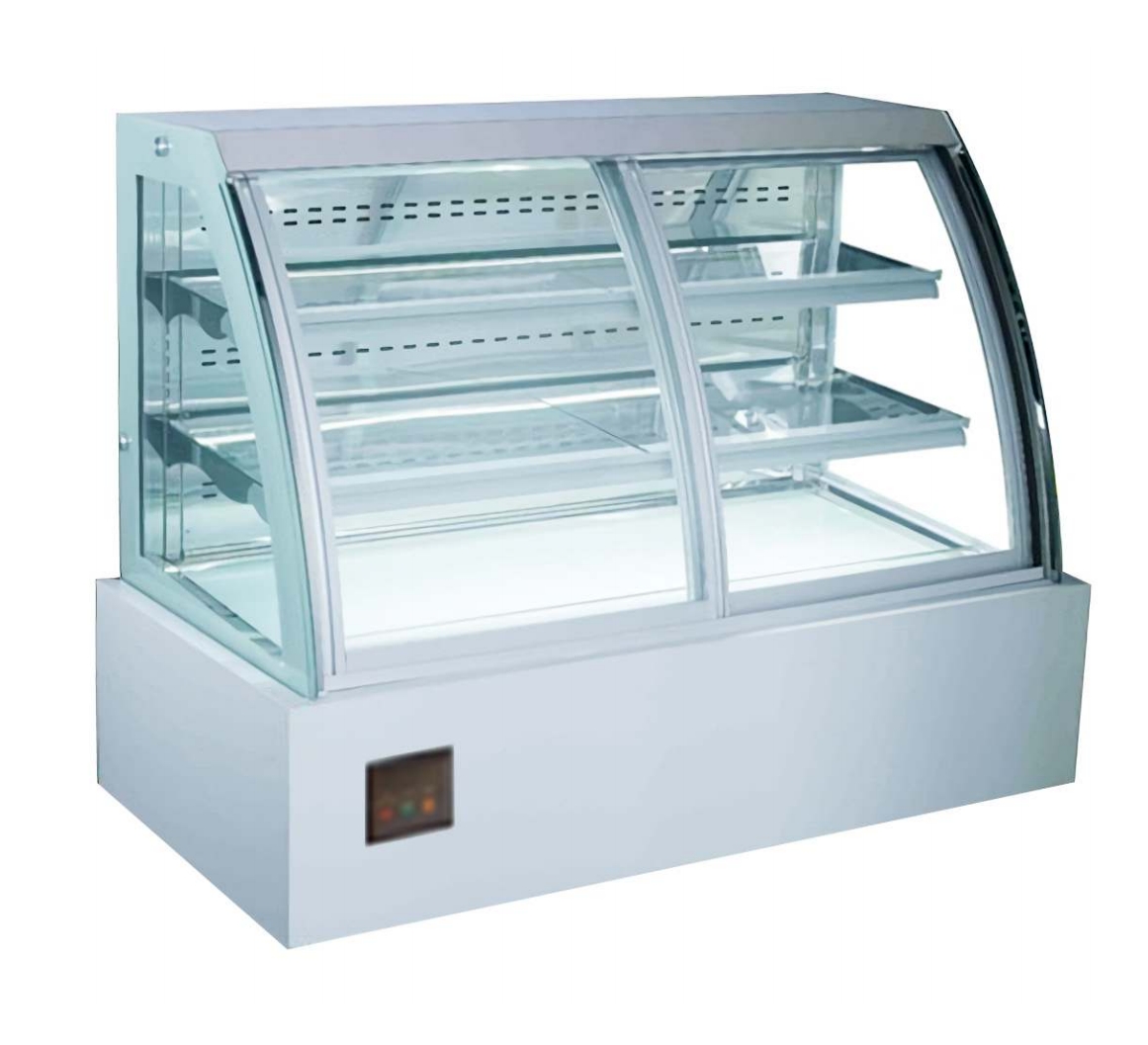
A cake fridge is designed to store and display cakes, pastries, mousse desserts, cupcakes, and other chilled products. The glass door lets customers view the desserts without opening the unit again and again.
That small detail can make a difference. Each door opening allows warm air into the cabinet. Repeated temperature changes may affect cream, fruit toppings, chocolate decoration, and delicate layers.
When I use a dedicated cake fridge, I can:
- Keep desserts away from raw food and strong odors
- Display products at a suitable serving temperature
- Reduce unnecessary handling
- Make the counter look more organized
- Give customers a clear view of available cakes
- Separate ready-to-sell desserts from kitchen ingredients
The fridge does not replace proper food handling. It supports a better storage routine.
## Choosing the Right Temperature
Different desserts may need different storage conditions. A cream cake, a fruit tart, and a chocolate mousse dessert do not always behave in the same way.
Before choosing a fridge, I check the storage guidance for the products I sell. The temperature range should match the needs of the desserts rather than follow a general guess.
A simple routine works well:
- Check the product label or recipe guidance.
- Set the fridge to a suitable temperature.
- Place a separate thermometer inside the cabinet.
- Record the temperature during busy hours.
- Adjust the setting when the cabinet is opened often.
A built-in display shows the fridge setting, but an extra thermometer helps me check the actual cabinet condition. The reading may change when the shop door stays open, when many warm products are placed inside, or when the cabinet is filled beyond its recommended capacity.
## Protecting Texture and Decoration
Cold storage alone does not protect every dessert. Placement matters too.
I leave space between cake boxes and trays so that cool air can move around the products. I avoid placing warm cakes directly beside finished desserts. Warm items can raise the cabinet temperature and create moisture on the surface.
For decorated cakes, I also check the following:
- Keep the cake on a stable tray.
- Use a cover or cake box when the dessert needs extra protection.
- Avoid placing uncovered cakes near foods with strong smells.
- Leave room around tall decorations.
- Keep the door closed when no product is being added or removed.
- Use clean trays for each batch.
These steps help the cake keep its shape and reduce the chance of surface drying or unwanted moisture.
## Making the Display Work for Customers
A cake fridge can also support a smoother buying experience.
When customers can see the desserts clearly, they can compare sizes, flavors, colors, and decoration styles before asking questions. I place popular items at eye level and leave enough space between products so the display does not look crowded.
A clear display may include:
- Product names
- Main flavor
- Size or serving guide
- Allergen information where required
- Storage guidance
- A simple price label
The display should match what is actually available. If a cake has been sold, I remove or update the label instead of leaving an empty space that may confuse customers.
Lighting needs care as well. Soft, even lighting can help customers view the decoration. Strong heat-producing lights may affect the cabinet temperature, so I check the manufacturer’s specifications before installing them.
## Selecting a Cake Fridge for a Small Shop
A small bakery does not always need a large cabinet. I measure the available counter and floor space before looking at capacity.
The key points I review are:
Cabinet size
Measure the width, depth, and height of the available area. Leave room for ventilation, cleaning, and door movement.
Shelf layout
Adjustable shelves are useful when I sell both short cupcakes and tall celebration cakes. Check the distance between shelves before making a purchase.
Door design
A glass door supports product viewing. A sliding door may suit a narrow counter, while a hinged door can offer wider access.
Temperature control
A clear temperature display and stable control make daily checks easier. The selected range should suit the desserts being stored.
Cleaning access
Removable shelves and smooth inner surfaces reduce the time needed for routine cleaning.
Power use
Look at the product specifications and expected operating conditions. A fridge that fits the shop’s needs may be more practical than a larger unit with unused capacity.
Noise level
For a small café or open bakery, a quieter unit may create a more comfortable space for staff and customers.
## A Practical Daily Routine
I keep the routine simple so that staff can follow it without confusion.
At opening, I check the cabinet temperature, inspect the products, and remove any dessert that no longer meets the shop’s quality standard.
During service, I return products to the correct shelf and keep the door closed between tasks.
When adding a new batch, I label it with the preparation date and follow the shop’s stock rotation method. Older suitable products should be used before newer ones, based on the bakery’s food safety procedure.
At closing, I wipe spills, check the door seal, and review the next day’s stock. I do not switch off the fridge unless the manufacturer’s instructions and the shop’s food safety plan allow it.
## A Small Bakery Example
A neighborhood bakery in Manchester sold sliced cakes, cream rolls, and fruit tarts from an open counter. Before using a dedicated cake fridge, staff often moved desserts between the kitchen refrigerator and the display area. The products stayed cold, but the repeated handling made service slower.
The bakery changed its setup by placing a small glass cake fridge beside the ordering counter. Staff prepared the display once in the morning, labeled each tray, and kept reserve products in a separate storage area.
Customers could see the cakes before ordering. Staff spent less time opening different refrigerators, and the counter looked easier to understand. The bakery did not treat the fridge as a promise of unlimited shelf life. It used the cabinet as part of a better storage and display process.
That distinction matters. A cake fridge helps maintain suitable conditions, but product quality still depends on ingredients, preparation, hygiene, packaging, temperature control, and handling time.
## Common Mistakes to Avoid
Many storage problems come from small habits.
Do not fill every shelf to the edge. Crowding can reduce airflow and make products harder to remove safely.
Do not place uncovered desserts beside foods with strong aromas.
Do not rely only on the temperature shown on the control panel. Check the cabinet with a suitable thermometer.
Do not store warm products beside chilled cakes.
Do not use the glass display as a replacement for cleaning. Fingerprints, crumbs, and spills can affect the appearance of the whole counter.
Do not assume every cake has the same storage period. Follow the recipe guidance, product label, and local food safety requirements.
A good cake fridge supports the work behind the counter. It helps me keep desserts visible, organized, and stored under conditions suited to the products I sell. When the cabinet size, temperature, shelf layout, and cleaning routine match the bakery’s daily needs, the fridge becomes more than a display unit. It becomes part of a steady dessert service.
See Why Bakers Choose This Display Fridge
When I run a bakery, keeping cakes and pastries fresh is only part of the job. I also need to present them well, protect delicate products, and help customers choose with ease.
A display fridge supports all three needs. It gives chilled items a clear place on the counter while helping me keep the service area neat and easy to manage.
Customers can see the products before ordering
A closed display case can make customers ask more questions. A glass display fridge lets them view cakes, cream pastries, cheesecakes, sandwiches, and other chilled items without opening the door.
That simple view can make the buying process smoother. Customers can compare sizes, colours, fillings, and decoration while they wait to order. Staff spend less time describing every product, and the counter feels less crowded.
For a bakery selling several cake flavours, clear visibility also reduces confusion. A customer may point to a strawberry cake, ask about the portion size, and place an order within a short conversation.
Chilled products stay in a suitable display space
Many bakery products need chilled storage. Cream cakes, mousse desserts, custard pastries, and some filled sandwiches may lose quality when kept in a warm service area.
A display fridge gives these products a dedicated space. I can arrange the shelves by product type and keep chilled items away from direct handling. I still need to follow local food safety guidance and check the temperature as part of my daily routine.
A useful setup may include:
- A visible temperature display
- Adjustable shelves
- Easy access for staff
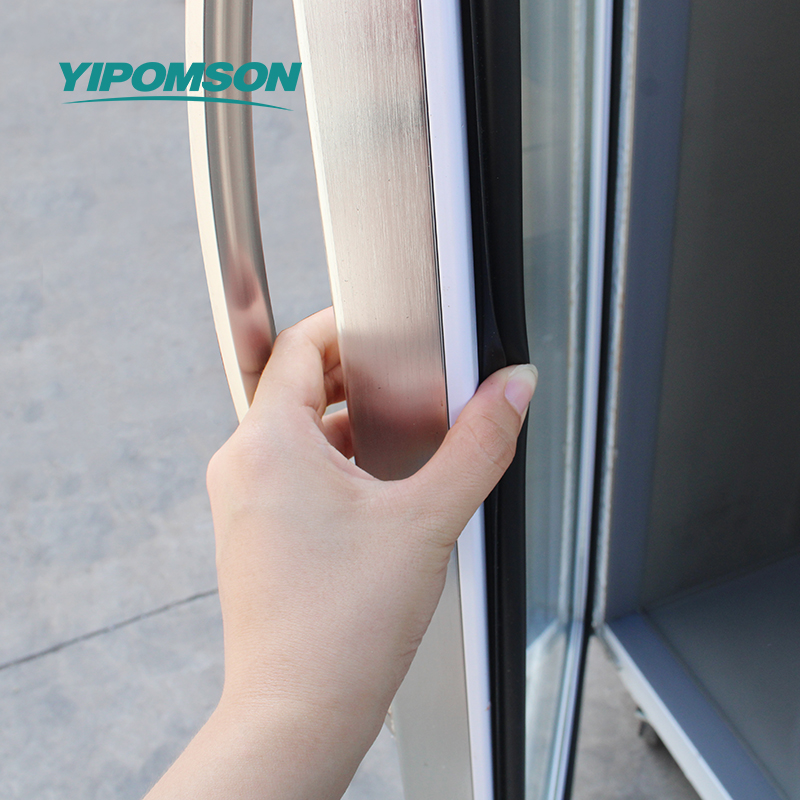
- A well-sealed door
- Smooth internal surfaces
- Space for trays and cake boxes
- Lighting that shows product details clearly
The right features depend on the products, counter layout, and daily sales volume.
The display helps protect the appearance of baked goods
Pastries are easy to damage when staff move them around too often. A stable display fridge gives each item a set position.
I can use trays for small pastries, cake boards for larger slices, and separate shelves for products with different shapes. This makes restocking easier and helps prevent cream, icing, or fruit toppings from being disturbed.
A clean glass panel also matters. Fingerprints, crumbs, and condensation can make good products look less appealing. Regular cleaning keeps the display clear and gives customers a better view.
A tidy counter can improve the service flow
A busy bakery counter needs a simple working pattern. Staff should be able to collect a product, close the door, serve the customer, and move to the next order without crossing the whole shop.
A front-facing display fridge can help create that pattern. Products stay close to the service point, while extra stock can remain in a separate refrigerator or back-of-house area.
For example, a small bakery may place sliced cakes and chilled pastries in the front display fridge, then keep unopened stock in a larger storage unit behind the counter. This arrangement gives customers a clear view while helping staff manage refills.
The fridge can support product planning
A display fridge also gives me useful information about customer interest. If lemon slices sell early while another flavour remains on the shelf, I can review the display size, portion count, or product placement.
This does not mean every slow-selling item needs to be removed. The reason may be the price, the portion, the location, or the way the product is described. A display fridge makes these details easier to observe during normal service.
I can test small changes such as:
- Moving popular items to eye level
- Grouping similar products together
- Adding simple product labels
- Leaving space between trays
- Placing new items where customers can see them
- Using smaller batches for products with limited shelf life
These changes help me manage the counter based on daily customer behaviour rather than guesswork.
The right size matters
A display fridge that is too small may look empty after a busy period. A unit that is too large may take up valuable counter space and use more power than the business needs.
Before choosing one, I check:
- Counter width and depth
- Door opening space
- Shelf size
- Daily product volume
- Power supply location
- Cleaning access
- Staff movement around the unit
- Delivery and installation conditions
I also measure the entrance, lift, and service area. A fridge may fit the counter but fail to pass through the shop door or turn safely into position.
Good display design supports the bakery brand
The fridge becomes part of the customer-facing area. Its frame, lighting, glass, and shelf layout should match the shop’s style without hiding the products.
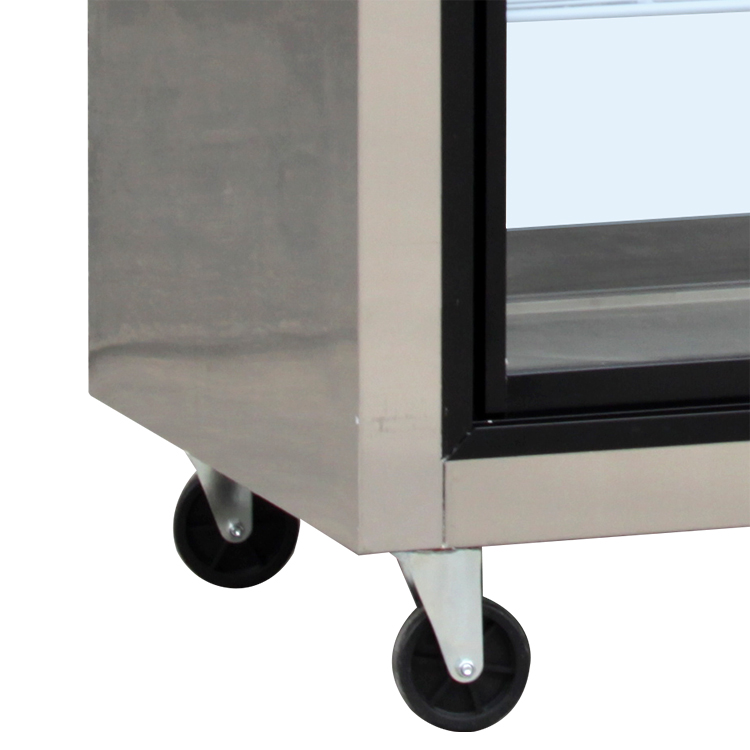
A simple black frame may suit a modern café. A stainless steel finish may work well in a busy bakery kitchen. The product remains the main focus, so the display should not look crowded.
I prefer a layout that gives each product enough space to be seen. Too many trays can make the selection look untidy. Too few products may make the counter feel unfinished. The best balance depends on the bakery’s menu and refill schedule.
Bakers choose display fridges because these units solve several daily problems at once. They create a visible product area, support chilled storage, protect presentation, and help staff serve customers with less movement.
The choice should be based on actual bakery needs. Product type, counter space, cleaning routine, capacity, and local food handling guidance all deserve attention before purchase.
When the fridge fits the shop and the menu, it becomes more than a cold cabinet. It becomes part of the way customers see, choose, and enjoy the bakery’s products.
Fresh Cakes, Happy Chefs, More Sales
Fresh cakes can shape the way customers see a bakery. The smell, texture, and appearance all affect the buying decision. Yet many bakery owners face the same problem: chefs spend too much time on repeated tasks, while customers wait for new products to come out.
I have found that better sales often begin with a better kitchen routine. When chefs can work with less pressure, they have more time to focus on taste, design, and customer needs.
A practical cake workflow starts with a clear daily plan.
I check the previous day’s sales and note which cakes sold well, which products were left over, and which flavors received customer comments. This helps me plan the next batch with less waste.
A small bakery may not need a large menu. Three or four reliable choices can be easier to manage than ten products with uneven quality. For example:
- A simple sponge cake for daily orders
- A chocolate cake for family events
- A fruit cake for customers who prefer a lighter taste
- A small celebration cake for last-minute purchases
The menu can change with customer feedback, but the production process should remain easy for chefs to follow.
Freshness also depends on preparation time. I prefer to separate tasks into clear stages:
- Prepare ingredients before baking starts.
- Label each batch with the production time.
- Cool cakes fully before adding cream or decoration.
- Store each product in the right condition.
- Record customer feedback after sales.
This routine helps chefs avoid rushed work. It also gives customers a more consistent experience.
Presentation affects the way people choose a cake. A clean display case, readable product names, and a short description can help customers make decisions. Instead of using large claims, I use simple details such as:
- Baked this morning
- Made with fresh strawberries
- Light cream filling
- Suitable for small family gatherings
Clear information feels more trustworthy than exaggerated language.
I also pay attention to portion size. Some customers want a full cake for a party. Others want one or two slices with coffee. Selling both options can help a bakery serve different needs without changing the whole recipe.
A neighborhood bakery in Manchester used this approach with a small weekend cake menu. The team reviewed Friday sales, prepared the most requested flavors on Saturday morning, and offered individual slices near the counter. Customers could try a slice before ordering a full cake. The bakery did not need to add many new products. It focused on freshness, clear choices, and steady service.
The chefs benefited from a more balanced schedule. Customers spent less time asking about ingredients and serving size. The bakery also had a better view of which products deserved a place on the next menu.
Customer communication should continue after the purchase. I ask simple questions:
- Was the sweetness comfortable?
- Was the portion suitable?
- Did the cake arrive in good condition?
- Would you choose the same flavor again?
These answers can guide recipe adjustments. A cake that receives many compliments may still need a smaller size, a lower price, or a different decoration style. Good sales decisions come from observing real customer behavior, not from guessing.
Photos can support the sales process as well. I use natural light, a clean background, and a close view of the cake texture. The picture should match the product customers receive. If the displayed cake has heavy decoration but the delivered cake is simple, trust can suffer.
I also keep product descriptions short. Customers usually want to know the flavor, size, main ingredients, and storage advice. Too much text can make the choice harder.
A happy chef is part of the customer experience. When the kitchen schedule is realistic, chefs can pay attention to details that machines and checklists cannot replace. A careful hand on the final decoration, a quick quality check, or a helpful suggestion can make the order feel personal.
Fresh cakes do not need loud promises to attract attention. They need a steady process, honest descriptions, and a team that has enough time to do good work. When I connect kitchen planning with customer feedback, I can reduce waste, support the chefs, and create more chances for customers to return.
That is how fresh cakes can lead to happier chefs and healthier sales growth.
For any inquiries regarding the content of this article, please contact yipomson: caroline@yipomson.com/WhatsApp +8613360672196.
References
U.S. Food and Drug Administration 2022 Food Code 2022
Institute of Refrigeration 2021 Guide to Refrigerated Display Cabinets
British Retail Consortium 2023 Global Standard for Food Safety
International Institute of Refrigeration 2020 Refrigeration and Food Quality
Food Standards Agency 2023 Chilled Food Storage and Temperature Control
American Bakers Association 2022 Bakery Display and Product Handling Practices