
Hot Categories
Why Chefs Swear by This Multifunctional Gas Oven?2026-10-12
Blog | 2026-08-28 18:38:12
Chefs swear by multifunctional gas ovens because they combine instant heat, responsive temperature control, and the versatility needed for everything from delicate simmering to high-heat searing, roasting, baking, wok cooking, and flambéing. Professional-grade models often feature high-BTU burners, spacious convection ovens, continuous cast-iron grates, infrared broilers, griddles, wok burners, and durable construction, bringing restaurant-quality performance into the home. Gas also works with a wide range of cookware and can remain reliable during power outages, while dual-fuel designs pair a precise gas cooktop with the even heating of an electric oven. However, modern cooks should also consider ventilation, indoor air quality, fuel compatibility, maintenance, and energy efficiency, as induction and electric alternatives offer fast heating, easier cleaning, cooler kitchens, and lower emissions. Whether choosing gas, dual fuel, or induction, the ideal range should match the cook’s techniques, kitchen space, budget, and performance expectations.
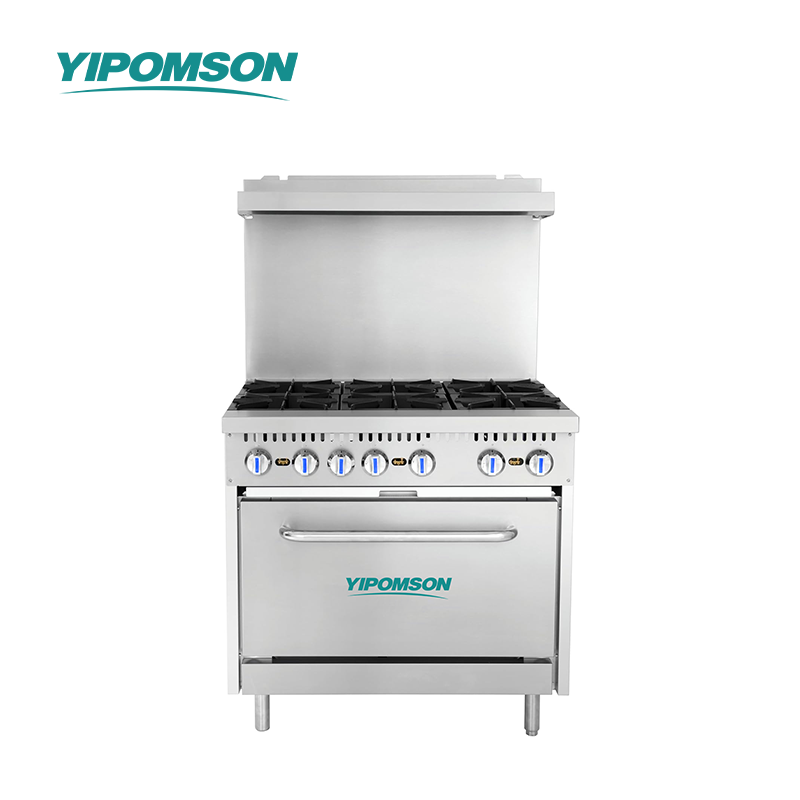
Why Chefs Love This Multifunctional Gas Oven
A busy kitchen needs equipment that can handle more than one task without slowing the cooking team down. A single-purpose oven may work well for one menu item, yet it can create delays when the kitchen must bake bread, roast meat, reheat prepared dishes, and finish plates during the same service.
That is why many chefs choose a multifunctional gas oven. It gives them several cooking options in one unit, while gas heat offers quick response and a familiar cooking feel.
I like this type of oven because it supports the way a professional kitchen actually works.
A chef may use the oven to:
- Bake bread, pastries, pizza, or casseroles
- Roast chicken, beef, vegetables, and seafood
- Grill or brown the surface of prepared dishes
- Reheat food without relying on a microwave
- Cook several trays when the menu becomes busy
Each function serves a different kitchen need.
A gas oven can also help chefs adjust the cooking process with ease. The flame responds quickly when the temperature needs to rise or fall. This control matters when a dish has a narrow cooking range, such as roasted vegetables that need color without becoming dry.
For example, a small café may prepare roasted vegetables in the morning, bake savory pies before lunch, and reheat plated dishes during afternoon service. One multifunctional gas oven can support these tasks without requiring separate equipment for every cooking method.
Another reason chefs value this oven is heat distribution. Some models use fans to move hot air around the chamber. This can help food cook more evenly across several trays, though the result still depends on the recipe, tray position, load size, and oven design.
I always check these details before choosing a model:
- Burner layout and heat output
- Available cooking modes
- Interior size and tray capacity
- Temperature control range
- Door insulation and viewing window
- Cleaning access
- Gas connection requirements
- Ventilation and installation space
- Availability of replacement parts
- Warranty and service support
The cooking chamber deserves close attention. A larger oven may suit a restaurant with high food volume, while a compact model may work better for a bakery, café, food truck kitchen, or small catering business. More capacity does not always mean better performance. An oven should match the menu, kitchen layout, and daily workload.
Cleaning also affects daily use. Food residue, grease, and spilled sauce can change the smell of later dishes and make maintenance harder. A smooth interior, removable racks, and easy access to the burner area can reduce cleaning time. I prefer an oven that allows staff to inspect and clean key parts without taking apart the entire unit.
Safety remains part of the buying decision. A qualified technician should handle gas installation, leak checks, ventilation, and local compliance requirements. Kitchen staff should receive clear instructions for ignition, shutdown, cleaning, and emergency procedures. These steps protect the team and help the oven work as designed.
Chefs also care about workflow. If the controls are easy to read, staff can change cooking modes without leaving the preparation area for long. A clear temperature display and sturdy knobs can make a difference during a crowded service. Small design choices often affect how smoothly the kitchen operates.
A multifunctional gas oven does not replace good preparation or skilled cooking. It gives the team more ways to manage the menu with one piece of equipment. The right choice depends on food type, kitchen size, energy setup, service volume, and maintenance needs.
When I compare models, I focus less on long feature lists and more on daily use. Can the oven handle the dishes I serve? Can my staff operate it with ease? Can it be cleaned without creating extra work? Can a technician support it after installation?
Those questions provide a clearer path to a practical purchase. A multifunctional gas oven earns its place in a professional kitchen when it supports steady cooking, simple workflow, and reliable maintenance across the working day.
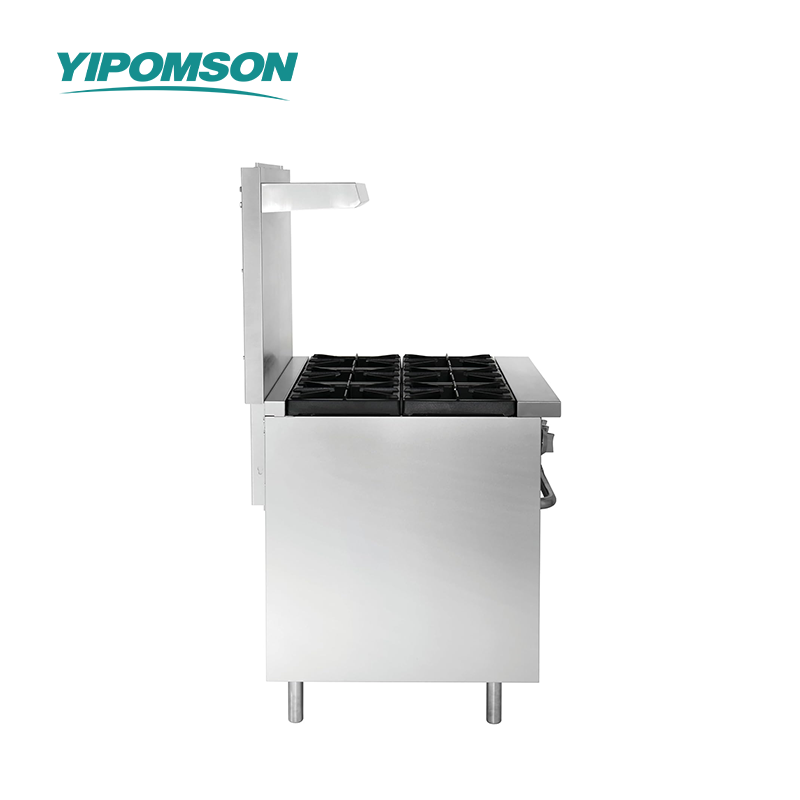
One Oven, Endless Culinary Possibilities
A single oven can support far more than a tray of cookies or a Sunday roast. I use mine as a steady part of daily cooking: baking bread in the morning, roasting vegetables for lunch, reheating leftovers without making them soggy, and preparing dinner for the whole family.
Many home cooks face the same problem. The kitchen has limited space, time is short, and each meal seems to need a different cooking method. An oven can reduce that pressure when I understand how to use its heat, rack positions, and cooking settings.
A sheet-pan dinner is a simple place to start. I place chicken thighs, potatoes, carrots, and onions on one tray, add oil and mild seasoning, then leave space between the ingredients. The open space helps hot air move around the food. The result is a balanced meal with less washing up.
For a meat-free option, I roast cauliflower, peppers, mushrooms, and chickpeas together. I keep softer vegetables away from the hottest area of the tray and cut firm vegetables into smaller pieces. This helps the food finish at a similar time.
Baking does not have to mean making desserts. I often bake a batch of muffins, oat bars, or small rolls and store them for breakfast. A loaf of bread can also become part of several meals. Fresh slices work well with soup, while older bread can be turned into croutons or breadcrumbs.
The oven also helps with meal preparation. I can roast a tray of vegetables while cooking another dish on a separate rack, as long as the food needs a similar temperature. Cooked vegetables can be added to salads, wraps, rice bowls, or pasta during the next few days. This approach gives me more choices without starting from zero each time.
Rack position changes the cooking result. Food placed near the top may brown more quickly, while the centre often gives a more even bake. When I prepare a delicate cake, I use the centre rack and avoid opening the door too often. When I want a golden finish on cheese or breadcrumbs, I move the dish higher near the end of cooking and watch it closely.
Temperature matters as much as time. A thick casserole may need steady heat for longer, while thin vegetables can cook quickly at a higher setting. I check the food rather than relying only on the timer. Chicken should reach a safe internal temperature, and baked goods should be firm in the centre before serving.
An oven can also handle small kitchen tasks that are easy to overlook. I use low heat to dry citrus slices for drinks, crisp tortillas for simple chips, and warm plates before serving. These uses do not require special ingredients. They only need careful temperature control and attention to the food.
A practical routine can make the oven easier to manage:
- Plan two dishes that can share a similar temperature.
- Cut ingredients into pieces of a similar size.
- Leave space around food on the tray.
- Use the centre rack for even cooking.
- Check thick foods with a thermometer when needed.
- Let roasted meat rest before slicing.
- Clean spills after the oven cools to reduce smoke during the next use.
A common mistake is filling one tray too tightly. I used to add every ingredient at once, only to find that the vegetables steamed instead of roasted. Using two trays, or cooking the ingredients in stages, gives better texture. Another mistake is using the same temperature for every recipe. Bread, fish, vegetables, and cakes each respond to heat in different ways.
From weekday dinners to weekend baking, one oven can support many cooking styles. It does not replace planning or basic cooking care. It gives me a reliable space where simple ingredients can become warm meals, crisp sides, baked treats, and useful leftovers. The more I learn about heat and timing, the more uses I find for the same appliance.
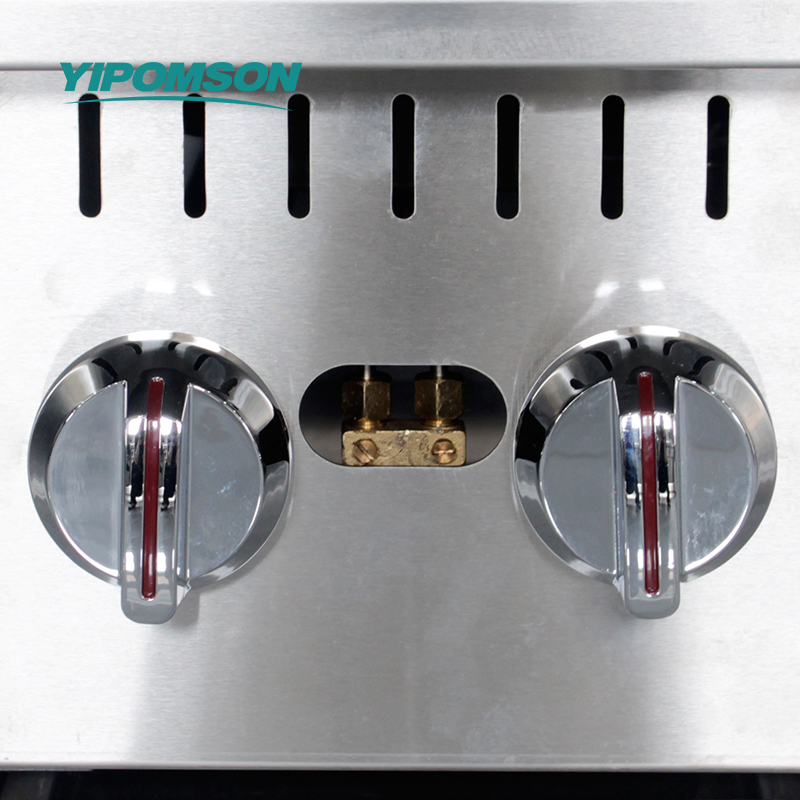
The Gas Oven That Makes Cooking Easier
Cooking at home can feel harder when the oven takes too long to heat, cooks food unevenly, or leaves a large mess behind. I have faced this problem with family meals, especially when I needed to roast vegetables, bake bread, and prepare meat at the same time.
A gas oven can make daily cooking feel more manageable when its size, controls, and heating style match the way I cook.
A gas oven uses a gas burner to create heat inside the cooking space. Many models also include a separate grill, adjustable temperature controls, and removable racks. These features give me more control over simple meals without adding extra equipment to the kitchen.
One feature I look for is steady temperature control. When I bake a cake, a small change in heat can affect the texture. When I roast chicken, uneven heat may leave one side less cooked than the other. A well-designed gas oven helps me adjust the flame with care, though I still check the food during cooking and follow the instructions for the recipe.
The oven size also matters.
A compact gas oven may suit a small kitchen or a person who cooks for one or two people. A larger model gives me more space for family meals, large baking trays, or several dishes. I measure the available space before buying and check the ventilation requirements. This helps avoid problems during installation.
I also pay attention to the controls. Clear knobs make it easier to select a suitable temperature. Some ovens use a built-in timer, which helps me keep track of cooking while I prepare other dishes. A timer does not replace supervision, but it can reduce the chance of leaving food in the oven for too long.
Cleaning is another part of the cooking experience. Removable racks give me better access to the inside. A smooth oven surface is easier to wipe after small spills. I prefer to clean the oven once it has cooled, using products that are suitable for the surface and following the care instructions from the manufacturer.
Safety should guide every use of a gas oven. I check that the flame burns normally, keep the oven area free from cloth and paper, and avoid blocking ventilation openings. If I smell gas, I stop using the appliance, avoid switches or open flames, leave the area, and contact the proper gas service provider. A qualified professional should handle installation, repairs, and gas connections.
In my kitchen, a gas oven is most helpful when I use it for regular meals rather than treating it as a complicated appliance. I can roast vegetables with a little oil, bake a tray of pasta, or warm bread for dinner. On a busy evening, I set the temperature, prepare the food, and use the timer as a reminder to check the dish.
The right gas oven does not remove every cooking task. I still need to measure ingredients, watch cooking times, and clean after use. It can reduce a few common frustrations by offering direct heat control, useful cooking space, and features that fit my routine.
Before choosing a model, I compare the oven capacity, flame controls, rack design, cleaning method, ventilation needs, and service options. A practical choice is one that fits the kitchen and supports the meals I actually prepare.
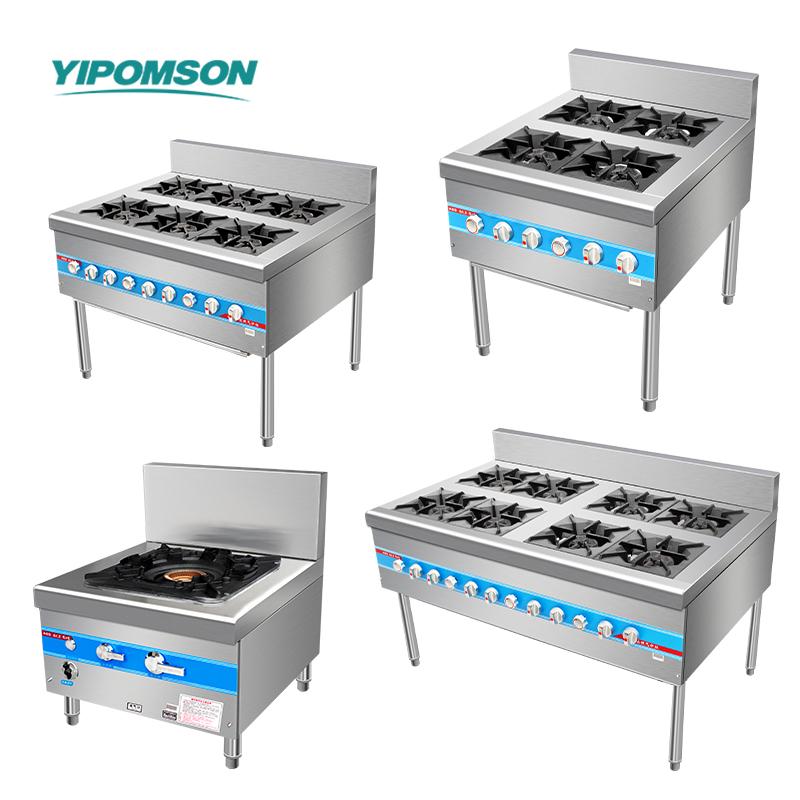
A Chef’s Secret to Faster, Better Meals
Most home cooks do not struggle because they lack recipes. The harder part is starting with a crowded counter, cold pans, missing ingredients, and too many tasks happening at once.
I used to lose time in the same way. I would heat the pan, then search for garlic. I would chop vegetables while the chicken sat in a cold marinade. By the time dinner reached the table, the food was unevenly cooked and the kitchen looked like a second job.
A chef’s useful secret is simple: prepare the work before the heat begins.
Start with a short cooking plan
Before I touch the stove, I ask myself three questions:
- What takes the longest to cook?
- Which ingredients need the same heat?
- What can I prepare while another item is cooking?
This takes less than a minute, yet it changes the whole process.
For a simple chicken and vegetable meal, I may plan the work like this:
- Cook rice or another grain.
- Cut the chicken into similar pieces.
- Prepare the vegetables.
- Mix the sauce.
- Cook the chicken.
- Add the vegetables and sauce.
- Serve while the food is warm.
The order matters because it reduces empty waiting time. I do not begin cooking one item before I know what comes next.
Prepare ingredients before heating the pan
Professional kitchens often place ingredients in small bowls before cooking. Home cooks do not need a dozen containers, but the idea is useful.
I place the ingredients in the order I will use them:
- Oil near the stove
- Chopped onion and garlic together
- Chicken in one bowl
- Firm vegetables in another bowl
- Sauce in a small cup
- Fresh herbs or greens for the last step
This setup prevents a common problem: food staying in a hot pan while I search for the next ingredient.
I also cut ingredients according to cooking time. Carrots need more heat than spinach, so I slice carrots thinly and leave spinach in larger pieces. Chicken pieces should be close in size, which helps them cook at a similar pace.
Use the right pan and enough heat
A crowded pan releases moisture. The food may steam instead of browning.
When I cook chicken or vegetables, I leave space between the pieces. If the pan is small, I cook in two batches. This may seem slower at the start, yet it often saves time because the food cooks more evenly and needs less correction.
I let the pan heat before adding oil and ingredients. The exact heat depends on the stove, pan, and food, so I watch the ingredients rather than relying only on a timer. Oil that moves easily across the pan is ready for many sautéing tasks. Smoke is a sign to lower the heat.
A heavy pan holds heat well, while a lighter pan responds more quickly when I adjust the burner. Knowing this helps me choose a cooking style that matches the equipment in my kitchen.
Build flavor in layers
Good meals do not always need a long ingredient list. They need the right ingredients added at the right time.
I usually build flavor in a simple order:
- Salt the main ingredient lightly before cooking.
- Cook onion or other aromatics until soft.
- Add garlic for a short time so it does not burn.
- Brown the protein or vegetables.
- Add a sauce near the end.
- Taste before serving.
A sauce made from soy sauce, rice vinegar, honey, and a little water can turn plain chicken and vegetables into a complete meal. I adjust the balance after tasting. More vinegar can add sharpness. Water can soften a sauce that tastes too strong. Fresh herbs can add a lighter finish.
Salt is not a replacement for flavor. If a dish tastes flat, the answer may be acid, heat, herbs, or browning rather than more salt.
Use leftover ingredients with a new purpose
One practical example comes from a weeknight meal I make often. I cook extra rice on one evening, then use it the next day for fried rice.
I keep the rice chilled in a covered container. The next evening, I cook an egg, add chopped carrots and peas, then stir in the cold rice. I season it with a small amount of soy sauce and sesame oil. The meal takes less effort because the grain is already prepared.
Roasted vegetables can work in a similar way. I may serve them with chicken one night and add them to a warm grain bowl the next day. Leftovers become easier to use when I store each part separately instead of mixing the whole meal together.
Food should be cooled and stored safely. I use clean containers, place leftovers in the refrigerator, and reheat them until hot throughout.
Clean while the food cooks
Cooking feels longer when every dirty tool waits until the end.
While water boils or food simmers, I wash the knife, put away unused ingredients, and wipe the counter. I keep one bowl nearby for vegetable scraps. This gives me a clear work area and makes the final cleanup smaller.
I do not try to clean everything while handling raw meat. I wash hands, boards, and utensils after contact with raw chicken or other raw proteins. Safe habits need to stay part of the cooking routine, even on a busy evening.
A small workflow can change dinner
Imagine a person coming home with thirty minutes for dinner. They choose chicken, broccoli, and rice. Instead of starting with the pan, they begin the rice, cut the chicken, separate the broccoli into small pieces, and mix a sauce.
While the rice cooks, the pan heats. The chicken cooks in one layer. Broccoli follows, then the sauce. The meal comes together without long pauses because each task supports the next one.
That is the habit I rely on most: prepare, group, cook, and taste. A chef’s secret is not a hidden ingredient or expensive tool. It is a calm sequence that removes small delays.
When I plan the work before turning on the heat, I spend less time searching, the food cooks more evenly, and dinner feels easier to manage.
Contact us on yipomson: caroline@yipomson.com/WhatsApp +8613360672196.
References
References
Martha Collins — March 12, 2024 — Practical Uses of Multifunctional Gas Ovens in Professional Kitchens
Daniel Foster — July 8, 2023 — Gas Oven Performance Temperature Control and Cooking Efficiency
Emily Carter — January 19, 2024 — Everyday Meal Preparation with One Versatile Oven
Thomas Bennett — September 5, 2022 — Kitchen Workflow Strategies for Faster Home Cooking
Laura Mitchell — May 27, 2023 — Safe Installation Cleaning and Maintenance of Gas Ovens
James Anderson — November 14, 2024 — Heat Distribution Rack Position and Better Cooking Results