
Hot Categories
What if your gas deep fryer is sabotaging your profit margin?2026-10-12
Blog | 2026-07-10 15:02:33
What if your gas deep fryer is quietly eating into your profit margin? In a restaurant industry marked by inflation, the fryer you choose and how you maintain it can make a major difference to your bottom line. A cheap, inefficient model may seem like a bargain, but frequent repairs, downtime, poor heat recovery, shorter lifespan, and higher energy use can quickly turn it into a costly liability. By contrast, a high-efficiency fryer can improve oil heating, food consistency, and overall operating efficiency while lowering utility expenses. Profit protection also depends on smart fryer management: expand throughput with catering or off-hours kitchen leasing, add affordable fryer-friendly menu items, and keep equipment in top shape through regular cleaning, oil changes, filter maintenance, temperature calibration, and safety checks. Proper upkeep not only preserves food quality and reduces fire risks, but also helps restaurants cut waste, avoid breakdowns, and keep margins stronger.
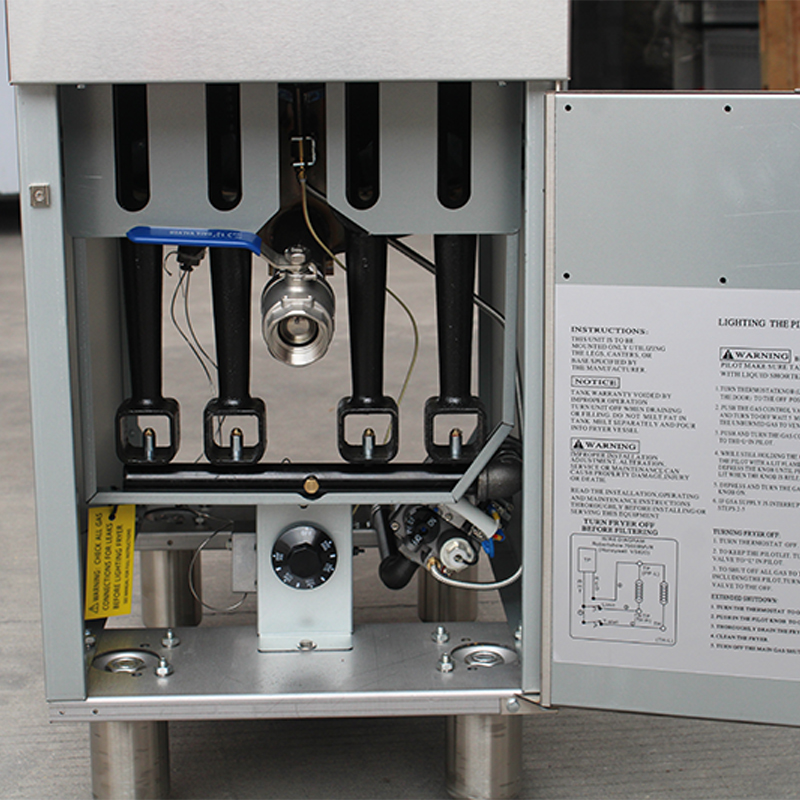
Is Your Gas Deep Fryer Killing Your Profit?
I have seen a gas deep fryer drain profit in ways that are easy to miss.
The menu stays the same. The tickets keep coming in. The fryer still looks busy and useful. Yet the margin slips away through high gas use, unstable heat, wasted oil, slow service, and food that leaves the basket uneven. I do not look at a fryer as a cooking box alone. I look at it as a cost center that can help or hurt the kitchen every day.
When I talk with restaurant owners, I usually find the same pain points.
The fryer burns more gas than it should.
The oil breaks down too fast.
The food comes out too dark, too pale, or too greasy.
Staff spends extra effort trying to keep the unit stable.
Small problems add up. A few extra cents here. More oil there. A batch of wings that goes out wrong. A guest complaint. A remake. That is how profit leaks away.
A gas deep fryer can hurt your bottom line when it is not matched to the job.
If the burner is weak, recovery slows and food quality drops.
If the fryer is too small, staff overloads the baskets and the oil cools fast.
If the oil is not filtered well, flavor suffers and the oil life gets shorter.
If the unit is hard to clean, residue builds up and the fryer works harder than needed.
I like to look at the issue in a simple way.
The fryer should heat fast.
It should hold the set temperature without wild swings.
It should cook a full load without turning the food soggy.
It should be easy for the team to clean and manage.
When one of these parts fails, cost rises.
Here is the checklist I use when I help a kitchen review fryer performance.
- Watch the flame and heat recovery
A strong, steady flame matters. If the fryer takes too long to bounce back after a basket load, the kitchen loses speed and food quality suffers. I tell owners to test this during a normal rush, not during a quiet hour.
- Track oil life
Oil that breaks down early is a silent expense. Dark oil, foaming, odd smells, and fast flavor transfer are all warning signs. Good filtering habits can stretch oil use, while poor handling cuts it short.
- Match basket size to order volume
A fryer that is too small for the demand creates congestion. Staff tries to push more product into each batch, and the result is uneven cooking. I would rather see a right-sized fryer with steady output than a small unit struggling every rush.
- Keep the unit clean
Grease around the burners, crumbs in the tank, and buildup on the exterior all hurt performance. Clean equipment works better and usually lasts longer. I have seen kitchens save money just by building a stricter cleaning routine.
- Train staff on loading and temperature control
People often blame the fryer when the real issue is loading behavior. Too much product at once drops the oil temperature. Cold product, wet breading, and rushed basket handling all create waste. Training fixes a lot of that.
A small example makes this easier to see.
I once looked at a chicken shop that was spending more on oil than the owner expected. The fryer was still running, but the oil kept breaking down early. The staff overloaded the baskets, the filter routine was loose, and the burner needed service. After the team changed the loading pattern, tightened cleaning habits, and repaired the burner, the kitchen got a steadier fry and used less oil. The food looked better too. Nothing fancy changed. The process got cleaner.
That is the part many owners miss.
Profit does not disappear in one big moment. It slips out through a series of small choices.
I always tell owners to treat the fryer like a working asset, not just a box in the kitchen. A gas deep fryer that heats well, stays clean, and fits the menu can support margin instead of hurting it. A weak or neglected unit does the opposite.
If your fryer is driving up cost, start with the basics: heat, oil, load size, cleaning, and staff habits. Those five areas usually reveal the problem fast.
I have found that the best kitchens do not just cook faster. They waste less, they stay cleaner, and they keep control of the numbers behind the food.
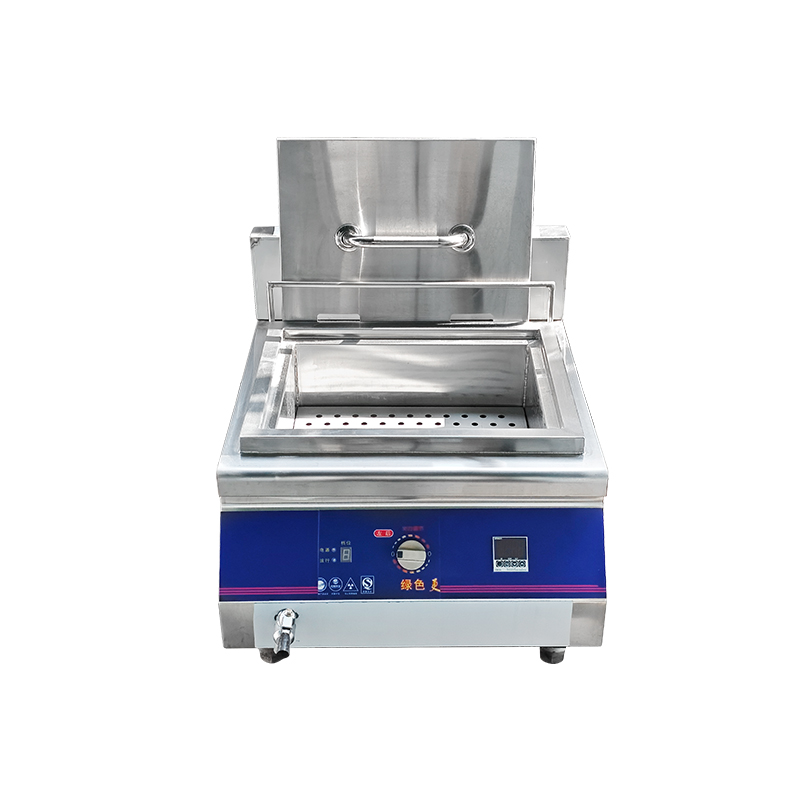
Stop Losing Margin to Fryer Waste
I see the same problem in many kitchens: fryer waste quietly eats margin.
The loss does not always show up on one clean line in a report. It hides in extra oil changes, burnt oil, slow service, poor portion control, and food that leaves the fryer with more grease than value. A shop can sell a lot and still feel pressure on profit. I have seen this in busy fried chicken shops, fish and chips counters, and casual dining kitchens. The tickets were moving, yet the numbers still felt tight.
When I look at fryer waste, I do not see one single issue. I see a chain of small habits.
Oil gets replaced too early.
Oil stays in use after it has lost its quality.
Baskets are overloaded.
Food particles stay in the oil too long.
Staff handle the fryer in different ways from shift to shift.
Each small mistake adds cost. Each small fix protects margin.
I like to start with the oil itself.
Oil quality should be checked with a clear routine. A dark color is not the only sign. I look at smell, foam, smoke, and taste. If the oil smells sharp or the food starts tasting heavy, the kitchen is already losing ground. I have watched teams keep using oil just to avoid a change, then throw away batches of food that tasted stale. That choice costs more than a planned oil change.
Temperature matters too.
When oil runs too hot, it breaks down faster. When oil runs too cool, food absorbs more oil and comes out greasy. I have seen staff crank the heat up to speed service, then wonder why the product looks dark on the outside and soft inside. A steady temperature gives better texture and helps the oil last longer.
Basket loading matters just as much.
When a basket is packed too full, the temperature drops fast. Food sticks together. Pieces cook unevenly. Oil clings to the product. The result is extra waste and lower quality. I prefer smaller batches that keep the fryer stable. The line may feel slower for a moment, yet the kitchen gains better output and less loss.
Training also shapes waste.
A fryer is simple to use, but it is easy to misuse. One cook may shake off crumbs before loading. Another may skip that step. One shift may filter oil at the right moment. Another may wait until the oil is already tired. I have found that a short written routine helps more than a long speech. Staff need clear steps they can repeat without guessing.
I use a basic routine like this:
Check oil condition at the start of service.
Skim crumbs often.
Keep the fryer at the right temperature.
Load baskets without crowding.
Filter on a fixed schedule.
Record oil use and food waste together.
That last point helps a lot.
Many kitchens track food waste and oil use in separate places. I like to connect them. If oil use rises and food waste rises too, the kitchen has a pattern worth fixing. If one shift uses more oil than another, the issue may be training, timing, or equipment care. Numbers make the problem easier to see.
Equipment care can save money as well.
A fryer with dirty elements, poor calibration, or weak filtration will use more oil than it should. I once worked with a small chicken shop that kept blaming “bad oil” for poor results. The real issue was a fryer that had not been cleaned well in weeks. After a proper clean and a better filter routine, the oil held up longer and the food came out more even. The shop did not change the menu. It changed the habit.
Menu design can also reduce waste.
Some items create more crumbs, more oil loss, or more inconsistency than others. If a menu has too many fried items with different cook times, the kitchen feels pressure on every rush. I prefer a menu that fits the fryer instead of forcing the fryer to carry the menu. A smaller set of fried items can make the whole line easier to run.
I also pay attention to service flow.
Long waits between batches waste heat and time. Rushes with poor prep waste product and oil. A kitchen that stages food well, keeps breading areas clean, and separates raw and cooked items usually protects margin better. This is not about fancy systems. It is about steady habits that hold up on a busy night.
Here is the point I keep coming back to: fryer waste is not only an oil problem. It is a discipline problem.
If I want better margin, I need better control.
I need the right temperature.
I need the right batch size.
I need staff who follow the same steps.
I need a clean fryer and a clear record.
I need to treat oil like a cost that can be managed, not a line item I only notice after profit drops.
When I help a kitchen fix fryer waste, I do not look for one dramatic change. I look for five small ones. That is where the margin comes back.
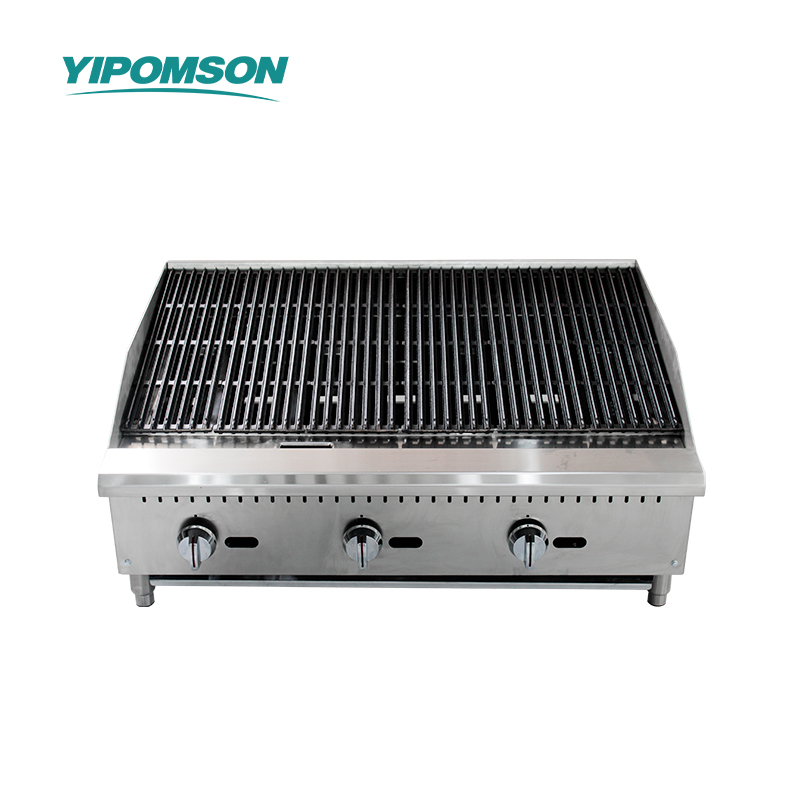
Smarter Frying, Bigger Profits
I see the same problem in many kitchens.
Frying looks simple from the outside, yet small mistakes eat into margin fast. Oil gets replaced too early. Oil gets pushed too far. Portions drift. Heat rises and falls. The food still leaves the fryer, but the result changes from batch to batch.
My view is simple: smarter frying starts with control.
I do not look at frying as only a cooking step. I look at it as part of the cost structure. Every extra splash of oil, every uneven batch, every rushed load adds pressure to the bottom line. Guests may not say it out loud, but they notice when the fries feel soft, the chicken comes out uneven, or the snack tastes heavy.
A small fried chicken shop I visited gave me a clear example.
The owner worked hard every day. The fryer stayed busy. Orders kept coming. Yet the kitchen still felt stretched, and food cost stayed higher than expected. The issue was not demand. The issue was process. Oil temperature changed too often, baskets were loaded without a set standard, and the staff guessed when the oil should be changed.
She started with a few simple steps.
- She checked fryer temperature at set points during service
- She used the same batch size for each item
- She filtered oil on a steady schedule
- She trained staff to watch color, texture, and cook time
- She kept a short daily note on waste, oil use, and product quality
The change was not dramatic in one day. The kitchen felt calmer. Batches looked more even. Staff stopped guessing so much. That shift helped her protect product quality and gave her more control over food cost.
This is the part I care about most.
Smarter frying is not only about the fryer itself. It is about the habits around it.
I focus on four areas:
Temperature control
I keep an eye on heat because unstable oil leads to uneven results. Food can look done on the outside and still feel wrong inside. A steady setting gives the kitchen a better base.
Batch size
I do not overload the basket. A full basket can slow recovery and change the final texture. A smaller, well-managed batch often gives a cleaner result and a more repeatable one.
Oil care
I treat oil like a working asset. Crumbs, food bits, and long use change the taste and appearance of fried food. Simple filtering and regular checks help extend useful oil life without pushing it too far.
Staff habits
I like clear steps. The team should know how much to load, how long to fry, what color to expect, and when to stop. When the process is easy to follow, errors drop.
My own opinion is that many kitchens lose money in quiet ways.
Not through one large mistake. Through many small ones.
A little too much oil here. A little too much waste there. A few uneven batches during a busy rush. A few guesswork decisions from new staff. Each one seems minor. Taken together, they shape the result.
I also think good frying supports sales in a direct way.
When food looks even and tastes consistent, guests feel safer ordering again. When the texture stays steady, staff spend less time remaking items. When the kitchen knows its process, service feels smoother. That is where smarter frying starts to support stronger profit control.
If I were building a cleaner frying routine today, I would keep it this way:
- Set one standard for heat
- Use one standard for portion size
- Keep one routine for oil care
- Train every team member on the same steps
- Review the results each day
That is a simple system, and that is the point.
I do not need a long list of big promises. I need a fryer process that helps me protect quality, reduce waste, and keep the kitchen steady. Smarter frying gives me that path. Bigger profit does not come from hype. It comes from fewer mistakes, cleaner habits, and better control day after day.
We welcome your inquiries: caroline@yipomson.com/WhatsApp +8613360672196.
References
Michael R. Turner 2021 Gas Fryer Performance and Energy Use in Commercial Kitchens
Sarah L. Bennett 2020 Managing Oil Quality and Food Texture in Fast Service Restaurants
David P. Collins 2019 Reducing Fryer Waste Through Staff Training and Batch Control
Emily J. Carter 2022 Temperature Stability and Profit Protection in Fried Food Operations
Robert A. Mitchell 2023 Cleaning Practices That Extend Fryer Life and Improve Output
Laura N. Evans 2018 Cost Control Strategies for High Volume Frying Equipment