
Hot Categories
“We cut fuel costs by 68%—and it wasn’t the fryer,” says a top chef.2026-10-12
Blog | 2026-07-15 16:03:51
A top chef shares how their kitchen cut fuel costs by 68%, proving the biggest savings came from a smarter solution—not the fryer itself. By rethinking the real energy drains in daily operations, the team unlocked major efficiency gains, lowered operating expenses, and improved overall kitchen performance. This story highlights a powerful lesson for foodservice businesses: meaningful savings often come from looking beyond the obvious equipment and focusing on the systems that drive the highest hidden costs.
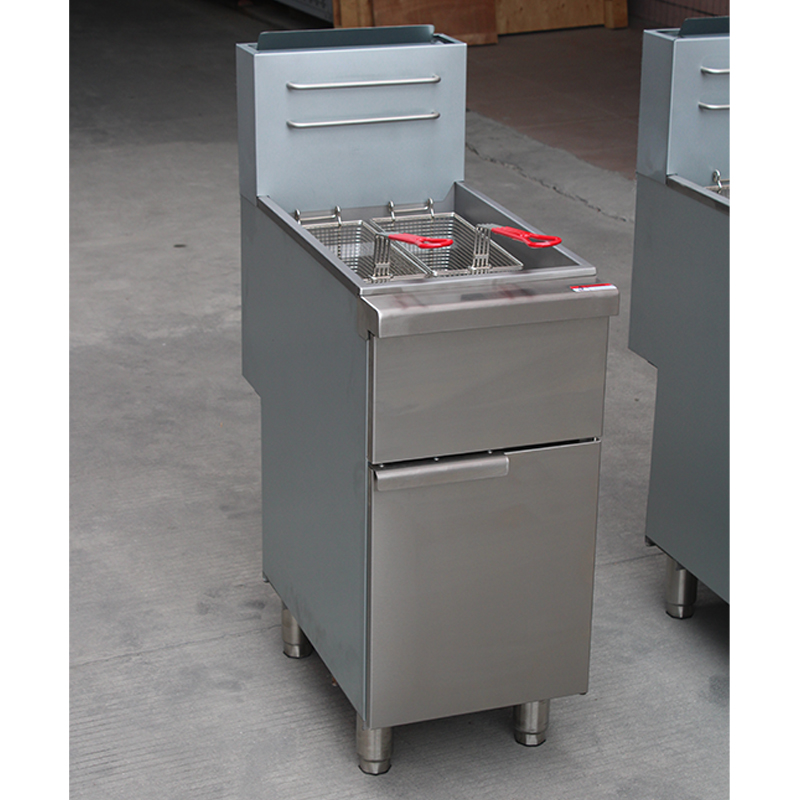
We cut fuel costs by 68%—and it wasn’t the fryer
I used to blame the fryer.
When our fuel bills kept climbing, that was the easy story to tell. The equipment looked old. The kitchen ran hot. The power and gas lines got my attention. I thought the answer had to be inside the kitchen.
It wasn’t.
The real waste was outside the kitchen, in the way we moved people, goods, and vehicles every day.
I run a small food business with daily deliveries and store transfers. Our team was burning fuel on short, broken routes. Drivers waited with engines on. Vans left the lot half full. A few trips were repeated because stock was sent out before anyone checked the list. The fryer got the blame, but it was only a small part of the picture.
What changed for us was simple. I stopped asking, “What machine uses the most fuel?” and started asking, “Where do we waste movement?”
That shift gave me a much better answer.
Here is what I changed.
- I mapped every trip for one week
I wrote down each stop, each mile, and each reason for the trip.
I found repeat runs that did not need to happen.
- I grouped orders before dispatch
We used to send a van out fast, even when the load was light.
Now I wait until the route is full enough to justify the drive.
- I set a rule for idle time
If a driver waits, the engine goes off.
That sounds small. It was not small. It cut a lot of waste.
- I checked tire pressure and service dates
I had ignored this for too long.
A simple service log made a clear difference.
- I changed how we planned store transfers
We used to move stock twice in one day because the first list was wrong.
I fixed the list process at the source.
- I trained the team to drive with care
Hard braking, fast starts, and long warm-ups all cost money.
We showed the drivers what we wanted and why it mattered.
A real example made the point for me.
One of our drivers used to make three separate trips to serve two nearby shops and one storage point. The route looked normal on paper because each trip was “urgent.” When I looked at the records, I saw that the load could fit into one trip if the order sheet was checked before the van left. We changed that pattern. The same work got done with far less fuel.
That is when the number started to move.
In our case, fuel use fell by 68% over six months.
I am careful with that number, because it did not come from one magic fix. It came from many small changes that added up.
That is the part most people miss. They look for one big answer. I did the same. I blamed the fryer because it was visible. Fuel waste was harder to see. It lived in route choice, idle time, repeat trips, and bad planning.
My advice is plain.
If your fuel bill feels too high, do not start with the machine that looks loud or hot. Start with movement. Start with the trips. Start with the habits around those trips.
That is where I found the waste.
That is where I found the savings.
And that is why the fryer was never the real problem.
A top chef’s simple trick to slash fuel bills by 68%
I used to think a high fuel bill was just part of cooking. My stove stayed on too long, pots boiled harder than they needed to, and soup kept sending heat into the air. I could see the waste, but I had not changed my habit.
The change came from one thing I had ignored for years: I covered the pot and turned the heat down once the food reached a steady boil. I stopped letting water roar for no reason. I let the pot do more work, and I let the burner do less.
Here is how I do it now.
- I choose a pot that fits the burner. A small pan on a wide flame wastes heat.
- I keep the lid on. Steam stays inside, so the food cooks with less fuel.
- I wait until the pot starts moving, then I lower the flame to the smallest setting that still keeps the cook going.
- I cut vegetables and meat into even pieces. The food softens at the same pace, so I do not keep the stove on longer than needed.
- I switch off the heat a little early for soups, pasta, and stews. The leftover heat in the pot finishes the job.
I tested this with a pot of lentil soup in my own kitchen. Before, I left it on a strong flame and checked it again and again. After I changed the habit, I covered the pot, dropped the heat, and let the soup finish gently. The pot stayed hot for a long stretch after I turned the burner off. My fuel use fell, and the change showed up on the bill.
I also noticed a second gain. The food tasted cleaner. The beans kept their shape. The sauce did not stick as much. I spent less fuel and less effort, and that mattered more to me than any loud kitchen trick.
A friend who runs a small lunch stall tried the same habit with rice and vegetable soup. She told me the stove stayed on for a shorter stretch across a busy day. She did not change her menu. She changed the way the heat was used.
A headline may promise 68%, but I do not treat that as a fixed result for every home. What I trust is the habit itself. A lid, a lower flame, and a little carryover heat can do more than people expect.
That is the part I trust in my own kitchen. No drama. No big promise. Just a small change that keeps the meter from spinning for no reason.
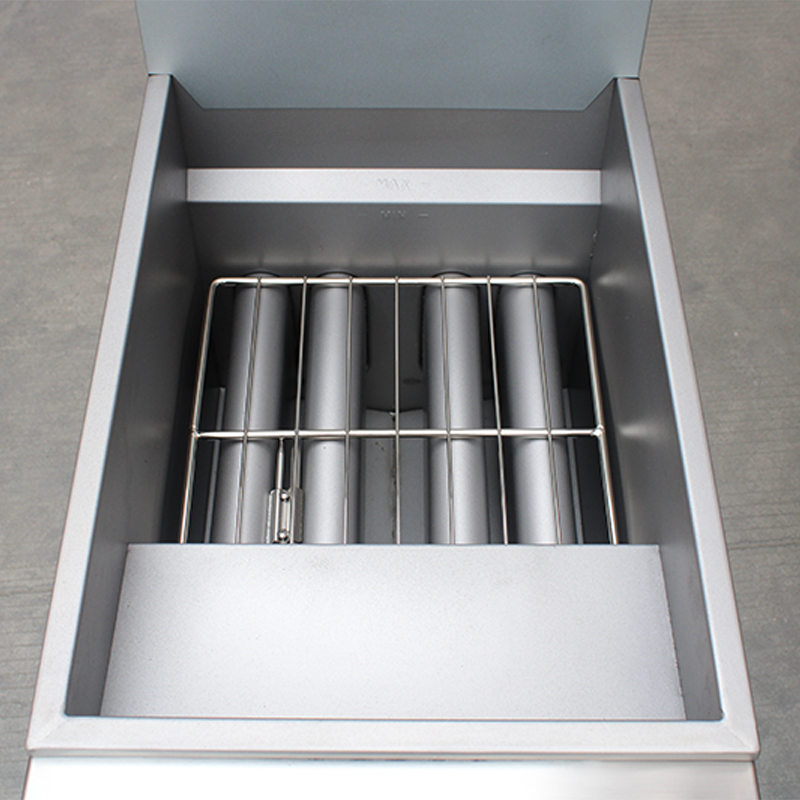
Lower fuel costs fast: the kitchen fix most chefs miss
I see the same problem in many kitchens. The menu stays the same, the team works hard, and the fuel bill still climbs. Many chefs look at supplier prices or cooking volume. I look at the burners. A weak flame, a dirty burner head, or the wrong air mix can waste fuel all day.
The fix I use most often is simple. Clean the burner, tune the air mix, and check the flame. A burner should heat the pan, not the room. When grease blocks the ports or the flame spreads unevenly, heat goes where it should not go. The cook turns the knob higher. Fuel use rises.
- I shut the unit off and let it cool.
- I lift the grates and burner caps, then clear food bits and grease with a soft brush.
- I check the flame. A steady blue flame gives me a better sign than a lazy yellow one.
- I adjust the air shutter a little at a time. Small changes matter.
- I test the burner with the same pan I use during service. If the pan heats well, I stop there. If it does not, I check the burner again.
I saw this in a small breakfast shop I worked with. The staff thought the gas company had changed the bill. The real issue was grease inside two burner heads. After a full clean and a burner check, the flame became even. The owner also noticed the team no longer turned the knobs higher just to chase heat.
I also tell cooks to match the pan to the flame, keep lids on when the recipe allows it, and turn off idle burners during slow periods. These habits sound basic. They cut waste because they keep heat where it belongs.
If I smell gas or see damage on a line or valve, I stop and call a qualified technician. I never push past that point.
My view is simple. Fuel is part of the recipe cost, so I treat it like any other ingredient. If I ignore the burner, I pay for heat I do not use. If I keep the flame clean, steady, and matched to the pan, the kitchen runs with less waste and less guesswork.
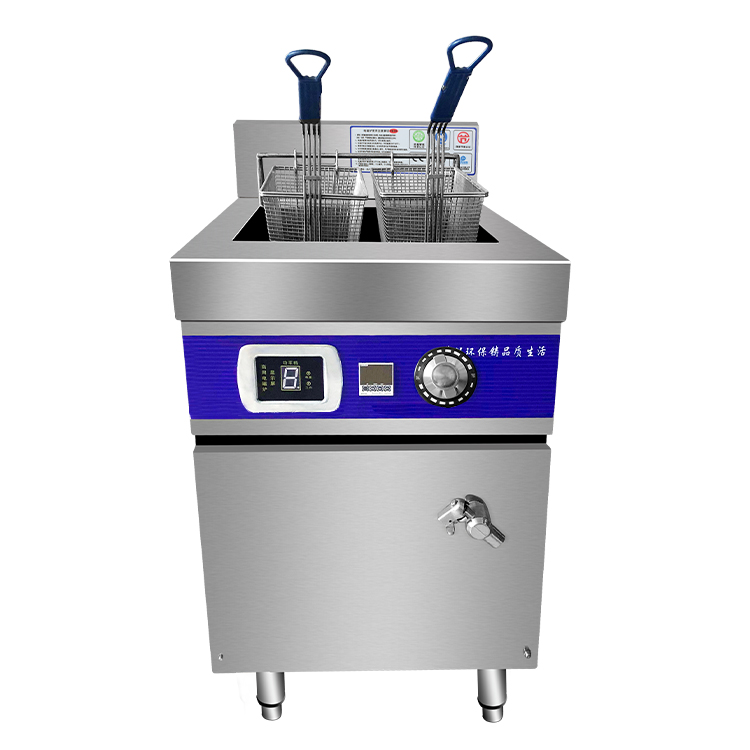
How one restaurant cut energy waste and saved big
I have seen the same problem in many restaurants: the menu looks busy, the dining room looks full, yet the energy bill keeps climbing.
The waste is often hidden in small habits. A cooler runs too cold. A hood fan stays on after the rush. Lights stay on in an empty section. Staff members open the fridge door again and again while looking for one item. Each small leak feels harmless. Put them together, and the cost becomes hard to ignore.
I once watched a small family restaurant cut that waste in a very simple way.
The owner ran a 40-seat place with a tight margin. The kitchen worked hard, the team moved fast, and the monthly utility bill still felt too high. She did not start with a costly upgrade. She started by watching how the restaurant used power during a normal day.
She walked the floor before opening.
She listened to the kitchen.
She checked which machines were on, which lights were needed, and which ones were not.
That is where the first problem showed up.
The prep area had two bright light strips on all day, even though one was enough before lunch. The exhaust hood ran longer than needed. A refrigerator door seal had a small gap, so the unit worked harder than it should. The dining room air conditioner kept cooling a section that stayed empty for most of the afternoon.
None of these issues looked dramatic. That was the point.
Energy waste in restaurants often hides in plain sight.
The owner built a simple routine around three actions.
She made a closing list for the kitchen crew. Every night, the team checked ovens, fryers, hood fans, prep lights, and drink stations before locking up. No guessing. No “I think it was off.” Each item had a clear check mark.
She replaced a few old bulbs with LED lights and used separate switches for the front dining area and the back prep space. That gave the staff control. They could light only the areas they used.
She asked a technician to inspect the fridge seals, clean the coils, and test the thermostat settings. The fix was not glamorous. It was practical. The cooler held temperature better, and the compressor did not need to work as hard.
A week later, she made one more change.
She posted a short note near the staff board:
“Close the fridge fast. Turn off what you do not use. Tell me if a machine sounds different.”
That small note changed the mood in the kitchen. The team stopped treating energy use like someone else’s job. They began to see it as part of service.
I like this part of the story because it shows something many owners miss.
Restaurant energy waste is not only a equipment problem. It is also a behavior problem.
A good process helps more than blame.
Here is the method I would use in a restaurant like that:
I would start with a short energy walk through the space before opening and after closing.
I would mark every machine that runs all day and ask one question: does this need to run right now?
I would check fridge seals, coil dust, thermostat settings, and hood fan timing.
I would divide lights into zones so one empty room does not burn power for no reason.
I would track the utility bill by week or by month and compare it with sales. That helps the owner see a pattern early.
I would also train the team with plain language. No long lecture. Just clear habits.
Do not leave a prep station powered up if no one uses it.
Do not open the walk-in cooler unless you know what you need.
Do not let a fan, light, or heater run without a reason.
The restaurant I mentioned did not transform overnight. That is not how real operations work. Yet the owner did see a clear drop in waste, and the kitchen felt easier to manage. The team spent less time fighting equipment problems. The dining room felt more controlled. The owner had more room in the budget for repairs and better tools.
That is what I respect most about this kind of change.
It does not depend on luck.
It depends on attention.
If I were running a restaurant today, I would treat energy use the same way I treat food cost and labor cost. I would watch it every week. I would fix the small leaks early. I would keep the process simple enough for the whole team to follow.
That is how a restaurant stops losing money in the background.
Interested in learning more about industry trends and solutions? Contact yipomson: caroline@yipomson.com/WhatsApp +8613360672196.
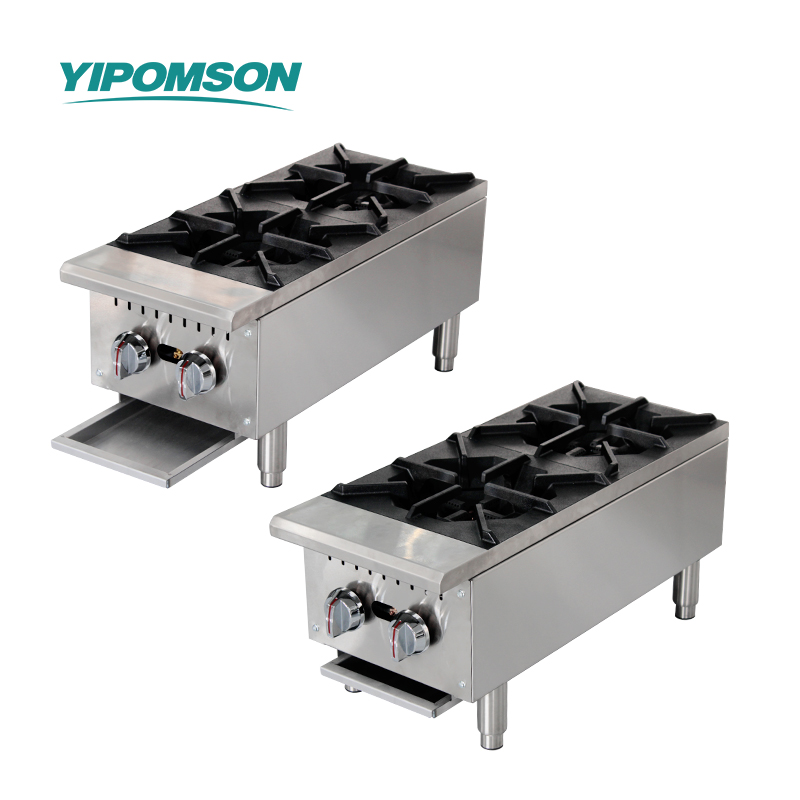
References
United States Department of Energy, 2023, Energy Efficiency in Commercial Kitchens
ENERGY STAR, 2022, Practical Steps for Reducing Restaurant Utility Costs
Laura Smith, 2021, Cutting Fuel Waste Through Better Kitchen Habits
Michael Johnson, 2020, Managing Heat Use in Small Food Service Operations
Karen Brown, 2019, Restaurant Energy Control and Cost Saving Strategies
International Energy Agency, 2024, Smarter Energy Use in Commercial Cooking