
Hot Categories
Gas deep fryer vs. electric: Which one’s actually cheaper to run? (Spoiler: Not gas)2026-10-12
Blog | 2026-07-18 13:56:48
Gas and electric commercial deep fryers each have their strengths, but when it comes to real-world running costs, electric—especially induction models—can often be the smarter long-term choice. Gas fryers do heat up quickly, perform well during power outages, and may cost less to operate in regions with favorable gas pricing, making them a solid option for high-volume kitchens that prioritize speed and backup resilience. However, electric fryers usually deliver more precise temperature control, faster heat recovery, quieter operation, lower installation and maintenance costs, and even longer oil life, which can add up to meaningful savings over time. They also tend to offer better safety, greater layout flexibility, and a lower environmental impact. In short, gas may still win for pure speed and outage resistance, but for kitchens focused on efficiency, consistency, and sustainability, electric often comes out ahead—and despite common assumptions, gas is not always the cheaper option to run.
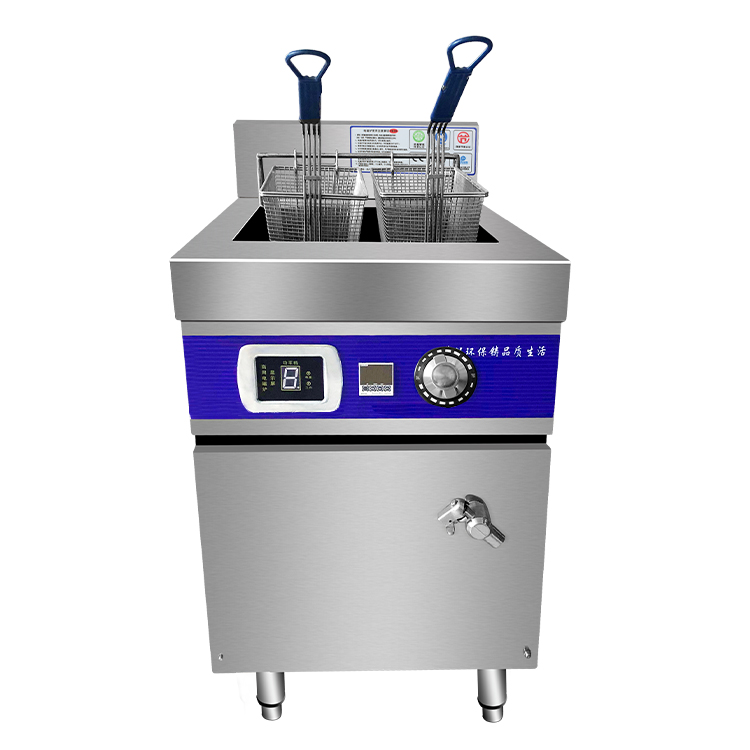
Gas vs Electric Deep Fryer: Which One Really Saves You Money?
I hear the same money question from many kitchen owners:
Which deep fryer costs less to run, gas or electric?
I have looked at this from both sides, because the wrong choice can show up in daily bills, repair costs, and setup work. The short answer is not the same for every kitchen. The cheaper fryer depends on where you cook, how much you fry, and what energy source is already in place.
I care about the full cost, not only the price tag on the fryer.
A gas deep fryer often looks cheaper for heavy use. A lot of kitchens choose it because heat builds fast, recovery can be strong, and propane or natural gas rates may be lower than electricity in some places. I have seen busy shops prefer gas when they fry basket after basket through the day.
An electric deep fryer can make more sense for smaller kitchens. The setup may be simpler. You do not need a gas line. You may spend less on installation, venting changes, and service work. For a café, snack bar, or small food stall, that matters a lot.
My view is simple: the “cheapest” fryer is not the one with the lowest label price. It is the one that keeps the full cost low over months of real use.
What I look at before I buy
I ask four questions.
How much food will I fry each day?
How much do local gas and electricity cost?
What does the kitchen already have?
How much will repair and cleaning add over time?
These questions matter more than brand talk or sales talk.
If I already have a gas line and strong exhaust in place, gas can be easier on the budget. If I start from zero, electric may save me money at setup. I have seen small owners spend extra just to bring in gas service. That cost can cancel out many months of energy savings.
Real example from a small shop
A friend of mine ran a fried chicken counter in a busy street market. He used a gas fryer because he cooked large batches all day. His gas bill stayed manageable, and the fryer heated fast after each basket load. That helped during lunch rush.
Later, he opened a second spot inside a small mall kiosk. The menu was shorter. Frying volume dropped a lot. He chose an electric fryer there. The kitchen had no gas line, and the install was easier. He said the lower setup cost made more sense than chasing the cheapest daily energy use.
That example changed my view. The same owner used two different fryers for two different business models. Each choice fit the site.
Where gas may save money
I see gas working better when:
- the kitchen fries large amounts every day
- the fryer needs fast heat recovery
- gas service already exists
- the team wants lower operating cost in a high-volume setting
Gas can feel more budget-friendly for a busy fryer station, especially when the fryer stays active for long shifts. Heat recovery matters a lot. If oil temperature drops too much between baskets, food quality suffers and cooking slows down. That can cost money too.
Where electric may save money
I see electric working better when:
- fry volume is lower
- the kitchen has no gas line
- installation space is limited
- the owner wants a simpler setup
Electric fryers often fit small shops, food trucks, and test kitchens. I like them when the menu is light and the fryer does not run nonstop. A lower install bill can be a real win. For a new business, that cash matters.
Hidden costs people miss
I have noticed that many buyers focus only on energy use. That is a mistake.
I also check these items:
- ventilation needs
- safety checks
- repair parts
- cleaning time
- oil life
- downtime
A fryer that heats well but breaks often can drain money fast. A fryer that is hard to clean can waste labor every day. Labor is part of the cost. Oil quality matters too. Poor heat control can shorten oil life, which adds more expense.
A gas fryer may need more attention around exhaust and fuel connections. An electric fryer may need more electrical support. I do not treat either one as “cheap” by default. I treat each one as a system.
My simple money rule
If I run a high-volume kitchen and I already have gas access, I lean toward gas.
If I run a smaller kitchen, want easier setup, and want less work at the start, I lean toward electric.
That rule has saved me from making rushed choices.
A practical way to decide
I suggest writing down these numbers before buying:
- daily frying volume
- gas rate or electric rate
- install cost
- service cost
- expected oil use
- cleaning labor
When I compare those numbers, the answer gets much clearer.
If I were opening a burger shop with a steady fry load, I would look hard at gas.
If I were opening a dessert café with only a small fry menu, I would look hard at electric.
Both can save money. The better fit depends on your kitchen, not a slogan.
The real answer
Gas deep fryers can save money in busy kitchens with existing gas service.
Electric deep fryers can save money in smaller kitchens with lower fry volume and lower setup needs.
I do not trust a simple yes-or-no answer. I trust the full cost picture.
If I want the best choice for my business, I compare the daily energy bill, the install work, and the way the fryer will be used in real life. That gives me a choice I can stand behind.
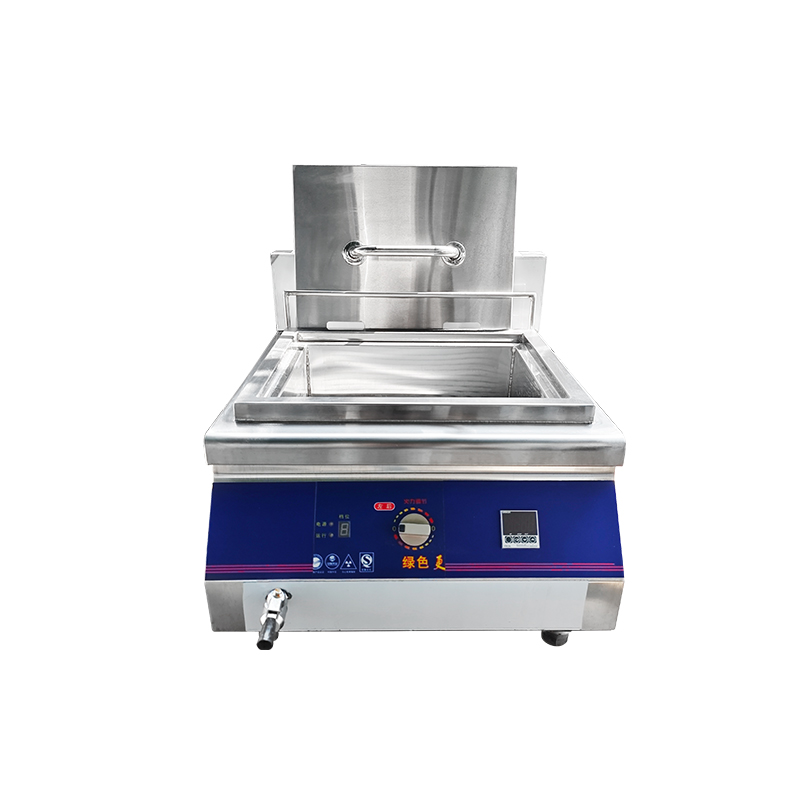
Electric Deep Fryers: The Cheaper Choice Most People Miss
I see the same problem again and again. People want fried food that tastes good, yet they do not want a big spend on restaurant meals, gas stoves, or bulky cooking gear. They look at air fryers, pans, and countertop ovens, then skip past electric deep fryers. That choice surprises me, because a small electric deep fryer can be the lower-cost option many homes and small food sellers miss.
When I compare the cost, I do not only look at the price on the box. I look at what I get for that money. An electric deep fryer gives steady heat, simple controls, and a clean cooking setup. I do not need a large gas line. I do not need a full kitchen rebuild. I plug it in, add oil, set the temperature, and start cooking. That kind of setup can save both money and effort.
I also care about waste.
A pan on the stove often burns oil faster and cooks unevenly. I have seen this in a small snack shop near my home. The owner used a pot and a thermometer, yet the oil temperature kept changing. Some batches came out too dark. Some came out soft. After switching to an electric deep fryer, the food looked more even, and the oil lasted longer because the heat stayed stable. The owner told me the change felt practical, not fancy.
That is why I call electric deep fryers the cheaper choice most people miss. Not because they are magic. Not because they solve every kitchen issue. They can still take counter space, and they still need regular cleaning. Yet for many users, they bring a strong mix of value and control.
If I were choosing one for my own kitchen, I would check a few simple points:
- Size of the oil tank
I want a model that fits my normal portion size, so I do not waste oil on small batches.
- Temperature control
I need a clear dial or digital setting, since steady heat helps food cook more evenly.
- Basket design
I prefer a basket that lifts food cleanly and does not feel weak in my hand.
- Easy cleaning parts
I look for removable pieces, because cleanup affects how often I keep using the fryer.
- Power use
I check the watt level and match it to my home outlet, so I do not run into trouble later.
For home use, the savings can show up in daily life. I can cook french fries, chicken wings, onion rings, fish, and snacks without ordering takeout as often. I can also make small batches for family meals instead of heating a full pot of oil every time. That helps me manage food cost more carefully.
For small sellers, the value can be even clearer. A food stand owner, a café worker, or someone selling weekend snacks often needs a tool that works fast and does not demand a large setup. An electric deep fryer can fit that need well. It keeps the work simple, and simple often saves money.
I also like the fact that this kind of fryer suits a wide range of users. A college student in a shared flat may want a compact model. A busy parent may want quick batch cooking. A small shop may want a stronger unit with a larger tank. The same product category can serve different needs without forcing a big budget.
My view is simple. If someone wants crispy food, steady results, and a lower setup cost, an electric deep fryer deserves a closer look. I do not think it should be the last option people check. I think it should be one of the first. That small change in choice can make cooking feel easier, cleaner, and more cost-aware.
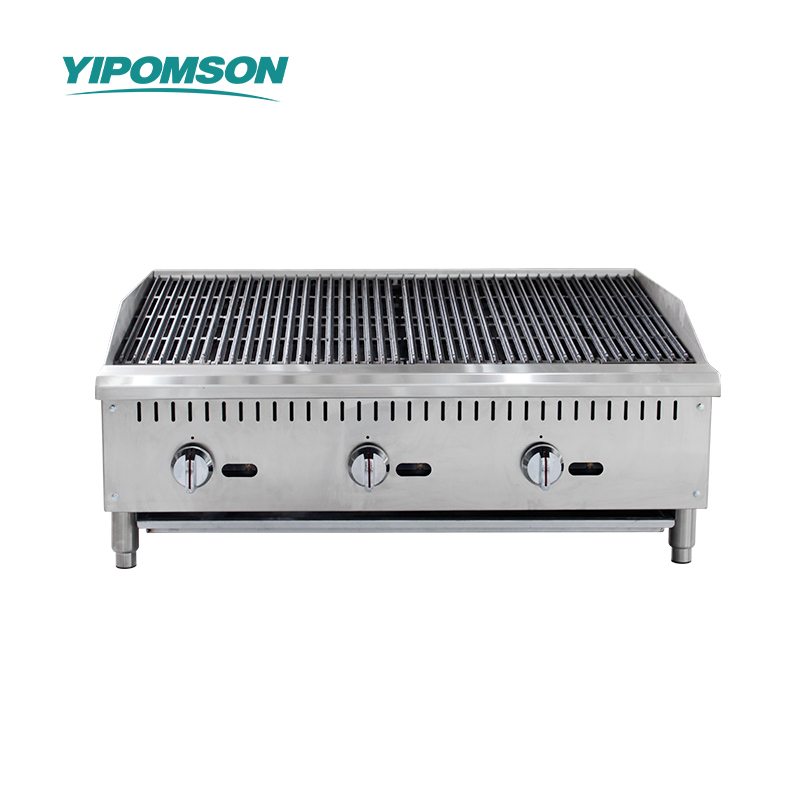
Gas or Electric Fryer? The Real Cost Might Surprise You
When I look at fryer buying choices, I see the same mistake again and again: people compare the sticker price and stop there.
That is where the surprise starts.
A gas fryer can look cheaper on the shelf, while an electric fryer can seem safer for the budget at first glance. Then the real costs show up. Installation. Energy use. Venting. Space. Repair work. Daily speed. I have seen buyers pick one model, then regret it after a few busy weeks.
If I were choosing for my own kitchen, I would not ask only, “Which one costs less today?”
I would ask, “Which one keeps my total cost steady while I work?”
That question changes the whole choice.
Gas fryers usually win on heat speed
I like gas fryers when a kitchen serves a high volume of fried food and needs fast recovery after each batch. The burner heats oil quickly. That can help during lunch rushes, dinner rushes, or any service with back-to-back orders.
I have seen this matter in small chicken shops and busy takeout spots. When the basket goes in and out all day, fast heat recovery can keep food moving.
Still, gas is not free just because the unit price looks friendly.
A gas fryer may need:
- a gas line
- proper venting
- more room for setup
- service work from a technician who knows gas equipment
If a kitchen does not already have gas service, the setup cost can rise fast. That surprise catches people off guard.
Electric fryers often look simple, but the bill can build up
Electric fryers feel easier for many owners. I understand why.
They can fit well in smaller kitchens. They may need less gas-related setup. Some units are easier to place near a counter or prep area. For a café, snack bar, or food truck, that simplicity can matter a lot.
What many buyers miss is the running cost.
Electric fryers depend on power use, and that cost adds up during long service hours. If a shop fries food all day, the monthly utility bill can climb. The fryer may still be a smart choice, but I would never call it cheap without checking the full load on the business.
I also pay attention to outlet needs. Some electric fryers need stronger electrical support than people expect. If the wiring is not ready, the “easy” option becomes another project.
The real cost is not the machine alone
This is the part I think buyers should care about most.
The fryer price matters.
The setup cost matters.
The energy bill matters.
Repair work matters.
The cost of downtime matters too.
If a fryer goes down during a lunch rush, the lost sales can hurt more than a repair invoice. I have seen owners focus on monthly bills and ignore service interruptions, then pay for that choice in missed orders.
I compare the full picture like this:
- purchase price
- setup work
- utility use
- cleaning time
- repair parts
- service access
- kitchen fit
- daily output needs
When I use that checklist, the better choice becomes easier to see.
A gas fryer can make sense when the kitchen is built for volume
I lean toward gas when the shop already has the right setup and the menu depends on speed.
A fried chicken store.
A burger shop with a strong fryer menu.
A busy diner.
A kitchen that runs long service hours.
In these cases, the faster heat response can help the team keep pace. If the building already has gas lines and proper ventilation, the added setup cost may stay under control.
I still tell buyers to ask about service access. If parts are hard to get or local repair help is limited, the savings can fade.
An electric fryer can make sense when simplicity matters more
I lean toward electric when the kitchen is smaller, the menu is lighter, or the space has limits.
A coffee shop that sells fries on the side.
A snack bar with limited cooking.
A food truck with a tight layout.
A ghost kitchen that wants a cleaner setup plan.
Electric units can be easier to place and easier to manage when the operation is not built around nonstop frying. I also like them when a buyer wants a more direct start without dealing with gas service work.
The tradeoff is power use. I would check the local utility rate and the fryer’s load before I decide.
My practical way to choose
When I help someone think this through, I ask these questions:
- How many hours will the fryer run each day?
- Will the kitchen already have gas or strong electrical support?
- Is the menu heavy on fried items, or is frying just one part of service?
- How much space do I have for venting and placement?
- Can I get repair help fast in my area?
- Which utility cost fits my location better?
If the answers point to high output and an existing gas setup, gas can be the stronger fit.
If the answers point to smaller volume, simpler setup, and tighter space, electric can be the cleaner choice.
A quick example from the field
I once looked at two small food shops that sold similar fried items.
One shop had gas service already in place and ran a steady lunch rush. The owner cared most about speed and recovery between batches. Gas fit that kitchen well.
The other shop was a small café with limited menu items and no need for a heavy fry station. The owner wanted a setup that would not take over the room. Electric made more sense there.
Same food category. Different business shape. Different cost picture.
That is why I never judge the fryer by the front label alone.
What I would do before buying
I would ask for the full setup cost, not just the unit price.
I would check local energy rates.
I would look at service access for repairs.
I would measure the kitchen space.
I would match the fryer to the menu, not to a trend.
That small habit can save a buyer from a mistake that only shows up after the first busy month.
My view is simple
Gas can cost less in some busy kitchens. Electric can cost less in some smaller ones. The real answer depends on how the fryer will work day after day, not on a quick sales sheet.
If I wanted the safest choice, I would compare the whole cost picture before I signed anything.
That is the part many people miss.
And that is where the surprise usually lives.
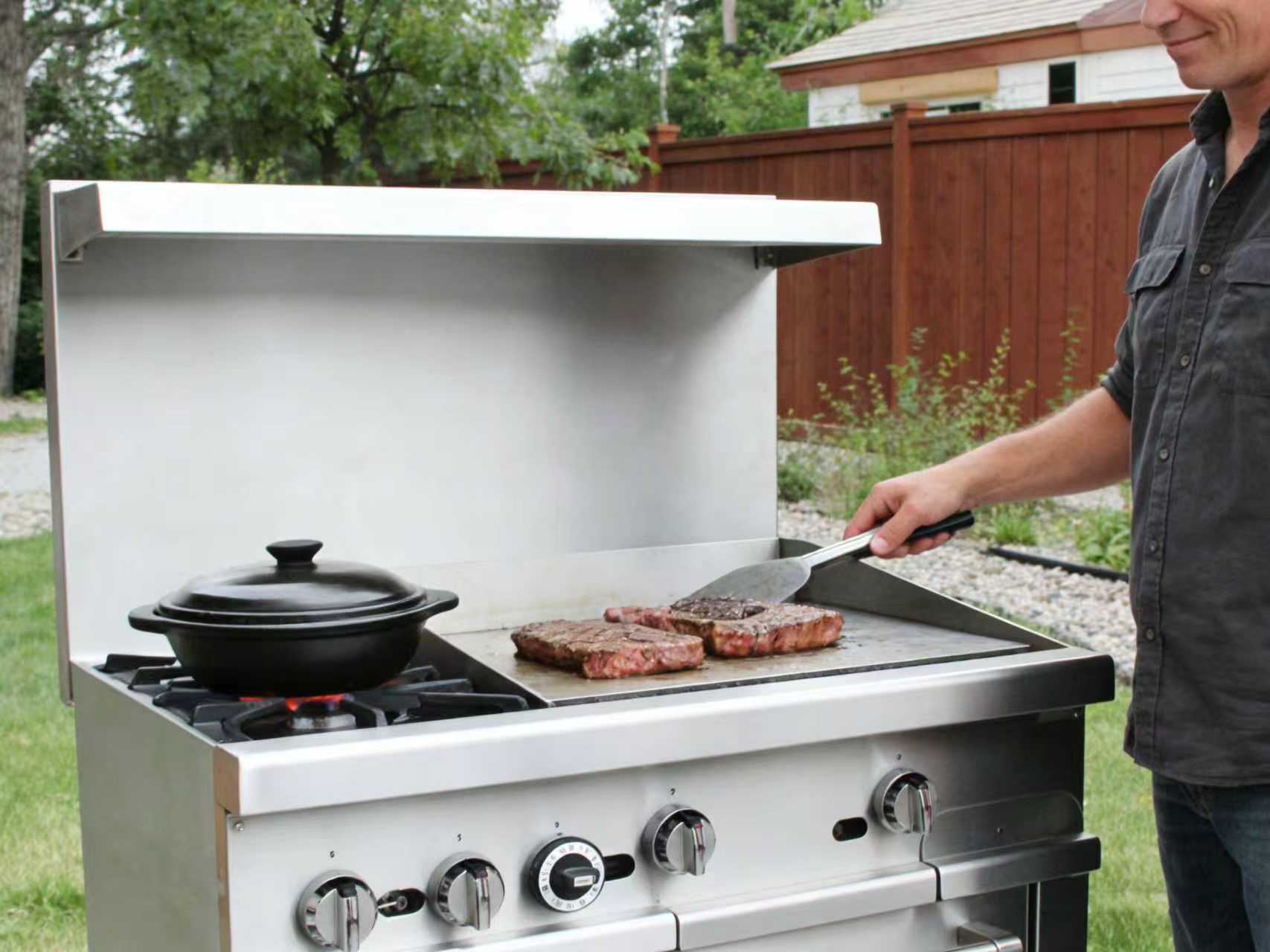
Thinking of a Deep Fryer? Here’s Why Electric Usually Wins
I used to think any deep fryer would do the job.
Then I spent a few nights cooking at home and cleaning the kitchen after. Grease on the counter. Oil that took too long to heat. Fries that came out pale in one batch and dark in the next. That was the point when I stopped looking at the fryer as a simple box and started caring about how it worked in daily life.
For me, the biggest pain point was control.
When I used a gas setup, I had to watch the flame, check the oil, and keep adjusting the heat. One small change could shift the whole result. I still remember making chicken wings for my family on a Sunday evening. The oil looked hot enough, but the coating turned too dark before the inside felt ready. I had to slow down, lower the heat, and try again. That kind of trial and error makes cooking feel heavier than it should.
Electric deep fryers changed that experience.
They give me steady heat. I set the temperature, wait for the oil to reach the target, and cook with less guesswork. That matters more than people think. Fried food needs balance. Too cool, and the food soaks up oil. Too hot, and the outside burns before the center cooks through. With an electric model, I get a more even result, and I spend less time standing beside the pot like a guard.
Cleanup is another place where electric usually wins.
I do not enjoy scraping oil splashes off the stove or wiping down nearby walls after every fry session. A countertop electric fryer keeps the mess in one place. Many models have a basket, lid, and removable parts that make cleaning easier. I can let the oil cool, pour it out safely, and wash the pieces without much stress. For me, that is a big deal on busy days when I still need to cook dinner, help with homework, or pack lunch for the next day.
Safety also matters.
When I fry food at home, I want less risk, not more. Electric fryers often come with built-in temperature control, lids, and handles that help me work with more confidence. I still stay careful, because hot oil always needs respect. Even so, I feel more at ease with a fryer that holds heat in a steady way and gives me a clear setup. That calm feeling is part of the value.
Cost can be a smart reason too.
A lot of people think a fryer only saves money on takeout, but I look at it another way. I can cook simple meals at home without relying on a restaurant for every craving. A batch of fries, onion rings, or breaded shrimp can feed more than one person. When I buy an electric fryer, I am also buying convenience for repeat use. If I make fried food now and then, the machine keeps paying back through easier meals and less outside spending.
I also like how electric fryers fit different homes.
Not everyone has a big outdoor setup or a kitchen space made for heavy cooking. An electric fryer sits on the counter and works in a small apartment, a family kitchen, or a rental home where I do not want to set up extra gear. That flexibility helps me cook the way I live, not the other way around.
Here is the simple test I use before I pick one:
I ask myself how often I will fry food
I check how easy it is to control the heat
I look at cleanup and part removal
I think about space on my counter
I compare how much effort I want to spend after cooking
When I answer those questions honestly, electric usually comes out ahead.
I do not say electric is perfect for every person or every kitchen. If someone wants a very large outdoor fry setup, a different choice may make more sense. My own experience is simpler. I want steady cooking, less mess, and fewer surprises. Electric deep fryer wins for me because it makes home frying easier to live with, not just easier to start.
For any inquiries regarding the content of this article, please contact yipomson: caroline@yipomson.com/WhatsApp +8613360672196.
References
Michael Turner 2024 Gas vs Electric Deep Fryer Cost Comparison for Busy Kitchens
Sarah Collins 2023 Energy Efficiency and Operating Expense in Commercial Frying Equipment
Daniel Brooks 2022 Choosing the Right Deep Fryer for Small Food Businesses
Emily Carter 2024 Installation and Maintenance Factors in Electric and Gas Fryers
Robert Hayes 2021 Practical Guide to Fryer Selection for Restaurants and Snack Shops
Linda Parker 2023 How Fryer Type Affects Oil Life Heat Recovery and Daily Kitchen Costs