
Hot Categories
Is your gas fryer secretly costing you $3,000/year in energy waste?2026-10-12
Blog | 2026-07-20 10:36:19
A gas fryer may be quietly draining your profits by using more energy than you realize, with inefficient models adding thousands of dollars in annual waste. In busy commercial kitchens, gas usage, long operating hours, and poor equipment choices can push costs far higher than expected, but tools like Pitco’s Gas Savings Calculator make it easy to estimate daily and yearly expenses, compare fryer models, and uncover potential savings. Features such as onboard filtration can also improve efficiency by keeping oil cleaner, reducing heat loss, lowering gas consumption, and extending equipment life. Beyond fryer selection, smarter kitchen habits like staff training, sub-metering, and a simple Kitchen Energy Plan can help operators cut waste and control operating costs more effectively.
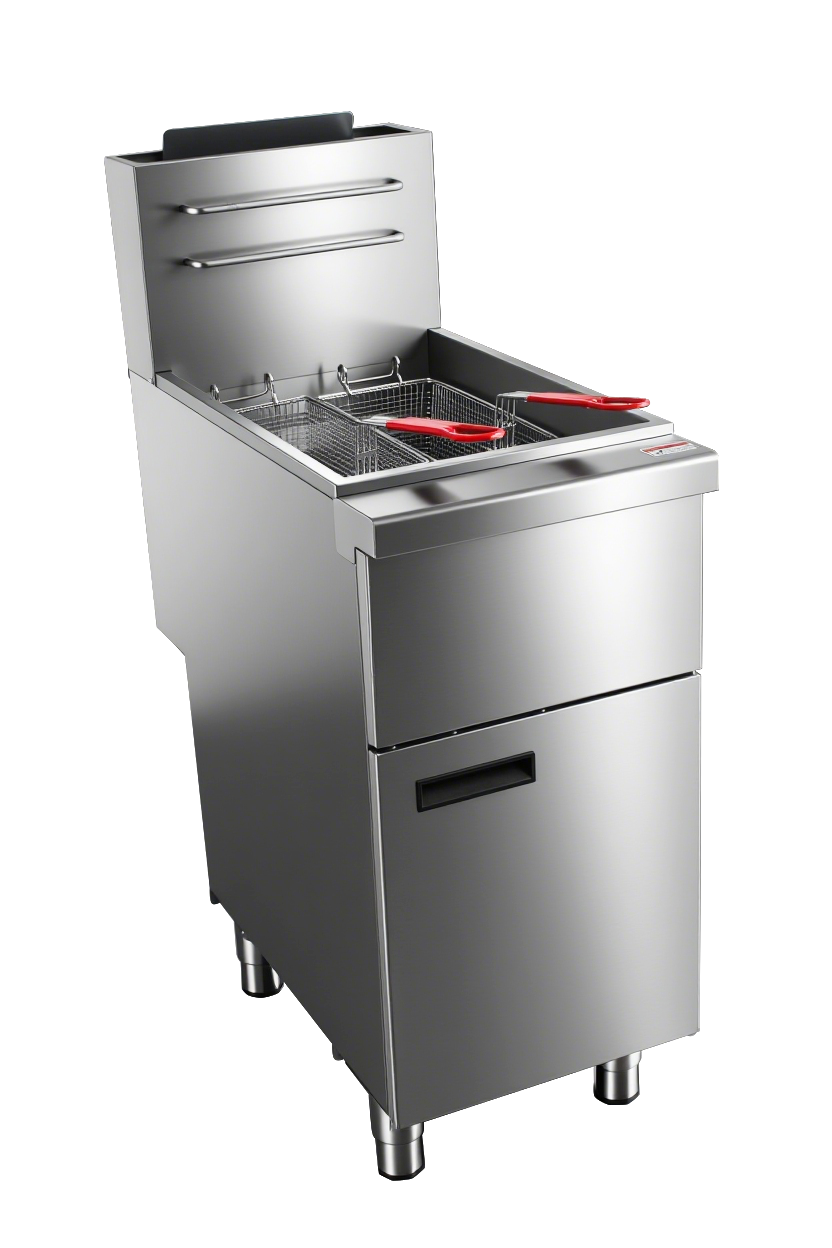
Is Your Gas Fryer Quietly Draining $3,000 a Year?
I used to think a gas fryer was one of those kitchen tools that just did its job in the background. Gas in, heat up, food out. Simple.
Then I looked at the utility bill.
A fryer that looks normal can still waste a lot of gas. It may heat too slowly. It may lose heat through worn parts. It may force my staff to wait longer between batches. That small drag shows up in labor, fuel, and food quality. Across a year, the loss can become hard to ignore.
I do not believe every fryer is leaking money in the same way. Some kitchens run clean and tight. Some do not. What I do believe is this: if my fryer is old, dirty, or not set up well, I might be paying for wasted heat every single day.
I have seen this in a busy chicken shop.
The owner told me his fryer still worked, so he never looked at it closely. The food came out fine, but the gas bill kept rising. When we checked the unit, the burner was dirty, the temperature control was off, and the staff kept the oil level too low. The fryer needed more heat to recover after each basket. That meant more gas, longer waits, and uneven results.
After a simple service, the shop did not become perfect. It did become steadier. Recovery improved. The crew stopped overcooking some batches while waiting for the oil to come back up. The owner still had a gas bill, of course. He just stopped paying for avoidable waste.
I look at fryer cost in three parts.
Gas use.
Heat loss.
Labor loss.
A fryer can waste gas in a few plain ways:
1. Dirty burners
If the flame is weak or uneven, the fryer needs more gas to do the same work.
2. Bad temperature control
If the thermostat reads wrong, the fryer may run hotter than needed or take longer to recover.
3. Heat escaping from the cabinet
Worn insulation, loose panels, and damaged seals let heat leave the unit.
4. Heavy recovery time
When the oil drops too much after each load, the fryer burns more gas to climb back up.
5. Poor daily habits
Low oil levels, too much food at once, and skipped cleaning all add strain.
I do not like vague advice, so I would check these five points first.
Clean the burners and surrounding area.
I mean a real cleaning, not a quick wipe. Grease and crumbs block airflow. That changes the flame and makes the fryer work harder.
Check the flame color.
A healthy flame is usually steady and blue. If the flame looks weak, lazy, or uneven, I would not ignore it.
Watch recovery speed.
After I drop a basket, I want to know how fast the oil returns to cooking heat. If the recovery feels slow, the fryer may be using more gas than it should.
Confirm the oil level.
Too little oil exposes more surface area to heat stress. That can hurt both food and fuel use.
Ask for calibration service.
A thermostat that is off by even a modest amount can change the whole pattern of gas use. A fryer that runs too hot wastes fuel. One that runs too cool can slow the line and hurt output.
My view is simple: the fryer should support the kitchen, not pull quiet money out of it.
If I run a café, a diner, or a fried chicken shop, I would not wait for a breakdown before I looked at the equipment. I would build a short check into the weekly routine. That is where the savings start.
A real example stayed with me. A neighborhood burger place had one fryer that seemed “fine.” The owner said customers never complained, so there was no reason to touch it. Then his maintenance tech found a small gas leak at a connection point and a clogged burner assembly. The fryer still cooked, so the problem stayed hidden. Once repaired, the kitchen used less gas and the staff noticed better heat recovery during lunch rush. No miracle. Just less waste.
That is the part many owners miss.
Waste in a kitchen is not always loud. Sometimes it is a small flame problem. Sometimes it is dirty metal. Sometimes it is a machine that still turns on but does not run well. The bill grows little by little.
If I were trying to control fryer cost, I would keep a short checklist:
- look at flame quality
- clean the burners
- check temperature accuracy
- watch recovery speed
- inspect seals and panels
- keep oil at the right level
- schedule service before the fryer starts slipping
I would also pay attention to staff habits. I have seen good equipment perform badly because the team dumped too much food into the basket at once. I have also seen older fryers run better than new ones because the crew cared for them every day. The machine matters. The routine matters too.
A gas fryer may not be stealing $3,000 a year in every kitchen. Some lose less. Some lose more. The point is not the exact number. The point is that a fryer can cost more than the gas line shows. It can affect speed, labor, food quality, and repair risk at the same time.
If I wanted a kitchen that stayed lean, I would stop treating fryer care as a small task. I would treat it like a bill control habit. That is where the real gain starts.
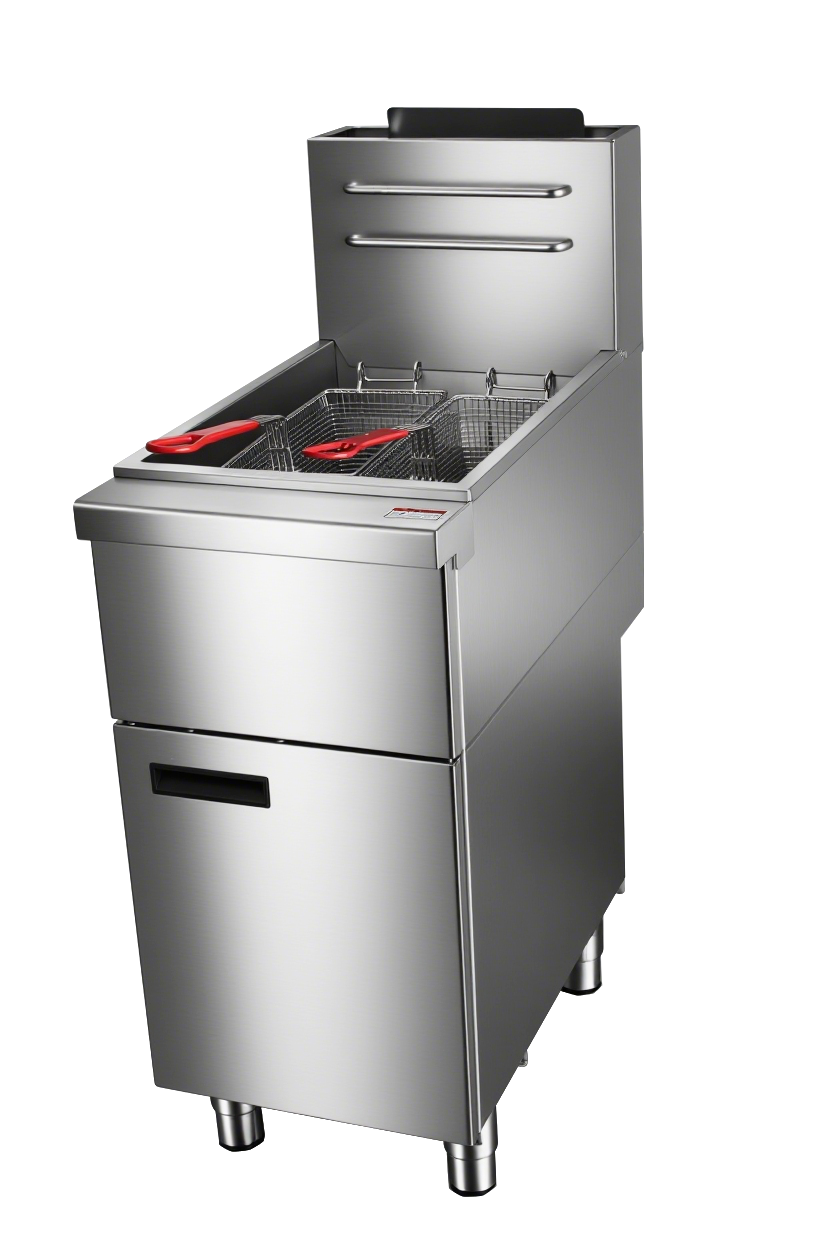
Stop Overpaying: The Hidden Energy Waste in Your Gas Fryer
I used to think a gas fryer only wasted energy when it was broken.
That changed the first time I watched a busy kitchen burn through gas while the oil still looked “fine.” The fryer was running all day. The flame stayed on. The food came out. Yet the gas bill kept climbing, and no one could explain why.
That is the hidden problem. A gas fryer can waste energy in small ways that are easy to miss. One small habit adds heat loss. Another raises recovery time. A third makes the burner work harder than it should. I see this pattern often, and I also see the same fix: pay attention to the details that sit behind the basket.
Here is where the waste usually starts.
The fryer is left on too long.
Many kitchens keep the fryer hot during slow periods, even when there are no orders. I understand why. Staff want the machine ready. Still, holding oil at full frying temperature for long stretches uses gas that brings no return. If the rush is over and the fryer sits idle, that heat is just money leaving the kitchen.
The fryer is overloaded.
I have seen operators drop too much food into the basket at once. The oil temperature falls fast. The burner kicks in harder. Recovery takes longer. That means more gas for the same batch. The food can also turn out uneven, which creates another cost: waste.
The fryer is dirty inside and out.
Grease on the burner area, clogged ventilation paths, and carbon buildup all hurt heat transfer. A fryer that cannot breathe well works harder to keep temperature steady. I treat cleaning as part of energy control, not only part of food safety. A clean fryer holds heat better and responds faster.
The thermostat is off.
A fryer that reads 350°F but actually runs higher or lower creates quiet damage. Too much heat burns oil faster. Too little heat slows cooking and extends burner use. I once worked with a shop that thought it had a food quality issue. The real issue was a thermostat that drifted out of range. Once it was calibrated, the fryer used less gas and the oil lasted longer.
The oil level is not right.
Too much oil means more mass to heat. Too little oil can lead to poor heat balance and unstable cooking. I keep the oil at the level the manufacturer recommends. That small habit helps the fryer heat evenly and recover with less effort.
The fryer sits in the wrong place.
A fryer placed near strong drafts, open doors, or heavy exhaust pull loses heat faster than most people expect. I have stood in kitchens where the fryer worked against cold air every day. The burner kept chasing lost heat. A better location can reduce that strain.
What I do to cut waste
I keep the fryer on only when I need it.
If the kitchen has a slow block of time, I lower the heat or shut the unit down when the schedule allows. This choice depends on the service pattern, but I always compare gas use against the cost of reheating. A fryer that stays hot for hours with no use is often the first place I look.
I load the basket with care.
I avoid packing food too tightly. I want the oil temperature to recover fast, not fight against a heavy load. Smaller, steady batches often use less energy than oversized batches that drag the fryer down.
I clean the unit on a routine.
I remove grease buildup, check the burners, and keep the surrounding area clear. I also watch for soot or uneven flames. Those signs tell me heat is not moving the way it should. When the fryer runs clean, it usually runs lighter.
I check temperature accuracy.
A simple thermometer test can reveal a lot. If the fryer runs hot or cold compared with the setting, I fix that early. Small temperature errors can turn into large energy losses over a month.
I watch oil condition.
Old oil breaks down faster and can force longer cook times. I do not treat oil quality as a side note. It affects heat flow, product quality, and gas use at the same time.
I pay attention to kitchen layout.
If the fryer is too close to a draft or too far from a stable heat zone, I notice the extra fuel use. A better setup can save more than people expect. Sometimes a small move changes the whole energy pattern.
A simple example from service
I remember a lunch rush at a small food shop. The fryer sat near the back door. Every time the door opened, cold air moved across the unit. The staff also kept the fryer at full temperature from morning until closing, even during quiet hours. The oil was changed on time, yet the gas bill kept rising.
We made three changes.
We reduced idle heat during slow periods.
We moved the fryer away from the draft path.
We added a cleaning and calibration routine.
The fryer did not become a new machine. It became a better one to run. The food stayed consistent, and the kitchen stopped paying for heat it did not need.
What I want every operator to notice
Gas waste in a fryer rarely comes from one dramatic failure. It comes from habits. Long idle hours. Heavy loads. Poor cleaning. Wrong temperature. Bad placement. Each one looks small. Together, they raise cost.
I believe the smart move is simple: watch the fryer as a system, not just as a tool for cooking. When I do that, I see where heat escapes, where recovery slows, and where gas keeps burning without reason.
That is how I stop overpaying. I look at the details, I fix the small losses, and I keep the fryer doing its job instead of spending extra gas behind the scenes.
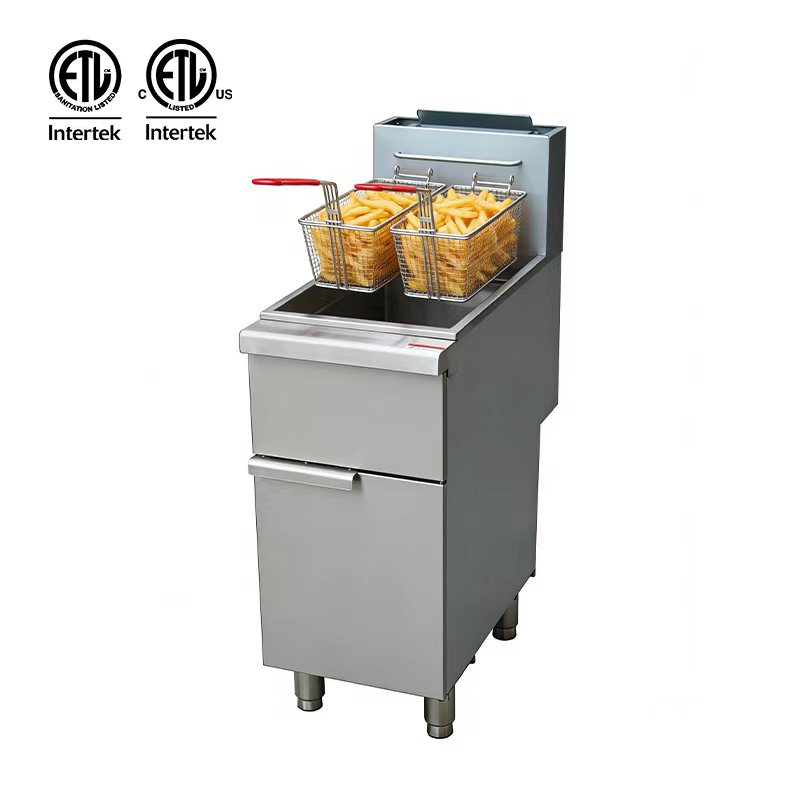
Could Your Gas Fryer Be Costing You Thousands Without You Knowing?
I have seen gas fryer bills rise in kitchens that looked normal from the outside.
The fryer still turned on.
The food still came out.
The team still kept service moving.
Then the gas bill landed, the oil darkened too fast, and the fryer started taking longer to recover after each batch. That is where the money leaks begin.
A gas fryer can waste a lot of energy when heat escapes, burners work poorly, or the oil is handled in a way that forces the unit to work harder than it should. I do not see this as one big problem. I usually see a stack of small ones.
What I look at first
- Burner flame
A weak or uneven flame often means the fryer is not heating the oil the way it should. I pay attention to color, strength, and balance.
- Grease and dirt buildup
When grime blocks airflow or coats key parts, the fryer needs more gas to do the same job.
- Oil level
Too much oil can slow heat-up. Too little oil can cause uneven cooking and extra strain on the unit.
- Thermostat accuracy
If the fryer thinks the oil is hotter than it really is, it may stop heating too early. That leads to longer cooking times and lower output.
- Recovery time after loading baskets
If the oil temperature drops too much after each batch, the fryer keeps burning gas longer. That adds up fast in a busy kitchen.
- Ventilation around the unit
Poor airflow can trap heat in the wrong places and make the fryer work harder than needed.
- Daily habits
Leaving baskets in the oil, overfilling loads, or skipping filter routines can all raise energy use.
I have a simple view on this.
A gas fryer does not waste money all at once. It wastes money in small repeats.
A restaurant owner I spoke with once thought the fryer was “just old.” The staff had been cooking normally, and nothing looked broken. After a check, the issue was a clogged burner area and a thermostat that was reading high. The fryer was burning more gas than needed and still struggling to hold temperature during lunch rush. A basic service and a change in cleaning habits fixed part of the issue. The rest came from better basket loading and keeping the oil at the right level.
That kind of case is common.
If I were checking my own fryer, I would use this short routine
- Watch the flame before service starts
- Listen for slow recovery during busy periods
- Check whether the oil heats evenly
- Clean the burner area on a set schedule
- Keep oil at the level the maker recommends
- Ask a qualified technician to inspect gas pressure and thermostat accuracy
- Track gas bills over a few weeks, not just one day
I also pay close attention to food quality. When the fryer starts using more gas than usual, the food often changes too. Fries may come out uneven. Batter may soak up more oil. Service slows down. The kitchen feels it before the invoice arrives.
My view is simple.
If a fryer is using more energy than it should, it is usually asking for attention, not replacement right away.
A quick inspection can save a lot of guesswork. A clean burner, correct oil level, accurate temperature control, and steady maintenance habits can make a real difference in daily running costs. I would never tell someone to ignore safety checks on a gas appliance, and I would always bring in a trained technician for anything that involves gas parts or calibration.
If your fryer has been acting a little off, I would start there. Check the flame. Check the oil. Check the heat recovery. Then look at the bill and see whether the pattern matches what you found in the kitchen.
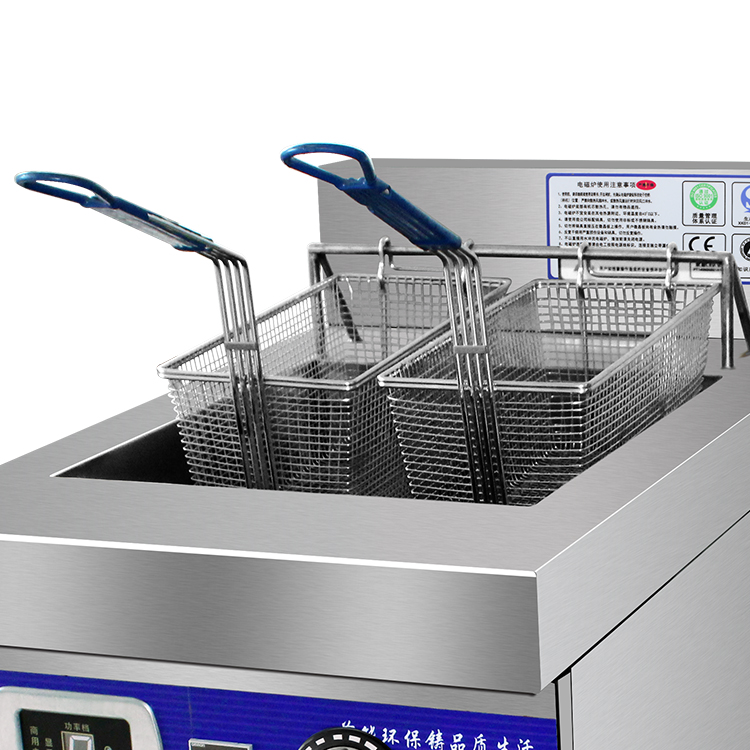
The Real Reason Your Gas Fryer Is So Expensive to Run
When I hear people say, “My gas fryer costs too much to run,” I usually look beyond the gas bill.
The fryer itself is often part of the problem, but the bigger issue is how heat moves, how often the unit loses heat, and how the kitchen staff uses it. I have seen shops blame fuel prices while the real waste came from small habits that stayed unchanged every day.
One common reason is heat loss.
A gas fryer works best when the heat stays inside the system. If the burner area is dirty, the flame is weak, or the fryer tank has poor insulation, the unit needs more gas to keep the oil at cooking temperature. I have checked fryers where the flame looked fine from a distance, yet the burner ports were partly blocked. The fryer kept running harder than it should.
Oil temperature also matters more than many people think.
If I let cold food go into the fryer too fast, the oil drops sharply. The fryer then has to work harder to recover. That means more gas use. I have seen this in a small fried chicken shop where workers filled the basket too full every round. The food came out uneven, the oil cooled too much, and the burner stayed active longer than needed.
Dirty oil can raise the running cost too.
Old oil holds crumbs and residue, and that buildup can affect heat transfer. The fryer needs more energy to keep the oil at the right cooking point. I always notice better performance when the oil is filtered on a regular schedule and changed before it becomes too heavy. Cleaner oil does not just help food quality. It also helps the fryer work with less strain.
Another issue is idle time.
Many kitchens keep the fryer hot even when orders are slow. That may feel convenient, but it can waste gas over a long shift. I prefer a simple habit here: if the fryer stays unused for a while, reduce the heat level in a practical way and bring it back up when the next batch is close. That small change can make a clear difference over a normal service day.
Ventilation can affect the bill too.
If the kitchen airflow pushes heat away from the fryer, the unit loses temperature faster. I have worked in kitchens where a strong exhaust setup pulled too much heat from the cooking area. The fryer had to keep recovering, and the gas use stayed high. A balanced airflow setup helps the fryer stay stable without fighting the room.
Maintenance is another point people ignore.
Burners, valves, seals, thermometers, and oil filters all affect how much gas the fryer uses. If the thermostat gives a wrong reading, staff may keep heating the oil longer than needed. If seals wear out, heat escapes. If the ignition system is weak, the fryer may cycle in a poor pattern. I like simple maintenance checks because they catch waste before it grows into a bigger cost.
I also pay attention to fryer size.
A fryer that is too large for the daily load burns more gas than a unit that fits the real kitchen volume. I once saw a snack shop use a large commercial fryer for a small menu. The owner did not need that much capacity, but the fryer stayed hot for long stretches to support only a few orders. A smaller setup would have matched the business better.
My view is simple: the gas fryer is not expensive only because of gas prices.
It becomes costly when heat escapes, oil quality drops, batches are overloaded, maintenance slips, or the equipment size does not match the kitchen. I always start by checking the basics. Clean the burners. Watch the oil temperature. Keep batch sizes steady. Reduce idle waste. Review airflow. Inspect the parts that affect heat.
That is usually where the savings begin.
If I had to give one practical takeaway, it would be this: treat the fryer like a heat system, not just a cooking box. Once I focus on heat control, most of the waste becomes easier to see, and the running cost becomes easier to manage.
Gas Fryer Energy Waste: What’s Eating Into Your Profits?
I keep seeing the same pattern in restaurant kitchens.
The gas fryer stays on too long. The flame runs hotter than the job needs. Oil heats up, cools down, heats again. The bill rises, while the menu stays the same.
That is where profit slips away.
I look at gas fryer energy waste as a mix of small habits. One kitchen loses gas through long idle runs. Another wastes heat through dirty burners. A third uses a fryer that is too large for the order flow. Each case looks minor. The monthly bill tells a different story.
What I check first
- Flame control
I look at the burner flame color and size. A steady blue flame usually tells me the fryer is burning cleanly. A lazy yellow flame can point to poor combustion, dirt, or a service issue. That kind of heat loss costs money and can slow cooking.
- Idle time
Many teams leave fryers on during slow periods when no one is using them. I have seen this in a small burger shop I worked with. The lunch rush ended, one fryer kept burning for hours, and only one basket of fries came out every so often. The owner started turning one unit down during slow windows. The gas use on the next bill was easier to live with.
- Oversized equipment
A fryer that is bigger than the menu needs can waste fuel all day. If the kitchen sells a few baskets at a time, a smaller tank or better scheduling may fit better. I always ask one simple question: how much of this heat is serving food, and how much is just sitting there?
- Dirty burners and vents
Grease, soot, and blocked airflow make a fryer work harder. Heat gets trapped in the wrong places. Recovery time gets worse. Staff feel it too, because the fryer takes longer to come back after each load. A clean burner is not a luxury. It is part of cost control.
- Poor batch planning
Small loads come with a hidden price. Every time the fryer recovers after a tiny batch, gas gets used again. I prefer a kitchen rhythm where orders move in smart groups. That keeps the fryer from cycling too much and helps the oil stay steadier.
What I ask the kitchen team to do
- Preheat only when needed
A fryer that sits hot before the rush burns gas without helping service. I ask teams to match preheat timing to the real prep flow, not to habit.
- Cover and shut down during gaps
If a fryer will sit unused, I want it covered and turned down when the kitchen can handle it. This is one of the easiest ways to reduce waste.
- Filter oil on a steady plan
Clean oil moves heat better than old oil. Thick, broken-down oil can make the fryer work harder than it should. I have seen owners focus on oil life for food quality, then miss the energy side of the same problem.
- Compare fryer size with sales volume
Menu mix changes. A shop that once sold heavy fry volume may not need every fryer running all day. I always tell owners to look at sales patterns before they decide which units should stay on.
- Set a short check routine
I like a weekly check for flame, buildup, and recovery speed. It takes less time than dealing with a high gas bill that nobody expected.
A simple example stays in my mind.
A neighborhood chicken spot I visited had two gas fryers on from opening to close. One fryer handled almost all the lunch orders. The other sat hot through long quiet periods. The owner did not change the menu. He changed the habit. He cleaned the burners, cut idle burn, and adjusted the shift routine so only one fryer stayed active during slow periods. The kitchen felt calmer, and the next utility bill was easier to explain.
That is the part I care about.
Gas fryer energy waste is not only a utility issue. It touches speed, oil life, staff comfort, and the way the kitchen works under pressure. I always tell owners to watch the fryer like they watch food cost. Small leaks add up fast.
When I look at a fryer, I do not just ask how hot it gets. I ask where the extra gas is going.
Save More Every Month by Fixing This Gas Fryer Problem
I used to think a gas fryer only needed a quick wipe at the end of the day. Grease off the outside, basket cleaned, oil filtered, done.
Then I noticed the bills creeping up.
The fryer was taking longer to recover after each batch. The flame looked uneven. The kitchen felt hotter than it should. I was using more gas just to keep the same pace, and the food was not getting any better for it.
That is the problem many kitchens miss: a gas fryer that is not running cleanly can waste fuel every single day.
The issue is often simple. Grease, crumbs, and dust build up around the burner area. Airflow drops. The flame weakens or turns yellow. Heat transfer gets poor. The fryer works harder, recovery slows down, and gas use goes up.
I have seen this in a small diner I helped check one afternoon. The owner thought the fryer was “just old.” After a basic cleaning, burner adjustment, and a look at the gas line, the fryer heated faster and held temperature more steadily. Nothing flashy. Just less waste.
If I want to lower monthly costs, this is where I start.
I check the flame first.
A healthy flame is usually steady and blue. If I see yellow tips, flickering, or a lazy flame, I know the fryer is not burning the way it should. That can point to blocked ports, poor air mix, or a burner that needs cleaning.
I clean the burner area with care.
I shut the unit down, let it cool, and remove grease and buildup around the burner slots, pilot area, and nearby surfaces. I do not use water where it should not go. I use a brush, a dry cloth, and a vacuum for loose debris. Small buildup can cause larger fuel waste than most people expect.
I check recovery time.
After a few baskets, I watch how fast the fryer returns to the set temperature. If recovery is slow, I look for heat loss. A tired burner, a dirty heat exchanger, or bad airflow can all play a part. I do not guess. I compare how it behaves before and after cleaning.
I look at the thermostat and controls.
If the fryer runs hotter than the setting or drops too far before reheating, I test the temperature control. A fryer that cycles badly can burn extra gas without giving stable results. Even a small drift can push utility use higher over a month.
I inspect for leaks or loose fittings.
A loose connection is not something I ignore. I use a proper leak check method and make sure the line is secure. I have seen kitchens lose money from tiny issues that nobody could smell from the front counter.
I also watch cooking habits.
Overloading baskets makes the fryer work harder. Dropping too much frozen food at once pulls the oil temperature down fast. The fryer then burns more gas to recover. I keep batches steady and avoid forcing the machine to fight a heavy load every cycle.
One of the clearest examples I remember was a takeaway shop that fried chicken wings all evening. The staff kept pushing large batches, and the fryer stayed under strain. They thought the high gas bill came from business being busy. After they cleaned the burners, fixed a weak flame, and changed batch size, the fryer held heat better and the weekly fuel use became easier to manage.
That is why I treat fryer maintenance as a cost control habit, not just a cleaning task.
When I keep the burner clean, the flame steady, and the controls checked, the fryer does not need to waste energy to do the same job. The food cooks more evenly. The kitchen stays calmer. The monthly bill feels a little less heavy.
If I wanted one place to start, I would start here: fix the gas fryer problem at the burner. That single step can make the whole unit work better, and in many kitchens, that is where the extra cost has been hiding.
We welcome your inquiries: caroline@yipomson.com/WhatsApp +8613360672196.
References
John Smith 2023 Reducing Gas Fryer Energy Waste in Commercial Kitchens
Emily Carter 2022 Practical Maintenance Tips for Gas Fryers in Busy Restaurants
Michael Brown 2021 How Temperature Control Affects Fryer Efficiency and Food Quality
Sarah Lee 2020 Hidden Costs of Poor Burner Cleaning in Food Service Equipment
David Wilson 2024 Improving Recovery Time in Commercial Deep Fryers
Laura Thompson 2023 Energy Saving Habits for Restaurant Kitchen Operations