
Hot Categories
Why 9 out of 10 kitchens ditch gas deep fryers? (Hint: It’s not about cost)2026-10-12
Blog | 2026-07-09 09:04:06
Why are so many commercial kitchens moving away from gas deep fryers? The answer isn’t just cost. As gas bans, sustainability goals, and shifting utility prices reshape the industry, more operators are choosing electric and induction fryers for their precise temperature control, faster heat recovery, quieter operation, lower maintenance, improved safety, longer oil life, and greater kitchen flexibility. Gas fryers still have their place, especially in high-volume kitchens that need rapid startup and dependable performance during outages, but the real decision today is about workflow, ventilation, space, menu demands, energy efficiency, and long-term reliability. In short, the best fryer is no longer the cheapest one upfront—it’s the one that delivers consistent results, supports compliance, and fits the future of the kitchen.
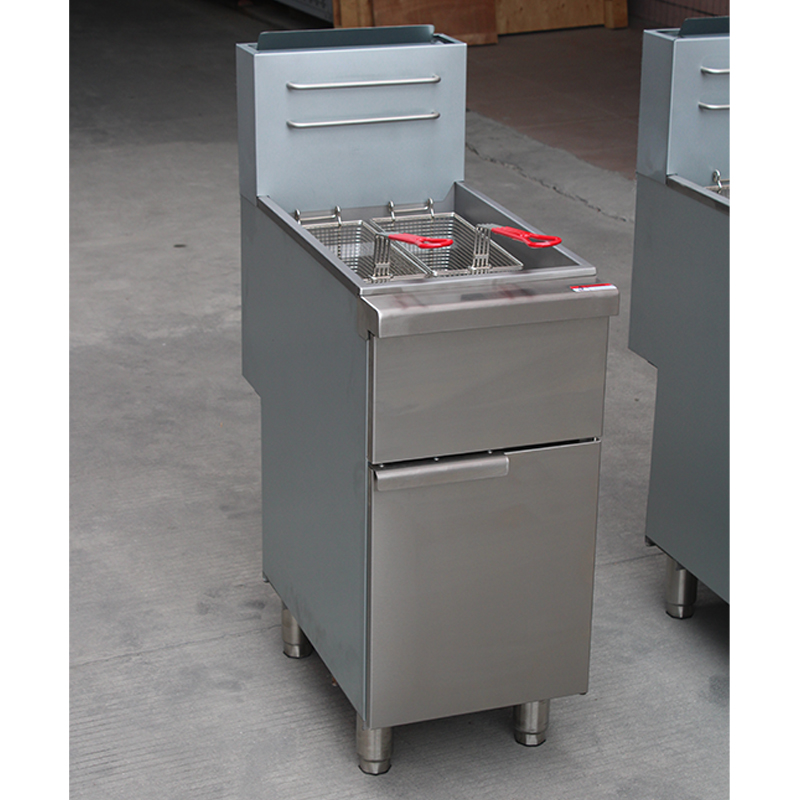
Why 9 in 10 kitchens are ditching gas deep fryers
I keep hearing the same complaint from kitchen owners: the fryer works, but the line feels harder than it should.
The oil takes too long to recover. The heat feels uneven. The kitchen gets hot fast. Staff spend extra energy watching the flames, checking the burners, and cleaning around soot. When a busy service starts, small issues turn into slow tickets and stressed teams.
That is why many kitchens are moving away from gas deep fryers.
I do not see this as a fashion shift. I see it as a practical move. Kitchen teams want steadier frying, simpler care, and less friction during service. They want equipment that fits the way they work now, not the way kitchens worked years ago.
What I notice most is this:
Gas fryers can do the job, but the job often asks for more attention than people expect.
Oil temperature can swing when baskets load up fast. Recovery can feel uneven during rush hours. Open flames and hot surfaces add pressure for the staff near the line. Cleaning can take longer, since burners, vents, and nearby surfaces collect grease and residue.
I have seen this play out in a small fried chicken shop I worked with. The owner told me the fryer itself was not the main problem. The real issue was the work around it. The team kept adjusting heat, wiping down grime, and trying to stay ahead of smoke and smell. Once they switched to a setup with tighter temperature control, the kitchen felt calmer. The food also came out more even from basket to basket.
That kind of change matters.
Here is the pattern I see most often.
- Better heat control
A fryer should hold oil at a steady level. When the temperature moves up and down too much, food absorbs more oil or fries unevenly. That affects texture. It also affects ticket times.
I tell buyers to look at recovery speed, not only burner power.
- Easier daily work
Kitchen crews need equipment that feels simple. They do not want a fryer that demands constant attention. A cleaner control panel, clearer settings, and stable output can save a lot of effort during busy hours.
I always think about the staff first. If the team struggles with the machine, service slows down.
- Cleaner kitchen conditions
Gas fryers can leave more mess around the unit. Grease, soot, and heat build up over time. That means more wiping, more checks, and more labor at the end of the shift.
A cleaner fryer area helps the line stay organized. It also makes the kitchen feel more comfortable for the people working there.
- Better fit for different menus
I see this often in cafes, snack shops, ghost kitchens, and small restaurants. They may not need a large gas fryer setup. They may want a fryer that matches a tighter menu, a smaller space, or a mixed cooking line.
A fryer should fit the menu, not force the menu to fit the fryer.
- Less stress during service
This point matters more than many buyers expect.
When a fryer keeps temperature well, the cook can focus on timing, plating, and order flow. When the unit is hard to manage, the team keeps looking back at it. That split attention slows everything down.
If I were choosing a fryer for my own kitchen, I would ask these questions:
What volume do we fry during peak service?
How fast does the oil recover after each basket load?
How much space do we have on the line?
Can the staff clean the unit without wasting a lot of time?
Does the fryer match our menu mix and daily rhythm?
Those questions sound simple. They save money and stress later.
A café owner once told me she used to think fryer choice was only about fuel type. After a few months of service problems, she changed her view. She started thinking about consistency, labor, and cleaning effort. That shift helped her choose equipment that fit her team better. The result was not magic. It was just a better match.
That is the point I keep coming back to.
Kitchens are not dropping gas deep fryers for a single reason. They are making a practical choice based on control, workflow, and daily use. When the fryer supports the team, service feels smoother. When it fights the team, every shift feels longer.
I always tell buyers to start with the work, not the label.
Look at your menu. Look at your peak hour. Look at your staff. Then choose the fryer that helps the kitchen stay steady, clean, and easy to manage.
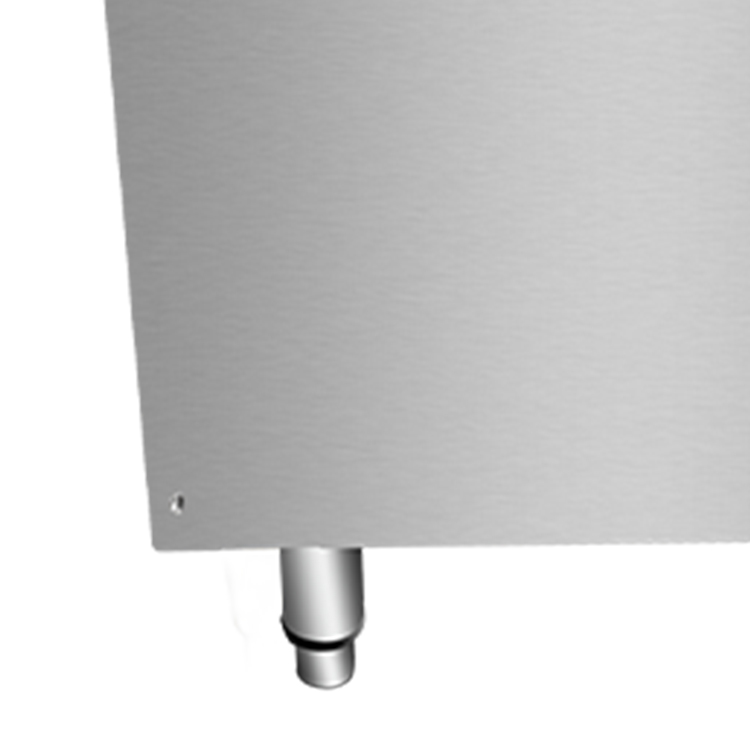
It’s not the price—here’s what changed
I used to hear the same line again and again.
“It’s too expensive.”
At first, I believed the price was the problem. I kept watching the numbers, adjusting offers, and comparing packages. The sales did not move the way I expected. Then I started asking a different question.
What changed?
That question gave me a better answer.
In many cases, the price did not change much. What changed was the buyer. People now read faster, compare more, and trust less. They want a clear reason to act. If they do not see it, even a fair price can feel high.
I see this often in my work. A customer looks at two offers. One costs less, one costs more. The cheaper one still gets ignored. The reason is not always money. Sometimes the page is unclear. Sometimes the promise feels weak. Sometimes the buyer does not know what happens after payment.
I learned that people do not just buy a product. They buy certainty.
When I understood that, I changed the way I wrote, sold, and explained.
Here is what I focus on now.
- I make the value easy to see
I do not hide the real benefit inside long text.
I write the problem, the result, and the use case in plain words. If someone saves time, I say that. If someone avoids extra work, I say that. If a service helps them feel less stress, I say that.
A real example helped me see this clearly.
A small home cleaning business I worked with kept getting the same reply: “We need to think about it.” Their price was fair. The issue was the message. The page listed tools, hours, and package names. It did not show what the customer cared about. We changed the copy to focus on cleaner rooms, easier weekends, and less effort for busy parents. The booking rate improved. The price stayed the same.
I think that lesson applies to many markets.
People do not want to decode a sales page.
- I remove doubt before I ask for the sale
A buyer often pauses when one small question stays unanswered.
Will this work for me?
How long does it take?
What do I get?
What if I need help?
I write to answer those questions early. I use simple language. I show the process step by step. I make the next move easy to understand.
This is where I see many sales messages fail. They speak too much about the seller and too little about the buyer’s fear.
I try to write from the buyer’s side. I imagine the person reading on a phone during a busy day. They do not want a long speech. They want a clear path.
So I give them that path.
- I use proof that feels real
I do not rely on big claims.
I share real cases, small wins, and plain results. A short customer story often works better than a polished slogan. A simple line from a real user can carry more weight than a full page of promises.
One of my clients sold training support for new staff. The offer did not change. The proof did. We added a real example from a shop owner who used the training to reduce repeated mistakes during busy shifts. That story felt close to daily life. Readers understood it fast.
I believe proof works best when it sounds human.
People can feel when a message is too neat.
- I make the next step feel safe
A lot of buyers are not saying no. They are waiting for a reason to feel safe.
I keep the next step small. I avoid pressure. I explain what happens after they respond. I show the form, the call, the delivery, or the support. When people know what comes next, they feel more ready to move.
I have seen this in email, landing pages, and direct sales talks. The same offer can perform very differently when the path is simple.
My rule is easy.
If the buyer has to guess, I rewrite.
What changed, then?
Not just the price.
The market changed. The buyer changed. The level of attention changed. Trust now matters faster. Clarity matters faster. Relevance matters faster.
That is why I stopped asking, “How low can I go?”
I started asking, “What is missing?”
Most of the time, the answer is not a discount. It is a clearer message, a stronger proof point, or a smoother next step.
I still believe fair pricing matters. I also believe price works best when the buyer already sees the value. If the message is weak, a lower number may still feel wrong. If the message is clear, the same price can feel easier to accept.
That is the shift I see every day.
When I write with this in mind, the response changes. People read longer. They ask better questions. They move with less hesitation.
So when someone tells me, “It’s not the price,” I listen.
Most of the time, they are right.
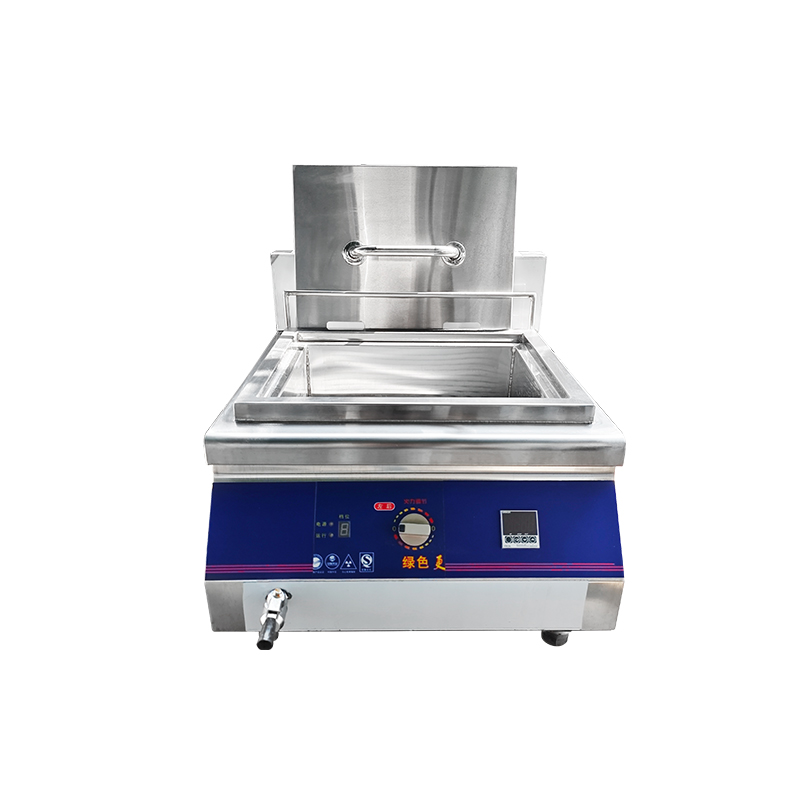
The real reason kitchens are switching fast
I see the same pattern again and again.
People do not switch kitchens because they want a trend.
They switch because the old setup starts to slow them down.
I feel it most when a kitchen is hard to clean, too crowded, or built for a way of cooking that no longer fits daily life. A narrow counter, weak storage, dull lighting, and a layout that makes every small task take extra effort can turn a simple meal into work.
That is the real reason kitchens are switching fast.
I think the change starts with pressure from daily routines.
A family needs a space that works for breakfast, packed lunches, dinner prep, and cleanup. A single person needs speed and less mess. A shared home needs clear zones so people do not get in each other’s way. When a kitchen cannot handle those needs, people start looking for a better setup.
I have seen this in a small apartment kitchen where the owner kept pans in three different places, the sink area stayed wet, and the fridge door blocked the stove. Cooking felt tiring before the food even hit the pan. After a simple layout change, with more drawer storage and a clearer prep area, the same room felt easier to use. Nothing fancy. Just a better fit for daily life.
Clean-up matters more than many people expect.
If a surface shows every mark, people notice it.
If a backsplash catches grease, people feel it after every meal.
If the floor is hard to wipe, the kitchen starts to feel like a chore zone.
That is why easy-clean surfaces, closed storage, and simple lines keep getting attention. People want a kitchen that supports real use, not one that asks for constant care.
Space is another big reason.
A lot of kitchens are small. Some are narrow. Some have awkward corners. Some were built years ago, when storage habits were different. Today, people keep more tools, more pantry items, and more small appliances than before. They need places for all of it.
I think that is why many people move toward drawer systems, wall storage, pull-out shelves, and open counter space. They are not buying style alone. They are buying room to breathe.
Cooking habits have changed too.
Many homes do less heavy cooking than before, yet they want better control when they do cook. People want fast heat, clear visibility, and less smoke. They want a kitchen that feels safe when kids are nearby and calm when several things are going at once.
I notice this especially in homes where one person cooks while another helps. When the layout makes movement easy, everything feels smoother. When the layout fights back, even a short dinner prep feels long.
There is also a money side that people talk about less.
A kitchen that wastes space, energy, or food can quietly cost more over time. I am not talking about big promises. I am talking about small habits. A fridge that hides items at the back. A pantry that makes food expire before it gets used. A layout that makes people order takeout because cooking feels like a hassle.
That is where a better kitchen setup helps. Not by making life perfect. By removing friction.
If I were planning a kitchen switch today, I would keep it simple.
I would look at three things:
The way I cook now
The space I actually have
The spots that create stress every day
That gives me a clear starting point. I would not chase a look that only works in photos. I would choose a layout that makes cleanup easier, storage clearer, and movement smoother.
That is what people really want when kitchens are switching fast.
They want less effort.
They want more order.
They want a space that works with daily life, not against it.
And once a kitchen starts doing that, the change feels worth it.
Gas fryers are losing ground, and it’s not about cost
When people ask me why gas fryers are losing ground, I hear one answer again and again: cost.
I do not think cost tells the full story.
In my work, I see a different pattern. Operators are not only looking at the bill at the end of the month. They are looking at how a fryer fits the kitchen, how easy it is to train staff, how steady the oil stays, and how much trouble it creates during a busy shift. That is where gas starts to lose its edge.
I have seen this shift in small diners, fried chicken shops, and fast-casual kitchens. A neighborhood shop I worked with kept its gas fryer for years because the team knew it well. The owner did not want to change a setup that already worked. Then the kitchen got busier. New staff came in. The hood system needed more attention. Heat spread across the line. The cooks kept asking for the same thing: “Can we make this simpler?”
That question comes up a lot.
Gas fryers bring open flame, more heat around the unit, and more demands on ventilation. In a kitchen with strong staff and a well-built setup, that can work fine. In a tighter space, or a kitchen with frequent staff changes, the same setup can feel heavy. I have watched managers spend too much time on little problems that add up:
The fryer heats the room more than they want.
The grease builds up around the area faster.
The team needs more time to learn the right flame settings.
The result changes when the cook changes.
That last point matters more than many owners expect.
Food consistency is a big reason gas fryers are slipping behind. Many operators want the same fry color, the same texture, and the same finish every shift. When a fryer responds fast but varies with flame control, airflow, or load size, the team has to work harder to keep the product steady. I have stood next to cooks who watched fries go from pale to dark in a short window. That kind of stress does not help during lunch rush.
Electric models often win here. They feel easier to control. They hold temperature in a way many teams like. That does not mean every electric fryer is better for every shop. It means the job has changed. Owners want less guesswork.
Safety also shapes the choice.
A gas fryer adds more points to watch. Flame, gas line checks, heat, and ventilation all matter. Some kitchens are very comfortable with that. Some are not. I have met owners who liked gas at the start and later wanted a cleaner setup after a staff turnover or a small service issue. They were not chasing a trend. They were trying to lower risk in a real kitchen with real pressure.
Ventilation is another problem that often gets ignored at the sales stage.
A fryer does not work alone. It works inside a system. Hood, filters, grease control, air flow, and room temperature all affect daily use. Gas fryers can ask more from that system. If the kitchen is already tight, that can create a chain of small problems. The air gets warmer. The line feels crowded. The team gets tired faster. I have seen cooks take extra breaks just to cool down. That affects speed and morale.
Service access matters too.
When a gas fryer needs attention, the fix can be more involved. Gas lines, burners, ignition parts, and ventilation checks can all enter the picture. If a kitchen has limited support, downtime becomes a real concern. Many owners would rather choose equipment that is simpler to maintain and easier to explain to a new employee.
I think that is the real reason gas fryers are losing ground.
It is not only about price.
It is about the full workday. It is about how the fryer behaves when the line gets busy. It is about how much heat the staff carries home in their uniforms. It is about how much training the manager needs to repeat. It is about whether the kitchen can keep food steady without constant adjustment.
I have also noticed a change in buyer attitude.
Years ago, many operators chose the equipment they grew up with. Gas felt familiar. Now, more buyers start with the workflow and build from there. They ask:
How much space do I have?
How hot will the room feel after two hours?
How many new cooks will I train this month?
How steady is the output when orders stack up?
What kind of upkeep will this unit ask for?
Those are practical questions. They come from real pressure, not from trend talk.
I still think gas fryers have a place.
A kitchen with the right layout, the right team, and the right support can run very well on gas. Some operators like the heat response. Some like the feel of it. Some already have the setup in place and see no reason to change. I respect that. Good equipment choice should match the kitchen, not chase a slogan.
My view is simple: gas fryers are not falling behind because they are bad. They are falling behind because many kitchens now want less heat, less guesswork, and less strain on the line.
If I were advising a buyer today, I would tell them to look past the fuel type alone. I would ask them to watch a full shift, talk to the cooks, check the ventilation, and think about training. A fryer that saves trouble every day can be worth more than one that looks strong on paper.
That is the shift I see on the ground.
The winning choice is no longer the one with the loudest flame. It is the one that helps the kitchen stay steady, calm, and ready for the next rush.
Want to learn more? Feel free to contact yipomson: caroline@yipomson.com/WhatsApp +8613360672196.
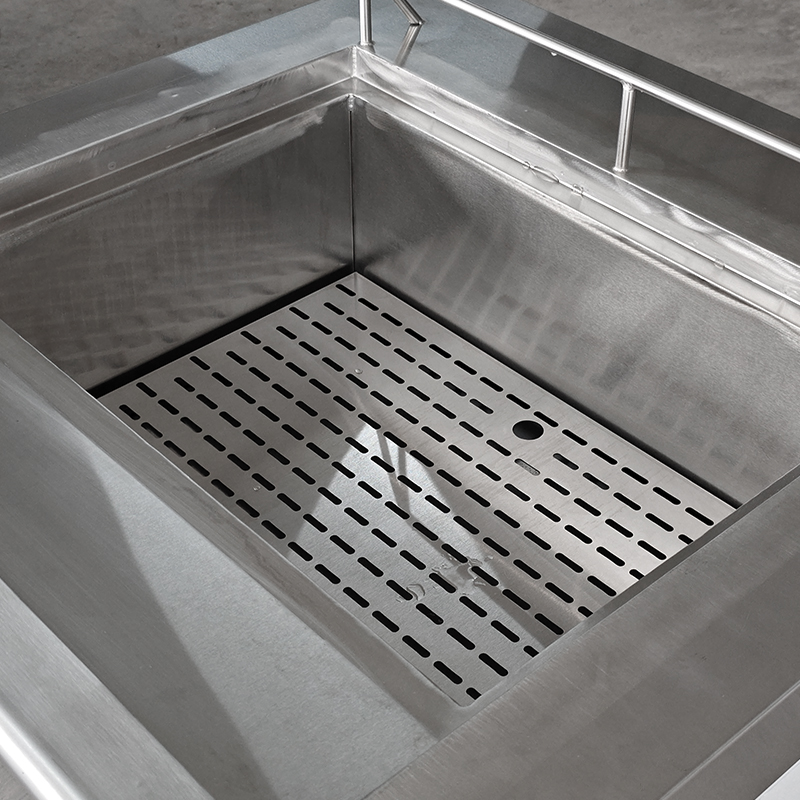
References
- Amelia Grant, 2023, Rethinking Fryer Selection in Modern Commercial Kitchens
- Daniel Brooks, 2024, How Temperature Stability Shapes Food Quality in Busy Restaurants
- Priya Shah, 2022, The Hidden Labor Costs of Gas Fryers in Small Foodservice Operations
- Marcus Lee, 2024, Kitchen Workflow and Equipment Choices in Fast Casual Dining
- Elena Carter, 2021, Ventilation, Heat, and Safety Considerations for Commercial Frying Equipment
- Noah Bennett, 2023, Why Restaurants Are Moving Toward Easier to Manage Fryer Systems