
Hot Categories
The Secret to Perfect Baking Every Time2026-10-12
Blog | 2026-09-10 18:26:46
The secret to perfect baking every time is a combination of precision, patience, and consistency. Measure ingredients accurately, choose high-quality products, and prepare each component carefully to create the right texture and flavor. Follow the recipe closely, understand how ingredients work together, and maintain a steady oven temperature for even baking. Finally, allow your baked goods to cool properly before serving. With these simple yet essential habits, you can enjoy delicious, dependable results in every batch.
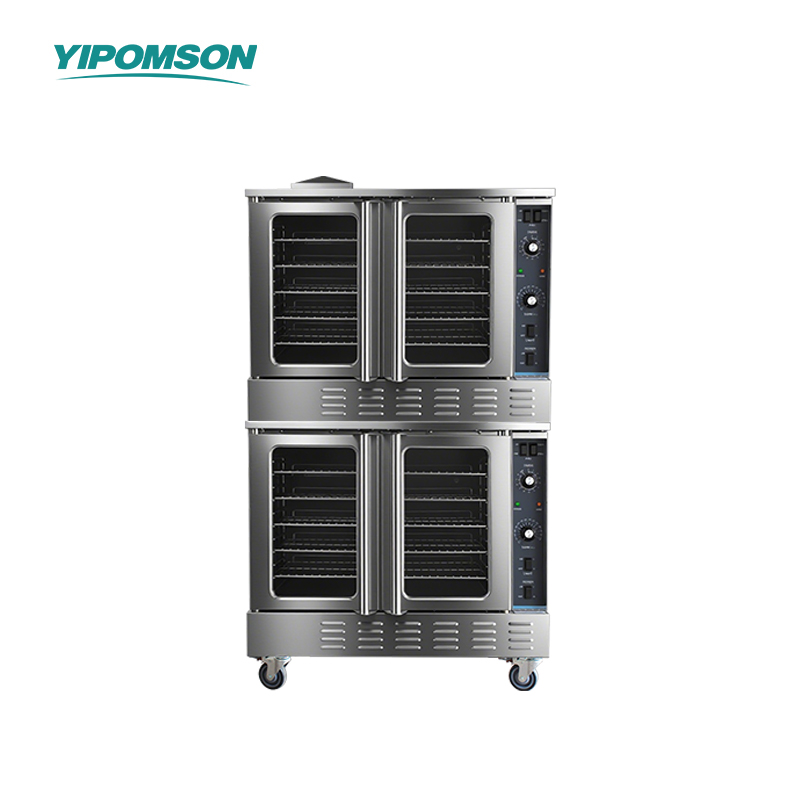
Bake Perfect Treats Every Time
Baking can feel unpredictable. One batch of cookies spreads too far, a cake sinks in the center, or muffins come out dry even when I follow the recipe. Small details often shape the result: ingredient temperature, flour measurement, oven heat, mixing time, and cooling.
I use a simple process to make my baked treats more consistent.
- Read the recipe before measuring
I check the full recipe before turning on the oven. This helps me spot steps that need extra time, such as softening butter, chilling dough, or preheating the oven.
I also look for the pan size. A cake baked in a smaller pan may need more time, while a larger pan can produce a thinner layer that cooks faster. Changing the pan without adjusting the baking time can affect the texture.
- Measure flour with care
Flour is easy to overmeasure. If I scoop it directly from the bag, the flour can become packed inside the cup. That often leads to dry cookies, dense cakes, and tough muffins.
I use a spoon to place flour into a measuring cup, then level the top with a straight edge. A kitchen scale gives me even more control. For many home recipes, weighing flour helps reduce batch-to-batch changes.
- Use ingredients at the right temperature
Room-temperature butter and eggs usually blend more smoothly in cake and cookie dough. Cold butter may leave small lumps, while very warm butter can make cookies spread across the baking sheet.
I place butter on the counter before baking and let eggs sit in warm water for a few minutes if needed. I avoid using hot water, since it can begin to cook the egg.
- Preheat the oven fully
I wait until the oven reaches the recipe temperature before placing the pan inside. An oven that is still heating may cause uneven baking, especially with cakes and pastries.
Oven displays can also be different from the actual temperature. An inexpensive oven thermometer helps me check whether the center of the oven is close to the selected setting. If a cake browns too quickly on top but remains wet inside, the oven may run hot or the pan may be placed too high.
- Mix only as much as the recipe needs
I mix butter and sugar well when a recipe asks for air to be added. This can help create a lighter cake. After adding flour, I mix more gently and stop when the batter comes together.
Overmixed muffin batter often develops a tight texture. Cookie dough can also become firm when flour is worked too long. A few small streaks of flour may be acceptable near the end, since gentle folding can finish the mixture.
- Prepare the pan based on the recipe
I grease the pan when the recipe calls for it. For cakes and brownies, I may also line the base with parchment paper. The paper helps with release and makes cleanup easier.
I leave space between cookies so heat can move around each piece. If the baking sheet is crowded, the dough may spread into one large layer and bake unevenly.
- Use visual and texture cues
Baking time is a guide, not the only test.
For cookies, I look for edges that are set while the centers still look slightly soft. They continue to firm as they cool.
For cakes, I insert a skewer into the center. A few moist crumbs can be a good sign for many cakes, while wet batter suggests more baking is needed.
For muffins, I press the top lightly. It should spring back instead of staying sunken.
I start checking a few minutes before the shortest baking time listed in the recipe. Every oven and pan behaves a little differently.
- Avoid opening the oven too often
I keep the oven door closed during the early part of baking, especially with sponge cakes, soufflés, and other light mixtures. A sudden drop in temperature can cause the center to collapse.
For cookies and muffins, one quick check near the end is usually enough. I use the oven light when possible.
- Let baked goods cool properly
Cooling affects texture. I leave cakes in the pan for a short period before moving them to a wire rack. Removing them too soon can cause breakage, while leaving them in a hot pan for too long may make the edges damp.
Cookies often need several minutes on the baking sheet before I transfer them. They may look soft at first but become easier to handle as they cool.
- Keep a small baking record
When a recipe works well, I write down the pan used, oven setting, baking time, and any changes I made. This is useful when I bake the same treat again.
For example, I once made chocolate chip cookies that spread more than expected. The butter was very soft, and the baking sheet was still warm from the previous batch. I chilled the next portion of dough and used a cool sheet. The cookies held their shape better without changing the recipe.
When a batch does not turn out well, I check one factor at a time. Too much flour can make a cookie dry. Too little baking time can leave a cake wet. An overly hot oven can darken the outside before the center is ready.
Consistent baking comes from repeatable habits rather than guesswork. I measure carefully, prepare the pan, watch the texture, and record what changes. These steps give me a better chance of getting tender cakes, balanced cookies, and evenly baked treats from one batch to the next.
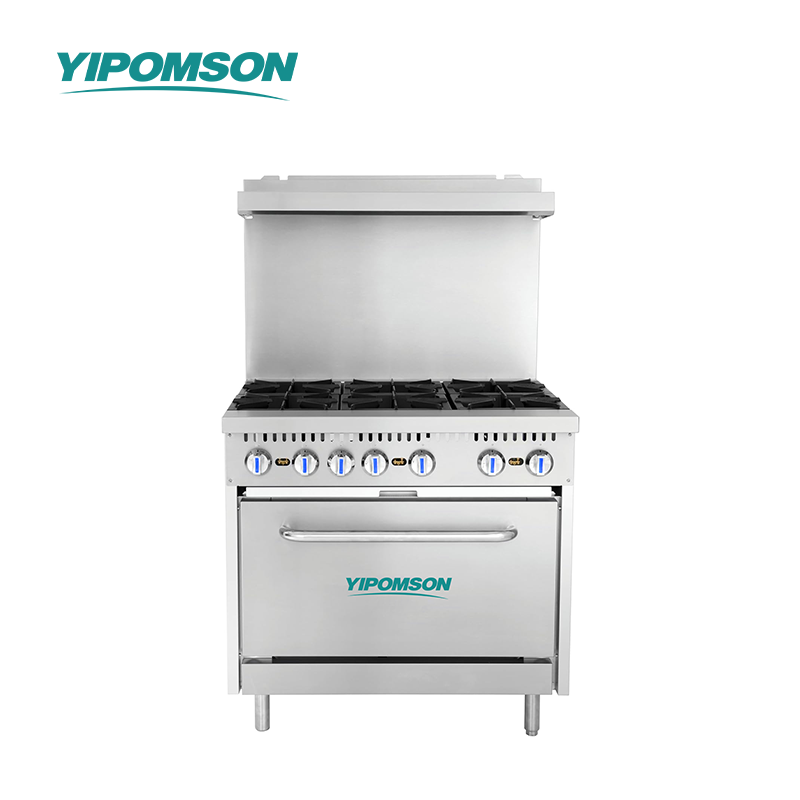
The Secret to Foolproof Baking
Baking can feel unpredictable. One batch rises beautifully, while the next comes out dense, dry, or uneven. I used to blame the recipe, but many problems came from small habits: measuring flour by volume, skipping the oven check, opening the door too often, or changing several ingredients at once.
Reliable baking comes from controlling a few simple details.
### Start with the recipe, not your memory
I read the full recipe before touching the ingredients. This helps me spot steps that need extra time, such as softening butter, resting dough, or preheating the oven.
I also check the pan size. A cake baked in a smaller pan will be deeper and may need more time. A thin batter spread in a large pan may bake too quickly and turn dry.
I keep the ingredient list beside me and prepare everything before mixing. This prevents small mistakes, such as adding baking soda twice or forgetting the salt.
### Measure flour with care
Flour is one of the most common causes of dry cakes, cookies, and bread.
When I scoop flour directly from the bag, it can become packed inside the cup. The recipe may call for 120 grams, while I end up using much more. The result is often a heavy cake or crumbly cookie.
A kitchen scale gives me better control. If I do not have one, I loosen the flour with a spoon, place it into the measuring cup, and level the top with a knife. I never shake the cup to fit in more flour.
This small change made a clear difference in my baking.
### Bring ingredients to the right temperature
Ingredients do not always behave the same way when they are cold.
Soft butter blends with sugar more evenly. Room-temperature eggs mix into the batter with less effort. Cold milk can make a smooth mixture look lumpy when it meets softened butter.
I do not heat butter until it melts unless the recipe asks for melted butter. Soft butter should hold its shape but give slightly when pressed.
For a quick temperature check, I press a finger into the butter. If it leaves a mark without sinking through the whole piece, the butter is usually ready.
### Treat mixing as a task with a limit
Overmixing can make cakes tough and muffins chewy. Undermixing can leave pockets of flour or uneven streaks of fat.
For cakes and muffins, I mix the dry and wet ingredients until I no longer see loose flour. A few small lumps are often acceptable. I use a spatula and scrape the sides and bottom of the bowl so the batter stays even.
For cookies, I cream butter and sugar until the mixture looks lighter and smooth. After adding flour, I mix only until the dough comes together.
The goal is not to make the batter perfectly smooth at every stage. The goal is to stop at the right point.
### Check the leavening agents
Baking powder and baking soda lose strength as they age. A cake may look flat even when every other step is correct.
I write the opening date on the container and store it in a dry cupboard. I replace it when it no longer performs well.
A simple baking powder test uses hot water. I place a small amount of baking powder in a bowl and add hot water. It should bubble at once. This test does not measure exact strength, but it can show whether the powder is still active.
Baking soda needs an acidic ingredient, such as yogurt, buttermilk, lemon juice, or brown sugar, to work properly. Adding extra soda does not guarantee a higher rise. It can leave a bitter taste and a darker color.
### Give the oven enough time to heat
The display on an oven may say it has reached the set temperature before the heat is fully stable.
I preheat the oven for about 15 to 20 minutes for most cakes and cookies. An oven thermometer helps reveal whether the inside is warmer or cooler than the display suggests.
This mattered in my own kitchen. My oven showed 180°C, but the thermometer often showed a lower temperature. Cakes took longer to set, and cookies spread too much. Once I adjusted for the difference, the results became more consistent.
I place the pan near the center of the oven unless the recipe gives another instruction. I leave space around the pan so hot air can move.
### Keep the oven door closed
Every time the door opens, heat escapes. Cakes and soufflés can lose structure before the center has set.
I avoid checking during the early part of baking. For a cake, I wait until the surface looks set and the edges begin to pull away from the pan. For bread, I look through the glass when possible.
A quick check near the end is enough. I insert a skewer into the center. If it comes out with a few moist crumbs, the cake is usually ready. Wet batter means it needs more time.
### Use more than color to judge doneness
Color can be helpful, but it does not tell the whole story.
A loaf of bread may look brown while the inside remains underbaked. A cookie may seem soft when it leaves the oven and become firm as it cools.
I check cakes with a skewer and press the center lightly. A baked cake should spring back instead of staying sunken.
For bread, I tap the bottom and listen for a hollow sound. A food thermometer gives a more direct reading, especially for enriched doughs.
For cookies, I look for set edges and a slightly soft center. Pulling them from the oven at the perfect texture is easier when I remember that they keep baking on the hot tray.
### Let baked goods cool properly
Cooling is part of baking, not an optional extra step.
I leave cakes in the pan for about 10 minutes before moving them to a rack. This gives the structure time to settle. Leaving a cake in the pan too long can trap steam and make the sides damp.
Bread needs more patience. Cutting into a hot loaf may compress the crumb and make it seem gummy. I let it cool until the inside has finished setting.
Cookies can stay on the tray for a few minutes before I move them. They are fragile when hot.
### Fix common problems with small changes
A dry cake
I check the flour measurement, baking time, and oven temperature. Too much flour and too much heat are common causes. I also check whether the pan is smaller than the one in the recipe.
A dense cake
I check the leavening agents and mixing time. I also ask whether the butter and sugar were mixed well. Cold ingredients can make the batter uneven.
Cookies that spread too much
The butter may have been too warm, or the dough may have needed chilling. A warm baking tray can also make the next batch spread faster. I let the tray cool before using it again.
Muffins with a tough texture
The batter was likely mixed for too long. I combine the ingredients only until the dry streaks disappear.
Bread that does not rise
The yeast may be old, the liquid may have been too hot, or the dough may have needed more time in a warm place. I use lukewarm liquid and watch the dough itself instead of relying only on the clock.
### Keep notes after each batch
I write down what I changed, how long the food baked, and what the texture was like after cooling. This turns each bake into useful information.
A note such as “edges browned too soon” may lead me to lower the rack or reduce the oven temperature slightly. “Center remained wet” may point to a pan that was too deep or a short baking time.
I avoid changing several things in one batch. When I adjust only one detail, I can see what helped.
Reliable baking does not require special talent. It asks for steady measurements, suitable ingredient temperatures, a checked oven, and attention to texture. When I treat each step as part of the result, baking becomes less of a guess and more of a repeatable process.
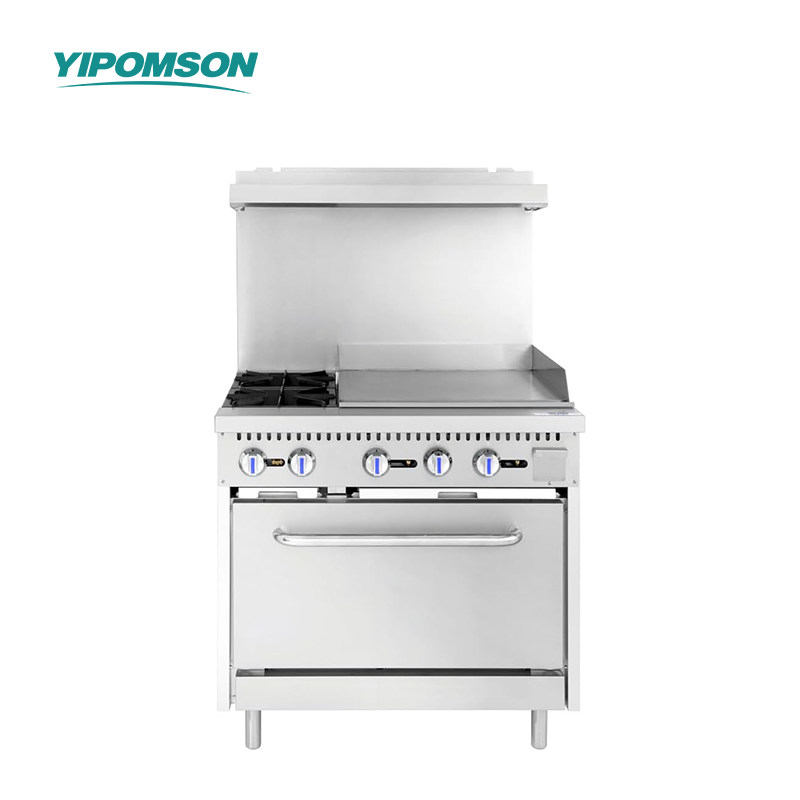
Your Easiest Baking Wins
Baking can feel harder than it needs to be. A recipe may look simple, yet one small mistake with flour, oven heat, or mixing can leave me with dry muffins, flat cookies, or a cake that sinks in the middle.
I have found that easy baking wins come from choosing forgiving recipes and keeping the process simple. I do not need special tools or advanced skills. I need clear measurements, a few basic ingredients, and enough attention to the small details that affect the result.
## Start with recipes that allow small mistakes
Some recipes are more flexible than others. Banana bread, oatmeal cookies, brownies, fruit crumble, and yogurt muffins can still turn out well if my measurements are not perfectly precise.
A delicate sponge cake may depend on careful folding and exact oven heat. A banana loaf gives me more room to adjust. When I was learning to bake, banana bread was one of the first recipes that helped me build confidence. Overripe bananas added moisture and sweetness, so the loaf stayed soft even when my mixing was not perfect.
Good beginner recipes often include:
- Simple mixing steps
- Common pantry ingredients
- No special decoration
- A short ingredient list
- Clear signs that show when the bake is ready
## Use room-temperature ingredients when the recipe asks for them
Butter, eggs, and milk can behave differently when they are cold. Cold butter may not blend well with sugar. Cold eggs can make a batter look uneven.
I usually place eggs and milk on the counter before I start. Butter should feel soft when pressed, but it should not look melted or oily. This small step helps create a smoother batter.
There is one practical exception. Some pastry recipes need cold butter to create a flaky texture. I follow the recipe instead of using the same method for every bake.
## Measure flour with care
Too much flour is one of the easiest ways to create dry baking. When I scoop flour straight from the bag, it can pack into the cup. The amount may be higher than the recipe expects.
A kitchen scale gives the most consistent result. When I do not have one, I loosen the flour with a spoon, place it into the measuring cup, and level the top with a knife. I do not press the flour down.
This matters with muffins and quick breads. A batter that looks thick and heavy before baking may produce a firm, dry crumb.
## Mix until the ingredients come together
Overmixing can make muffins, loaf cakes, and pancakes tough. I stir the batter until I no longer see large areas of dry flour. A few small lumps are usually acceptable for these recipes.
For example, when I make blueberry muffins, I mix the dry and wet ingredients in separate bowls. I combine them with a spatula using gentle movements. The batter does not need to look perfectly smooth.
A short pause can help me check the bowl before baking:
- Is there dry flour at the bottom?
- Are the ingredients spread evenly?
- Did I mix only as much as needed?
- Is the batter close to the texture shown in the recipe?
## Make one-bowl banana bread
This is one of my easiest baking choices. I use:
- 3 ripe bananas
- 75 grams melted butter
- 100 grams brown sugar
- 1 egg
- 1 teaspoon vanilla extract
- 190 grams plain flour
- 1 teaspoon baking soda
- A small pinch of salt
I mash the bananas in a large bowl. I stir in the melted butter, sugar, egg, and vanilla. I add the flour, baking soda, and salt, then mix until the dry ingredients disappear.
I pour the batter into a lined loaf pan and bake it at 175°C or 350°F. The loaf usually needs about 50 to 60 minutes, though ovens vary. I check the center with a skewer. A few moist crumbs are fine. Wet batter means it needs more baking.
If the top becomes dark before the center is ready, I place a sheet of foil loosely over the loaf. The foil should not touch the batter.
## Try a simple fruit crumble
A crumble gives me a warm dessert without the pressure of making pastry. I place sliced apples, peaches, or berries in a baking dish. I add a little sugar, lemon juice, and cornstarch. The cornstarch helps thicken the fruit juices.
For the topping, I mix:
- 100 grams rolled oats
- 75 grams flour
- 70 grams brown sugar
- 70 grams cold butter
- A pinch of salt
I rub the butter into the dry ingredients until the mixture forms rough crumbs. I scatter it over the fruit and bake until the fruit bubbles and the topping turns golden.
I do not need the topping to look even. Uneven pieces create different textures, which makes the dessert feel homemade.
## Turn pancake batter into small wins
Pancakes can be easier than cakes because I can test one before cooking the whole batch. I mix flour, baking powder, sugar, salt, milk, one egg, and melted butter. The batter should flow from a spoon but should not look watery.
I cook one pancake first. If it spreads too much, I add a little flour. If it stays thick and does not spread, I add a small amount of milk.
I flip it when bubbles appear on the surface and the edges look set. Pressing the pancake with a spatula can make it dense, so I leave it alone while it cooks.
This method helps me adjust the batter before using everything. It also teaches me to read texture instead of relying only on exact timing.
## Keep cookies small and simple
Drop cookies are a useful choice when I want a quick bake without shaping dough. Oatmeal cookies are especially forgiving.
A simple version uses oats, flour, butter, brown sugar, one egg, baking soda, cinnamon, and raisins or chocolate chips. I chill the dough when it feels too soft. I leave space between the portions because cookies spread as they bake.
One mistake I made often was taking cookies out when the centers looked fully firm. They continued to cook on the hot baking tray and became hard. Now I remove them when the edges are set and the centers still look slightly soft. I let them cool on the tray for several minutes before moving them.
## Read the oven, not only the timer
A recipe’s baking time is a guide. Ovens can differ, and pan size can change the result.
I check for signs of doneness:
- A cake springs back lightly when touched
- A loaf has a skewer with moist crumbs
- Muffin tops look set and lightly colored
- Cookies have firm edges and soft centers
- A crumble has bubbling fruit around the edges
I also avoid opening the oven too often. Each opening lets heat escape. For cakes and loaves, I wait until the bake has had enough time to set before checking.
## Fix common baking problems
A dry cake may come from too much flour, overmixing, or overbaking. I measure flour more carefully and check the oven earlier next time.
A dense muffin may come from heavy mixing or old baking powder. I stir less and replace baking powder that has been open for a long period.
A flat cookie may come from very soft butter or a warm baking tray. I chill the dough and use a cool tray.
A sunken cake may need more baking time. The center should be set before I remove it from the oven. I also avoid moving the pan during the early part of baking.
These small changes help me learn from the result instead of treating every failed bake as a mystery.
## Keep the process calm
I prepare the pan before mixing. I read the recipe from start to finish. I place ingredients where I can see them, and I check whether the oven needs to be preheated.
When I baked banana bread for a family breakfast, I measured the flour before mashing the bananas. That simple order made the process smoother because I did not need to stop with sticky hands. The loaf was not decorated, but it was soft, warm, and easy to slice. That counted as a baking win.
Easy baking is not about making every result look perfect. It is about choosing a recipe that matches my skill, understanding the texture I need, and making one useful adjustment when something goes wrong. A simple loaf, a tray of cookies, or a bubbling fruit crumble can build more confidence than a difficult recipe that leaves me frustrated.
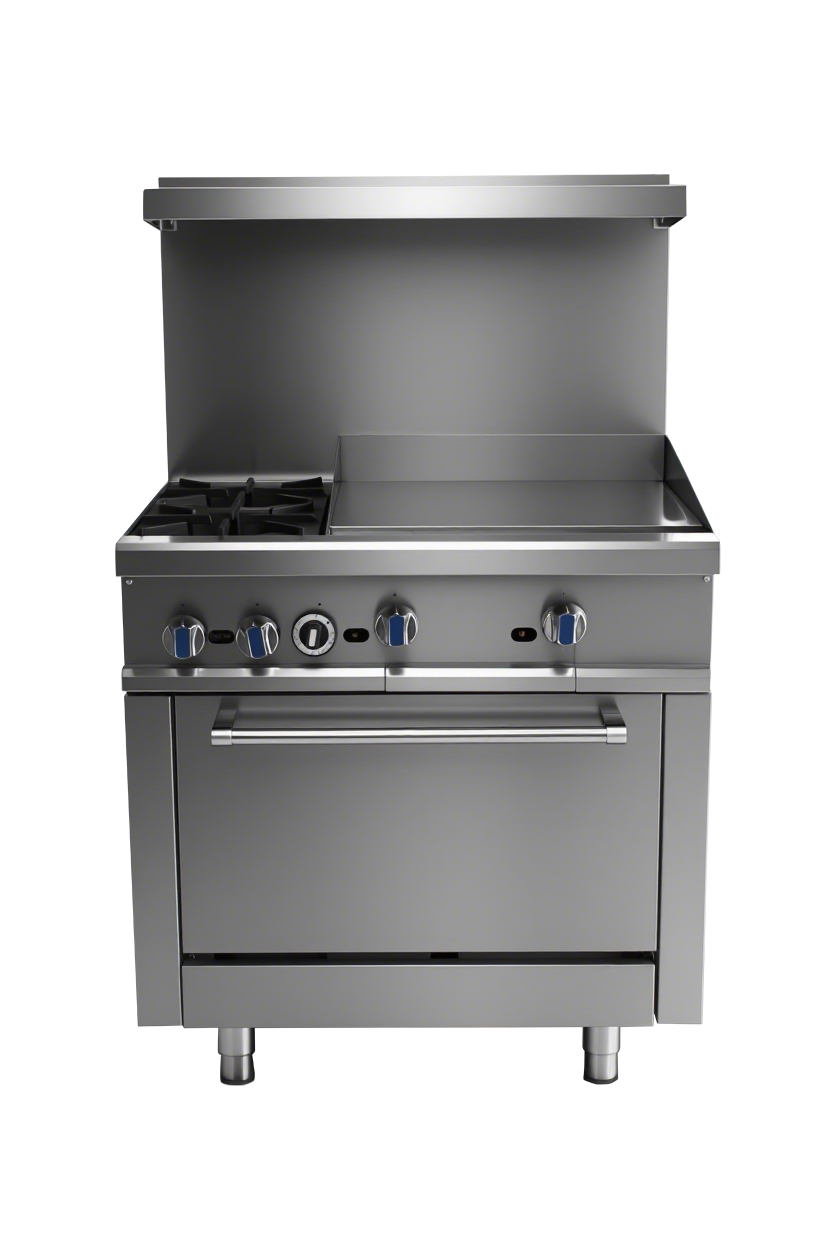
Make Every Bake Better
A better bake does not always need a new recipe. Small changes in measuring, mixing, temperature, and cooling can shape the result.
I used to blame my oven when a cake came out dry or a loaf collapsed in the middle. After checking each step, I found that many baking problems began before the pan went into the oven. A packed cup of flour, cold butter, or a quick change in oven temperature could affect the whole bake.
Here is the process I use now.
Read the recipe before touching the ingredients
I check the full recipe and prepare the tools before I start. This helps me spot details such as:
- Softened butter instead of melted butter
- Room-temperature eggs
- Chilled dough
- A lined or greased pan
- A resting period before baking
A cookie recipe may say “chill the dough for 30 minutes.” That step can help the cookies keep their shape. Skipping it may leave you with thin, greasy cookies that spread across the tray.
I also check the pan size. A cake baked in a wider pan may finish sooner than the same batter baked in a deep pan.
Measure flour with care
Flour is easy to overfill when I scoop it straight from the bag. The extra flour can make cakes firm, muffins dry, and cookies tough.
I use a kitchen scale when the recipe gives weights. When I use measuring cups, I loosen the flour with a spoon, place it into the cup, and level the top with a straight edge. I do not press the flour down.
This small habit changed my banana bread. Before I measured carefully, the loaf often felt heavy. After the change, the crumb became softer without adding more liquid.
Bring ingredients to the right temperature
Ingredient temperature affects the mixture.
Soft butter can blend with sugar and hold air during mixing. Melted butter creates a different texture. Cold eggs may cause a butter mixture to look curdled, while room-temperature eggs usually blend more smoothly.
I do not heat ingredients without checking the recipe. A little planning works better than trying to fix a mixture later.
For a quick method, I place cold eggs in a bowl of warm water for a few minutes. The water should feel warm, not hot.
Mix only as much as the recipe needs
Mixing controls texture.
For cakes, I mix the batter until the ingredients come together and no large streaks of flour remain. For muffins and quick breads, a few small lumps are often acceptable. Mixing until perfectly smooth can make them dense.
When I make bread, I give the dough more attention. I knead until it feels smoother and stretches without tearing easily. The exact time can change with flour, humidity, and mixing speed, so I watch the dough rather than relying only on a timer.
Each type of bake has its own mixing point. More mixing is not always better.
Prepare the pan evenly
Grease the pan as the recipe suggests. Add parchment when the bake may stick. For cakes, I pay attention to the corners and edges because batter often catches there.
I spread the batter across the pan before placing it in the oven. A gentle tap on the counter can remove large air pockets, but I avoid hitting the pan hard. Too much force may cause the batter to settle unevenly.
For cookies, I leave space between portions. I once placed dough balls too close together and ended up with one large cookie sheet. The flavor was fine, but the shape was not what I wanted.
Use the oven as it is, not as I wish it were
Ovens can have hot spots. Some run hotter than the displayed temperature, while others need more time.
I preheat the oven fully and place the pan on the rack named in the recipe. I avoid opening the door during the early stage of a cake because a sudden drop in heat may affect its rise.
If one side of a tray browns faster, I rotate it when the recipe allows. I do this carefully and not too early.
An oven thermometer can help me understand what is happening. It does not change the oven, but it shows whether the set temperature matches the actual heat inside.
Check for doneness with more than one clue
A timer gives me a starting point. It does not always give me the answer.
I check:
- Color on the surface
- Firmness around the edges
- A skewer inserted into the center
- A gentle spring when I press the top
- The smell of a fully baked crust
For brownies, a skewer may still show a few moist crumbs. For a sponge cake, wet batter usually means it needs more time.
I also remember that baked goods continue to set as they cool. Taking a cake out too early can leave the center wet, while leaving it in too long can dry the edges.
Let the bake cool properly
Cooling is part of the recipe.
I leave cakes in the pan for the time suggested, then move them to a rack when possible. Bread needs enough time for the inside to finish setting before slicing. Cutting a hot loaf may press the crumb and create a sticky texture.
Cookies often become firmer after a few minutes on the tray. Moving them too soon can break the centers.
When a bake fails, I look for a clear cause instead of changing several things at once. If a cake sinks, I check the leavening, mixing, oven temperature, and baking time. If I change every part of the recipe together, I cannot tell which adjustment helped.
Better baking comes from careful observation. I measure with purpose, follow the texture of the mixture, watch the oven, and give the finished bake time to settle. These habits make recipes easier to repeat and give me more control when I create my own variations.
Interested in learning more about industry trends and solutions? Contact yipomson: caroline@yipomson.com/WhatsApp +8613360672196.
References
- Harold McGee 2004 On Food and Cooking The Science and Lore of the Kitchen
- Shirley O Corriher 2008 BakeWise The Hows and Whys of Successful Baking
- Rose Levy Beranbaum 1988 The Cake Bible
- America’s Test Kitchen 2012 Baking Illustrated
- Stella Parks 2017 BraveTart Iconic American Desserts
- King Arthur Baking Company 2023 The King Arthur Baking School Essential Techniques and Recipes for Every Baker