
Hot Categories
Cake Display Refrigerator: 5 Reasons Your Pastries Look Better2026-10-12
Blog | 2026-09-09 16:33:24
A cake display refrigerator does more than preserve freshness—it transforms the way pastries look and sell. By maintaining ideal temperature and humidity levels, it helps cakes retain their soft texture, vibrant appearance, and delicious quality while preventing dryness. Its clear glass design showcases every detail beautifully, turning pastries into an irresistible visual attraction. At the same time, it protects products from dust and contaminants, ensuring a cleaner and more hygienic display. With tempting treats placed in full view, a quality cake display refrigerator can enhance customer confidence, encourage impulse purchases, and make your bakery counter more appealing and profitable.
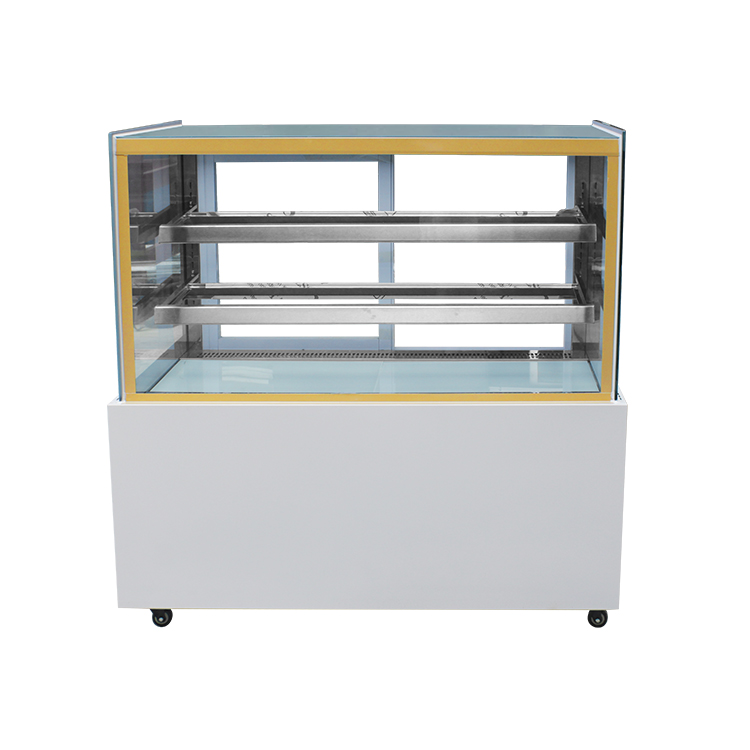
5 Ways a Cake Display Refrigerator Makes Your Pastries Look Irresistible
A pastry can taste excellent and still lose attention when customers cannot see its texture, layers, or finish. I have seen this happen in bakeries where cakes were kept in deep service counters or covered trays. The products stayed fresh, yet shoppers walked past without asking about them.
A cake display refrigerator helps solve that gap. It keeps pastries at a suitable chilled temperature while giving customers a clear view of the products. The right setup can make a display feel neat, fresh, and easy to browse.
### 1. Clear glass puts the pastry in view
A customer often decides what to explore after a short glance. A glass-front cake display refrigerator lets people see the cake before they ask a staff member for help.
The view matters because decoration can be part of the buying decision. Layers, fruit toppings, cream piping, and chocolate details are hard to notice when products sit behind a solid door or under a tall counter.
I prefer placing the most detailed cakes at eye level. Smaller pastries can sit on the lower shelf, while larger celebration cakes can take the center position. This gives each item a visible place without making the case feel crowded.
Clean glass also supports a more pleasant shopping experience. Fingerprints, crumbs, and condensation can reduce visibility, so regular cleaning should be part of the daily display routine.
### 2. Even lighting brings out texture and color
Good lighting helps customers read the details of a pastry. Soft, even light can show the difference between a glossy glaze, a light sponge, and a textured cream finish.
A display refrigerator with built-in lighting can help reduce dark areas inside the case. This makes the cakes easier to compare from outside the counter.
I avoid placing strong light directly above pale cream cakes because it may create glare on the glass. A balanced setup usually works better:
- Use even light across each shelf.
- Keep the light tone close to the bakery’s overall style.
- Check the display from the customer’s standing position.
- Remove packaging or signs that block the main view.
A small bakery may not need a large display unit to create this effect. A compact case with steady lighting can present a few carefully selected pastries more clearly than a large case filled from edge to edge.
### 3. Stable cooling helps protect the finished look
A pastry’s appearance can change when storage conditions are not suitable. Cream may soften, fruit may lose its fresh look, and chocolate decoration may develop an uneven surface.
A cake display refrigerator is designed to keep chilled products within a controlled temperature range. The correct setting depends on the recipe, ingredients, and local food-handling guidance. Staff should follow the equipment manual and the storage instructions for each product.
I pay attention to three areas:
- The temperature shown on the display panel.
- Airflow around each tray.
- The time products spend outside the refrigerator during service.
A full case can block air movement, while frequent door opening may affect the internal temperature. Leaving space between trays helps air circulate and keeps the display more orderly.
A real example can be seen during a busy café service. If a staff member removes several cakes at once and leaves them on the counter, the products may warm faster than expected. Returning unsold items to the case at suitable intervals creates a more consistent storage routine.
### 4. Shelf layout makes the display easier to shop
A beautiful cake can be overlooked when the display has no clear order. Customers may not know which items are slices, whole cakes, seasonal products, or ready-to-serve desserts.
I use shelf height and product size to build a simple visual path:
- Place signature cakes where customers can see the decoration easily.
- Group similar pastries together.
- Keep labels near the matching product.
- Leave small gaps between trays.
- Put frequently requested items in an easy-to-reach area for staff.
The aim is not to fill every shelf. Empty space gives each pastry more visual room and makes the case easier to scan.
At one neighborhood bakery, the staff grouped fruit tarts, cream cakes, and chocolate desserts on separate shelves. Customers started asking clearer questions because they could compare similar products without searching through mixed trays. The display became easier for staff to manage as well.
### 5. A clean display supports trust
Customers often connect the condition of the display with the care given to the food. A bright case with clean shelves and tidy labels creates a more comfortable buying environment.
I check the following during each service period:
- Glass on both sides
- Shelf edges and tray surfaces
- Door handles
- Price labels
- Condensation around the glass
- Crumbs near the bottom of the case
The refrigerator itself does not replace good food handling. Staff still need to follow cleaning schedules, separate products when needed, check storage conditions, and use suitable trays or containers.
Small details can change the way a pastry is perceived. A smudged label may make the display feel rushed. A tilted cake board may make a carefully decorated cake look less polished. Straight trays and clear labels help the product speak for itself.
A cake display refrigerator works best when its cooling, lighting, glass, and layout support the pastry at the same time. I focus on visibility before decoration, temperature before crowding, and easy service before adding more products.
When customers can see the cake clearly, understand what it is, and feel comfortable with the display, the pastry has a fair chance to attract attention. The refrigerator is not the only part of the experience, but it can give well-made products the presentation they need.
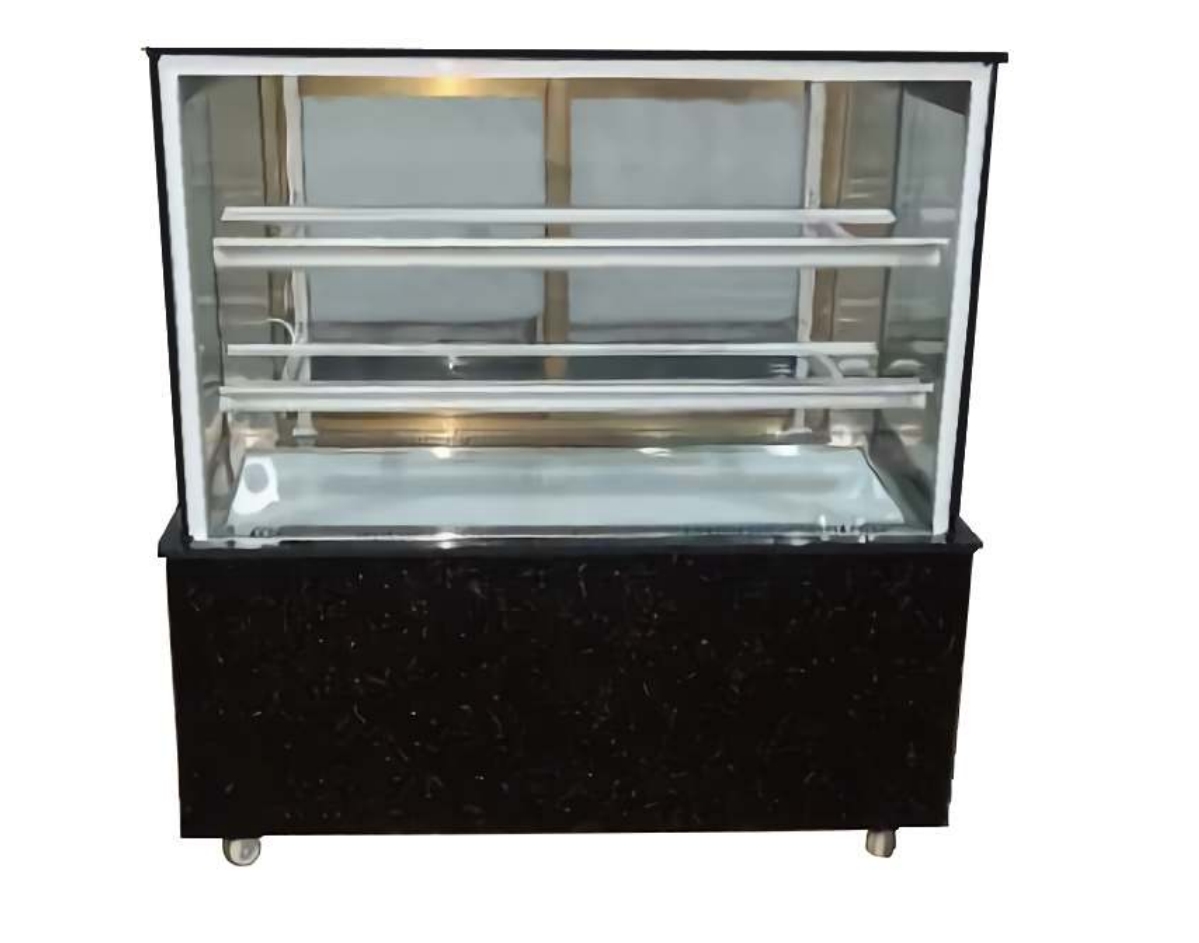
Make Every Cake Shine with the Right Display Refrigerator
A cake can be carefully baked, filled, and decorated, yet still lose its appeal when it sits in the wrong display case.
I have seen this happen in small bakeries and café counters. The cakes looked dry after a few hours, cream decorations began to soften, and customers had trouble seeing the details through fogged glass. The display refrigerator was working, but it was not suited to the products inside.
The right cake display refrigerator does more than keep desserts cold. It helps protect texture, improve visibility, and make the counter easier to manage.
### Start with the cakes you sell
I choose the refrigerator based on the menu, not only on its size.
A bakery selling fresh cream cakes may need stable cooling and steady airflow. A shop displaying mousse cakes may focus on temperature control and shelf space. A café with a smaller dessert range may prefer a compact unit that fits beside the checkout counter.
Before comparing models, I make a simple list:
- Cake height and diameter
- Number of trays used each day
- Cream, mousse, fruit, or chocolate decorations
- Average display time
- Available counter or floor space
- Access to a suitable power supply
- Cleaning and service needs
This list prevents a common mistake: choosing a refrigerator that looks attractive but does not match daily work.
### Look for stable temperature control
Cakes need a cool environment that stays steady during normal use.
A display refrigerator with large temperature swings may affect cream texture, fruit toppings, chocolate decorations, and soft fillings. Opening the door often can also change the internal temperature, especially when the unit is placed in a busy service area.
I check the stated temperature range and ask how the unit performs during repeated door opening. A clear control panel helps staff monitor the cabinet without guesswork. A visible temperature display can also support routine checks during the day.
The correct setting depends on the recipe, storage guidance, and local food-handling requirements. I do not rely on a single setting for every type of cake.
### Keep the glass clear
Customers buy with their eyes.
Clean, clear glass lets people see the cake layers, fruit, piping, and finish without opening the door. Curved glass may create a wide viewing area, while flat glass can suit a clean, modern counter layout.
Fogging is a practical concern. It may appear when warm air enters the case or when the room has high humidity. A well-designed display refrigerator should help reduce this problem through suitable glass, airflow, and drainage.
I also leave enough space between cakes and the glass. When trays are pushed too close, decoration can be damaged and the product may look crowded.
### Check the airflow design
Cold air should support the cakes without drying them out.
Strong airflow directed at uncovered cake surfaces may affect soft cream and delicate decorations. Uneven cooling can create another issue: cakes near the outlet stay colder than those on the lower shelf.
When I review a display refrigerator, I look for:
- Even cooling across the shelves
- Air outlets that do not blow directly onto products
- A layout that supports different cake sizes
- Space around trays for air movement
- A drainage system that is easy to access
A bakery may use cake boards, sealed containers, or protective covers for products that need extra protection. The refrigerator works as part of the storage process, not as a replacement for good handling.
### Match the capacity to daily sales
A larger refrigerator is not always the better choice.
An oversized cabinet can take up useful space and may make the display look empty. A small unit can create crowded shelves, blocked airflow, and more frequent restocking.
I prefer to estimate the normal number of cakes displayed during a typical sales period. Then I leave room for different tray sizes and basic air circulation.
For example, a neighborhood bakery may display eight whole cakes, several slices, and a few boxed desserts. A three-shelf cabinet could work well if the shelf depth and height fit the products. A busy cake studio with tall celebration cakes may need a taller cabinet or a separate storage refrigerator.
The display area should show the products clearly. It does not need to hold every item in the kitchen.
### Think about cleaning from the start
Cake cream, fruit juice, chocolate, and crumbs can reach small gaps quickly.
I look for removable shelves, smooth interior surfaces, accessible door seals, and easy-to-clean corners. Stainless steel sections can support routine cleaning, while glass shelves may offer a different visual style and care routine.
A simple cleaning schedule may include:
- Remove trays and loose items.
- Wipe spills before they harden.
- Clean the shelves and interior surfaces with suitable food-safe products.
- Check the door gasket for residue.
- Dry the surfaces before returning the cakes.
- Record any unusual noise, water buildup, or temperature change.
Staff should follow the cleaning instructions supplied with the equipment and the food-safety procedures used by the business.
### Consider the counter experience
The refrigerator becomes part of the shop layout.
I measure the available width, depth, height, door swing, and space around the ventilation area. A case placed too close to a wall may have poor airflow around the condenser. A door that opens into the customer path can slow service.
Lighting also affects the presentation. Neutral lighting can help customers see the actual color of the cake. Very strong lighting may create glare on the glass or make pale icing look different.
Noise matters in a quiet café. I ask about operating sound and listen to the unit in person when possible. A refrigerator that keeps the cakes cold but distracts customers may not suit the room.
### Review energy use and service access
A cake display refrigerator runs for many hours, so operating cost deserves attention.
I compare the rated power use, insulation, lighting type, door design, and defrost method. A well-insulated cabinet may support more stable operation, though actual energy use also depends on room temperature, loading, cleaning, and door opening.
Service access is another part of the purchase. I check:
- Warranty coverage
- Local technician availability
- Replacement parts
- Condenser cleaning access
- Drainage maintenance
- Response options if cooling changes
A lower purchase price may not be helpful if basic parts are difficult to obtain or routine service takes too long.
### Use the refrigerator correctly
Even a suitable unit can perform poorly when it is overloaded.
I avoid placing warm cakes directly into the display case. Cakes should be cooled according to the recipe and kitchen process before display. I also keep the shelves organized, close the door gently, and avoid long periods of open-door browsing.
Labels can help staff track preparation time, product name, and handling notes. Older items can be moved forward when appropriate, while products past their approved holding period should be handled according to the bakery’s procedure.
A simple layout can improve both presentation and service:
- Whole cakes at eye level
- Slices on a lower shelf
- Taller cakes placed where decorations remain visible
- Similar products grouped together
- Price and product information placed outside the cooling area
These small choices make the case easier to read and easier to maintain.
### A practical selection example
Imagine a café that sells cheesecake slices, fruit tarts, mousse cakes, and two whole cakes each day.
The owner may not need a large commercial cabinet. A medium display refrigerator with adjustable shelves, clear front glass, stable cooling, and easy cleaning access may fit the menu better. The owner can place slices on shallow trays, keep whole cakes on the upper shelf, and leave enough space around each item.
A bakery producing tall wedding cakes would need a different setup. Shelf height, door opening, internal depth, and loading access would matter more than a compact footprint.
The best choice changes with the products, sales pattern, and room layout.
I use the same question throughout the selection process: will this refrigerator help me keep the cakes in good condition while making them easy for customers to see?
A suitable display refrigerator supports more than cold storage. It protects the appearance of the cake, gives staff a cleaner workflow, and helps customers make a choice without repeated door opening.
When I compare models, I focus on temperature stability, visibility, airflow, capacity, cleaning, energy use, and service access. The right balance makes the display look inviting and keeps daily work manageable.
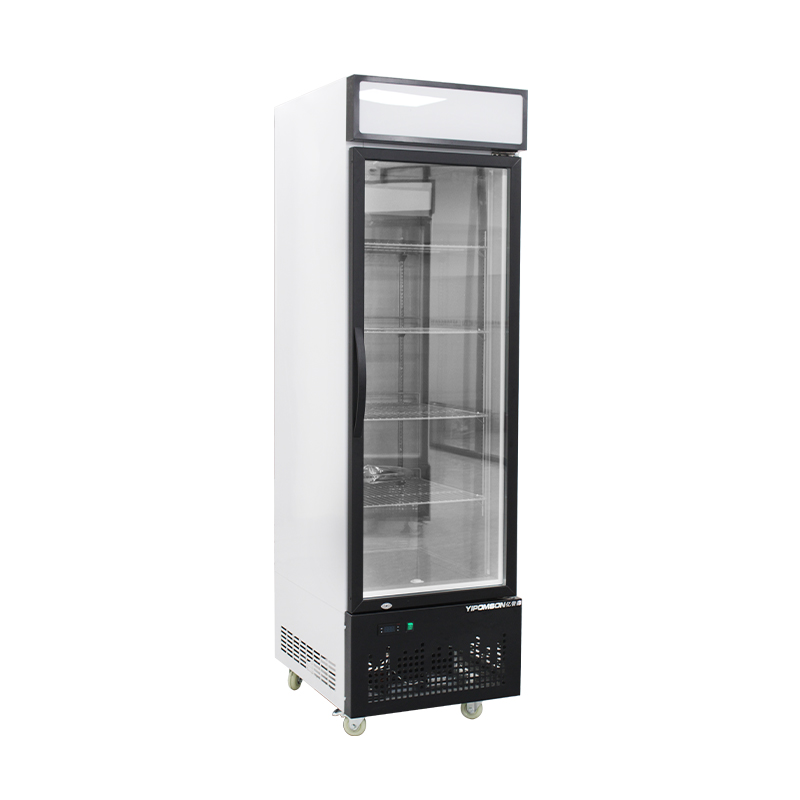
Why a Cake Display Refrigerator Helps Your Pastries Look Fresh and Delicious
When I place cakes and pastries in an open case, they can lose their appeal before customers have a chance to ask about them. Cream may soften, fruit can dry out, and delicate toppings may absorb odors from the shop. A cake display refrigerator gives me better control over these problems while keeping the products visible.
The display matters because customers often choose with their eyes. A neat row of cakes with smooth cream, clear layers, and bright fruit looks ready to serve. A unit with glass panels lets people view the products without opening the door again and again. That helps reduce unnecessary temperature changes and keeps the display more stable during service.
Temperature control is one of the main reasons I use a cake display refrigerator. Cakes made with cream, mousse, custard, or fresh fruit usually need a cool storage environment. The right setting depends on the recipe, ingredients, and the equipment maker’s instructions, so I check the product label and the refrigerator guide instead of using one setting for every dessert.
A stable temperature can help:
- Keep cream from becoming too soft
- Support the shape of mousse cakes
- Slow the drying of sponge cake
- Protect fresh fruit toppings
- Reduce the chance of chocolate and decorative items losing their form
The refrigerator does not improve a cake that was poorly prepared. It supports good preparation by giving the finished product a more suitable place to wait for service.
Humidity also affects how pastries look. Too much dry air can make exposed cake surfaces feel firm. Too much moisture may affect crisp pastry shells or create condensation on some decorations. I look for a display refrigerator designed for cakes and pastries rather than choosing a unit based only on its appearance or price.
The layout inside the case changes how customers view the products. I place larger cakes at the back or on raised shelves, then keep smaller pastries at eye level. This creates clear layers without blocking the view. I leave enough space between trays so the glass does not look crowded.
A bakery in Melbourne provides a useful example. The owner used to place cream cakes in a regular chilled cabinet. The cabinet kept the cakes cold, but the shelves were low and the front glass often collected moisture. Customers could not see the details of the products clearly. After switching to a cake display refrigerator with angled shelves and better internal airflow, the owner arranged fewer items per shelf. The cakes became easier to view, and staff spent less time moving trays around during busy periods.
Lighting has a quiet effect on product presentation. Soft, even lights can make cream, fruit, chocolate, and sponge layers easier to see. Strong lighting may create glare on the glass or change the way colors appear. I prefer lighting that shows the natural look of the dessert rather than lighting that makes the product look different from its actual condition.
Clean glass supports customer trust. Fingerprints, crumbs, and water marks can make fresh pastries look less appealing. I wipe the glass with a suitable food-service cleaner and use a clean cloth that does not leave fibers behind. I also clean shelves and trays on a regular schedule, especially after products with cream or fruit have been removed.
Airflow deserves attention as well. Cakes placed too close to an internal vent may dry out on one side or develop uneven surfaces. I check the cabinet after loading it and make sure products are not blocking the circulation path. A well-filled case still needs room for air to move around the shelves.
Choosing the right size prevents several daily problems. A cabinet that is too small may force me to stack boxes or place products too close together. A unit that is too large may take up valuable floor space and use more electricity than my shop needs. I measure the available area, door clearance, power connection, and daily display volume before I compare models.
I also check these details:
- Temperature adjustment range
- Glass type and visibility
- Shelf height and position
- Door style and sealing quality
- Internal lighting
- Noise level
- Ease of cleaning
- Service access
- Energy use listed by the manufacturer
A countertop model can suit a small café with a limited pastry range. A larger upright unit may work better for a bakery that sells whole cakes, slices, tarts, and chilled desserts throughout the day. My choice depends on the products I sell, not just the number of shelves shown in a product photo.
Product loading needs a simple routine. I allow freshly baked items to cool as the recipe requires before placing them in the cabinet. Warm products can raise the internal temperature and create moisture. I use clean trays, keep raw ingredients away from ready-to-serve desserts, and label products when staff need to track preparation times.
I avoid opening the door without a reason. During a busy afternoon, repeated opening can make the cabinet work harder and may affect the display temperature. I arrange popular items where staff can reach them easily, so service stays smooth when several customers are waiting.
A cake display refrigerator cannot replace good recipes, fresh ingredients, careful handling, or proper cleaning. It can help protect the appearance of finished products and give customers a clear view of what I offer. When the temperature, airflow, lighting, layout, and cleaning routine work together, cakes are more likely to keep their intended shape and texture during display.
For my shop, the best display is not the one filled with the most products. It is the one that keeps each pastry easy to see, suitable for service, and stored under conditions that match its ingredients. That balance helps the cakes look inviting without making claims that the equipment alone cannot support.
Want to learn more? Feel free to contact yipomson: caroline@yipomson.com/WhatsApp +8613360672196.
References
- U.S. Food and Drug Administration, 2022, Food Code 2022
- Food and Agriculture Organization of the United Nations, 2023, Food Safety Risk Analysis
- International Institute of Refrigeration, 2021, Refrigeration and Food Preservation
- William J. Stadelman and Owen J. Cotterill, 2019, Egg Science and Technology
- Wayne Gisslen, 2021, Professional Baking
- American Society of Heating Refrigerating and Air-Conditioning Engineers, 2022, Refrigeration Systems and Applications