
Hot Categories
Cut Energy Bills by 25% with Gas Conv.2026-10-12
Blog | 2026-09-11 11:36:08
Cut your energy bills by up to 25% with gas conversion, a practical and cost-effective solution for improving energy efficiency. By switching to a more efficient gas-powered system, you can reduce energy waste, lower monthly expenses, and enjoy more reliable performance. It’s a smart investment for homeowners and businesses looking to manage rising energy costs while supporting long-term savings.
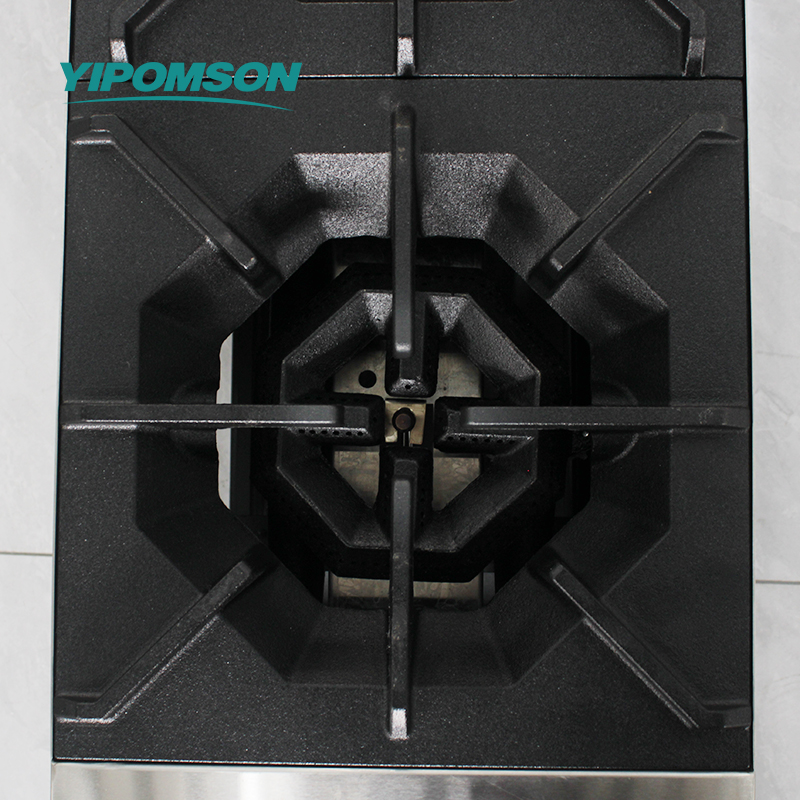
Save Up to 25% on Energy Bills with a Gas Conversion
A gas conversion may lower home energy costs, but the result depends on the current heating system, local fuel prices, home insulation, equipment efficiency, and daily usage. A saving of up to 25% may be possible for some households. It is not a guaranteed result for every property.
I would start by checking the last 12 months of energy bills. One winter bill can give a misleading picture because weather changes from year to year. I would record:
- Total electricity or heating fuel use
- Gas and electricity rates
- Heating system age
- Repair and service costs
- Average indoor temperature
- Home size and insulation condition
This information gives me a better view of the possible payback.
A gas conversion often involves more than replacing one appliance. The contractor may need to review the gas supply, flue route, ventilation, controls, and available space. A home that currently uses electric resistance heating may have a different cost profile from a home using an older oil boiler or an inefficient furnace.
For example, imagine a small home with older electric resistance heaters. The household uses 12,000 kWh of electricity for heating each year. If gas is available at a lower operating cost, the owner may reduce annual heating expenses after a suitable gas system is installed. The actual saving would depend on installation cost, local energy rates, maintenance, and how often the system runs.
A simple cost check can help:
- Add the annual energy cost for the current system.
- Estimate the gas cost from the proposed system’s efficiency rating.
- Add expected service, inspection, and repair costs.
- Include installation, venting, pipework, permits, and possible panel or meter work.
- Compare the estimated yearly difference with the full project cost.
A contractor should provide the calculation in writing. The estimate should show equipment size, fuel use assumptions, labor, materials, taxes, inspection charges, and any optional work. I would also ask whether the quote includes removal of the old system and disposal of unused equipment.
System size deserves attention. A unit that is too large may switch on and off often, which can affect comfort and service life. A unit that is too small may struggle during cold weather. A heat-load assessment gives the installer a better basis for selecting equipment than floor area alone.
The condition of the home also affects the result. Gaps around windows, poor attic insulation, and unsealed ductwork can raise energy use after a conversion. Sealing these areas may reduce heat loss and help the new system run for shorter periods.
Safety checks should be part of the plan. Gas equipment needs proper installation, ventilation, flue testing, and carbon monoxide protection. A qualified local professional should handle the gas connection and required inspections. A carbon monoxide alarm should be installed near sleeping areas according to local guidance.
A gas conversion may not suit every home. Fuel availability, installation limits, local rules, indoor air concerns, future energy prices, and the building’s existing electrical system all need review. Some properties may receive better value from insulation work, system repair, a heat pump assessment, or improved heating controls.
My preferred approach is to compare two or three options:
- Keep the current system and improve maintenance
- Convert to gas with a clear cost estimate
- Review another heating option with its expected running cost
This makes the decision less dependent on a single sales estimate. It also shows whether the possible saving comes from the conversion itself or from replacing an old, poorly maintained system.
A gas conversion can reduce energy bills for some households, and a saving of up to 25% may apply in certain conditions. The figure should be treated as an estimate, not a promise. The most useful decision comes from comparing real bills, verified fuel rates, equipment efficiency, installation costs, and the condition of the home.
Switch to Gas and Cut Your Energy Costs
Many households see energy bills rise when electric heating, hot water, and cooking use a large share of their monthly budget. Switching some appliances to gas may help reduce running costs, but the result depends on local gas rates, appliance efficiency, installation work, and daily usage.
I would start by comparing your current energy use with the estimated cost of gas. Check your recent bills and note how much electricity your heating system, water heater, dryer, or cooker uses. A home that relies on electric heating may have a different saving potential from a home that only wants to change its cooker.
A practical switch often follows these steps:
- Review the current setup
List the appliances you want to replace. Check their age, power rating, repair history, and average use. An older appliance may cost more to run, while a newer efficient electric model may already perform well.
- Check gas availability
Some properties already have a gas connection. Others may need a new supply line, meter work, ventilation, or pipe installation. A qualified gas professional can confirm whether the property is suitable and explain the expected installation work.
- Compare the full cost
Look beyond the appliance price. Include connection charges, labour, permits where required, annual servicing, and possible changes to ventilation. A lower fuel price does not always lead to a lower total cost if the installation is complex.
- Choose the right appliance
A modern gas boiler, water heater, cooker, or dryer may use less fuel than an older model. Ask for the efficiency rating and estimated running cost. The best option depends on the size of the property, the number of residents, and your normal usage pattern.
- Arrange a safe installation
Gas appliances need correct ventilation, flue design, pipework, and safety checks. Use a licensed or registered professional who is permitted to carry out gas work in your area. Do not attempt to connect or modify gas equipment yourself.
- Track the results
Record your energy use for several billing periods after the switch. Compare similar seasons where possible, since heating demand can change with the weather. This gives you a more useful view than comparing one warm month with one cold month.
For example, a three-bedroom home that uses electric heating and an electric water heater may have more room to review its energy costs than a small flat that only uses an electric cooker. The household should compare gas connection costs, equipment prices, maintenance needs, and local tariffs before making a decision.
Gas is not the right choice for every property. A well-insulated home with efficient electric heating may already have reasonable running costs. Some households may also prefer a heat pump or another electric system, especially where renewable electricity is available or gas connections are limited.
My approach is simple: check the current bills, assess the property, compare the full cost, and put safety before price. A careful comparison can show whether switching to gas is likely to support your budget or whether improving insulation and upgrading existing appliances would make more sense.
Lower Bills, Better Efficiency: Go Gas Today
I used to see the same problem every month: energy costs were hard to predict, and my home was not always using energy efficiently. A gas supply may help with heating and hot water, but the right plan depends on the property, local availability, usage, and current tariff.
Moving to gas can be a practical option for some homes. A gas boiler often heats water and rooms quickly, while modern controls can help manage daily use. The potential saving depends on the unit rates, standing charges, boiler condition, insulation, and how much energy the household uses.
Before changing supply, I check a few details.
- Review the current electricity or heating bill
- Compare the full cost of gas, electricity, installation, and maintenance
- Check whether a gas connection is available at the property
- Confirm that the boiler and appliances meet local safety requirements
- Ask about fixed and variable tariff options
- Read the contract, fees, renewal terms, and cancellation conditions
A lower unit rate does not always mean a lower total bill. Standing charges and household usage can change the result. A small flat with low heating demand may see a different outcome from a larger home with several bedrooms.
Here is a typical example. A two-bedroom household checks its annual energy statement and finds that heating accounts for much of its winter use. The owners compare their current system with a gas option. They include the gas standing charge, boiler service, installation work, and expected heating demand. The comparison shows that the change may reduce running costs, but the installation cost means the household needs time to recover the upfront expense. That type of review gives a more useful picture than looking at one advertised rate.
I also look at efficiency inside the home. Turning down the thermostat by a small amount may reduce heating demand. Heating only occupied rooms, checking radiator settings, sealing drafts, and improving insulation can support lower use. A timer or smart control may help keep the system aligned with the household routine.
A gas switch should not be treated as a quick answer for every property. Some homes may need new pipework, ventilation changes, or appliance upgrades. Renters may need permission from the property owner. Local rules and supplier requirements can also affect the process.
When I compare plans, I ask the supplier:
- What is the unit price?
- What is the daily standing charge?
- Is the price fixed or variable?
- Are there setup, exit, or service fees?
- What maintenance is included?
- How are meter readings collected?
- What happens when the contract ends?
Clear answers make it easier to compare offers without relying on a headline rate. I keep a recent meter reading and a full annual bill nearby, since estimates can be less useful than actual household data.
Lower bills come from the whole picture: a suitable tariff, a safe and efficient heating system, and sensible daily use. Gas may be a good fit for some households, while another energy option may suit others. A careful comparison helps me choose based on real costs rather than a simple promise of savings.
Want to learn more? Feel free to contact yipomson: caroline@yipomson.com/WhatsApp +8613360672196.
References
U.S. Department of Energy 2023 Energy Saver Guide to Residential Heating Systems
ENERGY STAR 2024 Guide to Energy Efficient Home Heating and Cooling
International Energy Agency 2023 Energy Efficiency 2023
U.S. Environmental Protection Agency 2023 Indoor Air Quality and Carbon Monoxide Safety
National Institute of Standards and Technology 2022 Residential Building Energy Performance and Insulation
International Energy Agency 2024 The Future of Gas in Residential Energy Use