
Hot Categories
Market Trends for Commercial Refrigerators in Southeast Asia2026-10-12
Company News | 2025-04-14 16:08:00
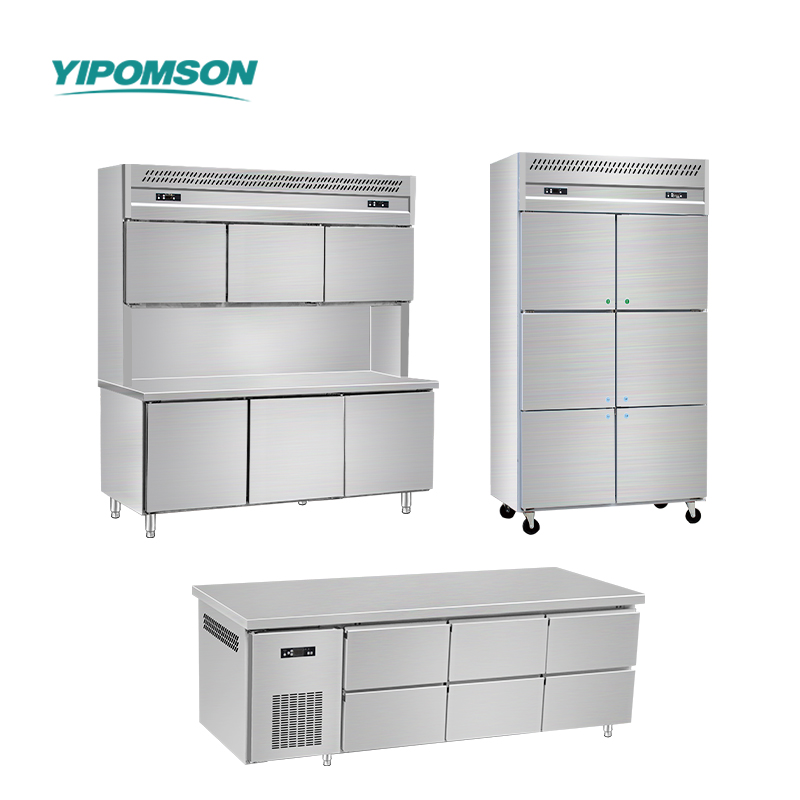
The commercial refrigerator market in Southeast Asia is experiencing dynamic growth, driven by evolving consumer demands, rapid urbanization, and the expansion of key industries such as food service, hospitality, and retail. Below is an analysis of the key trends shaping this market:
1. Economic Growth and Food Service Industry Expansion
-
Southeast Asia’s thriving economy, with countries like Vietnam, Indonesia, and the Philippines witnessing rising GDPs, has spurred the growth of the food and beverage (F&B) sector.
-
The proliferation of restaurants, cafes, quick-service chains, and cloud kitchens post-pandemic has directly increased demand for energy-efficient and high-capacity commercial refrigerators.
-
Tourism recovery in markets like Thailand and Malaysia is also boosting demand for refrigeration in hotels and resorts.
2. Rising Middle-Class Consumption
-
A growing middle class with higher disposable incomes is driving demand for convenience foods, fresh produce, and premium beverages, necessitating robust cold chain infrastructure.
-
Supermarkets, hypermarkets, and convenience stores are expanding rapidly, particularly in urban hubs like Jakarta, Bangkok, and Manila, further propelling commercial refrigeration needs.
3. Cold Chain Development
-
Governments and private players are investing in cold chain logistics to reduce food waste (a critical issue in tropical climates) and support agricultural exports.
-
Pharmaceuticals and healthcare sectors are also adopting temperature-controlled storage solutions, creating niche opportunities for specialized refrigerators.
4. Sustainability and Energy Efficiency
-
Stricter environmental regulations and rising energy costs are pushing businesses to adopt energy-star-rated and eco-friendly refrigerators.
-
Brands offering products with natural refrigerants (e.g., CO2-based systems) or IoT-enabled smart cooling systems (for real-time monitoring) are gaining traction.
5. Localization and Price Sensitivity
-
While global brands like Panasonic, LG, and Carrier dominate the premium segment, local manufacturers are capturing mid-range markets with cost-effective, climate-adapted solutions.
-
Price competition is intense, especially in price-sensitive markets like Vietnam and Cambodia, driving innovations in affordable yet durable designs.
6. E-commerce and Distribution Channels
-
Online B2B platforms (e.g., Alibaba, local players) are emerging as key channels for procurement, enabling SMEs to access a wider range of refrigeration solutions.
Challenges
-
Infrastructure Gaps: Uneven electricity access in rural areas and inconsistent cold chain networks hinder market penetration.
-
Climate Adaptability: High humidity and temperatures in tropical regions demand refrigerators with enhanced durability and cooling efficiency.
-
Regulatory Fragmentation: Varying import tariffs and certification standards across ASEAN countries complicate market entry for foreign brands.
Future Outlook
The Southeast Asian commercial refrigerator market is projected to grow at a CAGR of 6–8% through 2030. Key opportunities lie in:
-
Smart refrigeration integrated with IoT for predictive maintenance.
-
Modular and compact designs tailored for small urban food outlets.
-
Partnerships with cold chain startups and government-backed infrastructure projects.
In summary, the region’s demographic and economic momentum, coupled with sustainability-driven innovations, positions Southeast Asia as a high-growth market for commercial refrigeration. However, success requires balancing cost competitiveness with localization and climate-specific engineering.