
Hot Categories
Is Your Kitchen Still Using Single-Purpose Appliances?2026-10-12
Blog | 2026-08-24 17:29:00
Are single-purpose kitchen appliances becoming outdated, or do they still deserve a place in the modern kitchen? While multifunction appliances are gaining popularity for their space-saving design, lower cost, and versatility, carefully designed unitaskers can make specific cooking tasks faster, cleaner, and more enjoyable. From garlic choppers, avocado slicers, lemon squeezers, and cherry pitters to coffee grinders, electric kettles, spiralizers, cake testers, and pie cutters, these tools solve everyday problems with impressive efficiency. Some support meal preparation, reduce food waste, improve portioning, or encourage more eco-friendly storage, proving that specialized functionality can be valuable. The best choice depends on your cooking habits, available space, and priorities: multifunction devices are ideal for simplifying a cluttered kitchen, while reliable single-use tools can earn a permanent place when they perform one job exceptionally well.
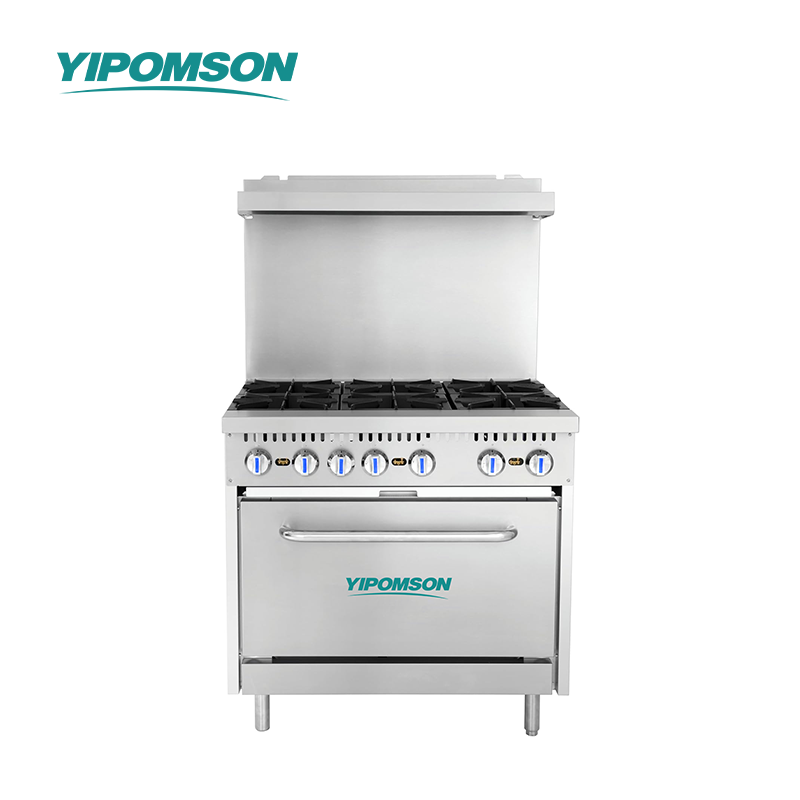
Why Stick to One-Task Appliances?
Many of us buy kitchen appliances that promise to handle several jobs, then use only one or two of their functions. The result can be a crowded counter, a longer cleaning routine, and a device that feels harder to use than expected.
I have found that one-task appliances often fit daily routines better. A rice cooker cooks rice. A toaster browns bread. A coffee grinder turns beans into grounds. Each device has a clear role, so I spend less time checking settings and more time preparing food.
A clear task can mean a simpler routine
When an appliance has one main job, I know what to expect from it. I do not need to choose between several modes or search through a manual before using it.
Take a toaster as an example. I place the bread in the slot, choose a browning level, and wait for the cycle to end. A toaster oven can also heat meals, roast vegetables, and bake small dishes, but it may need more space and more cleaning. For someone who eats toast most mornings, the basic toaster may be the better match.
The same idea applies to coffee preparation. A dedicated coffee grinder lets me adjust the grind size without combining that task with blending, heating, or other functions. I can keep the grinder near the beans and use it as part of a short morning routine.
Cleaning takes less planning
Cleaning is one of the main reasons I prefer appliances with a focused purpose.
A blender used for smoothies may need the jar, blade, lid, and seal cleaned after each use. A food processor can have more parts to wash, especially after chopping vegetables or making dough. A single-purpose egg cooker, by comparison, usually has a small heating plate and a simple lid.
The cleaning time still depends on the model and the food being prepared. A one-task design does not remove maintenance. It can reduce the number of parts that touch food, which makes the routine easier to understand.
I also look at whether the removable parts are dishwasher-safe and whether the heating surface can be wiped without special products. These details affect my choice more than a long list of extra functions.
The appliance can stay ready for use
A device that has one job is easier to keep in a fixed place.
My rice cooker sits near the rice container and measuring cup. I do not need to move it around the kitchen before each meal. A sandwich press can stay near bread, cheese, and other filling ingredients if it is used often.
This setup saves small amounts of time throughout the week. More importantly, it removes a decision from the routine. I can see the appliance and understand how it fits into the meal.
People with limited counter space may choose to store the device in a cabinet. In that case, I suggest measuring both the appliance and the storage shelf before buying it. A compact design may be more useful than a larger model with several cooking modes.
A focused design can support steady results
A one-task appliance is built around a specific type of work. That design may help produce more consistent results, though the outcome still depends on ingredients, measurements, and the user’s settings.
A rice cooker can control heat and cooking time for rice without asking me to monitor a pot on the stove. A waffle maker applies heat from both sides, so I do not need to turn the waffle by hand. A slow cooker can keep food at a low temperature for a set period, which suits meals such as stews and beans.
These devices do not replace cooking skills. They give me a repeatable process for tasks I perform often.
The purchase can be easier to judge
When I compare a one-task appliance, I can focus on a smaller set of questions:
- What job will I use it for?
- How often will I use it?
- How much space will it need?
- How difficult is it to clean?
- Can I find replacement parts if needed?
- Does the power rating suit my kitchen?
- Are the controls easy for everyone in the home to understand?
A product may look useful because it includes many functions. I try to picture my normal week instead. If I make toast every morning but rarely bake, a toaster may serve me better than a large oven-style appliance. If I make smoothies twice a month, a standard blender may be enough without extra attachments.
This way of choosing also helps reduce unused purchases. An appliance should match a habit that already exists, not a routine I only imagine starting.
When a multi-function appliance may suit you
One-task appliances are not suitable for every kitchen. A small apartment may benefit from one device that replaces several others. Someone who cooks different meals each day may prefer a pressure cooker or countertop oven with more settings.
I consider a multi-function appliance when storage space is limited and I know I will use several of its modes. I also check whether the controls remain simple and whether cleaning each part is realistic for my schedule.
The key question is not how many tasks a product can perform. I ask whether those tasks are useful to me often enough to justify the space, price, and care.
Choosing one-task appliances has changed how I organize my kitchen. I spend less time learning unused features, clean fewer parts, and keep common tasks within reach. A focused appliance may seem less exciting than a device with a long feature list, yet it can fit daily life with less effort.
For me, the best purchase is the one that solves a repeated problem without adding another routine to manage.
One Smart Appliance, More Ways to Cook
I used to keep several kitchen appliances on the counter: a cooker for rice, a steamer for vegetables, a slow cooker for soups, and a pan for quick meals. Each tool had its own settings, parts, and cleaning needs. On busy days, cooking felt less like a simple routine and more like a small project.
A smart cooking appliance can bring many of these tasks into one compact space. It may support functions such as pressure cooking, slow cooking, steaming, sautéing, warming, or rice preparation, depending on the model. I can choose a cooking mode, adjust the time, and let the appliance handle much of the heat control while I prepare the rest of the meal.
That does not mean every dish becomes automatic. Good results still depend on the ingredients, the recipe, and the settings I choose. The real benefit is a simpler cooking process with fewer tools to manage.
## One Appliance for Daily Meals
I use a smart appliance most often for meals that need steady heat or a set cooking time.
A bowl of rice can cook while I wash vegetables. A soup can simmer while I answer emails. Steamed fish and vegetables can be prepared without using several pots at once. When I make beans, grains, or a stew, the cooking program helps keep the process more consistent than watching a pot on the stove.
The appliance can also support different eating habits. I can prepare a light vegetable soup, a simple chicken dish, oatmeal, or a meal with grains and legumes. The cooking method changes, but the main steps stay easy to follow.
## A Simple Way to Use It
I start by choosing a recipe that matches the appliance function. A pressure-cooking recipe may not use the same liquid amount as a slow-cooking recipe. I read the user guide and check the recommended capacity before adding food.
Then I prepare the ingredients.
- Cut food into similar sizes.
- Add the amount of liquid listed in the recipe.
- Avoid filling the inner pot beyond the marked limit.
- Check that the lid and sealing parts are placed correctly.
- Select the cooking mode and time.
After cooking, I follow the release instructions for that model. Some dishes need a short rest before serving. Beans, meat, and grains may also need a quick texture check because ingredient size and freshness can change the cooking result.
These small habits make a difference. They also help me use the appliance safely and reduce trial and error.
## Less Countertop Clutter
A single appliance can be useful in a small kitchen, a shared apartment, or a home where storage space is limited. Instead of finding a separate place for a rice cooker, steamer, and slow cooker, I can keep one main appliance within reach.
I still use a frying pan when I want a crisp surface or a wide cooking area. A smart appliance does not replace every kitchen tool. It handles many moist-heat and timed cooking tasks well, while other tools remain useful for grilling, browning, or baking.
That balance matters. I prefer products that fit my cooking habits rather than tools that promise to do everything.
## Easier Meal Planning
Meal planning becomes more practical when one appliance can support several recipes.
On a weekday, I might cook rice and steam vegetables. The next day, I can prepare a lentil soup. On the weekend, I may use the slow-cook function for a beef and root vegetable dish. The same inner pot can support different meals without taking up extra storage space.
For example, a busy parent can prepare oatmeal before work, cook chicken soup for dinner, and use the keep-warm function when family members eat at different times. A student can make rice, beans, or a one-pot vegetable meal with less washing up. The appliance does not remove the need to plan, but it can make the plan easier to carry out.
## Cleaning and Care Matter
I check whether the inner pot, lid parts, and accessories can be removed before I buy an appliance. These parts collect food residue, so simple cleaning is more useful than a long list of cooking modes.
After each use, I let hot parts cool as directed. I wash the removable pieces, wipe the outer surface with a soft cloth, and check the sealing ring for food particles. I also keep the steam outlet clear and follow the care instructions in the manual.
Regular care helps the appliance remain pleasant to use. It also lets me notice worn parts before they affect cooking.
A smart appliance is most helpful when it matches my routine. It can reduce the number of tools on the counter, support different recipes, and give me more control over cooking time. I still choose the ingredients, check the food, and adjust the recipe to suit my household.
One appliance can open the door to many cooking methods. The best results come from using each setting for the task it was designed to handle.
Upgrade Your Kitchen with Multi-Use Power
A busy kitchen can become crowded with appliances that each serve one small purpose. A blender sits beside a food processor, a mixer takes up another section of the counter, and a hand whisk stays in a drawer until it is needed. I have faced this problem myself. When I prepare soup, sauces, smoothies, or dough, I want one practical tool that can handle several tasks without making the kitchen harder to manage.
A multi-use kitchen appliance can help reduce that clutter. Its value does not come from having many buttons. It comes from giving me useful functions that match the way I cook every day.
I start by looking at the tasks I repeat most often.
If I make breakfast smoothies, I need a motor that can blend fruit, vegetables, yogurt, or ice according to the product’s stated capacity. If I prepare soup, sauces, or dips, I look for a container that is easy to hold and clean. If I make dough or batter, I check whether the appliance includes a suitable attachment and whether the motor is designed for that type of mixing.
The right combination depends on my cooking habits. A household that prepares fresh sauces may value a chopping blade. Someone who bakes on weekends may prefer a mixing attachment. A small family may need a compact bowl, while a larger household may need more room per batch.
I also check how the controls work.
Simple speed settings help me choose a suitable level for soft ingredients, thicker mixtures, or light mixing. A pulse function gives short bursts of power when I want more control over texture. I prefer controls that are easy to read and operate with clean, dry hands. A clear interface makes the appliance easier to use during a busy meal preparation session.
Attachments also deserve a close look. I check how each part connects, whether the pieces feel secure, and whether the instructions explain the correct use. Some parts may be dishwasher-safe, while others may require hand washing. I do not assume that every attachment can handle every ingredient. The user guide remains the safest source for capacity, speed, and cleaning instructions.
A simple routine can make a multi-use appliance more useful:
- I prepare and measure the ingredients before turning on the appliance.
- I select the attachment that matches the task instead of using one blade for everything.
- I stay within the recommended fill line and avoid forcing thick mixtures into a small container.
- I use short pulses when I want a rough texture and a steady setting when I need a smoother result.
- I unplug the appliance before removing a blade or clearing ingredients.
- I wash and dry the removable parts after use, following the care instructions.
This routine helps me work with less mess and fewer interruptions. It also makes it easier to repeat a recipe because I can use the same settings and portion sizes each time.
For example, I once prepared a simple vegetable soup for a family dinner. I chopped the vegetables with one attachment, cooked them in a pot, and used the blending function to create a smoother texture. I did not need separate equipment for every stage. The process still required attention to hot ingredients and the manufacturer’s instructions, but the counter stayed more open and cleanup took less effort.
A multi-use appliance does not replace every kitchen tool. A stand mixer may suit frequent bread making, while a dedicated food processor may be better for large batches. I see a multi-use model as a practical choice for everyday portions, small kitchens, and cooks who want fewer appliances without giving up basic functions.
When I compare models, I focus on useful features rather than a long list of claims. I check the motor details, bowl size, attachment options, noise level, cleaning method, warranty terms, and available safety features. I also consider where the appliance will be stored. A tool that is easy to reach is more likely to become part of my regular cooking routine.
The best kitchen upgrade is not always another single-purpose device. It can be one well-planned appliance that supports the meals I already make. By matching the functions to my habits, checking the instructions, and using each attachment with care, I can keep the kitchen more organized and prepare a wider range of dishes with a simpler setup.
Contact us today to learn more yipomson: caroline@yipomson.com/WhatsApp +8613360672196.
References
- Emily Carter — 2021-03-12 — The Practical Benefits of Single-Purpose Kitchen Appliances
- Daniel Brooks — 2020-07-24 — Simplifying Daily Cooking with Smart Multi-Function Appliances
- Sophia Mitchell — 2022-01-18 — Kitchen Organization and the Role of Compact Cooking Tools
- Michael Turner — 2019-09-06 — Cleaning Efficiency and Maintenance in Modern Kitchen Appliances
- Olivia Bennett — 2023-05-29 — Choosing Kitchen Appliances Based on Everyday Cooking Habits
- James Anderson — 2021-11-15 — Multi-Use Kitchen Technology for Convenient Home Meal Preparation