
Hot Categories
Grill, Bake, Roast: The Ultimate Gas Combo Solution2026-10-12
Blog | 2026-08-21 14:23:40
The ultimate gas combo solution brings grilling, baking, and roasting together in one versatile cooking system. With precise heat control and reliable performance, it makes it easy to sear juicy steaks, bake golden dishes, and roast tender meals with confidence. Designed for everyday convenience and impressive results, this all-in-one solution adapts to every recipe and occasion, helping you prepare delicious food faster and enjoy greater flexibility in the kitchen.
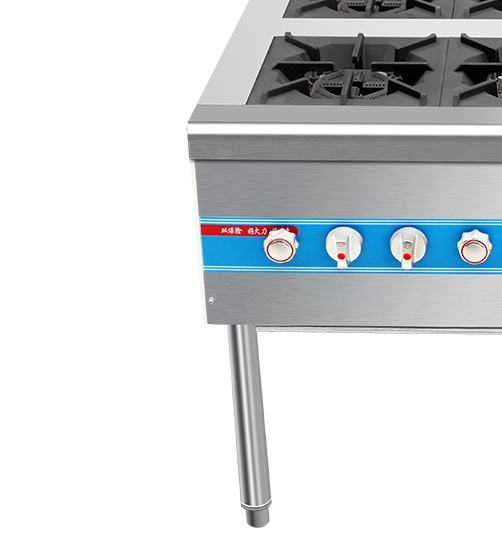
Grill, Bake, Roast—One Gas Solution for Every Craving
I used to think a gas grill was mainly for burgers, sausages, and steaks. Then I started using it for more of the meals I make at home. Grilled vegetables, baked flatbread, and slow-roasted chicken all became part of the same cooking routine.
A gas cooking setup can help when I want outdoor cooking without using several separate appliances. I can adjust the heat for different foods, keep the cooking area organized, and move from a quick lunch to a longer family meal with less preparation.
Grill for direct heat
When I grill, I place food over the active burners. This works well for foods that cook in a shorter time, such as:
- Beef patties
- Chicken breasts
- Fish fillets
- Corn on the cob
- Bell peppers and zucchini
I preheat the cooking surface, lightly oil the food, and leave enough space between each piece. That space helps heat move around the food and gives me more control when I turn it.
For a simple weeknight meal, I often grill chicken with sliced peppers and onions. The vegetables can go on a tray or in a grill basket, while the chicken cooks directly on the grate. One cooking area handles the main dish and the side.
Bake with a covered grill
A covered gas grill can work like an outdoor oven when I use indirect heat. I turn on one side of the burners and place the food on the cooler side. The lid holds the heat inside, which makes this method useful for:
- Flatbread
- Pizza
- Baked potatoes
- Casseroles in grill-safe cookware
- Small loaves of bread
The cooking result depends on the grill design, cookware, outdoor temperature, and food size. I check the food during cooking and use a thermometer when the recipe calls for a safe internal temperature.
For homemade flatbread, I preheat the grill, place the dough on a suitable surface, and close the lid. The crust cooks from the heat below while the covered space warms the top. I keep the toppings light so the center does not stay soft.
Roast with steady heat
Roasting needs more patience than direct grilling. I use indirect heat and keep the lid closed as much as possible. This method suits larger cuts of meat, whole poultry, root vegetables, and other foods that need steady cooking.
A family-style roast chicken is a practical example. I season the chicken, place it away from the active burner, and check the temperature near the thickest part of the meat. A tray underneath can catch drips and hold vegetables such as carrots or potatoes.
I avoid guessing doneness by color alone. A food thermometer gives me a clearer guide, especially when I cook thicker pieces or poultry.
A simple cooking routine
- Clean the grates and check that the burners are working properly.
- Decide whether the food needs direct or indirect heat.
- Preheat the grill with the lid closed.
- Prepare the food while the cooking surface heats.
- Place the food in the right zone and adjust the burners.
- Check the food during cooking without lifting the lid too often.
- Let cooked meat rest before slicing.
- Turn off the gas supply and clean the cooking surface after use.
I find that the best results come from matching the heat to the food instead of using one setting for every recipe. High heat suits thin foods and quick searing. Medium heat works for many everyday meals. Lower, steady heat helps with baking and roasting.
One gas solution can support several cooking styles, but it still needs good preparation and attention. When I plan the heat zones, choose the right cookware, and check food temperature, grilling, baking, and roasting become part of the same outdoor cooking experience.
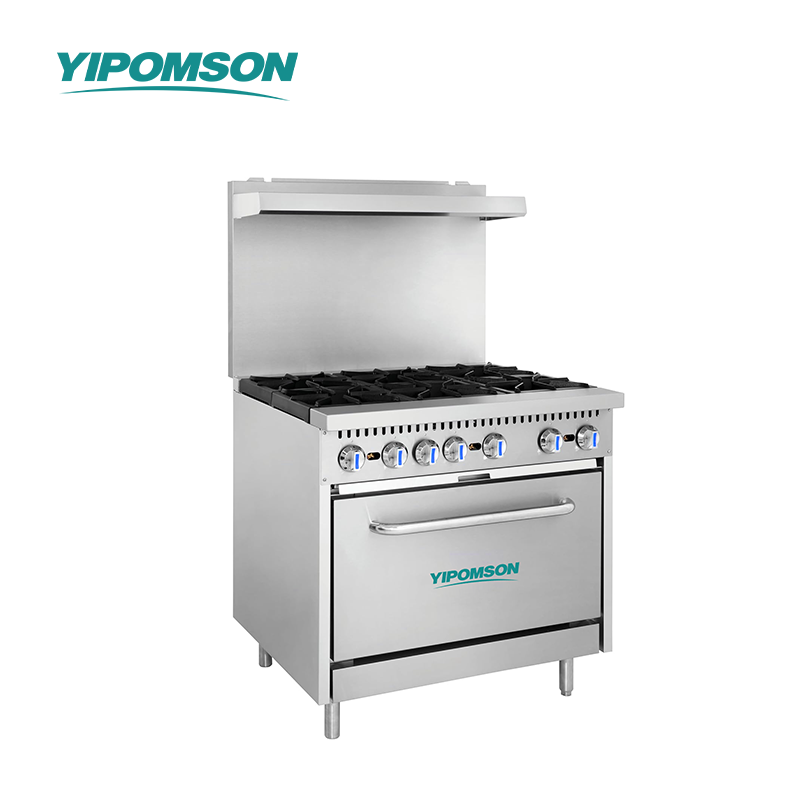
Your All-in-One Gas Cooking Companion
Cooking at home can become tiring when one meal needs several pots, changing heat levels, and constant attention. A gas cooking companion helps bring these tasks into one practical setup, giving me a direct way to control heat while I boil, fry, simmer, and sauté.
I like gas cooking because the flame responds as soon as I adjust the knob. This makes it easier to move from a quick boil to a gentle simmer without waiting for a heating surface to change temperature.
A useful gas cooking setup should support the way I actually cook:
- Clear burner controls for simple heat adjustment
- Stable pan supports for everyday cookware
- Enough space for more than one pot or pan
- A surface that can be wiped after cooking
- Flame visibility that helps me check the cooking process
When I prepare tomato soup, I can start with a stronger flame to heat the pot, then lower it once the soup begins to simmer. For fried eggs, I use a gentler setting and keep the pan centered on the burner. Small changes in flame can affect texture, cooking time, and moisture, so direct control gives me more flexibility.
Gas cooking also works well for different cookware sizes. A small saucepan is suitable for tea, sauces, or reheating food. A wider pan can handle vegetables, noodles, or a family-style stir-fry. Matching the pan to the burner helps spread heat more evenly and can reduce wasted gas.
Daily care does not need to take much time. After the surface has cooled, I remove food residue with a soft cloth and a suitable cleaner. I check the burner openings when the flame looks uneven, since spills can affect the flow of gas. Pan supports should stay firmly in place, and the area around the appliance should remain free from paper, cloth, and other items that can catch fire.
Safe use is part of a good cooking routine. I keep the kitchen ventilated, make sure the flame is lit before cooking, and turn the control off after use. If I smell gas, I do not operate electrical switches or use an open flame. I leave the area and contact the appropriate gas service for help.
An all-in-one gas cooking companion fits many home routines, from a quick breakfast to a slow family dinner. It gives me direct flame control, room for common cookware, and a familiar way to manage different recipes. The right choice depends on kitchen space, cooking habits, burner layout, cleaning needs, and the cookware I already use.
I do not choose a gas stove based on appearance alone. I look at how the controls feel, how steady the pan supports are, how easy the surface is to clean, and whether the setup matches my daily meals. These details shape the cooking experience long after the appliance has been installed.

From BBQ to Roast, Cook It All with Ease
I used to think BBQ and roast dishes needed separate equipment, extra space, and plenty of cooking experience. One evening meant standing beside the grill. Another required heating the oven and checking the food again and again.
A multi-purpose cooker can make this routine easier. With the right setting, I can prepare BBQ chicken, roasted vegetables, pork, fish, and other everyday dishes in one place. I still need to follow the cooking guide and check the food, but the process feels more manageable.
For BBQ-style cooking, I start by preparing the food in an even size. Chicken wings, meat slices, and vegetables cook more evenly when their portions are similar. I add a simple marinade, let the flavor settle, then place the food on the rack or tray.
The grill setting gives the surface more color and a lightly charred taste. I turn the food when needed so both sides receive heat. Thicker pieces may need more cooking time, while smaller pieces can dry out if left too long. A food thermometer helps me check the center without cutting the food open.
Roasting follows a different rhythm. I place potatoes, carrots, pumpkin, or meat on a tray, add a small amount of oil and seasoning, then choose a suitable temperature. The steady heat helps the food cook through while the outside develops a warm, roasted surface.
I find vegetables easy to manage this way. A tray of potatoes and peppers can cook beside a piece of chicken, as long as the food sizes and cooking times are suitable. Foods with different cooking needs may require separate trays or different cooking stages.
Cleanup matters as much as cooking. I place a sheet of baking paper on the tray when suitable, remove grease after the cooker cools, and wash the rack according to the care instructions. A clean cooking surface helps reduce leftover smells and keeps the next meal more pleasant.
A simple dinner plan could look like this:
- Season chicken thighs with garlic, pepper, salt, and a small amount of oil.
- Cut potatoes into similar-sized pieces.
- Place both foods on a tray with enough space between them.
- Roast the food until the center reaches a safe temperature.
- Use the grill setting for a short period if more surface color is wanted.
- Let the meat rest before serving.
I used a similar approach when preparing dinner for three family members. The chicken needed more time than the vegetables, so I started the meat earlier and added the vegetables later. This small adjustment helped prevent the potatoes from becoming too soft while the chicken continued to cook.
The cooker does not replace good food preparation. It cannot fix uneven cuts, excessive seasoning, or food that is left unattended. It gives me a more flexible way to handle different recipes, from a casual BBQ meal to a warm roast dinner.
When I choose a cooking appliance, I look at the settings, interior space, tray design, cleaning process, and care instructions. These details affect daily use more than a long list of features.
With a clear cooking plan and a little practice, I can move from BBQ chicken to roasted vegetables without changing between several appliances. That makes home cooking easier to organize and leaves more time to enjoy the meal.
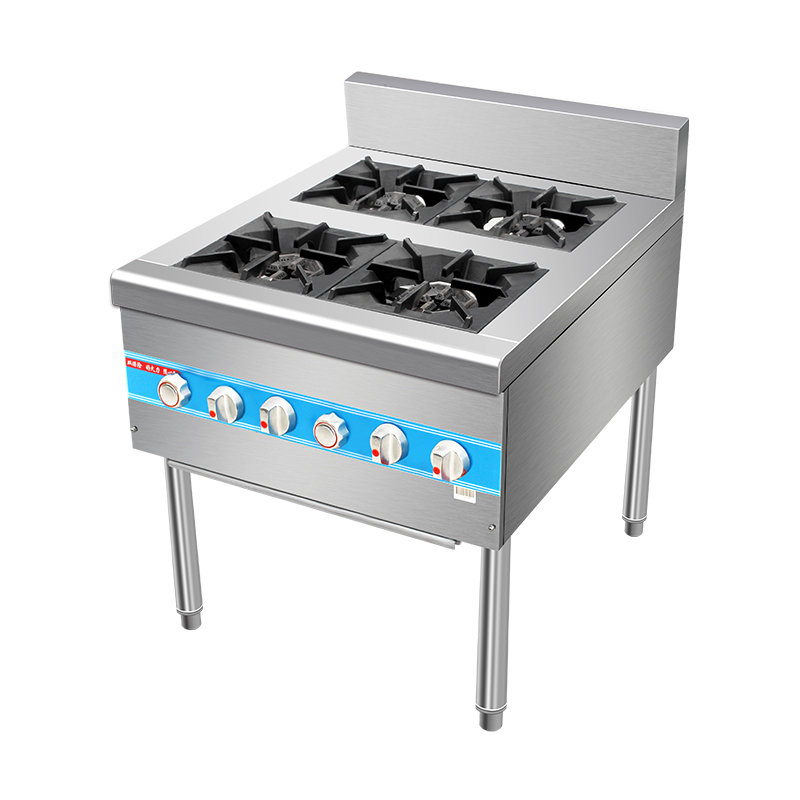
One Gas Combo, Endless Delicious Possibilities
I used to think I needed several kitchen appliances to prepare different meals. One tool for boiling, another for frying, and something else for slow cooking. That setup took up counter space and made simple meals feel harder than they needed to be.
A gas cooking combo can bring several cooking tasks into one kitchen setup. It can support quick breakfasts, family dinners, light snacks, and slow-cooked dishes, depending on the model and its functions.
The value is not about making cooking look complicated. It is about giving me more ways to use one gas appliance.
### One Gas Combo for Everyday Meals
A busy weekday often calls for food that is simple and filling.
I can use one burner to boil noodles or rice while another pan handles vegetables, eggs, or sliced chicken. The direct heat helps me adjust the cooking level as I prepare each part of the meal.
A basic dinner may include:
- Steamed rice
- Pan-fried fish
- Stir-fried greens
- A light soup
This kind of meal does not require a large collection of appliances. It needs steady heat, suitable cookware, and enough space to work safely.
### More Options for Breakfast
Breakfast can be quick without relying on packaged food.
I may heat a pan for eggs, warm bread on suitable cookware, or prepare porridge in a small pot. When the cooking surface is easy to reach, I can move between tasks without walking back and forth across the kitchen.
For a small household, this can make morning preparation feel more organized. For a larger family, several cooking zones may help different dishes develop at the same time. The available burners, pan size, and heat controls depend on the model, so I always check the product details before choosing one.
### From Quick Cooking to Slow Recipes
Gas heat is not limited to fast frying.
With a suitable pot and a low setting, I can prepare dishes that need more time, such as tomato sauce, beans, soup, or braised vegetables. The key is to keep the heat at a level that matches the recipe. High heat may cook the outside too quickly, while low heat allows the ingredients to soften gradually.
A simple example is a family tomato sauce. I can soften onions, add tomatoes and herbs, then let the sauce cook gently while I prepare pasta or vegetables on another burner.
### A Useful Setup for Small Kitchens
Counter space matters when I cook in a small apartment or a compact rental kitchen.
A gas combo may help reduce the need for separate cooking units. I can keep the layout more open and store fewer appliances after use. This does not mean every model suits every kitchen. I still need to check the gas connection, ventilation, installation requirements, and cookware space.
Safety should stay part of the setup:
- Keep the cooking area free from loose cloth and paper.
- Use cookware that matches the burner size.
- Check that the flame burns evenly.
- Turn off the gas supply after cooking.
- Follow the product manual for installation and cleaning.
- Ask a qualified technician to handle gas connections when required.
### One Appliance, Different Cooking Plans
The same gas combo can support different routines.
On a workday, I may use it for noodles and vegetables. At the weekend, I may prepare soup, grilled-style pan dishes, or a slow-cooked family recipe. When friends visit, I can cook several dishes in sequence without changing between multiple appliances.
My main lesson is simple: a gas cooking combo works best when it matches the way I already cook. I look at burner layout, heat control, cleaning access, gas type, kitchen size, and safety requirements before making a choice.
One gas setup can open the door to many meals, but the best results still come from suitable cookware, steady heat, and a practical cooking plan.
Make Every Meal Better with Versatile Gas Cooking
When I cook at home, I want more than a hot pan. I want steady heat for a slow sauce, a quick flame for boiling water, and enough control to move from one task to the next without changing my whole routine. Gas cooking gives me that flexibility.
A gas cooktop responds as soon as I adjust the flame. I can see the heat level, lower it for delicate food, or raise it when a pot needs to boil. This direct control suits many cooking styles, from simple weekday meals to dishes that need careful timing.
A typical evening in my kitchen might include pasta, sautéed vegetables, and a pan of chicken. I can use high heat to warm the pan, reduce the flame when the food starts to brown, and keep a gentle setting while I prepare a sauce. Each change takes only a small turn of the control.
Gas cooking also works well with different cookware. A heavy skillet helps with searing. A small saucepan supports sauces and warm drinks. A wide pot gives vegetables and noodles more room. Many gas cooktops can accommodate these items at the same time, as long as the cookware fits the burner and leaves enough space around it.
I use a few simple habits to make cooking easier:
- Match the pan size to the burner. A small pan on a large flame can waste heat and may warm the handle.
- Keep the pan centered over the burner. This helps spread heat more evenly across the cooking surface.
- Start with a moderate flame. More heat is not always better, especially with thin pans or delicate foods.
- Lower the flame when food begins to simmer. A steady low setting can help prevent sauces from sticking or boiling over.
- Use flat-bottom cookware where the cooktop design recommends it.
- Keep burner areas clean and dry after the cooktop has cooled.
- Follow the manufacturer’s instructions for ignition, ventilation, and cleaning.
I also pay attention to the type of meal I am making. A strong flame can help create a browned surface on meat or vegetables. A gentle flame is better for melting butter, warming milk, or reducing a sauce. When I cook rice, I bring the water to a boil, add the rice, then reduce the heat and cover the pot. This small adjustment helps the meal cook at a calm, even pace.
Gas cooking can support shared meals as well. While one burner holds soup at a low simmer, another can warm flatbread or cook vegetables. The layout of the cooktop matters here. A practical arrangement gives me enough room to lift a lid, turn a pan, and move utensils without crowding the cooking area.
There are a few points to consider before choosing a gas cooktop. Check the available gas connection, the burner layout, the size of your usual cookware, and the cleaning process. A model with clear controls can make daily use more comfortable. A surface with removable pan supports may also suit people who prefer to clean after every meal.
Safe use remains part of the cooking routine. I make sure the flame is burning as expected, keep cloth and paper away from the burners, and turn the controls off after cooking. If I notice an unusual smell, I stop using the appliance, avoid open flames or electrical switches, and contact a qualified service provider according to local guidance.
For me, the main benefit of gas cooking is control. I can change the flame while watching the food, respond to a pan that is heating too quickly, and move between different cooking methods with less guesswork. With suitable cookware, a clear workspace, and careful burner use, one gas cooktop can support quick meals, slow cooking, and many recipes in between.
Interested in learning more about industry trends and solutions? Contact yipomson: caroline@yipomson.com/WhatsApp +8613360672196.
References
References
International Gas Appliance Association 2024 Outdoor Gas Cooking Methods for Grilling Baking and Roasting
Miller James 2023 Practical Heat Control for Everyday Gas Cooking
European Kitchen Safety Council 2022 Safe Installation and Maintenance of Domestic Gas Cooktops
Anderson Emily 2024 From Direct Grilling to Indirect Roasting A Guide to Versatile Outdoor Cooking
Home Culinary Research Center 2023 Choosing Cookware and Burner Settings for Efficient Gas Cooking
Thompson Robert 2022 Planning Balanced Family Meals with Multi-Function Gas Appliances