Hot Categories
Why Upright Commercial Refrigerators Are Essential for Modern Kitchens2026-10-12
Company News | 2025-05-27 13:37:00
This comprehensive guide explores why upright commercial refrigerators are essential for today’s commercial kitchens, what benefits they offer, how they compare to other refrigeration units, and how to choose the right model for your business.
1. What Is an Upright Commercial Refrigerator?
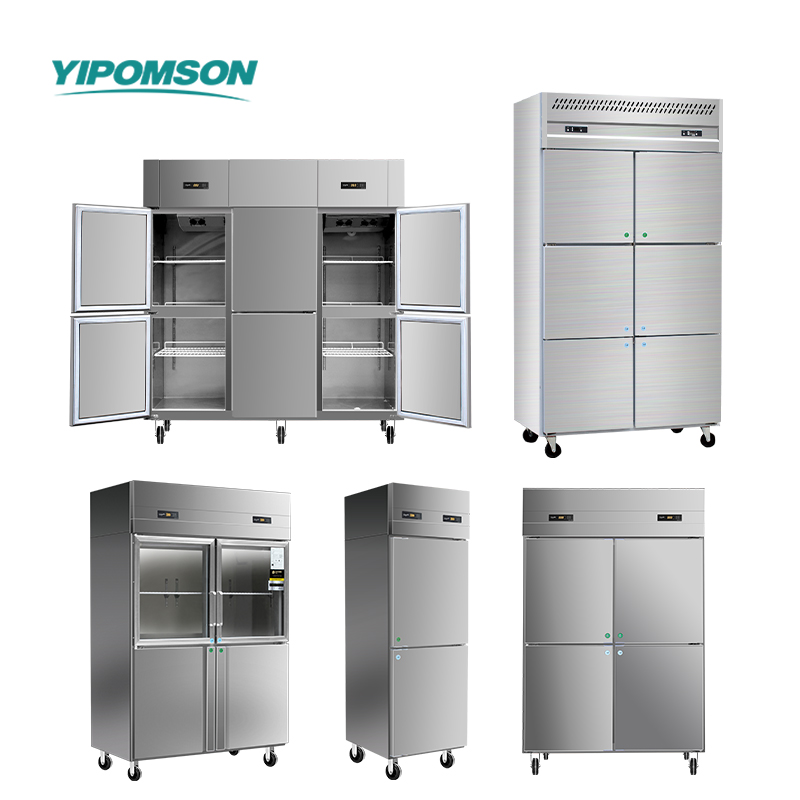
An upright commercial refrigerator, also known as a reach-in fridge or vertical fridge, is a tall, freestanding unit designed to store perishable food items at safe temperatures. These units usually have one, two, or three solid or glass doors and can reach heights over 6 feet. They are optimized for professional kitchens where quick access to ingredients and maximum use of vertical space are key priorities.
These refrigerators are built to meet strict food safety standards and are more durable than household units. They are made with stainless steel interiors and exteriors, commercial-grade insulation, and powerful compressors to handle constant usage and temperature recovery.
Related keywords: upright fridge, reach-in refrigerator, vertical commercial refrigerator, commercial-grade fridge
2. Benefits of Upright Commercial Refrigerators
2.1 Efficient Use of Vertical Space
In most commercial kitchens, floor space is limited. An upright fridge is ideal for making the most of the room by going vertical. Unlike chest freezers or undercounter refrigerators, upright units don’t spread out horizontally and allow you to store ingredients without sacrificing movement or workspace.
2.2 Easy Access and Visibility
Upright refrigerators are designed to store food in multiple compartments with adjustable shelves. This makes it easier to separate different food categories and keep everything within reach. When equipped with glass doors, they also improve visibility, allowing staff to quickly identify contents without opening the door, which helps preserve internal temperature.
2.3 Better Temperature Control and Recovery
Commercial upright refrigerators are equipped with powerful cooling systems. After frequent door openings—which are common in busy kitchens—they can quickly return to the optimal temperature, reducing the risk of spoilage. Digital thermostats and fan-assisted cooling further enhance consistent cold air distribution.
2.4 Built for Heavy Use
These refrigerators are built with materials and features that can withstand high-volume usage. Stainless steel surfaces resist corrosion and are easy to clean. Reinforced door hinges, commercial-grade compressors, and self-closing doors ensure long-lasting performance even under heavy daily use.
Related keywords: commercial refrigeration, food storage fridge, kitchen cooling solution, heavy-duty refrigerator.
3. Applications of Upright Commercial Refrigerators
3.1 Restaurants and Cafes
In fast-paced restaurant kitchens, upright commercial refrigerators store a wide range of ingredients: meats, seafood, sauces, prepped vegetables, and dairy. The ability to organize shelves and label items improves workflow and prevents cross-contamination.
3.2 Hotels and Hospitality
Hotel kitchens often serve breakfast buffets, banquets, and room service menus. These operations require reliable cold storage for large quantities of ingredients. Multi-door upright fridges with separate compartments can serve different kitchen sections simultaneously.
3.3 Bakeries and Dessert Shops
For bakeries and patisseries, upright refrigerators with precise temperature controls are crucial for storing butter, cream, and pre-made dough. Some models come with glass doors and LED lights to double as a display cooler for cakes and beverages.
3.4 Supermarkets and Convenience Stores
In front-of-house areas, glass-door upright fridges are ideal for showcasing cold drinks, dairy, and grab-and-go meals. These units are not only functional but help boost impulse sales by improving product visibility.
3.5 Food Manufacturing and Cold Storage Facilities
Large-scale food production plants use upright fridges to store ingredients, samples, or finished products before they are packaged or frozen. These units help ensure compliance with food safety regulations and maintain inventory in optimal conditions.
Related keywords: foodservice refrigerator, display refrigerator, restaurant fridge, commercial food storage
4. Key Features to Consider When Choosing an Upright Fridge
When selecting an upright commercial refrigerator for your business, there are several important factors to consider:
4.1 Size and Capacity
Choose the appropriate size based on your kitchen space and daily storage needs. Options range from single-door units for small operations to large three-door units for high-volume kitchens.
4.2 Solid Door vs. Glass Door
-
Solid doors offer better insulation and are ideal for back-of-house storage.
-
Glass doors provide visibility, making them better for front-of-house display or fast-paced prep stations.
4.3 Temperature Range
Make sure the refrigerator meets the temperature range required for your specific ingredients. Some models offer dual-zone refrigeration to separate frozen and chilled compartments.
4.4 Shelving and Interior Design
Adjustable shelves allow better organization. Consider anti-tip shelving, removable trays, and options for gastronorm pan compatibility.
4.5 Energy Efficiency
Look for energy-efficient models with LED lighting, high-efficiency compressors, and improved insulation. This reduces operating costs and is better for the environment.
4.6 Easy Maintenance
Models with self-defrosting functions, removable gaskets, and easy-to-clean interiors can save hours in cleaning and reduce downtime.
Related keywords: energy-efficient fridge, foodservice appliance, digital control refrigerator, glass-door commercial fridge
5. Maintenance Tips for Longer Equipment Life
To ensure your upright commercial refrigerator lasts longer and performs consistently, follow these basic maintenance steps:
-
Clean condenser coils monthly to prevent dust buildup.
-
Regularly check door seals to ensure they close tightly.
-
Defrost manually if needed (for non-auto-defrost models).
-
Avoid overloading shelves to ensure proper air circulation.
-
Schedule annual servicing for compressor and fan system checks.
Proper maintenance not only extends the equipment’s life but also helps reduce power usage and maintain hygiene.
6. Frequently Asked Questions
Q1: Can I use an upright commercial fridge in a home kitchen?
A: Technically yes, but commercial fridges are louder, consume more power, and may not match home kitchen aesthetics. They are designed for utility over comfort.
Q2: How long does an upright fridge last?
A: With proper maintenance, a high-quality commercial upright refrigerator can last between 8 to 15 years.
Q3: Do I need a backup power supply for my commercial fridge?
A: If you store high-value or highly perishable items, a backup power solution or generator is highly recommended to avoid spoilage during outages.