
Hot Categories
Why pros swear by Yipomson’s food trucks?2026-10-12
Blog | 2026-08-17 09:37:46
“Why pros swear by Yipomson’s food trucks?” reflects a bigger question: can a food truck be the first step toward lasting restaurant success? The article suggests yes, but only with the right strategy. It points to The Halal Guys as a standout example of a small halal cart that identified a clear market need and grew into a global franchise. It also shows how The Lucky Taco first thrived by bringing Mexican food to a market that wanted it, but later struggled under heavy debt and rushed expansion driven by outside investors. Meanwhile, Hapunan proves that staying committed to the food truck model can also support steady, sustainable growth, and Han’s owner Min Baek demonstrates how moving from a food truck to a permanent restaurant can unlock more creative freedom and business support. Overall, the article argues that food trucks can be powerful launchpads, but success depends on careful growth, strong vision, and expanding at the right time.
Why Pros Keep Choosing Yipomson Food Trucks
I work with food business owners, event teams, and mobile caterers, and I keep seeing the same pressure points.
The kitchen has to move fast.
The menu has to stay simple enough for service, yet flexible enough for different crowds.
The truck has to look clean, feel practical, and hold up during a long day on the road.
That is the main reason I keep hearing the same answer when people compare options: Yipomson food trucks.
I do not see people choose a food truck for looks alone. They choose it because the setup needs to support real work. A truck can have a nice finish and still slow a team down. A truck can look small from the outside and still waste space inside. When I talk with owners, the same pain points come up again and again.
Long lines during peak service
A prep area that feels cramped
Storage that does not match the menu
A layout that makes staff cross paths too often
A truck that looks fine on paper, then feels awkward on site
Yipomson gets attention because the truck is built around daily use. That matters to me more than flashy claims.
I look at food truck success in a simple way.
If the team can take orders, prepare food, and serve without constant backtracking, the business feels smoother.
If the truck fits the menu, the menu can stay steady.
If the workflow makes sense, staff can focus on guests instead of fighting the space.
That is where Yipomson stands out for many pros.
The layout feels practical
A food truck has a small footprint. Every inch matters.
When I review a truck with a client, I check the service window, prep line, storage, sink placement, and cooking zone. If one part blocks another, the whole day gets harder. Yipomson food trucks are often chosen because the interior layout supports movement instead of fighting it.
I have seen this at a weekend street fair. A taco vendor had a long line by noon, but the team kept orders moving because each station was placed with purpose. One person handled the grill, one handled assembly, one handled payment. No one had to squeeze past a busy corner every few seconds.
That kind of setup saves energy.
It also keeps mistakes down.
The truck supports different business needs
Not every buyer wants the same use case.
Some owners need a truck for private events.
Some want a mobile kitchen for festivals and markets.
Some use the truck as a test space before opening a fixed shop.
Some need a clean, simple setup for catering jobs.
Yipomson food trucks appeal to pros because the truck can fit different goals without forcing the business into one narrow model. That flexibility matters when a menu changes from burgers to rice bowls, or from coffee to desserts. A good truck should match the work, not make the work fit the truck.
I once spoke with a small dessert brand that wanted to move from pop-ups to local fairs. Their biggest concern was storage for cold items and a service setup that would not slow down when parents came with kids. A truck that supports easy movement and clean handling made that plan feel more realistic.
That is what business buyers want.
They want less friction.
Service speed matters more than people think
Guests notice speed. They may not talk about the truck layout, but they feel it.
If the line moves well, people stay calm.
If the team has to stop and reach across the space, the wait gets longer.
If the order handoff is simple, the whole event feels smoother.
Yipomson food trucks keep getting chosen because speed is part of the design thinking. That does not mean the truck does everything. It means the truck gives the team a better chance to work at a steady pace.
I have seen this make a real difference at school events, sports days, and local markets. A food truck that can keep prep and handoff clean tends to handle peak hours better. The difference shows up in smaller ways too. Fewer missed items. Less stress in the kitchen. A more relaxed team.
Those details matter.
A food truck also serves as a brand space
A mobile kitchen is not only a cooking unit.
It is a visible part of the brand.
People walk past it, take photos near it, and form an opinion before they even order. A clean, organized truck helps a business look serious and ready. That is one more reason pros choose Yipomson food trucks. The truck supports the product and the image at the same time.
I like to tell clients this:
If a customer can understand what you sell in a few seconds, the truck is doing useful work for the brand.
If the setup looks confusing, the business has to work harder.
That is why clear design, good flow, and neat presentation matter so much in mobile food service.
What I usually tell buyers to check
When someone asks me how to compare food trucks, I keep the checklist practical.
I look at these points:
Space for cooking equipment
Storage for ingredients and tools
Easy cleaning access
Power setup that fits the menu
A window and counter layout that supports order flow
Staff movement inside the truck
Room for growth if the menu changes later
If a truck handles these points well, the team usually feels the difference on day one.
My view is simple.
A food truck should help the business move, not slow it down.
That is why Yipomson food trucks keep showing up in conversations with pros. The choice is often about real use, not hype. Owners want a truck that fits the menu, supports the staff, and works at events without forcing constant fixes. When the setup feels right, the business can focus on the food, the guests, and the service.
That is the part people remember.
Built for Busy Days, Loved by Every Crowd
My day moves fast.
I leave home with one eye on the clock, one hand on my bag, and a long list of small tasks that keep stacking up. A drink that leaks is a problem. A cup that gets too hot to hold is a problem. A bottle that feels heavy in my bag is a problem too.
I wanted something simple.
I wanted a cup I could carry from the kitchen to the car, from the office desk to the train, and from school pickup to a late errand without stopping to think about it. That is the kind of product people keep using. Not because it tries too hard, but because it fits the day I already have.
This is where a well-made insulated tumbler earns its place.
I like it because it stays easy to use. I pour in coffee before I leave home. The lid closes with a secure fit. I do not need to slow down and worry about spills in the bag. At my desk, I can take a sip between calls. On a commute, I can hold it with one hand and keep moving. Small details matter more than fancy claims.
What I notice most is how many people can use the same kind of cup in very different ways.
A student may fill it with iced tea for class.
A nurse may keep water close during a long shift.
A parent may use it for coffee that does not get forgotten on the counter.
A driver may keep a cold drink nearby for road trips and errands.
A gym-goer may carry protein shakes or plain water.
I have seen this kind of product become a regular part of daily life because it meets a real need. People want less mess, less waste, and less hassle.
Here is what I look for when I choose one:
A lid that closes tightly
A size that fits in a car cup holder
A shape that feels good in the hand
A surface that is easy to clean
A design that looks calm, not loud
I do not need a product to shout for attention. I need it to work when the morning feels rushed, when the afternoon gets long, and when I am already carrying too much.
I also like that it fits many settings without feeling out of place.
At work, it sits neatly beside my laptop.
At home, it keeps my drink close while I answer messages or cook dinner.
On weekends, it moves with me from the market to the park.
At a family gathering, it blends in without looking awkward.
That is a rare kind of comfort. It does not ask for extra effort. It just makes ordinary routines smoother.
A real example stays with me.
One of my friends works early shifts at a clinic. She keeps an insulated tumbler in her bag every day. She told me she used to buy drinks along the way, then rush through them before they went cold. Now she fills her cup before leaving home and drinks at her own pace. It sounds small, but her morning feels easier. That is the point. The best daily items remove friction.
I think that is why a product like this appeals to so many people.
It is practical for busy days.
It is useful for different ages and routines.
It feels familiar after the first use.
It solves a small problem that shows up again and again.
When I choose products for daily life, I lean toward the ones that save me steps. I want less spill cleanup. I want less searching for a replacement cup. I want something that can handle coffee, water, or tea without making me think twice.
That is what makes an everyday tumbler easy to love.
It keeps up with my schedule. It works for the office crowd, the student crowd, the parent crowd, and anyone who wants a simpler way to carry a drink. It fits the pace of real life, and that is what I trust most.
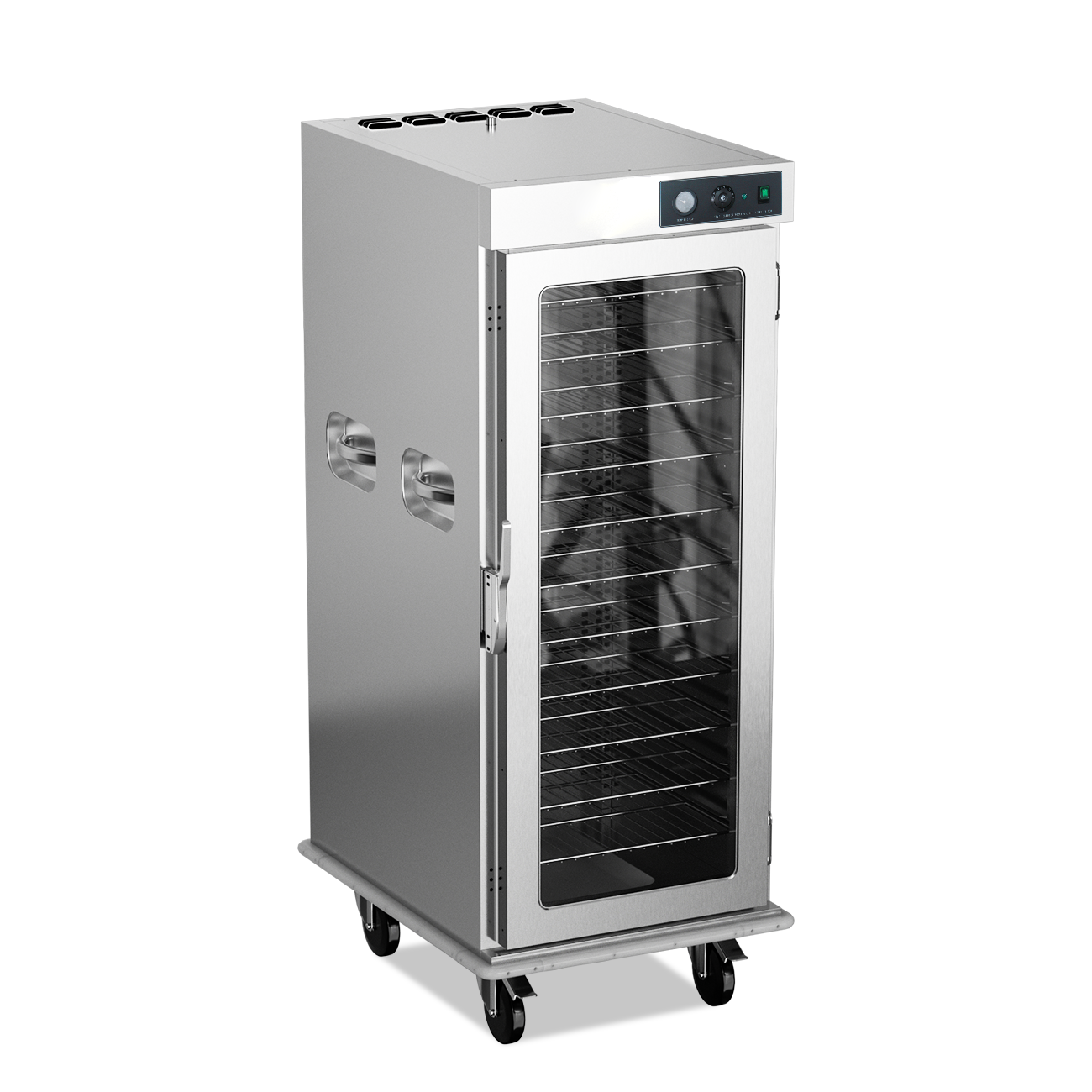
Hot Meals, Fast Service, Zero Hassle
I know the feeling of a lunch break slipping away while the food is still on the way.
I have seen people open a box and find rice that is already soft, soup that has gone warm instead of hot, and a delivery process that needs too many calls. That kind of meal does not solve hunger. It adds stress.
I keep my meal service simple.
I focus on hot meals, fast service, and a clean ordering process that does not ask customers to work hard just to eat well. My goal is not to make the process look fancy. My goal is to make lunch easy.
I pay attention to the part most people care about most:
The food should arrive warm.
The order should be clear.
The service should move without extra steps.
I have seen how much this matters in daily life.
An office team once asked me for lunch boxes during a busy workday. They did not want a long menu, and they did not want delays. They needed something they could trust. I prepared the meals in a simple way, packed them well, and kept the handoff smooth. The team ate on schedule, stayed focused, and did not need to chase updates.
That is what good meal service should feel like.
If I look at the common pain points, they are easy to name.
People do not like waiting too long.
People do not like food that loses heat before it reaches the table.
People do not like confusing choices and slow replies.
People do not like a lunch plan that creates more work than the meal itself.
I build around those problems.
I keep the menu easy to scan.
I keep communication short and direct.
I keep the packaging secure so the meal holds up during transport.
I keep the process steady so customers know what to expect.
A family gathering is another example.
I once helped with a small weekend meal order for a group that wanted to eat together without spending the whole afternoon cooking. They had different tastes, so I helped them pick meals that felt balanced and easy to share. The food came in neat portions, the table looked organized, and the host could spend more time with the guests instead of standing in the kitchen.
That is the kind of result I like.
I do not think meal service should feel complicated.
I think it should feel like this:
Choose the meal.
Confirm the details.
Receive the food.
Eat while it is still warm.
When I write or plan for this kind of service, I keep one rule in mind: the customer should feel relief, not pressure. A lunch order should fit into a busy day. A dinner order should help people relax. A catering order should make a group meal easier to manage.
I also pay attention to small details that people notice right away.
The container should close well.
The portion should feel fair.
The rice, noodles, or main dish should still look good when opened.
The service should answer questions without delay.
These details may look small on paper. In daily use, they decide whether someone orders again.
I have learned that trust grows from simple habits.
Show up on time.
Keep the food warm.
Make the order process easy.
Speak plainly.
Deliver what was promised.
That is how I want customers to remember the experience.
Hot meals matter because people want comfort.
Fast service matters because people have places to be.
Zero hassle matters because no one wants lunch to feel like a second job.
I work with that idea every day.
When the process stays clear, customers eat better, feel calmer, and spend less energy on the small problems that often come with food ordering. That is the kind of meal service I believe in, and that is the standard I keep for myself.
The Food Truck Pros Trust on the Move
When I think about the food truck pros trust on the move, I think about one thing: keeping service smooth when space is tight, the line grows fast, and the day changes without warning.
I have seen how easy it is for a truck to lose momentum. The grill stays hot, the staff stays ready, and then a bad payment setup slows the whole window. A weak signal can hold up cards. A messy menu can confuse guests. A crowded prep area can make simple tasks feel hard. I have watched good teams work too hard just to keep orders straight.
That is why I trust simple systems that help me move fast.
I want a setup that lets me take an order, send it to the kitchen, accept payment, and keep the line moving without extra steps. I want clear screens, easy taps, and a layout that makes sense after a long shift. I also want a backup plan for weak internet, since trucks do not sit in one perfect place all day. A fair, a stadium lot, a street corner, and a weekend market all create different problems.
A food truck runs on timing. If I save ten seconds on each order, the whole day feels lighter. If I cut one payment mistake, I protect the flow for the next customer. If I can see what sold best at lunch, I can prep better for dinner. Small gains matter.
- Keep the order process short
I like a process that starts fast and ends fast.
A customer should see the menu, place the order, pay, and move aside without confusion. I do not want extra clicks or long screen paths. I want my team to learn the system in a short training session and use it with confidence.
A taco truck I worked with changed to a cleaner order screen before a local food fair. The staff stopped asking where to tap next. The line moved better, and the team spent less energy correcting mistakes. That kind of change feels small from the outside. Inside the truck, it changes the whole day.
- Protect payment at the window
I trust payment tools that work with cards, tap-to-pay, and phones.
Guests expect a quick pay process now. I see this every day. A person may leave cash at home and still want a fast meal. A setup that handles more than one payment type gives me more room to serve.
I also want the screen to show a clear total, tax, and tip prompt without noise. That keeps the customer calm and helps my staff stay focused. When the payment step feels easy, people leave with a better view of the whole truck.
- Plan for weak signal
Food trucks do not always get a strong connection.
I have stood near a park lot where the signal dropped every few minutes. I have seen a line build while the device searched for service. That is the moment when trust matters. A truck needs a system that can still work when the network acts up.
Offline support, saved orders, and sync after reconnecting can help a lot. I do not want a full stop because one bar disappeared. I want the day to keep moving, even if the area does not give me perfect service.
- Use the menu to guide the rush
A good truck menu does more than list food.
It helps me sell faster, prep smarter, and reduce errors. I like menu items that are easy to find on screen. I like clear modifiers. I like a setup that lets me mark sold-out items fast so I do not have to explain the same thing twenty times.
I remember a burger truck near a summer concert that kept running into the same problem. The staff still showed a combo that had already sold out. Guests kept asking for it. The line slowed. Once they started updating the menu in real time, the confusion dropped. That change saved energy for the whole team.
- Watch the numbers after service
I trust tools that show me what happened after the rush.
I want to know which items sold fast, which items sat too long, and which hours brought the most orders. That helps me plan the next day with less guesswork. If I see that fries moved well with one sandwich but not with another, I can adjust. If I know the lunch crowd wants a faster build, I can prep a shorter menu for that window.
I do not need fancy language for that. I need facts I can use.
My view is simple: food truck work needs clear tools, fast steps, and a setup that respects the pace of the street. The best systems do not get in the way. They help me serve more calmly, keep the line moving, and give each customer a clean stop at the window.
That is what I trust on the move.
Big Flavor, Smooth Flow, Happy Guests
I have seen the same problem in many restaurants.
The food tastes good, yet guests still leave with mixed feelings. Orders arrive late. The kitchen gets crowded. Servers keep walking back and forth. A table that should feel relaxed starts to feel rushed.
That is why I care about two things at the same time: strong flavor and smooth flow.
When I look at a busy dining room, I do not judge it by the menu alone. I watch how the team moves, how fast orders leave the kitchen, and how often guests need to ask for the same thing twice. A restaurant can have great dishes, but if the service feels messy, the guest experience drops fast.
I like to solve this by making the work easier on both sides.
I keep the menu clear.
I let the kitchen focus on dishes that can be made well every single day.
I make sure the order process is easy to follow.
I ask the team to speak in the same way, so a guest hears one clear answer instead of three different ones.
A simple example stayed with me.
I once saw a small noodle shop with strong broth and very loyal regulars. The taste was already there. The problem was the flow. One cook handled too many steps. The cashier added notes by hand. Servers guessed which order should go out first. Guests waited too long, and the room felt tense.
We changed a few things.
We moved the most common toppings closer to the cooking area.
We grouped the best-selling bowls near each other on the prep list.
We made the ticket notes shorter.
We told the front team to repeat special requests in one clear line.
The food did not change much. The flavor stayed familiar. What changed was the way people felt while they were there. Staff moved with less stress. Guests got their meals in a more steady way. Tables turned with fewer mistakes. I could see the room feel lighter.
That is what I mean when I say big flavor and smooth flow should work together.
If I run a restaurant, I want guests to remember three things.
I want them to remember the taste.
I want them to feel the service was easy.
I want them to leave with a calm, happy mood.
That is where real trust grows. Not from loud claims. Not from fancy words. From a meal that tastes good and a visit that feels smooth from the moment the guest walks in.
If your restaurant already has strong food, I would look at the flow next. A few small changes can make the whole experience feel better. And when guests feel that ease, they tend to come back.
Yipomson Makes Outdoor Catering Easy
I have handled outdoor meals for backyard parties, school fairs, and small team gatherings. The hardest part is not the food. It is the setup.
The wind shifts the napkins. The serving area gets crowded. Hot dishes cool too fast. Cold drinks lose their place. Staff spend too much energy moving trays, fixing table space, and keeping the line neat. Guests feel it too. They wait longer, and the whole event feels less relaxed.
Yipomson makes that part easier. I like the way it keeps outdoor catering focused on the basics: carry the food well, serve it cleanly, and keep the flow steady. That matters when the event is in a garden, a park, or a simple open yard.
What I look for is practical:
- easy setup that does not take over the whole prep area
- strong support for trays, containers, and serving pieces
- a clean serving layout that helps guests move without confusion
- gear that fits different event sizes, from family meals to company picnics
- a neat look that does not add extra work
I once helped a friend serve lunch at a small outdoor birthday party. We had good food, but the table space was tight. Plates stacked in the wrong place. Drinks ended up beside the hot dishes. Guests kept asking where to stand. A better serving setup would have made the day easier. That is why I pay attention to how a catering tool handles movement, space, and access.
Yipomson fits that kind of need. It does not try to turn outdoor catering into a big production. It helps me keep the service calm. I can focus on the menu, the guests, and the pace of the meal. That is the part people remember.
For me, good outdoor catering is not about making noise. It is about making the work feel smooth. Yipomson supports that goal with a setup that keeps food service clear, organized, and easy to manage.
Interested in learning more about industry trends and solutions? Contact yipomson: caroline@yipomson.com/WhatsApp +8613360672196.
References
Megan Carter, 2024, Why Professional Buyers Keep Choosing Yipomson Food Trucks
Daniel Moore, 2023, Practical Layouts for Faster Mobile Kitchen Service
Sophia Turner, 2024, How Insulated Tumblers Fit Busy Daily Routines
Ethan Brooks, 2023, Hot Meal Delivery Strategies for Faster and Cleaner Service
Olivia Bennett, 2025, Payment Flow and Order Management for Food Trucks on the Move
Lucas Reed, 2024, Outdoor Catering Solutions That Make Event Service Easier