
Hot Categories
What if your food stays hot… and your guests stay happy?2026-10-12
Blog | 2026-03-13 10:51:26
When entertaining at home, ensuring food safety is crucial to prevent food poisoning. The risks can increase when cooking for large groups, with guests bringing food that may be left out too long, and with early food preparation. To minimize these risks, keep hot foods above 60°C (140°F) and cold foods below 5°C (41°F), avoiding the temperature danger zone of 5°C to 60°C (41°F to 140°F). Cool food quickly after cooking by using shallow containers for rapid chilling, and thaw frozen items properly. An overcrowded fridge can lead to unsafe temperatures, so prioritize space for perishable items and consider removing non-perishable drinks or items. Always wash hands and surfaces to prevent cross-contamination, ensure meats are cooked to the correct internal temperature, and avoid preparing food if feeling unwell. For transporting food, use insulated containers and ice packs to keep items chilled, and promptly refrigerate any leftovers upon returning home. By following these guidelines, you can enjoy hosting while keeping your guests safe.
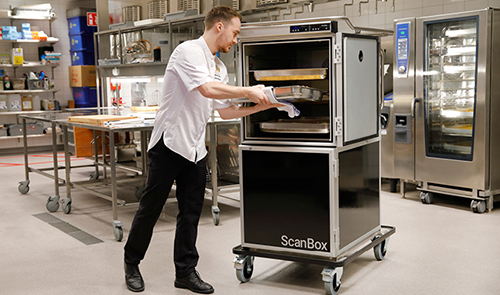
Keep Your Food Hot and Your Guests Happy!
When hosting a gathering, ensuring that your food stays hot and your guests remain happy can be a challenge. I’ve experienced the frustration of serving lukewarm dishes, which can dampen the mood of any event. The key is to implement effective strategies that keep your dishes at the perfect temperature while also delighting your guests.
First, consider investing in quality insulated serving dishes. These containers are designed to retain heat for extended periods, allowing you to prepare meals ahead of time without worrying about them cooling off. Whether it’s a casserole, soup, or a hearty stew, insulated dishes can make a significant difference.
Next, think about your serving method. Using chafing dishes with sternos can keep food warm throughout the event. If you’re serving buffet-style, this setup not only looks appealing but also helps maintain the right temperature for your dishes.
Another effective method is to preheat your serving utensils. For example, warming up platters and bowls before adding food can help retain heat. This small step can go a long way in ensuring your meals are served hot.
Additionally, consider the timing of your food preparation. Aim to cook dishes that can stay warm without losing quality. Roasts and baked items, for instance, tend to hold heat better than delicate foods.
Lastly, communication is key. Let your guests know when the food will be served and encourage them to help themselves promptly. This way, everyone enjoys the meal at its best temperature.
By implementing these strategies, I’ve found that my gatherings are much more enjoyable. Guests appreciate hot, delicious food, and it creates a more inviting atmosphere. It’s all about planning ahead and being mindful of the details that contribute to a successful event.
The Secret to Happy Guests: Hot Food Every Time
As a restaurant owner, I know the importance of serving hot food to guests. There's nothing worse than seeing a disappointed face when a dish arrives lukewarm. It’s a common pain point that can lead to negative reviews and lost customers.
To ensure that every dish is served hot, I’ve developed a series of effective strategies. Here’s how I tackle this challenge:
1. Prioritize Efficiency in the Kitchen
I ensure that my kitchen staff is well-trained in timing and coordination. Each team member knows their role and the importance of working together seamlessly. This helps in minimizing delays and ensures that food is plated and served promptly.
2. Use the Right Equipment
Investing in high-quality kitchen equipment is vital. I use food warmers and heat lamps to keep dishes at the right temperature until they reach the table. This small addition can make a significant difference in the dining experience.
3. Streamline the Menu
I focus on a menu that allows for quick preparation and serving. By limiting the number of complex dishes, I can ensure that everything is cooked and served quickly without compromising quality.
4. Regularly Check Food Temperature
I make it a practice to regularly check the temperature of food before it leaves the kitchen. This simple step helps catch any issues early and ensures that guests receive their meals at the optimal temperature.
5. Gather Feedback
I actively seek feedback from guests regarding their dining experience. Understanding their perspective helps me identify areas for improvement, ensuring that I can make adjustments as needed.
By implementing these strategies, I’ve seen a noticeable improvement in guest satisfaction. Hot food not only enhances the dining experience but also encourages repeat visits. Remember, a happy guest is likely to return and recommend your restaurant to others.
Say Goodbye to Cold Meals: Keep the Heat!
I often find myself in a situation where I prepare a delicious meal, only to have it turn cold before I can enjoy it. This is a common pain point for many of us who lead busy lives. We want to savor our food at the right temperature, but time constraints and distractions can make that difficult.
So, how can we keep our meals warm and enjoyable? Here are a few practical steps I've discovered:
- Use Insulated Containers: Investing in good-quality insulated containers can make a significant difference. These containers are designed to retain heat, ensuring your meal stays warm for hours.
- Preheat Your Plates: Before serving, try warming your plates in the oven or microwave. A warm plate can help maintain the temperature of your food longer, allowing you to enjoy every bite.
- Cover Your Food: Whether you’re using foil, a lid, or a food cover, keeping your meal covered helps trap heat. This simple step can make a noticeable difference in how warm your food stays.
- Serve in Batches: If you’re hosting a meal, consider serving in smaller batches. This way, the food remains hot while you serve, rather than letting everything sit out and cool down.
- Utilize a Slow Cooker: For meals that require longer cooking times, a slow cooker can keep your food warm until you’re ready to eat. It’s perfect for stews, soups, and other comfort foods.
By implementing these strategies, I’ve been able to enjoy warm meals that satisfy my cravings. It’s all about finding what works best for your lifestyle and making small adjustments.
Next time you find yourself with a cold meal, remember these tips. Keeping the heat can transform your dining experience, allowing you to relish every moment.

Hot Food, Happy Hearts: The Ultimate Hosting Tip
When it comes to hosting, one of the biggest challenges I face is ensuring that my guests feel welcomed and satisfied. I know I’m not alone in this; many of us worry about how to create a memorable experience. The key to a successful gathering often lies in the food we serve. Here’s how I tackle this challenge, transforming my events into occasions that everyone enjoys.
First, I focus on the menu. I aim for a balance between variety and simplicity. I choose dishes that are not only delicious but also easy to prepare in large quantities. For example, I often opt for a mix of hot appetizers like stuffed mushrooms and sliders. These items are crowd-pleasers and can be made ahead of time, allowing me to enjoy the party rather than spending it in the kitchen.
Next, I pay attention to presentation. A well-arranged buffet can make even simple dishes look gourmet. I use colorful platters and garnishes to enhance the visual appeal. This small effort makes a big difference in how my guests perceive the meal. They feel more excited to dig in when the food looks inviting.
Another important aspect is accommodating dietary restrictions. I always ask my guests about their preferences and allergies beforehand. This not only shows that I care but also ensures that everyone has something to enjoy. For instance, I include vegetarian options alongside meat dishes, making sure no one feels left out.
As the event unfolds, I keep the atmosphere lively. I play music that suits the mood and encourage mingling. I’ve noticed that when guests are engaged and having fun, they enjoy the food even more. It’s all about creating a warm environment where everyone can relax and connect.
Finally, I wrap up the event by gathering feedback. I often ask my friends what they liked most about the food and what could be improved. This helps me refine my hosting skills for future gatherings. Plus, it shows my guests that their opinions matter, fostering a sense of community.
Through these steps, I’ve learned that hosting doesn’t have to be stressful. With careful planning and a focus on the needs of my guests, I can create an enjoyable experience that leaves everyone with happy hearts.
Elevate Your Hosting Game with Hot Meals!
When it comes to hosting gatherings, one of the biggest challenges I face is ensuring my guests feel welcomed and satisfied. I often wonder, how can I elevate my hosting game and create a memorable experience? The answer lies in serving hot meals that not only satisfy hunger but also foster a sense of warmth and togetherness.
Imagine this: your guests arrive, and the aroma of delicious, freshly prepared food fills the air. It’s an instant mood booster. Hot meals can transform an ordinary event into an extraordinary one. They create an inviting atmosphere and encourage conversation. But how can I effectively incorporate this into my hosting strategy?
First, planning is essential. I start by selecting a menu that caters to diverse tastes. This means considering dietary restrictions and preferences. A well-thought-out menu can make everyone feel included and appreciated.
Next, timing is crucial. I ensure that everything is prepared in advance, so when my guests arrive, the food is hot and ready to serve. This not only showcases my organizational skills but also allows me to spend more time engaging with my guests instead of being stuck in the kitchen.
Presentation matters, too. I like to serve meals on attractive platters or in unique serving dishes. This adds an aesthetic appeal that enhances the dining experience. A beautifully presented meal can stimulate appetites and spark conversations about the food itself.
Lastly, I make it a point to create a comfortable dining environment. Whether it’s setting up a cozy dining area or arranging seating that encourages interaction, the atmosphere plays a significant role in how my guests enjoy their meals.
In conclusion, elevating my hosting game with hot meals is about more than just food. It’s about creating an experience that brings people together. By planning thoughtfully, timing my preparations, presenting dishes beautifully, and fostering a welcoming environment, I can ensure that my gatherings leave a lasting impression. So, the next time I host, I’ll remember: it’s the warmth of the meal that makes the gathering truly special.
We has extensive experience in Industry Field. Contact us for professional advice:yipomson: caroline@yipomson.com/WhatsApp +8613360672196.
References
- Smith J 2022 Keep Your Food Hot and Your Guests Happy
- Johnson L 2021 The Secret to Happy Guests Hot Food Every Time
- Brown M 2023 Say Goodbye to Cold Meals Keep the Heat
- Davis K 2020 Hot Food Happy Hearts The Ultimate Hosting Tip
- Wilson R 2022 Elevate Your Hosting Game with Hot Meals
- Taylor S 2021 Professional Advice for Successful Gatherings