Guangdong Yipomson Electric Co., Ltd.
Email: caroline@yipomson.com

Hot Categories
Lock in freshness, lock out waste!2026-10-12
Company News | 2025-03-15 10:22:00
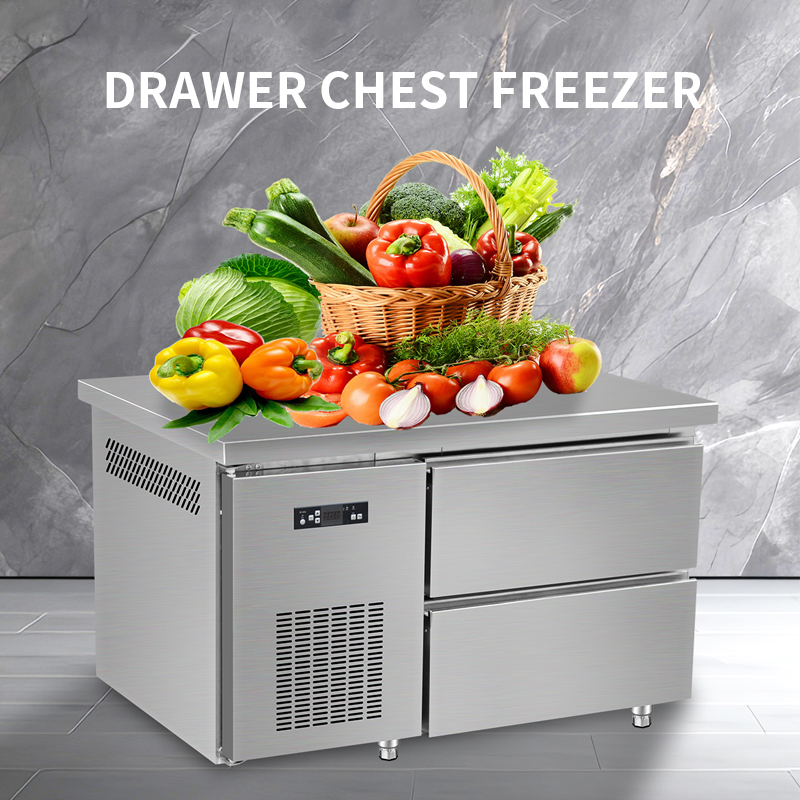
The refrigerator temperature is adjusted to the right temperature, which has a better effect on the preservation of food, so how much is the refrigerator temperature adjusted to?
Optimal setting of refrigerator temperature
In order to ensure the preservation of food and the efficient operation of the refrigerator, different refrigerator areas should be set at different temperatures:
1. Storage room
Recommended temperature: About 3°C
Action: This temperature is good for maintaining the freshness of food, usually for 3-5 days. Suitable for storage of fruits, vegetables and daily need for short-term storage of food.
2. Cold storage
Recommended temperature: 0 to 1°C
Function: This temperature will not freeze, and can be a good cold food. Although a layer of white frost may form on the surface at this temperature, it only takes a gentle shake and the white frost will fall off. This is suitable for storing meat, dairy products and other foods that need to be stored at lower temperatures.
3. Freeze room
Recommended temperature: -18°C
Function: This temperature is conducive to the rapid freezing of food, and can be preserved for a long time. Suitable for meat, seafood and frozen foods that need to be stored for a long time.
By correctly setting the temperature in each area of the refrigerator, the preservation time of food can be effectively extended to ensure the freshness and safety of food.
Refrigerator maintenance common sense
In order to ensure the efficient operation of the refrigerator and extend its service life, the following maintenance common sense needs special attention:
1. Keep away from heat and place properly
Location selection: The refrigerator should be placed in a cool place away from heat sources and well-ventilated as far as possible. Because every 5℃ increase in temperature around the refrigerator, its internal power consumption will increase by 25%.
Hot food treatment: Hot food should be cooled to room temperature before being placed in the refrigerator to reduce the workload of the refrigerator.
Frozen food packaging: The food in the freezer is best packed in small plastic bags, which can freeze faster, prevent food from drying out, and avoid moisture forming frost.
Food placement: Food should not be placed too full, leaving space for cold air circulation. Frozen food is best thawed in the freezer before eating.
2. Avoid opening doors too often
Opening times: Frequent opening of the door significantly increases the power consumption of the refrigerator and reduces its service life. Every time the door is opened, the cold air escapes, and the warm and wet air enters, so that the temperature in the box rises and the frost formation of the evaporator is accelerated.
Frost effect: the thermal conductivity of the frost is lower than that of the evaporator material, and the thickening of the frost layer will reduce the heat transfer efficiency, so that the temperature in the box will decline slowly, the compressor will work longer, and the power consumption will increase. When the thickness of the frost layer exceeds 10 mm, the heat transfer efficiency will be reduced by more than 30%, and the cooling efficiency will be greatly reduced.
Lighting in the box: When the door is opened, the lamp in the box is turned on, which consumes electricity and emits heat, and is not conducive to energy saving.
3. Reasonable loading and regular cleaning
Loading Capacity: The refrigerator should not be overfilled, and there should be adequate space to facilitate the circulation of cold air and ensure that all stored food can maintain the appropriate temperature.
Regular disinfection: Wipe the inside of the refrigerator with dilute bleach powder water or 0.1% potassium permanganate water every 3-4 weeks for disinfection.
Clean the filter: regularly clean the various layers of the refrigerator and the filter, the filter is especially easy to accumulate dirt and bacteria.