Hot Categories
Kitchen Efficiency with Commercial Refrigerated Workbenches2026-10-12
Company News | 2025-08-28 15:49:00
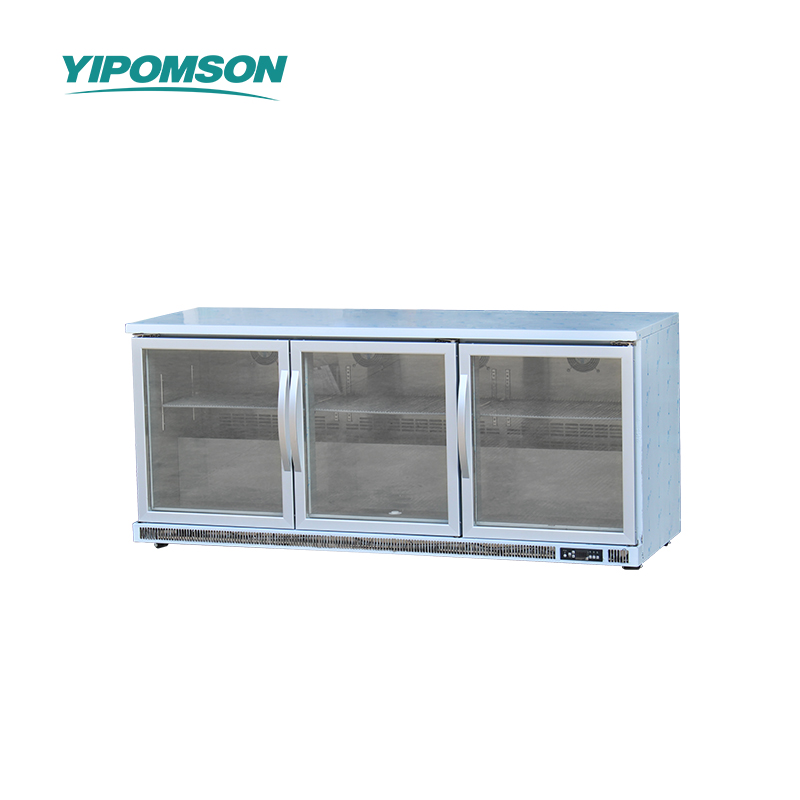
What Is a Commercial Refrigerated Workbench?
A commercial refrigerated workbench integrates a sturdy countertop workspace with an undercounter refrigeration unit. This design allows chefs to prep ingredients while keeping perishable food safely chilled within arm’s reach. Commonly found in restaurants, cafes, hotels, and catering kitchens, these workbenches come in various sizes and configurations.
Key characteristics:
-
Refrigerated base cabinets beneath the worktop.
-
Temperature-controlled compartments for ingredients.
-
Durable stainless steel construction suitable for heavy use.
-
Optional raised pan rails for garnishes and toppings.
Why Are Refrigerated Prep Tables Important?
Speed and safety are critical in commercial kitchens. With a restaurant cold prep station, staff can:
-
Reduce food handling time by keeping ingredients close.
-
Maintain food safety by storing perishables at correct temperatures.
-
Maximize kitchen space, especially in smaller operations.
-
Improve workflow during peak service hours.
For example, pizzerias use refrigerated workbenches to store dough, cheese, and toppings, while sandwich shops keep meats and vegetables ready to assemble.
Types of Commercial Refrigerated Workbenches
Depending on your menu and kitchen layout, you can choose from several types:
1. Sandwich and Salad Prep Tables
Equipped with ingredient pans and cutting boards for easy assembly of salads and sandwiches.
2. Pizza Prep Tables
Wider cutting surfaces and larger ingredient rails for pizza toppings.
3. Undercounter Refrigerators with Worktops
Compact units used primarily as additional cold storage with a workspace.
4. Dual Temperature Units
Provide both refrigerated and freezer sections for maximum flexibility.
Key Features to Consider
When selecting a commercial kitchen refrigeration table, look for:
-
Capacity and Size – Match your kitchen layout and storage needs.
-
Temperature Range – Consistent cooling to maintain food safety.
-
Construction Quality – Stainless steel interiors and exteriors for durability.
-
Compressor Location – Side-mounted compressors are easier to service.
-
Energy Efficiency – ENERGY STAR® rated models reduce operating costs.
-
Easy Cleaning Design – Removable gaskets and adjustable shelving.
Benefits of Commercial Refrigerated Workbenches
Improved Efficiency
Chefs can grab ingredients without leaving the prep station, speeding up service.
Better Food Quality and Safety
Proper cold storage prevents spoilage and maintains freshness.
Space Optimization
Combines prep area and refrigeration, freeing up valuable kitchen floor space.
Versatility
Can be customized with drawers, doors, and pan rails for different cuisines.
Applications Across Foodservice
A commercial refrigerated prep table fits a variety of businesses:
-
Quick-service restaurants for assembling sandwiches, wraps, and salads.
-
Pizzerias for dough and topping management.
-
Hotels and banquet kitchens for high-volume operations.
-
Catering services for mobile and event setups.
Its ability to maintain safe holding temperatures while facilitating prep work makes it a core piece of equipment.
Maintenance and Cleaning Tips
To ensure longevity and performance:
-
Clean condenser coils monthly to maintain energy efficiency.
-
Check door gaskets for wear and replace if needed.
-
Wipe down surfaces daily to maintain hygiene.
-
Monitor internal temperatures with a calibrated thermometer.
-
Schedule professional servicing periodically.
Neglecting maintenance can lead to inefficient cooling and costly repairs.
Latest Innovations in Refrigerated Workbenches
Manufacturers continue to improve these units:
-
Digital temperature displays for precise monitoring.
-
Self-closing doors to prevent energy loss.
-
Eco-friendly refrigerants that meet environmental regulations.
-
Heavy-duty casters for easier mobility and cleaning access.
-
Modular configurations allowing easy expansion.
Choosing the Right Refrigerated Workbench
Before purchasing, evaluate:
-
Menu and prep style – pizza, salad, or general prep.
-
Volume and peak hours – capacity should meet busiest periods.
-
Available space and ventilation – ensure proper airflow around compressors.
-
Budget vs. ROI – energy-efficient models may cost more initially but save over time.
-
Brand reputation and warranty – choose trusted manufacturers with strong support.
————————————We are a professional manufacturer of commercial refrigerator and have extensive experiencein the manufacturing of bakery equipment ,We also produce western kitchen Equipment.Our wide range of products includes commercial refrigerators with excellent refrigerationand steamed rice cabinet for different scenarios.In addition, we also provide high temperature intelligent disinfection cabinet with intelligentcontrol of high temperature and launch restaurant warmer dining cart with excellent thermalinsulation performance.In the bakery industry, our equipment is trusted by customers, such as high capacitycommercial oven for bakery, and advanced spiral dough mixer.We also provide stableelectric dough fermenting proofer to meet the stringent requirements of different customersfor the baking process.