
Hot Categories
Is Your Kitchen Equipment Holding You Back? Discover the Hidden Costs of Inefficiency!2026-10-12
Blog | 2025-08-08 14:07:32
Investing in the future of your kitchen is essential for any foodservice business, and making smart investments involves a strategic approach. Start by evaluating your current kitchen equipment to identify gaps and align upgrades with your long-term goals. Explore financing options such as leasing or rent-try-buy models to find flexible acquisition solutions that suit your budget. Prioritize energy-efficient and sustainable equipment to reduce costs and appeal to eco-conscious customers. Embrace smart technology to enhance efficiency and adaptability, ensuring your kitchen is future-proof. Regular maintenance and choosing durable equipment will maximize longevity, protecting your investment. By carefully assessing your needs, exploring financing options, prioritizing sustainability, integrating technology, and maintaining your equipment, you can optimize your kitchen investments for growth and success.
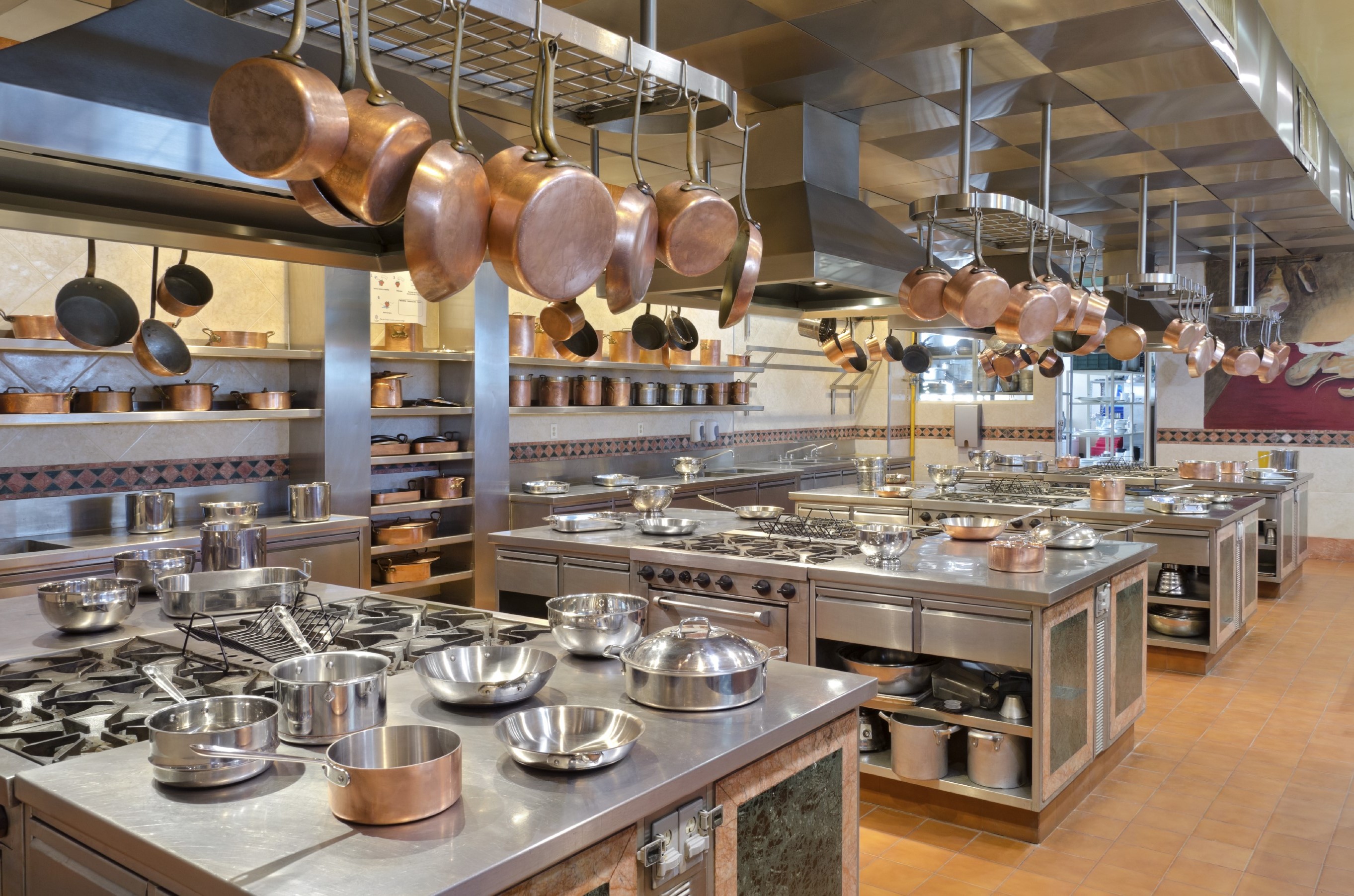
Is Your Kitchen Equipment Costing You More Than You Think?
Is your kitchen equipment costing you more than you think? I often find myself pondering this question, especially when I see friends and family struggling with outdated or inefficient tools. The reality is that the right kitchen equipment can make a significant difference in both time and money spent.
Many of us overlook the hidden costs of poor-quality or outdated kitchen tools. For instance, a dull knife can lead to longer prep times, resulting in wasted hours and increased frustration. Similarly, an inefficient stove or oven can drive up energy bills. So, what can we do to ensure our kitchen equipment is not draining our resources?
First, assess your current kitchen tools. Take a good look at what you have. Are your knives sharp? Is your cookware in good condition? If you find items that are worn out or ineffective, it's time to consider replacements. Investing in high-quality equipment can save you money in the long run by reducing the need for frequent replacements.
Next, think about energy efficiency. Appliances that consume less power can significantly lower your utility bills. When shopping for new equipment, look for energy-efficient models. They may come with a higher upfront cost, but the savings over time can be substantial.
Another point to consider is versatility. Equipment that can serve multiple purposes can help reduce clutter and save money. For example, a good food processor can replace several tools, making meal prep quicker and easier.
Lastly, don’t forget about maintenance. Regularly cleaning and caring for your kitchen tools can extend their lifespan and improve performance. Simple actions like sharpening knives and cleaning appliances can make a big difference.
In summary, taking the time to evaluate your kitchen equipment can lead to significant savings and improved efficiency. By investing in quality tools, prioritizing energy efficiency, and maintaining what you have, you can ensure that your kitchen supports your cooking needs without breaking the bank.
Uncover the True Price of Inefficient Kitchen Tools!
Inefficient kitchen tools can be a hidden drain on both time and money. Have you ever found yourself struggling with a dull knife or a slow blender? These tools not only make cooking a chore but can also lead to wasted ingredients and increased frustration. I’ve been there, and I understand how it feels to invest in kitchen gadgets that just don’t deliver.
Let’s break down the issues. First, consider the time wasted. When your tools don’t perform well, you spend extra minutes—sometimes even hours—on tasks that should be quick and easy. For example, chopping vegetables with a dull knife can take twice as long, leading to a less enjoyable cooking experience.
Next, think about the money aspect. Investing in cheap, inefficient tools might seem like a good idea initially, but they often need to be replaced sooner than expected. Over time, this can add up to more than purchasing a high-quality item from the start. I’ve learned that it’s better to invest in reliable tools that last, ultimately saving money in the long run.
So, what can you do? Start by evaluating your current kitchen tools. Identify which ones are causing you the most trouble. Are there specific tasks that take longer than they should? Once you’ve pinpointed the culprits, research and invest in quality alternatives. Look for reviews and recommendations to ensure you’re choosing tools that will enhance your cooking experience.
In conclusion, the true price of inefficient kitchen tools goes beyond their initial cost. It’s about the time lost and the frustration endured. By prioritizing quality over quantity, you can create a more efficient and enjoyable kitchen environment. Remember, the right tools can transform cooking from a chore into a pleasure.
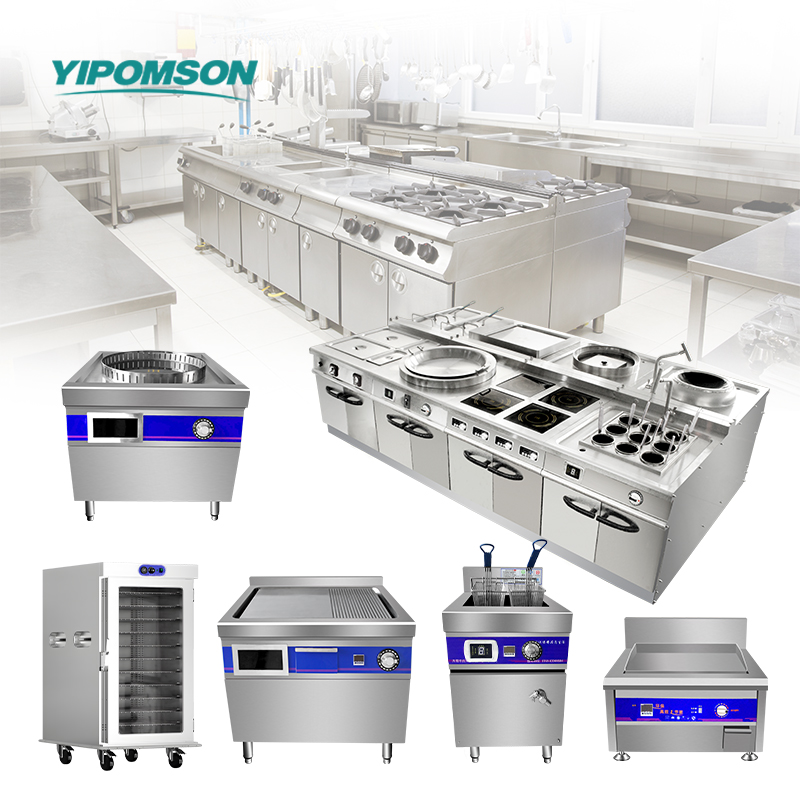
Are You Losing Money in Your Kitchen? Find Out Why!
Are you feeling the pinch when it comes to your kitchen expenses? It’s frustrating to watch money slip through your fingers, especially when you’re doing your best to manage costs. I’ve been there too, and it’s time to dig into the reasons why this might be happening.
Identifying the Issues
First, let’s look at the common culprits that could be draining your budget. Poor inventory management is often at the top of the list. When I started tracking my kitchen supplies, I realized how much I was wasting due to expired ingredients or over-purchasing. Keeping a detailed inventory can help you avoid unnecessary purchases and ensure you’re using what you already have.
Next, consider your meal planning. I used to throw together meals without a clear plan, which led to impulse buys and last-minute takeout. By setting aside time each week to plan meals, I not only saved money but also reduced food waste. This simple step can make a significant difference in your overall spending.
Taking Action
Now that we’ve identified some key issues, let’s explore actionable steps:
- Track Your Spending: Start by keeping a record of all your kitchen-related expenses for a month. This will give you a clearer picture of where your money is going.
- Create a Meal Plan: Dedicate a specific time each week to plan your meals. Use ingredients you already have to minimize waste and avoid buying unnecessary items.
- Implement Inventory Management: Regularly check your pantry and fridge to keep track of what you have. Consider using apps or spreadsheets to help manage your inventory efficiently.
- Cook in Batches: Preparing larger quantities of meals can save both time and money. Freeze leftovers for future meals, reducing the temptation to order takeout.
- Shop Smart: Make a shopping list based on your meal plan and stick to it. Avoid shopping when you’re hungry to prevent impulse buys.
Conclusion
By taking these steps, I’ve seen a noticeable improvement in my kitchen budget. It’s about being proactive and mindful of how we manage our resources. Remember, small changes can lead to significant savings over time. Don’t let your kitchen become a financial drain—take control and watch your savings grow!
The Hidden Costs of Outdated Kitchen Equipment Revealed!
Cooking is a daily task for many of us, but have you ever stopped to consider the hidden costs of using outdated kitchen equipment? I’ve been there, relying on old appliances that seem to work just fine, but the truth is, they can drain both your time and your wallet. Let’s dive into this issue and explore how upgrading your kitchen tools can lead to significant savings and improved efficiency.
First, let’s address the most obvious pain point: inefficiency. Using outdated equipment often means longer cooking times and inconsistent results. For instance, a worn-out oven may not heat evenly, causing your baked goods to come out unevenly cooked. This not only affects the quality of your meals but can also lead to wasted ingredients and increased frustration in the kitchen.
Next, consider the energy costs. Older appliances are typically less energy-efficient than their modern counterparts. For example, a refrigerator that is more than ten years old can consume significantly more electricity than a newer model. This inefficiency can add up over time, impacting your utility bills. By investing in energy-efficient appliances, you can reduce your monthly expenses while also benefiting the environment.
Another factor to consider is safety. Outdated kitchen equipment can pose safety risks. For instance, a worn-out blender may not function properly, leading to potential accidents. Upgrading to newer, safer models can provide peace of mind and enhance your cooking experience.
So, how can you tackle these hidden costs? Here are some practical steps:
- Evaluate Your Equipment: Take stock of your kitchen tools and appliances. Identify which ones are outdated or underperforming.
- Research Upgrades: Look into modern appliances that offer better efficiency and safety features. Read reviews and compare energy ratings.
- Budget for Upgrades: Set aside a budget for replacing your outdated equipment. Consider the long-term savings on energy bills and food costs.
- Make the Investment: Once you’ve done your research and budgeting, it’s time to purchase the new equipment. Look for sales or discounts to maximize your investment.
- Maintain Your New Equipment: Regular maintenance can extend the life of your new appliances, ensuring that you continue to reap the benefits of your investment.
In summary, the hidden costs of outdated kitchen equipment can significantly affect your cooking experience and finances. By recognizing the inefficiencies, energy waste, and safety risks associated with old appliances, you can make informed decisions that lead to a more efficient and enjoyable kitchen. Upgrading may require an initial investment, but the long-term benefits will surely outweigh the costs. Embrace the change, and you’ll find cooking becomes a more pleasant and cost-effective endeavor.
How Efficient is Your Kitchen? Discover the Shocking Truth!
Is your kitchen truly as efficient as it could be? Many of us spend countless hours preparing meals, yet we often overlook the little things that can make a significant difference in our daily routines.
I understand the frustration that comes with a cluttered countertop or a disorganized pantry. It’s not just about aesthetics; it’s about functionality. When I first started paying attention to my kitchen's layout, I realized how much time I wasted searching for utensils or ingredients. This realization prompted me to take action.
Here are a few practical steps I implemented to enhance my kitchen efficiency:
- Declutter Regularly: I began by removing items I rarely used. This simple step created more space and made it easier to access the essentials.
- Organize Smartly: Grouping similar items together, like baking supplies or cooking utensils, allowed me to find what I needed without digging through drawers. I also utilized clear containers for pantry items, making it easy to see what I had on hand.
- Optimize Workflow: I rearranged my kitchen tools based on how I use them. For instance, keeping frequently used items within arm's reach while cooking saved me valuable time.
- Invest in Multi-functional Tools: I found that using tools that serve multiple purposes, like a blender that can also chop, reduced clutter and streamlined my cooking process.
- Create a Meal Prep Routine: Setting aside time each week for meal prep transformed my weeknight cooking. Having prepped ingredients ready to go made cooking feel less daunting.
After implementing these changes, I noticed a remarkable improvement in my cooking experience. I spent less time searching for items and more time enjoying the process of preparing meals.
In summary, enhancing kitchen efficiency is not just about having the latest gadgets; it’s about creating a space that works for you. By decluttering, organizing smartly, optimizing your workflow, investing in multi-functional tools, and establishing a meal prep routine, you can transform your kitchen into a more efficient and enjoyable place.
Take a moment to reflect on your kitchen. What small changes can you make today to improve its efficiency? The truth is, even minor adjustments can lead to significant improvements in your cooking experience.
Transform Your Kitchen: Stop Wasting Money on Inefficiency!
Transforming your kitchen can feel overwhelming, especially when you're constantly battling inefficiencies that drain your time and wallet. I’ve been there, feeling frustrated every time I reach for a tool that’s buried in the back of a cluttered drawer or when I realize I’ve bought yet another gadget that I barely use. The good news? You don’t have to continue down this path. Let’s explore how to stop wasting money and time in your kitchen.
First, it’s essential to assess what you currently have. Take a day to empty out your cabinets and drawers. Look at each item critically. Do you use it? Is it functional? By decluttering, you not only free up space but also gain a clearer view of what you truly need. I found that just by removing duplicates and items I hadn’t touched in months, I created an organized environment that made cooking enjoyable again.
Next, consider investing in multifunctional tools. Instead of having a drawer full of single-use items, look for tools that can serve multiple purposes. For example, a good chef’s knife can replace several gadgets. This not only saves space but also reduces the money spent on unnecessary items. I remember when I switched to a high-quality knife; it transformed my cooking experience.
Another step is to optimize your layout. Think about how you use your kitchen. Keep frequently used items within easy reach. For instance, if you bake often, store your mixing bowls and measuring cups near the counter where you prepare dough. This simple change can save you time and energy, making your kitchen more efficient.
Lastly, create a meal plan. This not only helps in reducing food waste but also saves you money by avoiding last-minute takeout. When I started planning my meals weekly, I noticed a significant drop in my grocery bills. It allows for better budgeting and ensures that you’re using what you have before it goes bad.
In summary, transforming your kitchen doesn’t require a complete overhaul. By decluttering, investing in multifunctional tools, optimizing your layout, and planning meals, you can create a space that is both efficient and enjoyable to work in. Say goodbye to inefficiency and hello to a kitchen that works for you!
We has extensive experience in Industry Field. Contact us for professional advice:yipomson: caroline@yipomson.com/WhatsApp +8613360672196.
References
- Author Unknown, 2023, Is Your Kitchen Equipment Costing You More Than You Think
- Author Unknown, 2023, Uncover the True Price of Inefficient Kitchen Tools
- Author Unknown, 2023, Are You Losing Money in Your Kitchen? Find Out Why
- Author Unknown, 2023, The Hidden Costs of Outdated Kitchen Equipment Revealed
- Author Unknown, 2023, How Efficient is Your Kitchen? Discover the Shocking Truth
- Author Unknown, 2023, Transform Your Kitchen: Stop Wasting Money on Inefficiency