
Hot Categories
Is your kitchen equipment costing you $15K/year in wasted labor?2026-10-12
Blog | 2026-03-30 18:43:04
In the restaurant industry, kitchen inefficiencies can significantly impact profitability and guest satisfaction. Common issues such as manual oil management, over-portioning, inefficient inventory practices, labor downtime, and neglect of equipment maintenance can lead to increased costs and decreased operational efficiency. These inefficiencies often manifest in key financial metrics like Cost of Goods Sold (COGS), labor costs, operating expenses, and potential revenue loss due to slow service and inconsistent food quality. To combat these challenges, restaurant operators can implement solutions such as automating oil management, enforcing portion control, optimizing inventory with technology, streamlining workflows, and prioritizing regular maintenance. By addressing these inefficiencies, operators can improve their profit margins, enhance workplace safety, and provide better guest experiences, ultimately leading to healthier financial outcomes.
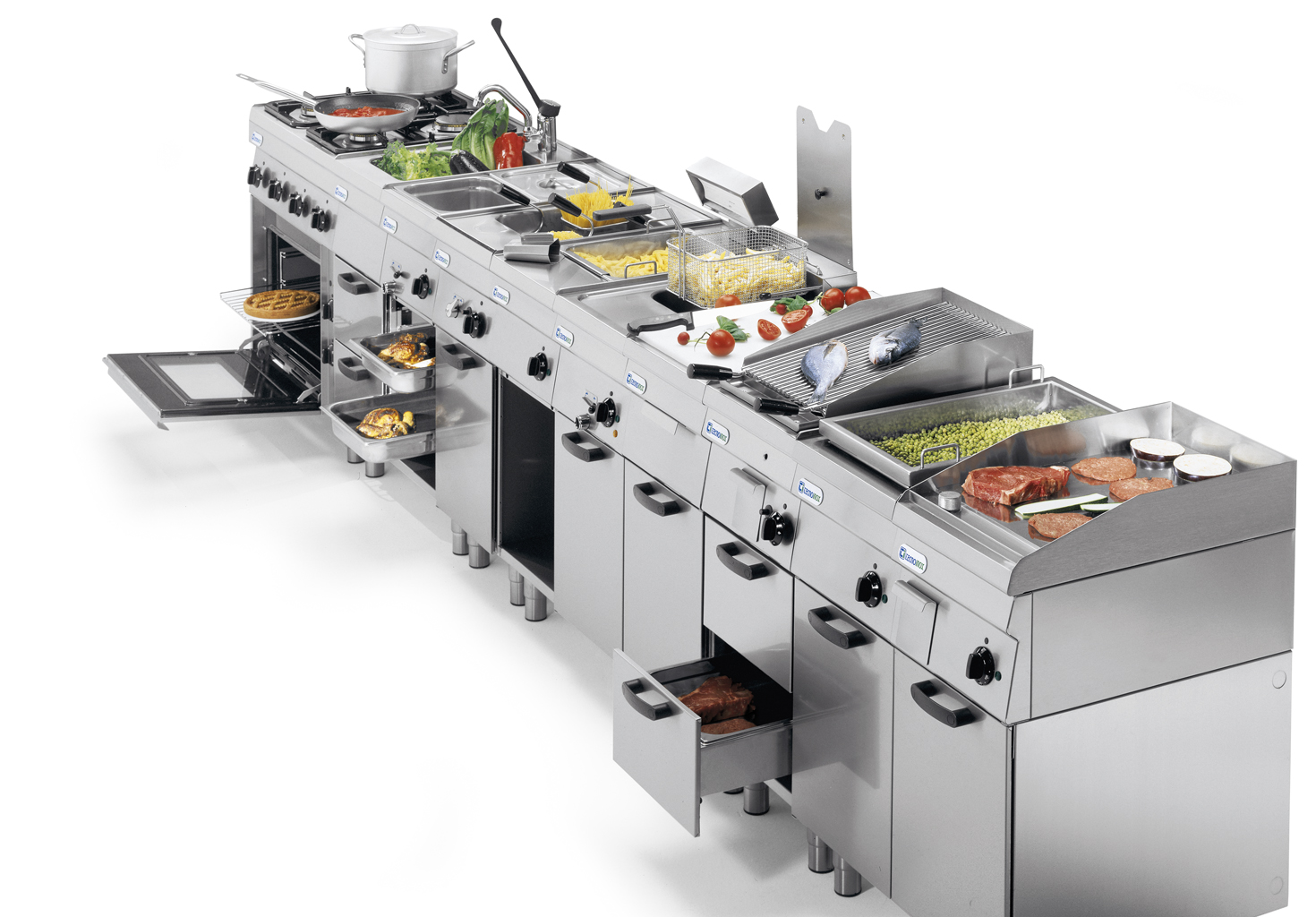
Is Your Kitchen Equipment Draining Your Wallet?
I have noticed many kitchens quietly causing financial strain without owners realizing it. The equipment we rely on every day might be costing more than expected, through energy waste, frequent repairs, or inefficient performance. This hidden expense can add up over time, putting pressure on budgets and affecting overall kitchen operations.
I have seen situations where outdated appliances consume excessive electricity. This increases monthly bills and reduces funds available for other needs. Sometimes, poor maintenance leads to breakdowns, forcing unexpected spending on repairs or replacements. I understand how frustrating it feels when equipment fails during busy hours, disrupting workflow and causing stress.
To address these issues, I suggest starting with an energy audit. Checking which devices use the most power helps identify candidates for upgrade or repair. Next, regular maintenance routines can extend the life of equipment and prevent costly failures. Simple actions like cleaning filters or tightening connections make a difference. Also, choosing energy-efficient models when replacing appliances reduces ongoing expenses. I have found that investing in better technology pays off through lower bills and smoother operations.
In one case, a small restaurant replaced old refrigerators with energy-saving ones. The monthly electricity cost dropped noticeably, freeing resources for staff training. Another example involved scheduling routine checks for kitchen hoods and ovens, which cut down emergency repairs by half. These real-life steps demonstrate practical ways to control kitchen expenses linked to equipment.
Managing kitchen equipment costs requires attention and timely action. By understanding where money leaks occur, it becomes possible to make informed decisions. This approach not only preserves budgets but also supports a more reliable and efficient kitchen environment.
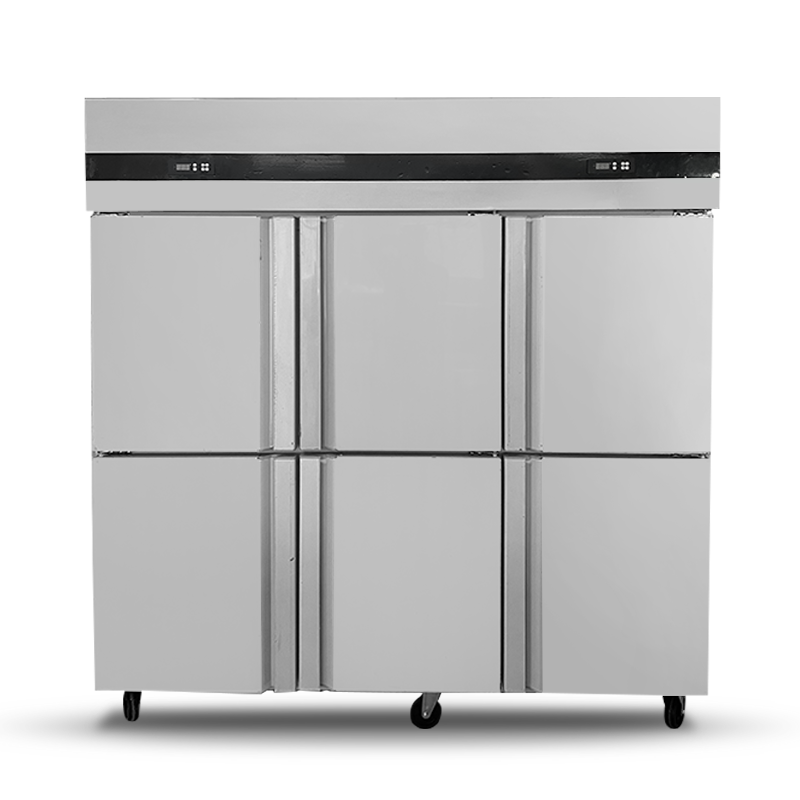
Stop Losing $15K a Year on Labor Costs!
Are you tired of watching your hard-earned money slip away due to excessive labor costs? I understand how frustrating it can be to see $15K vanish each year without any tangible return. This issue is not just about numbers; it’s about the impact on your business and your peace of mind.
Let’s break down the problem. Many businesses, including mine, often overlook labor cost management. We hire more staff than necessary or fail to optimize the schedules of our current employees. This leads to wasted hours and inflated payroll expenses. The good news is that you can take control and start saving.
Here are some practical steps to reduce labor costs effectively:
- Evaluate Staffing Needs: Take a close look at your current workforce. Are there roles that can be consolidated? Could some tasks be automated? By assessing your staffing needs, you can eliminate redundancies and save money.
- Implement Flexible Scheduling: Consider adopting a flexible work schedule. This allows you to adjust hours based on peak business times, ensuring that you only pay for labor when it’s truly needed.
- Train Employees for Versatility: Investing in training can empower your employees to take on multiple roles. This versatility means you can operate with fewer staff while maintaining efficiency.
- Monitor Overtime: Keep a close eye on overtime hours. Overtime pay can significantly increase your labor costs. By managing workloads and redistributing tasks, you can minimize the need for overtime.
- Use Technology: Leverage technology to track hours and manage schedules more effectively. There are numerous software solutions available that can help you optimize labor management.
By implementing these strategies, I’ve seen a remarkable shift in my business’s financial health. The savings are not just numbers on a spreadsheet; they translate into reinvestment opportunities and greater stability.
In conclusion, reducing labor costs doesn’t have to be a daunting task. By taking a proactive approach and making informed decisions, you can reclaim that $15K and redirect it toward growth and innovation. Let’s work smarter, not harder!
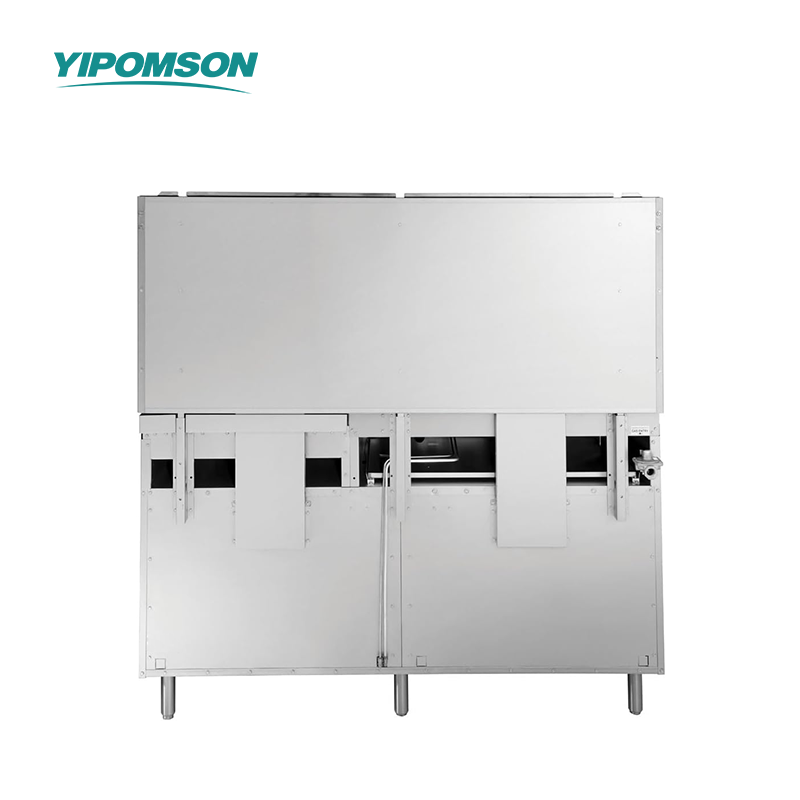
How to Cut Wasted Labor in Your Kitchen
In the bustling environment of a kitchen, wasted labor can be a significant drain on both time and resources. I’ve experienced firsthand the frustrations that come from inefficiencies, whether it’s staff standing idle or ingredients being mishandled. These challenges not only affect productivity but also impact the overall quality of service.
To tackle these issues, I’ve identified several practical steps that can streamline operations and cut wasted labor effectively:
- Assess Workflow: Start by observing the current workflow in your kitchen. Identify bottlenecks where staff may be underutilized or overworked. This can be as simple as noting how long it takes to complete certain tasks.
- Implement Clear Roles: Ensure that each team member knows their responsibilities. When everyone understands their role, it reduces confusion and overlap, leading to a smoother operation.
- Optimize Inventory Management: Keeping track of inventory is crucial. Use a system that allows you to monitor stock levels in real-time, reducing the time spent searching for ingredients and minimizing waste.
- Invest in Training: Regular training sessions can significantly enhance staff efficiency. By equipping your team with the right skills and knowledge, they can perform their tasks more effectively and with greater confidence.
- Utilize Technology: Consider adopting kitchen management software that can help streamline processes. These tools can assist with scheduling, inventory tracking, and even recipe management, ultimately saving time.
- Encourage Communication: Foster an environment where staff feel comfortable communicating. Open lines of communication can lead to quicker problem-solving and a more cohesive team effort.
By implementing these strategies, I’ve seen a noticeable reduction in wasted labor in my kitchen. The key is to remain proactive and continuously seek areas for improvement. Remember, efficiency not only enhances productivity but also contributes to a more enjoyable work environment for everyone involved.
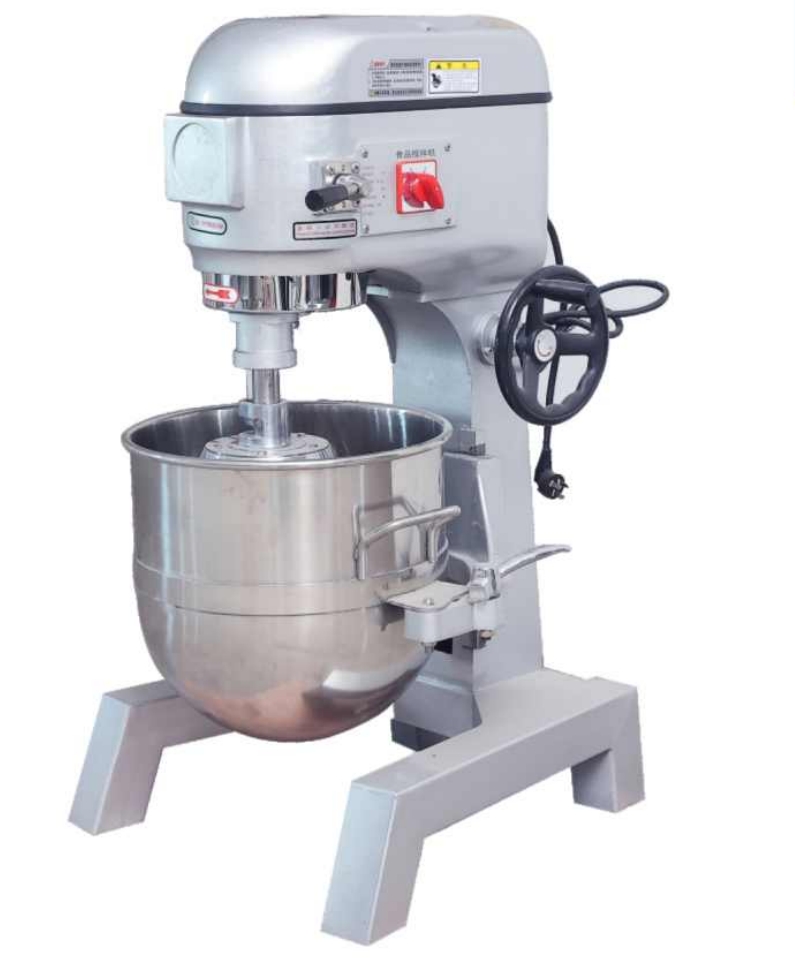
Save Big: Tackle Hidden Kitchen Expenses Now!
In today's fast-paced world, managing household expenses can feel overwhelming, especially when it comes to the kitchen. I often find myself grappling with hidden costs that seem to sneak up on me. Whether it’s the price of ingredients, energy bills, or even food waste, these expenses can add up quickly.
To tackle these hidden kitchen expenses effectively, I’ve developed a few strategies that have made a noticeable difference in my budget. Here’s how you can do it too:
- Track Your Spending: The first step is to understand where your money is going. I started by keeping a detailed record of all my grocery purchases for a month. This helped me identify patterns and pinpoint areas where I was overspending.
- Plan Your Meals: Meal planning has been a game changer. By deciding what to cook for the week ahead, I can create a shopping list that prevents impulse buys. I focus on recipes that utilize similar ingredients, which helps reduce waste and saves money.
- Buy in Bulk: When I find non-perishable items on sale, I buy in bulk. This not only saves money but also ensures I always have essentials on hand, reducing the temptation to order takeout.
- Reduce Energy Costs: I’ve become more conscious of how I use appliances. For instance, I try to use the microwave instead of the oven when possible, as it consumes less energy. Additionally, I make sure to turn off appliances when they’re not in use.
- Minimize Food Waste: I learned to be creative with leftovers. Instead of tossing out food, I repurpose them into new meals. This not only saves money but also reduces waste, which is better for the environment.
By implementing these strategies, I have significantly lowered my kitchen expenses. It’s all about being mindful and making small changes that lead to big savings. Remember, every little bit counts when it comes to managing your budget effectively.

Discover the True Cost of Your Kitchen Equipment!
When it comes to kitchen equipment, many of us often overlook the true costs involved. I remember when I first set up my kitchen; I was excited to purchase the latest gadgets and appliances. However, I quickly realized that the initial price tag was just the beginning.
The pain point for many is understanding the total cost of ownership. It’s not just about what you pay upfront. There are ongoing expenses such as maintenance, energy consumption, and even the potential need for replacements. I’ve learned that a seemingly affordable item can become a financial burden over time.
To help you navigate these waters, here are some steps I recommend:
- Research Before You Buy: Look beyond the sticker price. Investigate the durability and reliability of the equipment. Online reviews can offer insights into long-term performance.
- Calculate Operating Costs: Consider the energy efficiency of your appliances. An energy-efficient model may cost more initially but can save you money in the long run.
- Plan for Maintenance: Regular upkeep can prevent costly repairs later. Set aside a budget for maintenance and be proactive about caring for your equipment.
- Think About Longevity: Sometimes, investing in higher-quality equipment pays off. Cheaper items may break down sooner, leading to more frequent replacements.
- Factor in Space and Use: Ensure that your kitchen can accommodate the equipment you choose. A large appliance that sits unused is an unnecessary expense.
By following these steps, I’ve managed to make smarter decisions regarding my kitchen equipment. It’s essential to view these purchases as long-term investments rather than just immediate expenses.
In conclusion, understanding the true cost of your kitchen equipment can save you from unexpected financial strain. Take the time to evaluate your choices, and you’ll find that a little diligence goes a long way in ensuring your kitchen remains both functional and cost-effective.
Interested in learning more about industry trends and solutions? Contact yipomson: caroline@yipomson.com/WhatsApp +8613360672196.

References
- Yipomson, 2023, Is Your Kitchen Equipment Draining Your Wallet
- Yipomson, 2023, Stop Losing $15K a Year on Labor Costs
- Yipomson, 2023, How to Cut Wasted Labor in Your Kitchen
- Yipomson, 2023, Save Big: Tackle Hidden Kitchen Expenses Now
- Yipomson, 2023, Discover the True Cost of Your Kitchen Equipment
- Yipomson, 2023, Managing Kitchen Equipment Costs for Better Efficiency