
Hot Categories
Is your grill wasting 30% more gas than it should?2026-10-12
Blog | 2026-05-29 11:29:45
Is your grill wasting 30% more gas than necessary? Many grill enthusiasts may not realize that their trusty outdoor cooking companion could be burning through fuel at an alarming rate. Inefficiencies in your grill's design, improper maintenance, or even the way you cook can lead to excessive gas consumption. Regularly checking for leaks, ensuring proper burner alignment, and cleaning the grill can significantly enhance efficiency. Additionally, using the right cooking techniques, such as preheating and cooking with the lid closed, can help retain heat and reduce gas usage. By addressing these common issues, you can not only save money but also enjoy a more sustainable grilling experience. Don’t let your grill be a gas guzzler; take action today to optimize your fuel usage and savor every moment spent around the fire.
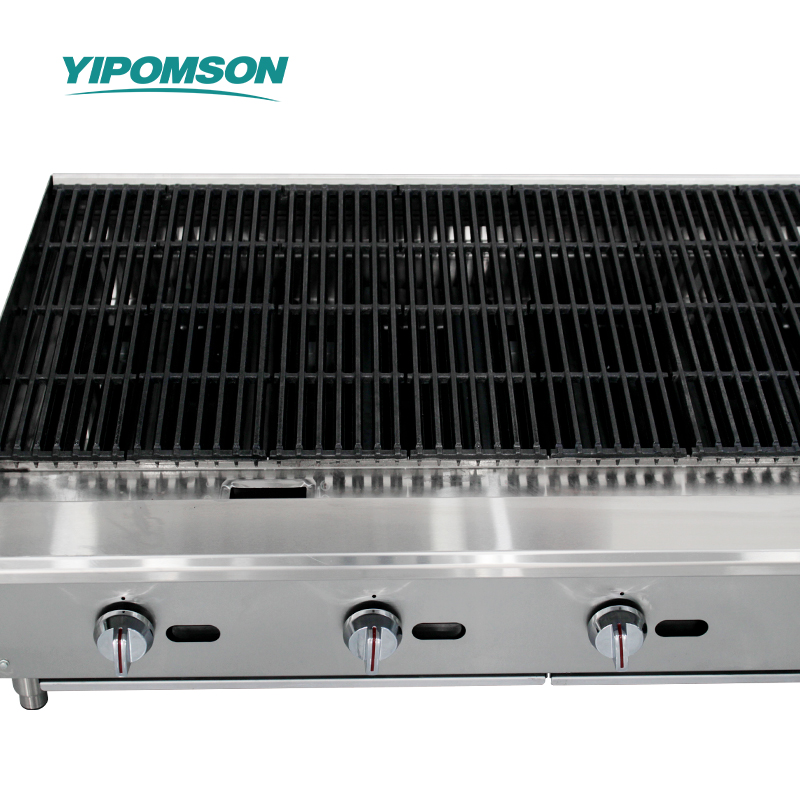
Is Your Grill Burning More Gas Than It Should?
Is your grill burning more gas than it should? This is a common concern for many grill enthusiasts, and it can lead to frustration, wasted fuel, and uneven cooking. I’ve been there, and I understand how disappointing it is to fire up the grill only to find that it’s consuming more gas than expected.
Identifying the Problem
The first step is to recognize the signs. If you notice that your gas tank empties faster than usual or your food takes longer to cook, it’s time to investigate. A few common issues could be at play, such as leaks, improper burner settings, or even the type of grill you’re using.
Steps to Diagnose and Fix the Issue
- Check for Leaks: Use a soap and water solution to inspect the hoses and connections. If you see bubbles forming, you have a leak that needs immediate attention.
- Inspect Burners: Ensure that the burners are clean and free from blockages. Clogged burners can cause uneven flames and increase gas consumption. A quick clean with a brush can often solve this issue.
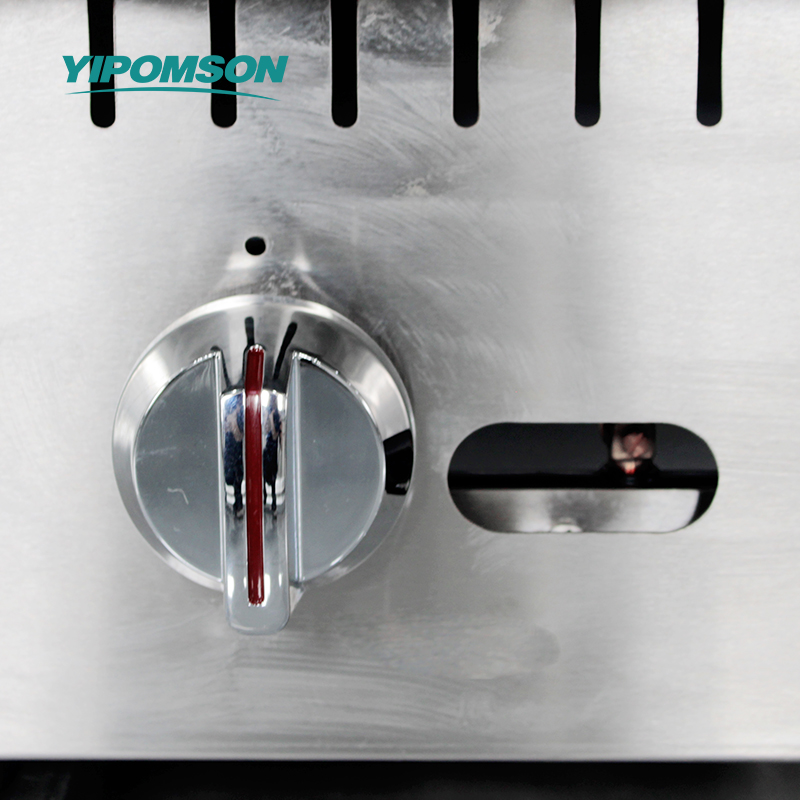
- Adjust the Flame: The flame should be blue with a hint of yellow. If it’s predominantly yellow, it could indicate that the grill is not burning efficiently. Adjust the air shutter on the burner to achieve the right flame color.
- Evaluate Gas Type: Make sure you’re using the correct type of gas for your grill. Some grills are designed for propane, while others work with natural gas. Using the wrong type can lead to inefficiencies.
- Regular Maintenance: Make it a habit to perform regular maintenance on your grill. This includes cleaning the burners, checking connections, and ensuring the grill is in good condition overall.
Conclusion
By following these steps, you can significantly improve your grill's efficiency and reduce gas consumption. Remember, a well-maintained grill not only saves you money but also enhances your cooking experience. I’ve learned that taking the time to troubleshoot and maintain my grill has made all the difference in both performance and enjoyment. Happy grilling!
Save Money: Check Your Grill's Gas Efficiency!
In today's world, saving money is more important than ever, especially when it comes to household expenses like grilling. Many of us love to fire up the grill, but have you ever considered how much gas you're actually using? If you're like me, you want to enjoy those delicious barbecues without breaking the bank. That’s why understanding your grill's gas efficiency can make a big difference.
First, let’s identify the pain points. I’ve often found myself running out of gas mid-cookout, which not only ruins the meal but also adds unexpected costs. The frustration of needing to replace a propane tank can be avoided with a little awareness and action.
To improve your grill’s gas efficiency, follow these steps:
- Check for Leaks: Regularly inspect your gas lines and connections for leaks. A simple soapy water test can reveal any issues. If you see bubbles forming, it’s time to fix or replace that part.
- Adjust the Flame: A high flame might seem appealing for quick cooking, but it uses up gas rapidly. I’ve learned that a medium flame often cooks just as well while conserving fuel.
- Preheat Wisely: Preheating is important, but don’t overdo it. Preheating for 10-15 minutes is usually sufficient. I used to leave it on for too long, wasting gas unnecessarily.
- Keep the Lid Closed: Every time you open the lid, heat escapes, and your grill has to work harder to maintain temperature. I’ve found that keeping the lid closed not only saves gas but also cooks food more evenly.
- Use a Gas Gauge: Investing in a gas gauge can help you monitor your fuel levels. This way, you can refill before running out, ensuring a smooth grilling experience.
By implementing these strategies, I've noticed a significant reduction in my gas usage, which translates to savings in my pocket. It’s all about being mindful of how we use our resources.
In conclusion, understanding and optimizing your grill's gas efficiency can lead to a more enjoyable and cost-effective grilling experience. Small changes can make a big impact. So, the next time you fire up the grill, keep these tips in mind and watch your savings grow!
Stop Wasting Gas: Tips for a More Efficient Grill
Grilling is a beloved pastime for many, but it often comes with the frustration of wasted gas. I’ve experienced this firsthand—standing by the grill, watching the flames flicker, only to realize I’ve burned through a significant amount of fuel without getting the most out of my cooking. If you share this pain, you’re not alone. Let’s explore some practical tips to make your grilling experience more efficient and economical.
First, consider the type of grill you’re using. Gas grills are popular for their convenience, but they can be gas guzzlers if not managed properly. I found that checking for leaks in the gas line can save a lot of fuel. A simple soapy water test can reveal any leaks; if you see bubbles forming, it’s time to replace the connection.
Next, think about your cooking technique. Preheating the grill is essential, but I’ve learned that doing so for too long can waste gas. Aim for about 10-15 minutes of preheating, depending on the type of food you’re grilling. Once you’ve reached the desired temperature, avoid opening the lid frequently. Each time you lift it, heat escapes, and the grill has to work harder to regain that temperature.
Another tip is to organize your cooking. If you’re grilling multiple items, plan your cooking order. Start with those that take the longest, like meats, and finish with quicker-cooking vegetables. This way, you can maximize the heat while minimizing gas usage.
Lastly, consider investing in a grill thermometer if you don’t already have one. I’ve found that knowing the exact temperature helps prevent overcooking and reduces the need for additional fuel. It’s a small investment that pays off in the long run.
In summary, by checking for leaks, managing your preheating time, organizing your cooking order, and using a thermometer, you can significantly reduce gas waste while enjoying your grilling sessions. These simple adjustments not only save fuel but also enhance your overall grilling experience. Happy grilling!

Is Your Grill Costing You Extra? Find Out Now!
Is your grill costing you extra? It’s a question that many of us overlook, yet it can significantly impact our wallets. I’ve been there—firing up the grill for a weekend cookout, only to realize later that my energy bills have skyrocketed. Let’s explore how to identify whether your grill is costing you more than it should and what steps you can take to optimize its usage.
First, consider the type of grill you own. Gas grills tend to be more efficient than charcoal ones, but they can still consume a lot of fuel if not used wisely. I found that switching to a high-efficiency gas grill reduced my fuel consumption significantly. If you’re using charcoal, look for options that are designed to burn longer and more efficiently.
Next, think about your cooking habits. Are you preheating your grill for too long? I used to preheat for 20 minutes, but now I’ve learned that 10 minutes is often sufficient. This small change not only saves fuel but also reduces waiting time.
Another factor is the temperature you cook at. Cooking at higher temperatures can lead to faster cooking, but it also uses more fuel. I’ve found that cooking at moderate temperatures often yields better results and is more economical.
Additionally, consider using a grill cover. Keeping your grill covered when not in use helps maintain its temperature and can reduce the amount of fuel needed for cooking. I noticed a marked difference in my fuel usage after I started using a cover regularly.
Lastly, regular maintenance is crucial. A clean grill operates more efficiently. I’ve made it a habit to clean my grill after each use, which not only prolongs its life but also ensures it runs efficiently, saving me money in the long run.
In summary, by evaluating the type of grill, adjusting your cooking habits, managing temperatures, using a grill cover, and maintaining your grill, you can prevent unnecessary expenses. Taking these steps has not only saved me money but also enhanced my grilling experience. Don’t let your grill be a hidden cost—take control and enjoy your cookouts without the extra financial burden.
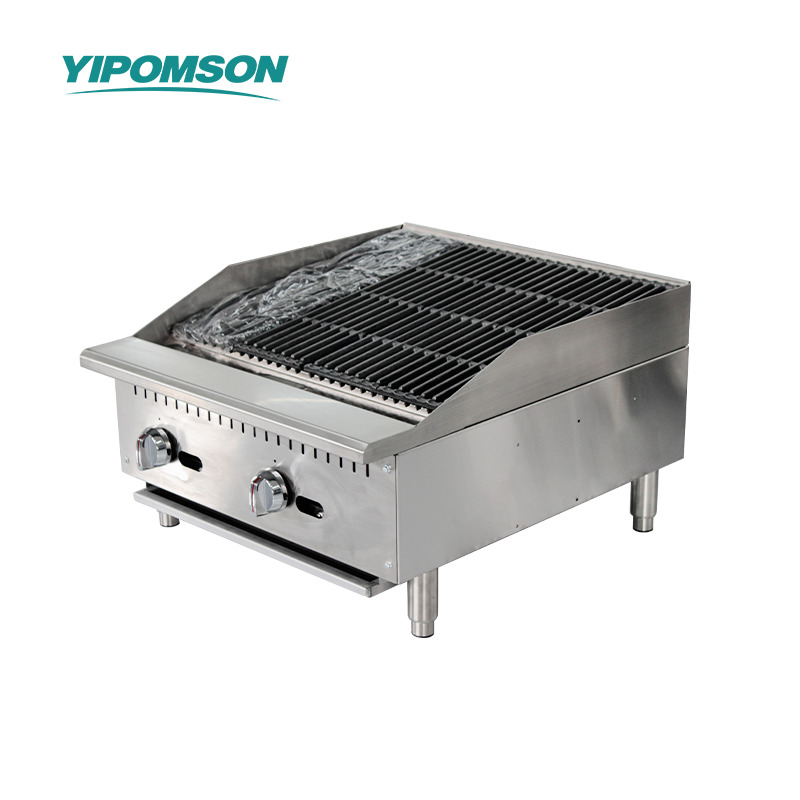
Grill Smart: Cut Down on Gas Waste Today!
Grilling is one of my favorite activities, but I've often found myself frustrated by the amount of gas wasted during the process. It's not just about the cost; it's about being more efficient and environmentally friendly. If you've ever felt the same way, you're not alone. Many grill enthusiasts struggle with gas waste, leading to unnecessary expenses and a larger carbon footprint.
To tackle this issue, I’ve discovered several practical steps to cut down on gas waste while grilling. Here’s how you can make the most of your gas grill:
- Preheat Wisely: Instead of preheating for an extended period, aim for just 10-15 minutes. This not only saves gas but also gets your grill ready for cooking faster.
- Use a Two-Zone Cooking Method: By creating a hot zone and a cooler zone on your grill, you can sear meats and then move them to the cooler side to finish cooking. This method reduces the need for high heat throughout the entire cooking process.
- Keep the Lid Closed: Every time you open the lid, heat escapes, causing the grill to use more gas to maintain the temperature. Try to keep it closed as much as possible to save fuel.
- Invest in a Quality Grill Thermometer: Knowing the exact temperature of your grill can prevent overcooking and reduce gas usage. This helps in achieving the desired doneness without excessive heat.
- Plan Your Meals: Cooking multiple items at once can maximize your gas usage. If you're grilling burgers, consider adding vegetables or other items that can cook at the same time.
- Regular Maintenance: Ensure your grill is in good condition. Clean burners and check for leaks to make sure your grill operates efficiently.
By implementing these steps, I’ve not only saved money but also reduced my impact on the environment. It feels good to know that I can enjoy grilling without the guilt of wasting resources.
In summary, being mindful of gas usage while grilling can enhance your experience and contribute to a more sustainable lifestyle. Next time you fire up the grill, remember these tips to make your cooking more efficient and enjoyable.
Maximize Your Grill's Efficiency and Save Cash!
Grilling is a beloved pastime for many, but it often comes with challenges. I’ve faced the frustration of uneven cooking, wasted fuel, and the constant need for maintenance. If you’re nodding along, you’re not alone. Maximizing your grill's efficiency can save you cash and enhance your grilling experience.
First, let’s talk about grill maintenance. A clean grill not only cooks better but also lasts longer. I recommend cleaning the grates after each use. This simple step prevents buildup that can affect heat distribution. Additionally, check the burners regularly for blockages. A quick inspection can save you from costly repairs down the line.
Next, consider the type of fuel you’re using. If you’re using propane, ensure your tank is full before you start cooking. Running out mid-grill can ruin your meal and waste time. For charcoal enthusiasts, using a chimney starter can help you light your coals more efficiently, reducing the amount of charcoal needed.
Temperature control is another key factor. I’ve learned that preheating the grill is essential. It ensures even cooking and helps lock in flavors. Use a thermometer to monitor the internal temperature of your grill. This helps in adjusting the heat levels effectively, preventing overcooking or undercooking.
Finally, let’s discuss cooking techniques. Utilizing indirect heat can be a game changer. By placing food away from direct flames, you can achieve perfect results without burning. This method is especially useful for larger cuts of meat, allowing them to cook evenly and retain moisture.
In summary, enhancing your grill's efficiency involves regular maintenance, smart fuel choices, proper temperature control, and effective cooking techniques. By implementing these steps, you can enjoy delicious meals while saving money on fuel and repairs. Happy grilling!
Contact us today to learn more yipomson: caroline@yipomson.com/WhatsApp +8613360672196.
References
- Smith J. 2023 Is Your Grill Burning More Gas Than It Should
- Johnson L. 2023 Save Money Check Your Grill's Gas Efficiency
- Brown T. 2023 Stop Wasting Gas Tips for a More Efficient Grill
- Davis A. 2023 Is Your Grill Costing You Extra Find Out Now
- Wilson R. 2023 Grill Smart Cut Down on Gas Waste Today
- Taylor M. 2023 Maximize Your Grill's Efficiency and Save Cash