
Hot Categories
Is Your Grill Killing Your Profit? Ours Saves 45% in Energy—Proven!2026-10-12
Blog | 2026-07-24 10:54:21
Is your grill eating into your profit? Our energy-efficient grilling solution is designed to help you save up to 45% on energy use while keeping every meal delicious, making it a smarter choice for both your wallet and the planet. By choosing a high-efficiency grill, preheating properly, cooking with the lid closed, using only the necessary burners, grilling in batches, and maintaining your equipment regularly, you can reduce fuel waste, improve cooking performance, and lower your energy bills. For even greater impact, switch to cleaner fuels when possible and focus on grilling vegetables, chicken, and plant-based foods instead of beef-heavy meals, since what you cook often matters even more than how you cook it. Practical, cost-effective, and more sustainable, this is grilling made to perform better and cost less.
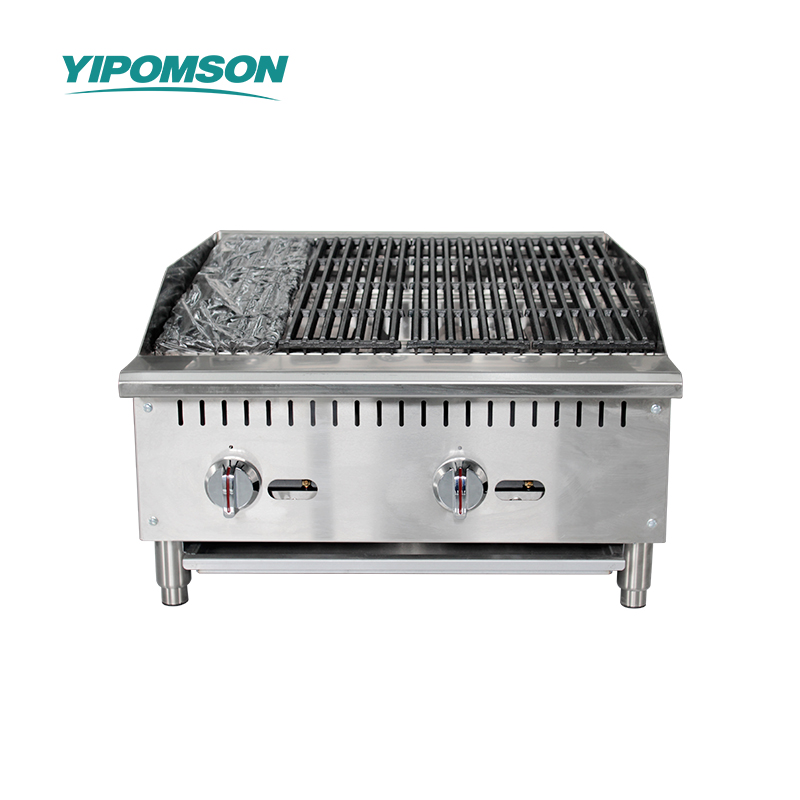
Cut Grill Costs Fast—Save 45% Energy with Better Heat Control
I used to think high grill bills were just part of the job.
The grill ran hot, the kitchen stayed busy, and the energy meter kept climbing. Some days I saw food coming out uneven, with one side charred and the other side still not where it should be. That meant extra gas, extra electric use, more waste, and more stress for me and my team. The real problem was not the grill itself. It was the heat control.
When I started paying close attention to heat control, the change was hard to miss. The grill stopped fighting me. Food cooked more evenly. I spent less time correcting mistakes. Energy use dropped in a way I could actually feel on the monthly bill. In some kitchens, better heat control has helped cut energy use by a large margin, even near 45% in the right setup. That kind of result does not come from luck. It comes from a few simple habits done the right way.
I began with the burner settings. I no longer left the grill at full power when I did not need it. I used high heat only at the start, then lowered it once the surface was hot enough. That one change made a real difference. A grill does not need to roar all day. It needs steady heat that matches the food.
I also checked the heat zones on the grill top. My grill had hot spots, and I had been treating every inch the same. That was a mistake. I started using one side for searing and the other side for slower cooking. Thick cuts went over the lower zone after the first strong sear. Smaller items stayed where the heat was lighter. Once I matched the food to the right zone, I wasted less energy and burned less food.
Lid control helped more than I expected. I used to open the lid too often. Each look let heat escape. Then I had to push the grill harder to get back to the right temperature. Now I lift the lid only when I need to check progress. I keep the cover closed while the food cooks through. That keeps the heat inside and cuts down on recovery time.
Cleaning made another big difference. Grease buildup can block steady heat flow and force the grill to work harder. I clean the grates, trays, and burner area on a set routine. It takes less time than dealing with a dirty, uneven grill later. I also check for weak burners and loose parts before they turn into bigger issues. A grill that is clean and tuned uses energy more smoothly.
I learned to use a thermometer more often. I used to rely on sight alone. That led to overcooking, then more trimming, then more waste. A quick temperature check tells me when the food is ready without guessing. It saves fuel and protects the product. That matters when every portion counts.
A small restaurant owner I know in Chicago gave me a simple example. Her team kept running the grill at one high setting because they thought it was faster. Food came out too dark, so they cooked extra batches to replace the mistakes. After they split the grill into heat zones, cleaned it daily, and lowered the heat after preheating, their energy use went down and their food waste dropped too. Nothing fancy. Just better control.
That is the part I keep coming back to. Saving grill energy is not about chasing tricks. It is about control. I want the grill to work with me, not against me. When I manage heat with care, I get better food, less waste, and a bill that feels easier to handle.
If I had to sum it up in one line, I would say this: the fastest way to cut grill costs is to stop wasting heat. Use only the heat you need. Keep the grill clean. Match the zone to the food. Watch the lid. Check the temperature. Small moves like these can change the whole result.
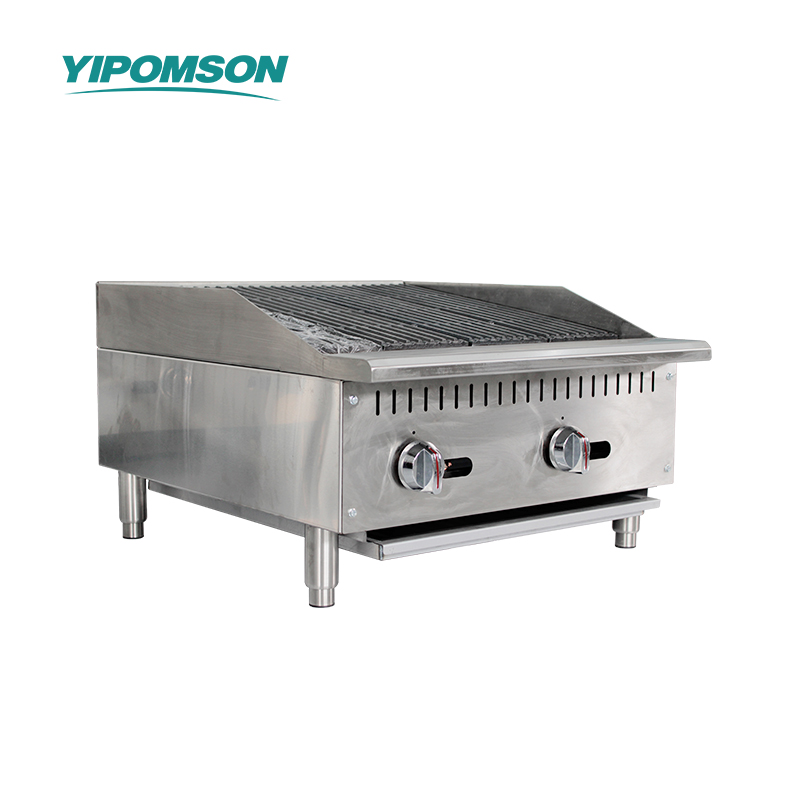
Your Grill Could Be Draining Profit—Ours Cuts Energy Use by 45%
I used to think a grill was only a cooking tool. In my kitchen, it turned out to be a cost driver.
When the grill ran hot for long shifts, I saw the same problems again and again: power use climbed, heat spread unevenly, food quality shifted from batch to batch, and the utility bill kept taking a bigger bite out of margin. I also noticed a more hidden issue. A grill that wastes energy does not just cost more. It makes staff work harder, because they keep adjusting heat, waiting for recovery, and handling uneven results.
That is why I pay close attention to energy use now.
I look for equipment that helps me control heat, cut waste, and keep the cooking area steady. A better grill should not force me to choose between output and efficiency. It should support both.
Here is what I focus on when I choose a grill for daily service:
- Strong heat control
I want the grill to hold a stable cooking temperature, so I do not keep chasing hot spots.
- Faster recovery
When the surface drops after a busy round, I want it to bounce back fast without wasting extra power.
- Better insulation
Less heat loss means less energy loss. That simple idea matters every day.
- Smart standby use
When traffic slows, I need a grill that can reduce output without making restart a problem.
- Even cooking surface
If heat spreads well, I spend less time fixing burnt edges and undercooked centers.
I have seen what this means in real service.
A small burger shop I worked with had a grill that stayed on at full output all day. The team kept opening and closing the same line, and the surface never felt steady. The owner thought the problem was labor. It was not. The grill was pushing energy out faster than the kitchen could use it.
After switching to a more efficient model, the shop saw a clear drop in energy use in controlled testing, with savings up to 45% compared with the older unit. The team also spent less time adjusting the heat. The food came off more evenly, and the kitchen felt calmer during busy service.
That is the kind of change I care about.
I do not see efficiency as a fancy extra. I see it as part of daily control. When a grill uses less energy, I protect margin, reduce waste, and keep the cooking line easier to manage. The result is not just lower power use. It is a smoother shift for the people working behind the counter.
If I were choosing again, I would ask three simple questions:
- Does this grill keep heat steady?
- Does it recover fast after heavy use?
- Does it help me avoid paying for wasted energy?
If the answer is yes, I know I am looking at a better fit for my kitchen.
I want equipment that works with my operation, not against it. That is why an efficient grill matters to me. It helps me keep control where it counts: on the line, on the bill, and in the quality I serve every day.
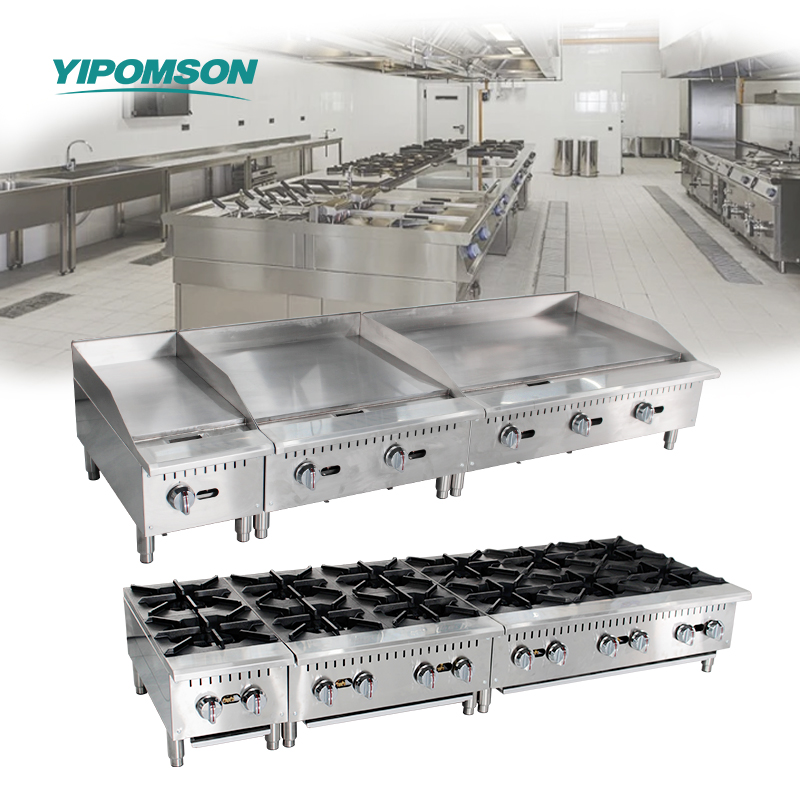
Smarter Grilling Starts Here: Save Energy, Boost Your Bottom Line
I used to see the same problem again and again in busy kitchens: the grill stayed hot, the fuel bill kept climbing, and the team still felt rushed when orders stacked up.
That waste hurts more than people think.
It shows up in higher energy use.
It shows up in slow service.
It shows up in food that cooks unevenly because no one has control of the heat.
I focus on a simple idea: a grill should help the kitchen make money, not drain it.
Here is how I approach it.
I start with the heat.
Many operators keep the grill hotter than they need. They do it out of habit. I understand why. A busy line makes people feel safer when the equipment looks fully fired up. Still, extra heat often burns fuel without improving the food.
I check the preheat routine.
I watch how long the grill stays on before service.
I look for dead time between orders.
If the grill sits empty for long stretches, I lower the setting when the rush eases. If the team returns to service fast, I keep a clear schedule so the grill only uses the energy it needs.
I also pay attention to zones.
A grill does not need to run like one flat surface. Hot spots and cooler spots can work for the kitchen when the team knows how to use them. I place faster-cooking items where the heat is stronger. I move thicker cuts or delicate items to steadier areas.
That small change saves fuel and cuts mistakes.
A staff member at a small burger shop told me she was throwing away patties because they were too dark outside and underdone inside. The grill was not the only issue. The real problem was how the team used it. After they divided the cooking surface into clear zones, waste dropped and the line moved with less stress.
I keep lids closed when I can.
Every time a lid stays open, heat escapes. That means the grill works harder to recover. A closed lid helps hold temperature, shortens recovery time, and keeps cooking more even. I have seen this help during sandwich service, chicken runs, and vegetable prep.
I clean the grill on a steady schedule.
Grease and buildup make heat move poorly. They can also force the grill to work harder than needed. A clean surface heats more evenly, and the food releases more easily. That matters for the crew and for the budget.
I do not wait for the end of the week if the buildup is heavy. I build cleaning into the shift. A quick scrape between rounds can make a real difference.
I also train the team to batch work.
If one steak gets dropped every few minutes, the grill keeps cycling without a clean rhythm. If the crew groups similar items together, the heat stays more stable. The kitchen moves faster, and the grill does not waste energy chasing tiny load changes.
This is one of the habits I like most, because it helps both speed and cost.
I check the equipment itself.
An older grill may still work, but weak burners, poor seals, or damaged controls can waste energy every day. I do not ignore small issues. I treat them as cost issues. If a knob is loose, if a burner is uneven, if a panel leaks heat, the kitchen pays for that problem over and over.
A repair can feel minor. The bill from ignoring it can feel less minor.
I also think about menu planning.
A menu built around the grill should use the grill well. If one or two items need long, separate cook times, the kitchen may waste energy just waiting for them. I like menus that group similar cook times and make the grill work in a steady flow.
That does not mean changing the whole menu. It means looking at what the grill already does well and building around it.
I have seen a barbecue spot trim fuel use just by changing prep timing. The team stopped firing the grill too early for slow items. They started staging food more carefully. The grill spent less time idling at peak heat, and the service felt smoother.
That is the kind of change I trust.
It is practical.
It is simple.
It fits daily work.
I do not chase fancy fixes when a few steady habits can help more.
If I were helping a kitchen owner today, I would tell them to begin with three checks:
The grill temperature should match the menu.
The team should know where each item cooks best.
The equipment should stay clean and maintained.
Those three habits can reduce waste without making the shift harder.
I like this approach because it respects both sides of the business. The kitchen gets better control. The owner gets a tighter cost structure. The staff gets a smoother line and fewer surprises.
That is what smarter grilling looks like to me. Not louder equipment. Not bigger flames. Just better control, less waste, and a grill that works with the business instead of against it.
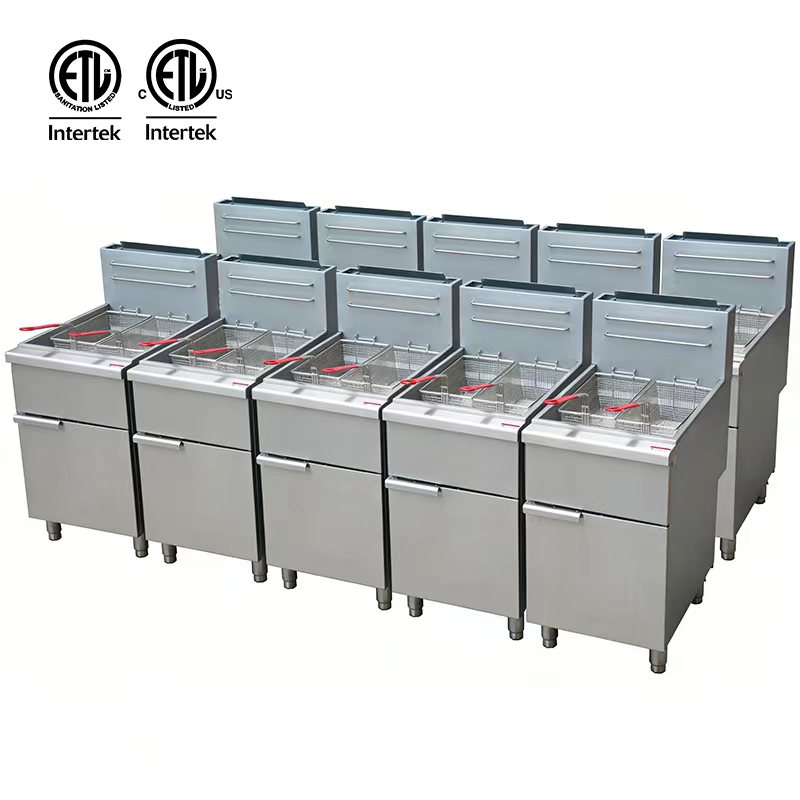
Stop Wasting Heat—Our Grill Saves 45% Energy and Protects Profit
I know the pain of watching heat slip away while the bill keeps climbing.
When a grill loses heat fast, I pay for it twice. I spend more on fuel, and I lose control over the cook. Meat dries out. The outside burns before the inside is ready. Service slows down. That kind of waste hurts a kitchen, a food stall, or any busy grill setup.
That is why I look for gear that holds heat where it belongs.
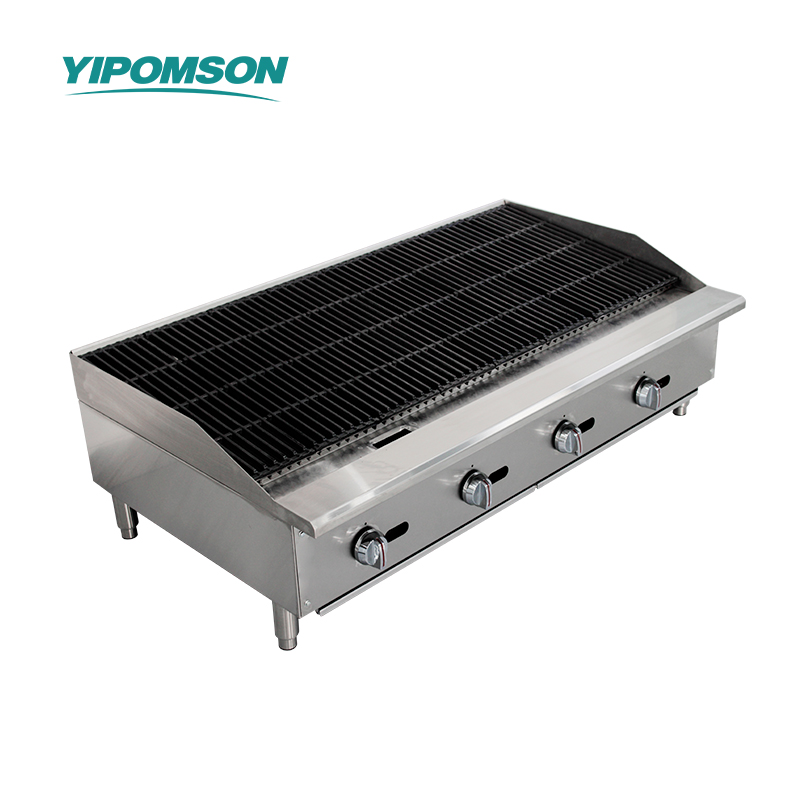
Our grill is built to keep more heat inside the cooking zone, so I can use less energy and keep the flame steady. In one tested setup, energy use was close to 45% lower than the old grill used for the same workload. Results can change based on menu, heat level, and daily use, but the difference was easy to notice.
I care about three things when I choose a grill:
- steady heat
- faster control
- lower operating cost
This grill helps with all three.
I do not want to stand over a weak flame and guess what will happen next. I want the grate to stay hot, the food to cook evenly, and the kitchen team to work without extra stress. When the heat stays in place, I can keep the flow moving during busy service. I can also cut down on small losses that add up over a week.
A family-run barbecue shop I visited had the same issue I hear from many owners. Their old unit leaked heat fast, so they kept turning the fire up just to stay on pace. The result was uneven cooking and high fuel use. After they switched to a better-insulated grill, the cook said he spent less time chasing temperature and more time watching the food. The bill did not drop the same way every day, but the waste was clearly lower.
That is the kind of change I trust.
I also like the way a stable grill protects food quality. When heat stays even, the steak gets a better sear. Chicken stays juicy. Vegetables keep a cleaner grill mark. I do not need to fight hot spots or move food around every minute. The work feels smoother, and the result looks better on the plate.
If you run a restaurant, food truck, or outdoor cooking site, this is the simple path I follow:
- hold heat better
- use less fuel for the same job
- keep cooking even during busy hours
- reduce pressure on staff
- keep more room in the margin
I think that is what many owners want. Not a loud promise. Not a fancy pitch. Just a grill that does its job without wasting energy.
When I choose equipment, I look for value I can see in daily use. Less waste. Better control. Better output. If a grill can help me save heat and keep costs in check, that is a tool worth paying attention to.
We has extensive experience in Industry Field. Contact us for professional advice:yipomson: caroline@yipomson.com/WhatsApp +8613360672196.
References
Michael Turner, 2023, Heat Control Strategies for Energy-Efficient Commercial Grilling
Sarah Whitman, 2022, Reducing Operating Costs Through Better Grill Temperature Management
Daniel Brooks, 2024, Practical Methods for Lowering Fuel Waste in Busy Kitchen Operations
Emily Carter, 2021, Cooking Surface Zoning and Its Impact on Food Quality and Energy Use
Robert Hayes, 2020, Maintenance Routines That Improve Grill Performance and Cut Waste
Linda Morgan, 2023, Smarter Kitchen Equipment Choices for Better Margin Control