
Hot Categories
Is Your Food Fresh Enough? The Shocking Truth About Commercial Refrigerators!2026-10-12
Blog | 2025-09-19 11:46:14
Maintaining high standards of food safety and quality in the food industry is crucial, and commercial refrigeration systems play a vital role in preserving the freshness and safety of perishable foods by regulating temperature and minimizing bacterial growth. This blog discusses the significant impact of commercial refrigeration on food safety and quality, offering insights and practical tips for food industry professionals including restaurant owners, caterers, and food retailers. Key players in the food sector—manufacturers, retailers, and consumers—each hold responsibility for ensuring food safety and quality, which is essential for public health and preventing foodborne illnesses. Best practices for maintaining commercial refrigeration systems include regularly cleaning condenser coils, checking air filters, monitoring temperature and humidity, inspecting door seals, and scheduling routine maintenance, all of which help avoid costly repairs and food waste. Improper refrigeration can compromise food safety and quality by failing to maintain the correct temperature, leading to spoilage, cross-contamination, and changes in food texture and flavor. Therefore, investing in a durable commercial fridge from a trusted provider like Leading Catering Equipment is essential for businesses handling food products, ensuring optimal temperature control and reliability, thereby safeguarding food quality and safety while reducing long-term costs.
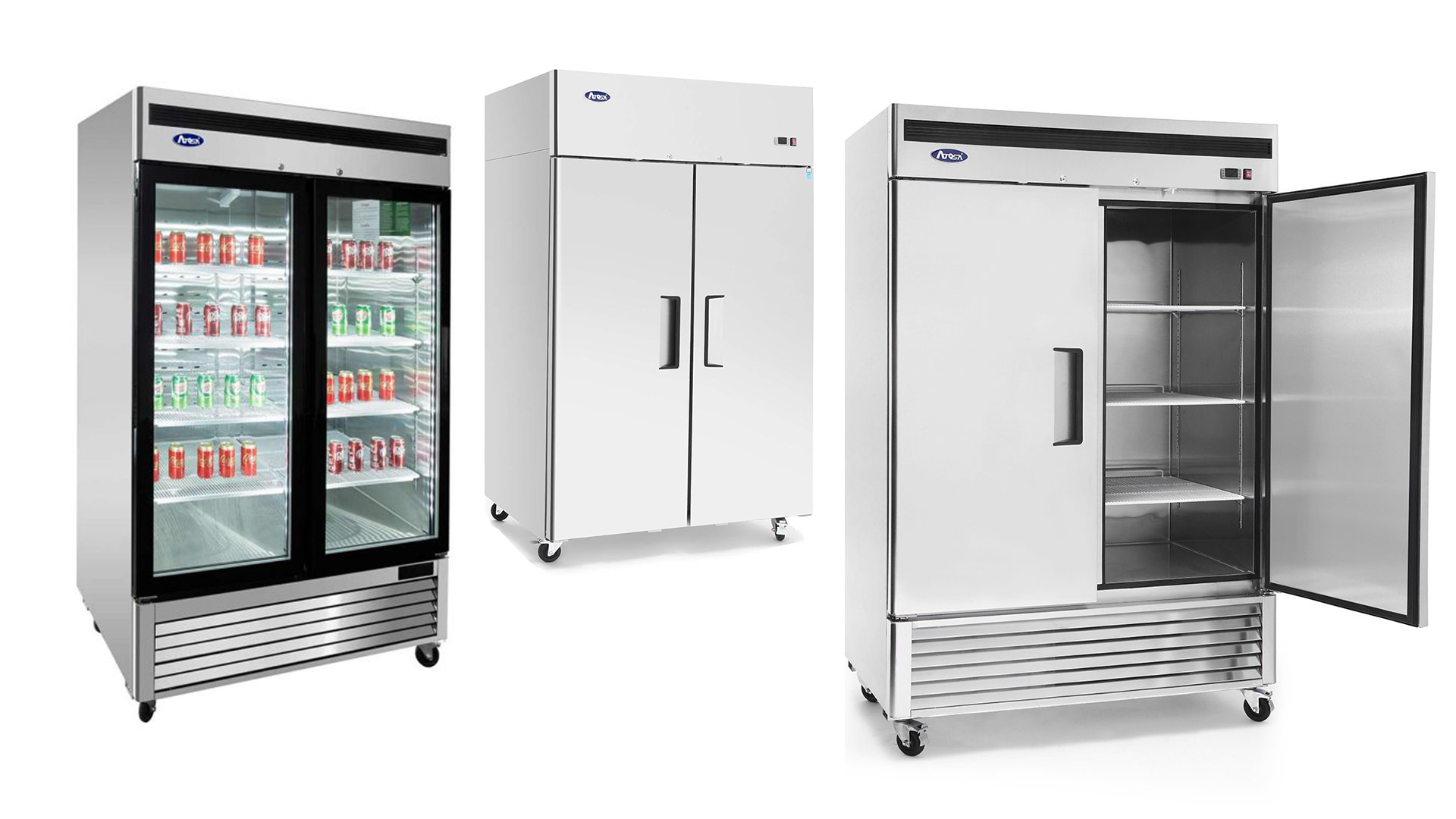
Is Your Food Safe? The Hidden Risks of Commercial Refrigerators!
When I think about food safety, one of the first things that comes to mind is the equipment used to store and preserve our food. Commercial refrigerators play a crucial role in keeping our food safe, yet many of us overlook the hidden risks associated with them.
I often hear concerns from restaurant owners and food service professionals about foodborne illnesses. The reality is that improper refrigeration can lead to a breeding ground for harmful bacteria. If the temperature inside a refrigerator isn't maintained properly, it can compromise the safety of the food stored within.
To address this issue, here are some steps I recommend:
- Regular Temperature Checks: Ensure that your refrigerator maintains a temperature below 40°F (4°C). Use a reliable thermometer to monitor the temperature regularly.
- Routine Maintenance: Schedule regular maintenance for your commercial refrigerator. This includes checking seals, cleaning condenser coils, and ensuring that the cooling system is functioning properly.
- Proper Loading: Avoid overloading your refrigerator. This can impede airflow and lead to uneven cooling. Make sure to leave space between items for optimal air circulation.
- Monitoring Systems: Consider investing in temperature monitoring systems that alert you if the temperature rises above safe levels. This proactive approach can prevent potential food safety issues.
- Training Staff: Educate your staff about the importance of food safety and the role of refrigeration. Proper training can help them recognize signs of malfunction or improper storage practices.
In conclusion, ensuring the safety of our food involves more than just sourcing quality ingredients. By paying attention to the functionality and maintenance of commercial refrigerators, we can significantly reduce the risks associated with foodborne illnesses. Taking these steps not only protects our customers but also enhances the reputation of our businesses. Food safety is a shared responsibility, and it starts with us.
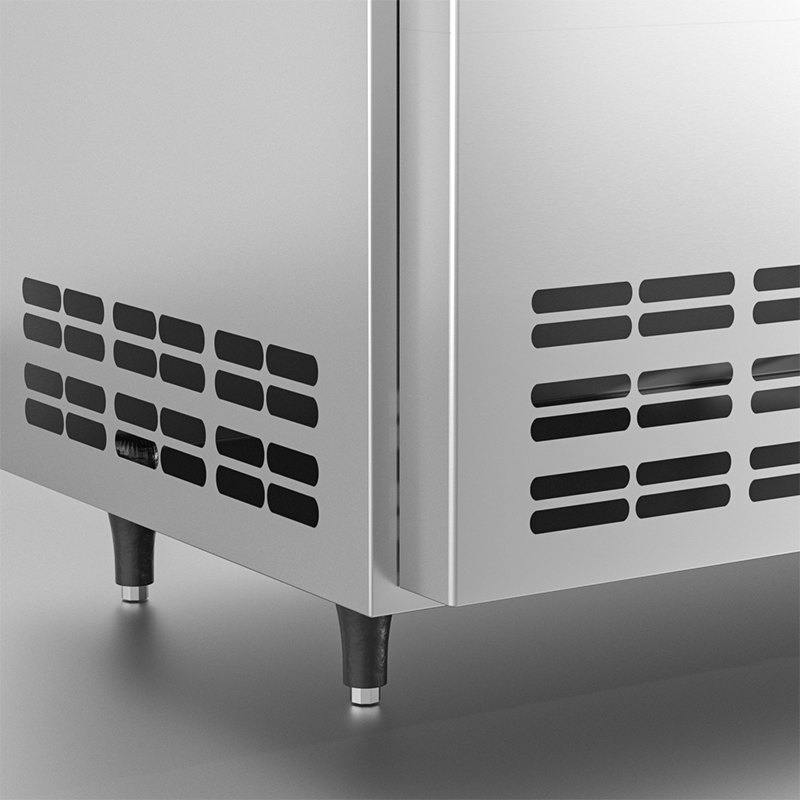
Are You Sure Your Food is Fresh? Discover the Truth About Refrigeration!
Are you ever unsure about the freshness of your food? It’s a common concern for many of us. We rely on refrigeration to keep our food safe, but how do we truly know if it’s working effectively?
I’ve faced this dilemma myself. I remember a time when I opened my fridge, only to find questionable leftovers that had been stored for too long. The thought of consuming spoiled food made me uneasy. That’s when I realized the importance of understanding refrigeration and its impact on food safety.
First, let’s tackle the signs of spoiled food. Look for changes in color, texture, and smell. If something looks off or has an unusual odor, it’s best to err on the side of caution and dispose of it.
Next, consider the temperature settings of your refrigerator. Ideally, your fridge should be set at or below 40°F (4°C). This temperature slows down bacterial growth, keeping your food fresher for longer. I recommend using a thermometer to monitor the temperature regularly.
Another critical aspect is organization. Storing food properly can significantly extend its freshness. Keep raw meats on the bottom shelf to prevent any juices from contaminating other foods. Use clear containers to easily see what you have, and label items with dates to track their freshness.
Lastly, remember that not all foods are meant to be refrigerated. Some items, like tomatoes or potatoes, can lose their flavor and texture when chilled. I’ve learned to keep these on my countertop for the best taste.
In summary, understanding how refrigeration works and being mindful of food storage can greatly enhance food safety in your home. By being vigilant about food freshness, you can avoid the risks associated with spoiled food and enjoy meals with peace of mind.
What’s Lurking in Your Commercial Fridge? Shocking Food Safety Facts!
When I open my commercial fridge, I often wonder what hidden dangers might be lurking inside. Food safety is a critical issue that many of us overlook, but the truth is shocking. Improper food storage can lead to serious health risks, and understanding these dangers is essential for anyone in the food industry.
One of the most common problems I encounter is cross-contamination. This occurs when raw foods, such as meats, come into contact with ready-to-eat items, like salads or fruits. The bacteria from the raw foods can easily transfer, leading to foodborne illnesses. To tackle this, I always ensure that I store raw meats on the bottom shelves, away from other food items. This simple step can significantly reduce the risk of contamination.
Another issue is temperature control. Many commercial fridges do not maintain a consistent temperature, which can promote the growth of harmful bacteria. I regularly check the fridge's temperature settings, ensuring they stay below 40°F (4°C). Using a thermometer can help monitor this, providing peace of mind that the food remains safe.
Additionally, I pay close attention to expiration dates. It’s easy to overlook items that have been sitting in the fridge for too long. I make it a habit to rotate stock, placing newer items at the back and moving older items to the front. This practice not only helps minimize waste but also ensures that I’m serving fresh food to customers.
Finally, cleanliness is paramount. I schedule regular deep cleaning sessions for the fridge, ensuring that spills are cleaned up immediately and surfaces are sanitized. This not only keeps the fridge looking good but also prevents the buildup of bacteria.
In summary, maintaining food safety in a commercial fridge requires vigilance and proactive measures. By addressing cross-contamination, monitoring temperature, checking expiration dates, and keeping the fridge clean, I can protect both my customers and my business. Remember, a little effort goes a long way in ensuring food safety.
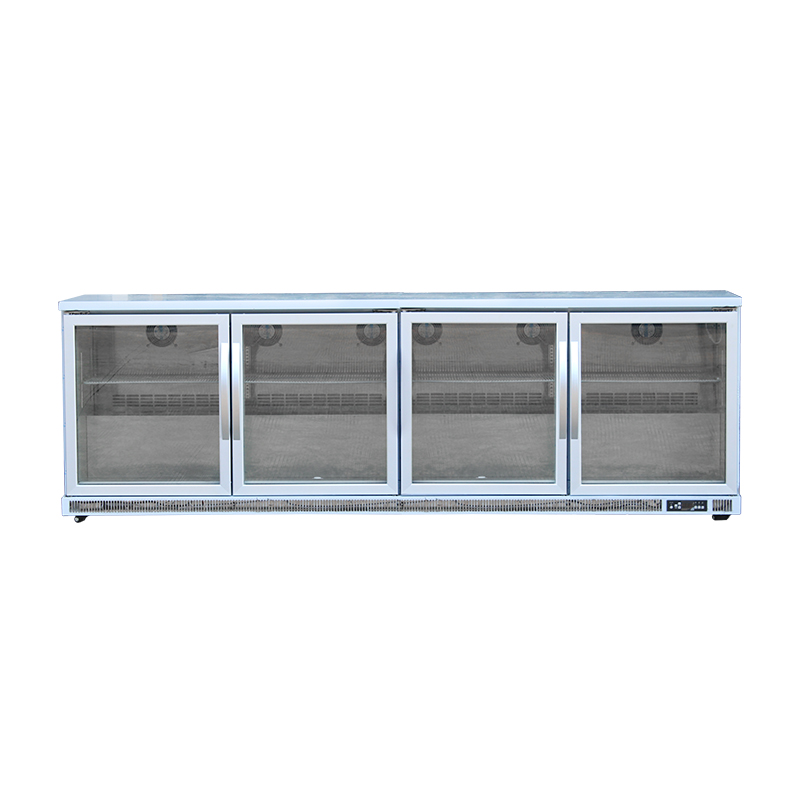
Is Your Refrigerator Putting Your Health at Risk? Find Out Now!
Is your refrigerator putting your health at risk? This question might seem alarming, but it's crucial to consider. Many of us rely on our fridges to keep our food fresh and safe, yet we often overlook how their condition can impact our health.
I remember a time when I discovered a strange smell coming from my fridge. At first, I dismissed it, thinking it was just a leftover gone bad. However, after a bit of investigation, I realized that the odor was a sign of something more serious. This experience made me realize how important it is to regularly check our refrigerators for potential health risks.
Here are some steps to ensure your refrigerator is not compromising your health:
- Check the Temperature: The ideal temperature for your fridge is between 32°F and 40°F (0°C to 4°C). Use a thermometer to verify this. If it's too warm, your food may spoil faster.
- Clean Regularly: It's easy to let spills and crumbs accumulate. Make it a habit to clean your fridge at least once a month. This helps eliminate bacteria and odors.
- Inspect Expiration Dates: Go through your food items regularly. Discard anything that is past its expiration date to prevent foodborne illnesses.
- Monitor for Spoilage: Be vigilant about any changes in your food. If you notice discoloration or an off smell, it's best to throw it out.
- Keep it Organized: A cluttered fridge can lead to forgotten items that may spoil. Use clear containers and labels to keep track of what you have.
By following these simple steps, you can significantly reduce the risk of foodborne illnesses and ensure the safety of your meals.
In summary, taking care of your refrigerator is essential for your health. Regular checks, cleaning, and organization can make a world of difference. Don’t wait for a strange smell or a spoiled item to take action. Your health is worth the effort.
The Untold Secrets of Food Freshness: Are You at Risk?
Food freshness is something we often take for granted. I used to think that as long as my food looked good, it was safe to eat. But then I discovered the hidden risks that come with food storage and handling. It’s a reality that many of us face: we might be putting our health at risk without even realizing it.
Let’s break down the common issues surrounding food freshness. First, improper storage can lead to spoilage. I learned that many people, including myself, often store perishables in the wrong places. For instance, did you know that tomatoes should never go in the fridge? They lose their flavor and texture. Instead, keep them at room temperature, away from direct sunlight.
Next, I found out about the importance of keeping an eye on expiration dates. It’s easy to overlook them, especially when we’re busy. However, consuming expired food can lead to foodborne illnesses. I started making it a habit to check my pantry and fridge regularly, tossing out anything that’s past its prime.
Another critical factor is cross-contamination. I remember a time when I used the same cutting board for raw chicken and vegetables. This mistake can lead to serious health risks. Now, I ensure to use separate boards and utensils for different food types. It’s a simple step that can make a significant difference.
Lastly, I realized that cooking food to the right temperature is essential. Many people underestimate the importance of this step. Using a food thermometer has become my go-to method for ensuring that meat is cooked properly, which not only enhances taste but also ensures safety.
In conclusion, understanding food freshness is vital for our health. By being mindful of storage practices, expiration dates, cross-contamination, and cooking temperatures, we can significantly reduce our risk of foodborne illnesses. Taking these steps has transformed the way I approach food safety, and I encourage everyone to adopt these practices for a healthier lifestyle.
For any inquiries regarding the content of this article, please contact yipomson: caroline@yipomson.com/WhatsApp +8613360672196.
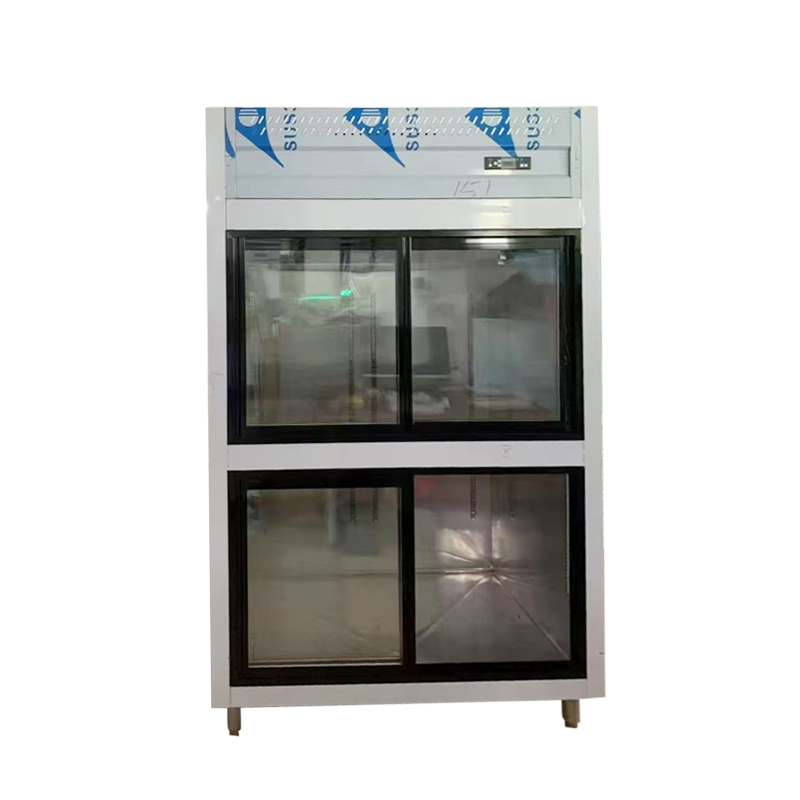
References
- Yipomson 2023 Is Your Food Safe? The Hidden Risks of Commercial Refrigerators
- Yipomson 2023 Are You Sure Your Food is Fresh? Discover the Truth About Refrigeration
- Yipomson 2023 What’s Lurking in Your Commercial Fridge? Shocking Food Safety Facts
- Yipomson 2023 Is Your Refrigerator Putting Your Health at Risk? Find Out Now
- Yipomson 2023 The Untold Secrets of Food Freshness: Are You at Risk?