
Hot Categories
Is Your Current Fridge Killing Cake Sales? Try This2026-10-12
Blog | 2026-08-31 11:42:39
Is your current fridge costing you valuable cake sales? Inconsistent temperatures, poor cooling performance, and limited storage can quickly affect the freshness, appearance, and quality of your desserts. A reliable commercial cake display fridge provides stable cooling, attractive presentation, and organized storage, keeping cakes fresh and ready to serve throughout the day. By reducing waste, protecting product quality, and encouraging impulse purchases, the right display fridge can improve customer satisfaction and help your bakery increase revenue.
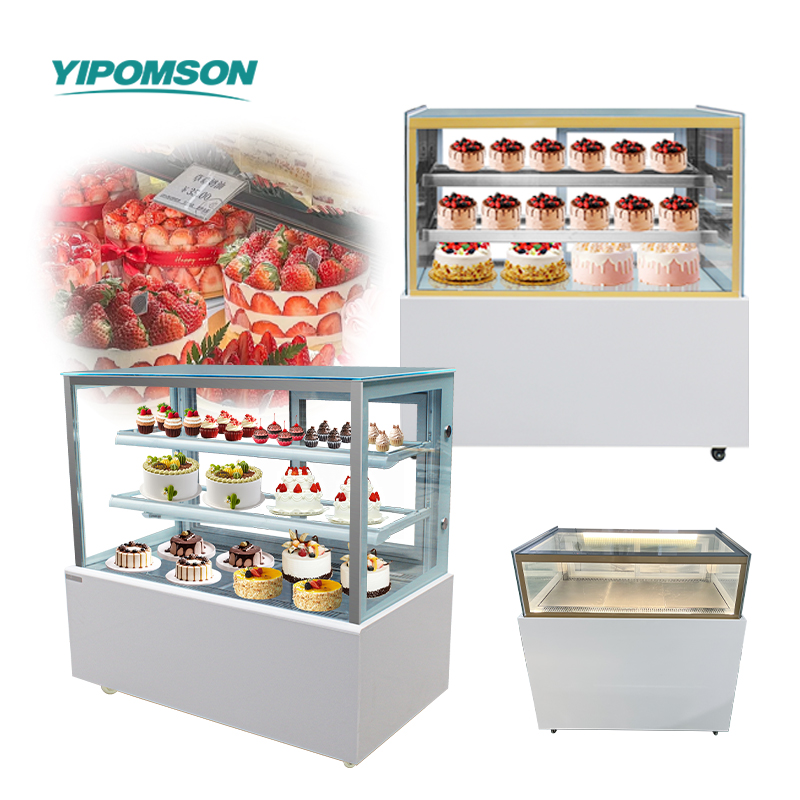
Is Your Fridge Ruining Your Cakes?
I used to think every cake problem started in the oven. A dry sponge, cracked frosting, or a layer that slid apart seemed like signs of poor baking.
Then I checked my fridge.
Cold air, low moisture, strong food smells, and uneven temperature can change the texture of a cake after baking. The fridge may not be ruining every cake, but it can make some cakes taste dry, feel firm, or lose their clean finish.
The good news is that you can protect most cakes with a few simple habits.
### Cold air can dry out cake
A fridge removes moisture from the air. An uncovered cake can lose moisture as it sits, especially when it has exposed sponge or cut edges.
I often see this with sponge cakes. The cake tastes soft on the day it is baked, then feels firmer after several hours in the fridge. The change becomes more noticeable when the cake is stored on a plate without a cake box.
A cake box or a well-sealed container creates a barrier between the cake and the cold air. Plastic wrap can also help, but it should not press against soft frosting.
For a sliced cake, cover the cut side with plastic wrap before placing the cake in a container. This small step helps reduce moisture loss.
### Some cakes should stay at room temperature
Not every cake needs refrigeration.
Plain pound cake, unfrosted sponge cake, banana bread, and many butter cakes can often stay at room temperature for a short period when they are kept in a cool, dry place. Store them in an airtight container away from sunlight and heat.
A refrigerator can make butter firm and sponge crumb less tender. That is why a simple cake may taste better after returning to room temperature.
Cakes with fresh cream, cream cheese frosting, custard, mousse, or fresh fruit need more care. These ingredients can spoil when left out for too long. Follow the storage guidance for the recipe and the ingredients you used.
### Strong fridge smells can change the flavor
Cake absorbs odors more easily than many people expect.
An uncovered cake stored beside onions, cheese, cooked food, or strongly seasoned leftovers may pick up unwanted smells. The cake can still look fine while the flavor feels strange.
I recommend placing the cake in a clean, sealed container. Keep it away from uncovered foods and check whether the fridge has a strong odor. A box of baking soda may help reduce general fridge smells, but it cannot replace proper food storage.
### Temperature changes can affect frosting
Cold temperatures make buttercream, ganache, and chocolate decorations firm. When the cake moves from the fridge to a warm room, condensation may appear on the surface.
This can leave the frosting looking wet or uneven. Sugar decorations may soften, and dark colors may show small drops of moisture.
Take the cake out while it is still inside its container. Let the container warm gradually before opening it. This gives condensation a surface to collect on instead of the cake.
A simple storage routine looks like this:
- Place the finished cake on a firm board.
- Chill it briefly if the frosting needs to set.
- Put the cake inside a clean cake box or airtight container.
- Leave enough space between the cake and the lid.
- Store it away from foods with strong smells.
- Remove it from the fridge before serving when the recipe allows.
- Open the container after the cake has adjusted to the room temperature.
### The shelf position matters
Many home fridges have warmer and colder areas. The back wall may be colder, and some shelves may receive stronger airflow.
A delicate cake can dry out faster when it sits close to the cooling vent. It may also develop a firm patch on one side.
Keep the cake on a stable shelf rather than against the back wall. Avoid placing it in the fridge door, where temperature changes can happen each time the door opens.
A level shelf also helps prevent soft fillings from shifting.
### Do not refrigerate a warm cake
A warm cake releases steam. When that steam meets a cold container, moisture can collect on the cake surface.
This may create a sticky top, wet frosting, or a dense crumb.
Let the cake cool fully before wrapping or covering it. If you need to cool it faster, place it on a wire rack so air can move around the sides and base.
Wrapping a warm cake may trap steam inside. That trapped moisture can affect the texture more than the fridge itself.
### How long should a cake stay in the fridge?
Storage time depends on the filling and frosting.
A cake with fresh cream, custard, cream cheese, or fresh fruit usually needs refrigeration and should be handled according to the recipe’s storage advice. A plain cake with a stable frosting may keep longer, but its texture can still change over time.
When I plan to serve a chilled cake, I take it out early enough for the frosting to soften slightly. The exact time depends on the cake size, room temperature, and filling. I check the texture rather than relying on one fixed number.
The cake should not sit out if its filling needs cold storage.
### A quick check before serving
Before serving, look at three things:
- Texture: Is the sponge dry, firm, or still soft?
- Surface: Has condensation formed on the frosting?
- Smell: Does the cake smell fresh, or has it picked up food odors?
If the sponge feels dry, serve it with fruit, cream, or a light sauce when suitable. If the frosting has condensation, avoid rubbing the surface. Let it settle inside the container.
A fridge is not always the cause of a failed cake. The cake may have been overbaked, wrapped while warm, stored without protection, or placed near strong airflow. Still, storage plays a large part in how the cake tastes later.
I now treat the fridge as a storage tool, not a default answer for every cake. Cool cakes only when their ingredients need it, cover them well, keep them away from odors, and allow them to return to a suitable serving temperature. Those habits help preserve the texture you worked to create.
The Fridge Mistake That’s Costing You Cake Sales
Many cake sellers focus on sponge recipes, frosting designs, and social media photos. The refrigerator often receives less attention.
That can create a quiet sales problem.
A cake may leave the kitchen looking smooth and fresh, then reach the customer with dry sponge, cracked frosting, dull colors, or a strong smell from nearby food. When this happens often, customers may stop ordering, even if they never explain why.
I have seen this happen in small cake businesses. The baker blamed the recipe, but the real issue was the way finished cakes were stored.
## The fridge may be drying out your cakes
A refrigerator removes moisture from the air. This helps keep food cold, but it can also affect cake texture.
Uncovered sponge cake may lose moisture while it sits. Buttercream can form a dry surface. Whipped cream may become less stable. Fondant can turn sticky after the cake moves from a cold fridge into a warm room.
A cake does not always need more cream or syrup. It may need better protection inside the refrigerator.
I use a cake box or a food-safe airtight container whenever the design allows it. The box should not touch the frosting. A small gap protects the decoration and gives the cake some space to adjust when it leaves the fridge.
## The temperature may be too low
Many home and small business refrigerators are set without checking the actual temperature. The display may show one number while the inside has colder and warmer areas.
Very cold air can affect cream fillings, fruit layers, ganache, and delicate sponge. Some ingredients become firm and difficult to cut. Others may release moisture when the cake returns to room temperature.
A basic refrigerator thermometer can help me understand what is happening inside the storage area. I place it near the center shelf instead of beside the cooling outlet or door.
I also avoid storing finished cakes directly against the back wall. That area may be colder and can expose the cake to unwanted moisture or frost.
## The fridge may contain strong-smelling food
Cake absorbs nearby odors more easily than many sellers expect.
Onions, cooked fish, garlic, cheese, and open containers of leftovers can affect the smell of cream and sponge. The customer may not identify the source. They may simply feel that the cake tastes different from what they expected.
A separate refrigerator is useful for a growing cake business, but not every seller has that option. I can still create a cleaner storage area by:
- Keeping savory food in sealed containers
- Removing uncovered leftovers
- Cleaning spills as soon as they appear
- Leaving space between food and cake boxes
- Avoiding open products with strong smells
A cake box protects the design. It does not replace good fridge hygiene.
## The door shelf is not a good place for finished cakes
The refrigerator door moves every time someone opens it. Its temperature also changes more than the temperature on an inner shelf.
A decorated cake stored on the door may experience repeated temperature shifts. This can affect soft fillings and frosting. The cake may move slightly inside the box, which can damage piping or side decorations.
I store finished cakes on a stable middle shelf when possible. I keep them away from items that may spill or press against the box.
A flat shelf also helps. If the box sits at an angle, a soft cake can shift during storage.
## The cake may be stored while still warm
Placing a warm cake into a closed box can create condensation. Water droplets may collect on the box or cake surface. This can make fondant sticky and cause colors to run.
I let cake layers cool before filling and decorating. When the finished cake needs refrigeration, I place it in a clean box with enough space around it.
The cake should not sit uncovered for a long period either. That exposes it to dry air, odors, and accidental contact. The useful balance is simple: cool the cake properly, then protect it.
## The storage time may be longer than the design allows
Some cake designs hold well in the refrigerator. Others are more sensitive.
Fresh fruit, whipped cream, mousse, and certain buttercream styles may need a different storage plan from a firm chocolate cake. A design that looks good for a short pickup window may lose quality after several days.
I write a storage note for each cake type. It includes:
- The recommended fridge setting
- The best shelf position
- The time the cake can stay stored
- The amount of time needed at room temperature before serving
- Any ingredients that may change texture
This helps me give customers clear instructions instead of using one rule for every cake.
## A small bakery example
A baker I spoke with had several customers mention that her cakes tasted dry the next day. Her sponge recipe had worked for months, so she planned to change the ingredients.
We checked her process. The cakes were placed uncovered on a shelf near the cooling outlet. The refrigerator was also set colder than needed. The cakes stayed there overnight because pickup times varied.
She began wrapping cooled cake layers before decoration, storing finished cakes in boxes, and moving them away from the cold-air outlet. She also added a simple temperature check to her routine.
The texture improved across her next batches. She did not need to change the whole recipe. The storage process had been affecting the result.
## A practical fridge check
I use this short check when cake quality starts to change:
- Place a refrigerator thermometer inside the main storage area.
- Check whether the cake sits near a cooling vent or back wall.
- Inspect the box for condensation.
- Remove strong-smelling food from the same shelf.
- Check whether the cake was fully cool before storage.
- Record how the cake looks and tastes after one day.
- Compare the result with a cake stored under better conditions.
Small notes can reveal a pattern that memory misses.
Cake sales depend on more than decoration. Customers judge the texture, smell, appearance, and serving experience as a whole. A refrigerator that is too cold, too dry, crowded, or poorly organized can affect all of those details.
When I treat cake storage as part of the recipe, I reduce avoidable quality problems. The cake leaves the kitchen in better condition, and the customer receives the product I meant to make.
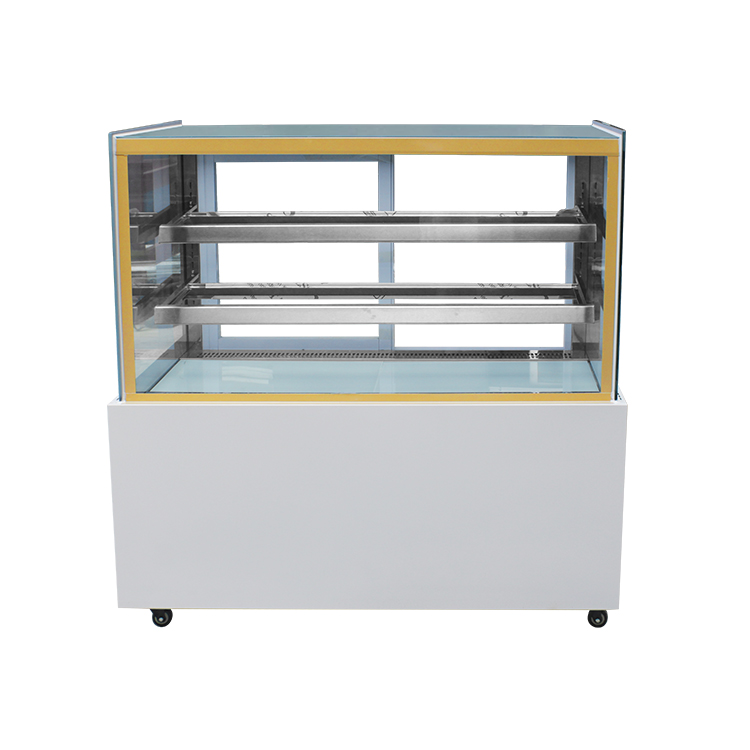
Better Cake Storage, More Happy Customers
A cake can look perfect when it leaves the kitchen and still lose its appeal before the customer takes the first bite. Dry sponge, soft frosting, cracked decoration, and a strong fridge smell can all affect the customer’s experience.
I have found that better cake storage starts with a simple question: what does this cake need to stay fresh, stable, and pleasant to eat?
Different cakes need different care. A buttercream birthday cake is not stored in the same way as a mousse cake, and a fruit-filled cake may need more temperature control than a plain sponge.
## Match the storage method to the cake
I begin by checking the main ingredients.
- Buttercream cakes: Keep them in a cool place when the recipe allows it. Refrigeration may be needed for longer storage or warm weather.
- Whipped cream cakes: Store them in a refrigerator. Keep them covered so the cream does not absorb nearby odors.
- Mousse and custard cakes: Keep them chilled until service. These cakes can lose their shape when left at room temperature for too long.
- Fresh fruit cakes: Use clean, dry fruit and keep the finished cake refrigerated.
- Fondant-covered cakes: Protect the cake from moisture and condensation. Sudden temperature changes can make the covering sticky.
- Cheesecakes: Store them in the refrigerator and use a firm, level surface to reduce cracks and movement.
I also label each cake with the preparation time, storage condition, and suggested serving guidance. This small habit helps my team handle orders with fewer mistakes.
## Keep the cake covered
An uncovered cake can absorb odors from onions, garlic, seafood, or strong sauces. Its surface can also dry out.
I use a cake box or a food-safe container that gives the decoration enough space. The lid should not touch the frosting, fruit, or piping.
When the cake goes into a refrigerator, I leave space around the box for air movement. I avoid placing it beside foods with strong smells. A clean shelf makes a difference, especially when the shop stores several types of food.
For small slices, I use individual containers or wrap them carefully with food-safe material. The cut surface needs extra protection because it loses moisture faster than the outer frosting.
## Control temperature changes
Moving a cold cake into a warm room can create condensation. Moisture may appear on the frosting, soften decorations, or cause fondant to become tacky.
I take the cake out of the refrigerator with its box closed. The box helps the cake adjust more slowly to the room. I open it after the surface has had time to adjust, based on the cake type, room temperature, and food safety guidance used by the business.
A shop in a warm area may need a shorter display period. A cool indoor room may allow more flexibility. I do not use one storage rule for every season.
## Give each cake a stable surface
A cake can shift when the box bends or the shelf is uneven. A strong cake board under the cake helps reduce movement during storage and delivery.
I check three points before placing the cake in the box:
- The board fits the box.
- The cake sits in the center.
- The box has enough height for the decoration.
For tall cakes, I use a box with enough clearance rather than pressing the lid over the top. A small amount of extra space can protect piped flowers, chocolate pieces, and fruit decoration.
During delivery, I place the box on a flat surface. I avoid a car seat because its angle can make the cake slide. A level vehicle floor with a non-slip mat gives the box better support.
## Protect the cake from drying out
Dry cake often comes from too much exposure to air.
I keep sponge layers covered after cooling. If I prepare layers before assembly, I wrap them well and store them according to the recipe. I avoid placing warm cake into a sealed container because trapped heat can create moisture and affect the texture.
When a cake has already been cut, I cover the exposed sponge with frosting, food-safe wrap, or a suitable container. This keeps the cut side from losing moisture as quickly.
A bakery team can test this process with one regular product. I once compared two slices of the same sponge cake: one was left uncovered in a display refrigerator, while the other was placed in a sealed container. The covered slice kept a softer texture because it had less contact with dry air.
## Manage display time
A cake display should look attractive without becoming a storage problem.
I record when each cake enters the display area. Staff can check the label before serving or packing the order. This system helps the team rotate products and avoid leaving delicate cakes on display longer than planned.
For cakes with cream, custard, mousse, or fresh fruit, I follow the shop’s food safety plan and the storage guidance for the recipe. If the cake has been outside the recommended temperature range, I do not rely on appearance alone to judge whether it is suitable for sale.
A simple record may include:
- Product name
- Preparation date and time
- Storage temperature
- Ingredients that need extra care
- Display start time
- Packing or collection time
The record does not need to be complicated. It needs to be easy for every team member to understand.
## Prepare the customer for serving
Good storage can be affected by poor instructions after collection.
I add short serving guidance to the order:
- Keep the cake chilled when it contains cream, mousse, custard, or fresh fruit.
- Keep the box level during transport.
- Let the cake rest as advised for its recipe before cutting.
- Use a clean, sharp knife.
- Return unused portions to a covered container.
I avoid giving one general message such as “keep it in the fridge” for every cake. Some decorations can react to moisture, while some fillings need steady chilling. Clear guidance shows the customer how to protect the product at home.
## Train the team with simple checks
Storage quality depends on daily habits, not one person’s memory.
Before opening, I ask the team to check:
- Is the refrigerator clean?
- Is the temperature within the shop’s set range?
- Are boxes closed?
- Are cakes level?
- Are labels easy to read?
- Are strong-smelling foods stored away from finished cakes?
- Do any decorations show moisture, cracks, or movement?
These checks take only a few minutes when each person knows what to look for. I also ask staff to report a problem instead of trying to hide it. A shifted decoration can often be fixed before collection. A cake with unclear storage history needs a more careful decision.
## Listen to customer feedback
Customer comments can reveal storage issues that are easy to miss in the kitchen.
If several customers mention dry sponge, soft decoration, or a strange fridge smell, I look at the full process. I check the packaging, display time, refrigerator space, delivery route, and serving instructions.
For example, a small bakery may notice that cakes collected in the afternoon receive more complaints about softened frosting. The cause may be the waiting area rather than the recipe. Moving packed cakes to a cooler shelf and keeping the box closed can help the team test the cause.
I prefer to change one part of the process at a time. That makes it easier to see which action has a useful effect.
Better cake storage supports better customer experiences. The cake keeps its texture, decorations stay in better condition, and staff have a clear process to follow.
I focus on four habits: match storage to the ingredients, protect the cake from air and odors, control temperature changes, and record handling times. These steps do not require complex equipment. They require care at each stage, from cooling and packing to delivery and serving.
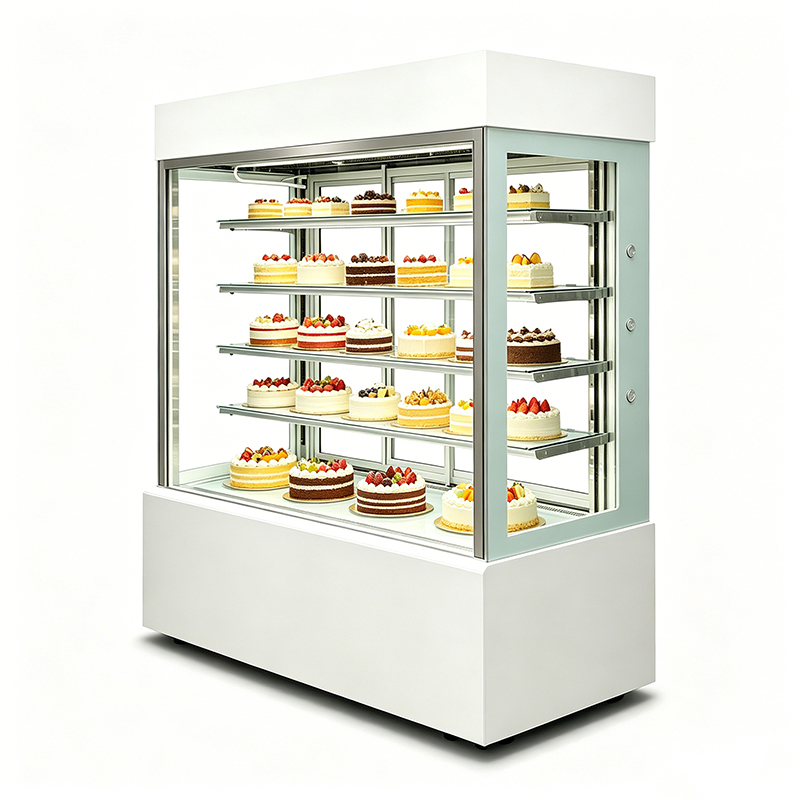
Could Your Fridge Be Killing Cake Quality?
A fridge can protect a cake, but it can also change its texture, flavor, and appearance. When a cake comes out dry, hard, cracked, or covered with moisture, the recipe may not be the only cause. Storage conditions often play a large part.
I have seen this happen with cakes that looked perfect before chilling. After several hours in the fridge, the sponge became firm, the frosting lost its smooth finish, and the cake picked up the smell of onions or prepared food. The fridge was doing its job for food safety, yet the cake was not stored in a cake-friendly way.
Cold air removes moisture from exposed food. A cake with cut surfaces, light frosting, or a loose cover can lose moisture quickly. The sponge may feel dry around the edges while the center stays soft. This problem is common with sponge cake, chiffon cake, cupcakes, and cakes with whipped cream.
Temperature also changes texture. Buttercream firms up when chilled. Ganache becomes thicker. Gelatin-based fillings may set more firmly. When the cake returns to room temperature, condensation can appear on the surface. That moisture may make decorations look dull or cause colored icing to bleed.
Strong odors create another problem. Cakes contain fat and sugar, two ingredients that can absorb nearby smells. An uncovered cake stored beside garlic, cheese, curry, or cooked meat may taste different the next day. A clean fridge does not always have a neutral smell.
I use a simple storage routine to protect cake quality.
1. Cool the cake before covering it
A warm cake placed into a sealed container can create trapped steam. That steam turns into water droplets and may make the frosting wet.
Let the cake cool until it no longer feels warm at the center. If the cake has been freshly decorated, give the frosting enough time to firm up before closing the container.
2. Cover every exposed area
A cake box helps, but it may not create a full seal. For a cut cake, press plastic wrap against the exposed sponge without touching delicate decorations. Place the wrapped cake inside an airtight container when possible.
A whole decorated cake can stay in a tall cake carrier. The carrier should protect the cake from moving air and nearby food smells.
Avoid placing plastic wrap directly on soft frosting. It can leave marks, pull away decoration, or flatten the surface.
3. Choose the right shelf
The fridge door often has more temperature movement because it opens frequently. A stable inner shelf is usually a better place for cake.
Keep the cake away from the cooling outlet. Cold air blowing directly onto the cake can dry one side faster than the other. Leave some space around the container so air can move without hitting the cake surface directly.
4. Check the cake type
Not every cake needs the same storage method.
A cake with whipped cream, cream cheese frosting, custard, fresh fruit, or mousse usually needs refrigeration. Follow the storage guidance for the filling and keep the cake covered.
A plain butter cake or unfrosted sponge may stay softer at room temperature for a short period when the room is cool and the cake is well covered. A fridge may make this type of cake firmer than needed.
A fondant-covered cake can react poorly to high moisture. Condensation may make the surface sticky. A cool, dry storage area may work better when the filling does not require refrigeration.
5. Let the cake warm slowly
Moving a cold cake into warm, humid air can cause condensation. Keep it inside its container while it comes back toward room temperature. Open the container after the surface has adjusted.
This method helps reduce wet patches and keeps outside air from touching the cold frosting too soon.
A common example is a buttercream birthday cake stored uncovered on a fridge shelf. The cake may look dull and feel hard the next morning. The owner may think the buttercream recipe failed, yet the main issue can be cold air and moisture loss. When the same cake is placed in a covered carrier, kept away from the vent, and brought to room temperature inside the carrier, the texture is often much closer to its original state.
The fridge itself is not the enemy. Poor coverage, unstable temperature, food odors, and the wrong storage time create most of the trouble. Before changing a cake recipe, I check how the cake was cooled, covered, placed, and served.
Good cake storage protects both safety and eating quality. A suitable container, a stable shelf, and a slow return to room temperature can make a clear difference without changing the recipe.
Keep Cakes Fresh and Boost Your Sales
A cake may look perfect when it leaves the kitchen, yet its texture, decoration, and flavor can change before it reaches the customer. Warm storage, poor packaging, strong odors, and long delivery routes can affect the eating experience. When customers receive a dry sponge or damaged frosting, they may hesitate to order again.
I focus on simple handling steps that help cakes stay in good condition from the bakery counter to the customer’s table. These steps also make daily work easier for my team.
1. Cool the cake before adding frosting
A warm cake can soften buttercream, cream cheese frosting, and whipped cream. It may also create moisture inside the box.
I let the sponge cool fully on a rack before decorating it. For layered cakes, I wrap each cooled layer and place it in a cool storage area for a short period. This helps the cake become easier to trim and stack.
The cake should feel cool at the center, not only on the surface. A warm center can still affect the frosting later.
2. Choose packaging that fits the cake
A cake box should protect the decoration without leaving too much empty space. A loose box lets the cake slide during transport. A box that is too small may touch the frosting and damage the design.
I check these points before packing:
- The cake board sits flat inside the box
- The box has enough height for the decoration
- The base does not move from side to side
- The lid stays away from the frosting
- The box has enough strength for the cake’s weight
For tall cakes, I use a deeper box and secure the cake board with a small amount of food-safe adhesive. This reduces movement during delivery.
Clear windows can help customers see the design, but they do not replace proper support. A beautiful cake still needs a firm base and a stable box.
3. Match storage conditions to the recipe
Different cakes need different storage methods.
Butter cakes and sponge cakes often keep their texture in a cool, dry place when they do not contain fresh cream or other ingredients that need refrigeration. Cakes with whipped cream, custard, cream cheese, fruit fillings, or mousse usually need chilled storage.
I avoid placing cakes near strong-smelling foods. Cream and sponge can absorb odors from onions, garlic, seafood, and other products. A clean refrigerator with enough space helps protect both flavor and appearance.
A refrigerator that is too cold can dry out sponge cake. A refrigerator with frequent temperature changes can create condensation on the frosting. I keep storage conditions steady and follow the ingredient supplier’s food safety guidance.
4. Protect the cake from moisture
Moisture can make sugar decorations soften, colors bleed, and cake boards become weak.
I keep cakes away from direct steam and avoid placing a cold cake into a warm, humid room for a long period. When a chilled cake needs to be displayed, I move it gradually into the display area and watch for condensation.
For delivery, I use packaging that reduces exposure to air and humidity. I also keep the box level and away from direct sunlight.
5. Plan delivery around the cake
A delicate cake needs more care than a simple loaf cake. Before accepting an order, I consider the distance, travel time, weather, road conditions, and cake design.
I tell customers how to carry the box:
- Keep the box level
- Place it on a flat surface
- Avoid holding it on a car seat
- Keep it away from heaters and direct sunlight
- Refrigerate it when the recipe requires chilled storage
A flat car floor often provides more support than a sloped seat. For larger cakes, I prefer hand delivery or a delivery service that understands food handling.
A bakery owner I spoke with noticed fewer damaged orders after adding a simple delivery note and using a non-slip mat under the cake box. The change did not require new equipment. It came from improving the handoff between the bakery and the customer.
6. Use clear freshness guidance
Customers should know how to store and serve the cake after purchase. I add a short card with practical details:
- Storage temperature
- Recommended serving time
- How long the cake should sit at room temperature
- Whether the cake should remain in its box
- The best way to cut and cover leftovers
Clear guidance reduces guesswork. It also gives customers a better chance to enjoy the cake as intended.
I avoid promising a fixed shelf life for every cake. Ingredients, storage, temperature, and handling all affect quality. A simple label can state the recommended storage period based on the recipe and local food safety requirements.
7. Check the cake before it leaves
A short packing check can prevent many complaints. I look at the frosting, decorations, cake board, box, label, and order details. I also confirm that the correct flavor and size are inside.
My team uses a small checklist:
- Decoration matches the order
- Cake is centered
- Box is clean and secure
- Storage guidance is included
- Customer name and delivery details are correct
This process takes little time and creates a clear standard for every order.
Freshness is not controlled by one action. Cooling, storage, packaging, delivery, and customer guidance all work together. When I treat each step as part of the customer experience, the cake arrives in better condition and the bakery can build trust through consistent service.
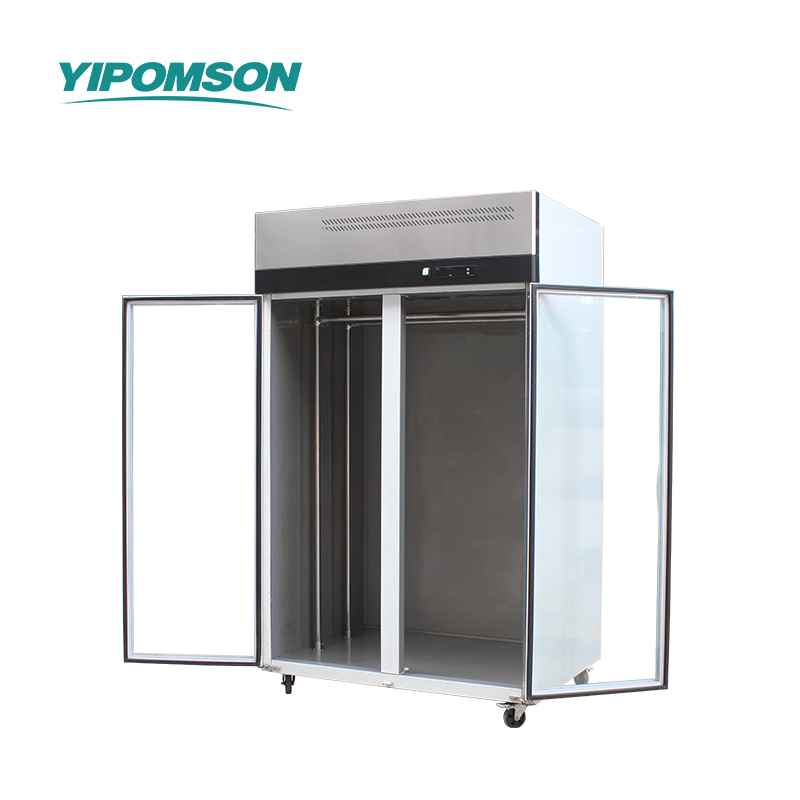
Fix Your Fridge, Save Every Cake Sale
A cake can take hours to bake, fill, decorate, and pack. One unstable fridge can undo that work before the customer even sees it.
When the temperature rises, cream softens, buttercream loses its shape, and delicate decorations may slide. Customers may notice changes in texture or appearance. For a home baker, café, or small cake shop, one damaged order can also mean wasted ingredients, extra labor, and a difficult customer conversation.
I look at the fridge as part of the cake-making process, not just a place to store finished products.
### Signs your fridge may be affecting your cakes
You may need a fridge inspection or repair when:
- Cakes feel softer than usual after chilling
- Buttercream does not hold its shape
- The fridge shows different temperatures on different shelves
- Food near the back freezes while the door area stays warm
- The motor runs for long periods
- Water collects inside the cabinet
- The door seal feels loose
- The fridge makes new or unusual sounds
- The temperature changes after the door is opened
- Cakes absorb strong food smells
A temperature display can help, but it does not always tell the whole story. I recommend placing a separate fridge thermometer inside the cabinet and checking it at different times of the day.
### Step 1: Check the temperature
Most chilled cakes need steady cold storage, but the exact setting depends on the recipe, filling, and local food-handling guidance.
Record the temperature in the morning, after a busy preparation period, and before closing. A fridge that reads correctly when empty may struggle when it is packed with cake boxes, cream, fruit, and containers.
Keep space around the boxes so cold air can move. Avoid placing warm cake directly beside finished orders. Let the cake cool safely before it goes into the fridge, following the recipe and food-safety guidance you use.
### Step 2: Inspect the door seal
A damaged seal can let warm air enter every time the compressor stops. The fridge may still appear to work, while the inside temperature moves up and down.
Close the door on a sheet of paper. If the paper slides out with little resistance, inspect the seal for cracks, gaps, or areas that no longer sit flat.
A loose door can also come from overloaded shelves or a fridge that is not level. Remove anything pressing against the door, then check whether the problem remains.
### Step 3: Look for blocked airflow
Cake boxes often take up more room than regular food containers. When boxes touch the rear wall or cover vents, some areas may become too cold while others stay warm.
Leave a small gap around vents and avoid stacking boxes so tightly that air cannot circulate. Store strong-smelling foods away from uncovered cakes, cream, and fondant decorations.
A simple layout can help:
- Lower shelf: sealed ingredients or containers
- Middle shelf: finished cakes with enough space around each box
- Upper shelf: smaller items that do not block airflow
- Door shelves: items that do not need the most stable temperature
The best layout depends on the fridge design. I never cover a vent just to fit one more cake box.
### Step 4: Clean the parts that affect cooling
Dust around the condenser area can reduce cooling performance. Unplug the appliance before cleaning accessible parts, and follow the manufacturer’s instructions.
Clear away spilled cream, crumbs, and packaging that may block drainage channels. A blocked drain can create water inside the fridge and affect nearby cake boxes.
Cleaning will not repair a failed sensor, damaged fan, or weak compressor. It can help you separate a simple maintenance issue from a repair need.
### Step 5: Protect finished cakes during diagnosis
If the fridge is not holding a steady temperature, move finished orders to another suitable cold-storage unit. Use a thermometer to check the backup fridge instead of relying only on its display.
Keep each cake covered and clearly labeled. Record:
- The time the cake entered the fridge
- The temperature when it was stored
- The temperature during checks
- Any changes to cream, frosting, or decorations
This record can help you spot a pattern. For example, a fridge may perform well overnight but struggle during afternoon production when the door opens often.
### A practical example
A home baker preparing birthday cakes noticed that the buttercream on her larger orders became soft near the front edge. The back of the fridge felt very cold, so she assumed the temperature was fine.
She placed two thermometers on separate shelves and found a clear difference between the front and back. The door seal had a small gap, and several tall cake boxes were blocking an internal vent.
After replacing the seal and changing the shelf layout, she continued checking the temperature during busy preparation periods. Her cakes stayed more consistent, and she no longer had to reshape the frosting before collection.
The repair was only part of the solution. Storage habits mattered as well.
### When to call a fridge repair technician
Contact a qualified technician when:
- The fridge cannot reach a safe, stable temperature
- The compressor runs without stopping
- The fan does not seem to work
- Ice builds up around the rear panel
- The appliance leaks after cleaning the drain area
- The temperature changes sharply without a clear reason
- The door seal replacement does not solve the issue
- The fridge trips the power supply or shows an error code
Share your temperature records and explain how the fridge is used. A technician will need to know whether you store tall cake boxes, open the door often, or place warm products inside.
Avoid adjusting electrical parts or refrigerant systems yourself. These repairs require suitable equipment and trained handling.
### Better fridge habits for cake businesses
I keep a simple storage routine:
- Check the thermometer before storing finished cakes
- Leave room around each box
- Keep the door closed between tasks
- Let warm products cool before refrigeration
- Clean spills as soon as they appear
- Check the seal once a week
- Avoid placing heavy items against the rear wall
- Keep a record of recurring temperature changes
- Plan repairs before a large order period when possible
These habits do not replace professional repair. They make it easier to notice problems before they affect several orders.
Your fridge supports every cake that leaves your kitchen. Stable cooling helps protect texture, decoration, presentation, and the time you put into each order. When a cake looks different from the one you designed, check the storage conditions before changing the recipe. A small fridge fault can create a large baking problem.
Want to learn more? Feel free to contact yipomson: caroline@yipomson.com/WhatsApp +8613360672196.
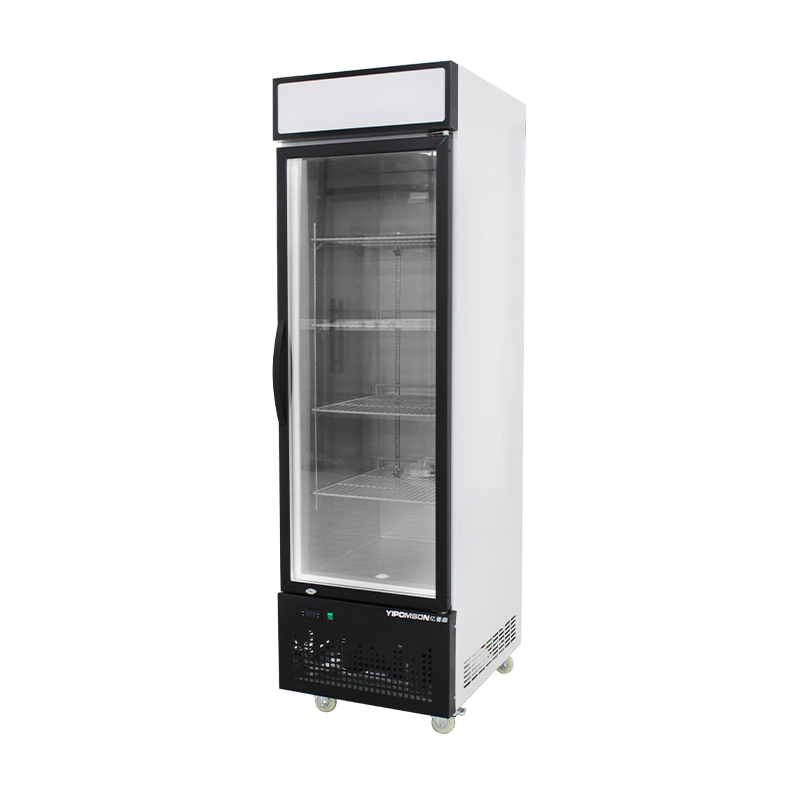
References
U.S. Food and Drug Administration, 2022, Food Code 2022
U.S. Department of Agriculture, 2020, The Food Keeper Storage Guide
Food Standards Agency, 2023, Chilling Food Safely
King Arthur Baking Company, 2021, How to Store Cake and Keep It Fresh
Harold McGee, 2004, On Food and Cooking The Science and Lore of the Kitchen
Wayne Gisslen, 2017, Professional Baking Eighth Edition