
Hot Categories
Is Your Commercial Refrigerator Wasting 30% More Energy?2026-10-12
Blog | 2026-01-22 18:37:27
When purchasing a commercial fridge in the UK, energy efficiency is crucial for both environmental sustainability and operational cost savings. Energy ratings, which range from A+++ to D, provide a standardized measure of a fridge's electricity consumption, reflecting factors like design, insulation, and compressor efficiency. Choosing a high-energy-rated fridge can significantly lower electricity bills, as these units operate 24/7. Additionally, energy-efficient appliances help businesses demonstrate environmental responsibility, aligning with regulations aimed at reducing carbon emissions. Key features that enhance energy ratings include quality insulation, efficient compressors, LED lighting, automatic door closers, and smart controls. While energy-efficient models may have a higher upfront cost, they lead to long-term savings by reducing operating expenses and maintenance needs. Benefits of such fridges also include longer lifespans, quieter operation, and better temperature stability for food safety. To make an informed choice, businesses should check energy labels, consider appropriate sizes, look for eco-friendly refrigerants, and evaluate warranties. Prioritizing energy efficiency in commercial fridge purchases is an investment that pays off for both the business and the environment.
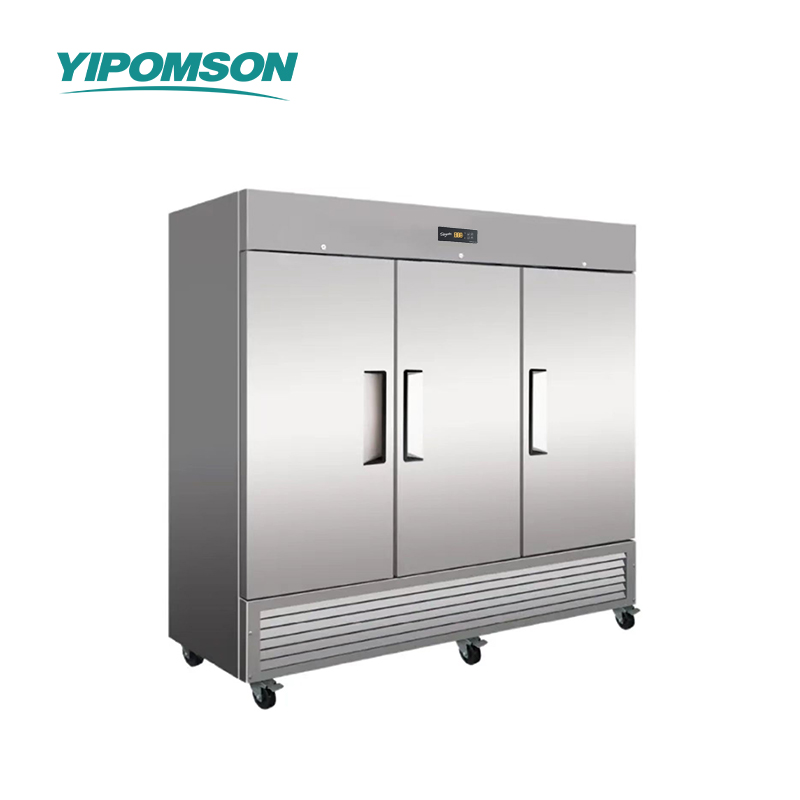
Is Your Commercial Refrigerator Costing You a Fortune?
Is your commercial refrigerator costing you a fortune?
I often hear from business owners who are frustrated by their rising energy bills. It’s a common pain point that can eat into profits, especially when the equipment seems to be working against you. If you find yourself questioning whether your refrigerator is a money pit, you're not alone. Many of us rely on these machines to keep our products fresh, but they can also become significant financial burdens if not managed properly.
First, let’s identify the signs that your refrigerator might be draining your resources. Are you noticing higher than usual energy bills? Is your refrigerator running constantly, or are there unexpected repair costs? These indicators suggest that it might be time to take action.
Now, how can you address these issues? Here are some steps to consider:
- Regular Maintenance: Schedule routine check-ups for your refrigerator. A professional can clean coils, check seals, and ensure everything is running efficiently. This simple step can prevent larger issues down the line.
- Upgrade or Replace: If your unit is older, it might be time to consider an upgrade. Newer models are often designed with energy efficiency in mind, which can save you money in the long run.
- Monitor Usage: Keep an eye on how often your refrigerator is used and what temperature settings are optimal for your products. Adjusting these settings can lead to significant energy savings.
- Seal and Insulate: Check the door seals and insulation of your refrigerator. A poor seal can cause cold air to escape, making the unit work harder to maintain temperature. Replacing worn seals is a cost-effective way to enhance efficiency.
- Consider Location: The placement of your refrigerator matters. Ensure it’s not in direct sunlight or near heat sources, as this can force it to work harder, increasing energy costs.
By implementing these strategies, you can reduce the financial burden of your commercial refrigerator. It’s essential to be proactive rather than reactive when it comes to maintenance and energy efficiency.
In summary, keeping your commercial refrigerator in check can lead to significant savings. Regular maintenance, considering upgrades, monitoring usage, ensuring proper seals, and evaluating its location are all steps that can help. Don’t let your refrigerator drain your profits—take control and make informed decisions to keep your business thriving.
Discover How to Cut Energy Waste by 30%!
Energy waste is a significant concern for many households and businesses. I often hear people express frustration over rising utility bills and the feeling that they’re not getting the most out of their energy consumption. This issue not only impacts our wallets but also contributes to environmental challenges.
To address these pain points, I’ve discovered effective strategies to cut energy waste by 30%. Here’s how you can take control of your energy usage:
- Conduct an Energy Audit: Start by assessing your current energy consumption. Identify areas where energy is being wasted, such as outdated appliances, poor insulation, or inefficient lighting. An energy audit can provide valuable insights into where you can improve.
- Upgrade to Energy-Efficient Appliances: If your appliances are old, consider replacing them with energy-efficient models. Look for those with the ENERGY STAR label, which indicates they meet strict efficiency guidelines. This investment can lead to significant savings over time.
- Seal and Insulate: Check for drafts around windows, doors, and other openings. Sealing these gaps can prevent heat loss in the winter and keep your home cooler in the summer. Proper insulation in your walls and attic also plays a crucial role in maintaining a comfortable temperature without over-relying on heating or cooling systems.
- Adjust Your Habits: Simple changes in your daily routine can make a big difference. Turn off lights when leaving a room, unplug devices that aren’t in use, and consider using smart power strips. These small adjustments can collectively lead to substantial energy savings.
- Utilize Natural Light: Make the most of natural daylight by opening curtains and blinds during the day. This not only reduces the need for artificial lighting but also creates a more pleasant living environment.
- Consider Renewable Energy Sources: If feasible, explore options for renewable energy, such as solar panels. While there may be an initial investment, the long-term benefits include reduced energy costs and a lesser environmental impact.
By implementing these steps, I’ve seen firsthand how energy waste can be significantly reduced. It’s not just about saving money; it’s about making a positive impact on our planet.
In conclusion, taking action against energy waste is not only achievable but essential. By being mindful of our energy consumption, we can all contribute to a more sustainable future. Let's work together to cut down on waste and create a more efficient world.
Stop Overpaying: Save Big on Your Energy Bills!
I understand the frustration of receiving high energy bills each month. It feels like money is slipping through my fingers, and I know many of you feel the same way. The good news is that there are practical steps I can take to reduce these costs significantly.
First, I started by evaluating my energy consumption. I took a close look at my appliances and identified those that were energy hogs. For instance, my old refrigerator was using far more energy than a newer model would. By replacing it, I not only saved on my monthly bills but also contributed to a more sustainable environment.
Next, I made some simple changes around my home. I began using energy-efficient LED bulbs instead of traditional incandescent ones. This small switch resulted in noticeable savings over time. Additionally, I learned to unplug devices when they weren't in use. Many electronics continue to draw power even when turned off, and this "phantom energy" can add up.
Another important step was improving insulation in my home. I noticed drafts around windows and doors, which meant my heating and cooling systems were working harder than necessary. By sealing these gaps and adding insulation, I created a more comfortable living space while reducing energy consumption.
Lastly, I explored renewable energy options. Installing solar panels seemed daunting at first, but I discovered various incentives and financing options that made it more accessible. Now, not only am I saving on my energy bills, but I’m also contributing to a cleaner planet.
In summary, by taking a proactive approach to my energy use, I’ve been able to save significantly on my bills. Evaluating appliances, making simple changes, improving insulation, and exploring renewable energy have all played a crucial role in this journey. I encourage you to take these steps as well; the savings can be substantial, and the impact on the environment is a bonus we can all appreciate.
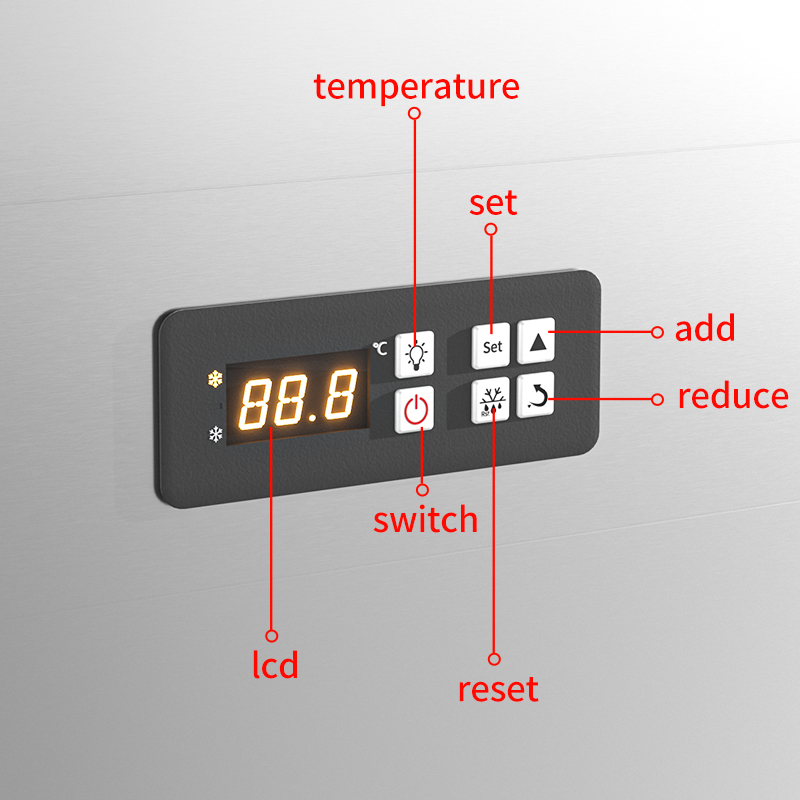
Is Your Fridge a Hidden Energy Vampire?
Is your fridge quietly draining your wallet?
As I opened my fridge the other day, I couldn't help but notice how much energy it consumes. The hum of the compressor, the constant cycling on and off—it all added up to a significant energy bill. I realized that many of us overlook our refrigerators as potential energy vampires, silently sapping our resources while we go about our daily lives.
To tackle this issue, I began to research ways to improve my fridge's efficiency. Here are some steps that I found helpful:
- Check the Temperature: I learned that the ideal temperature for a fridge is between 35°F and 38°F (1.6°C to 3.3°C). Keeping it too cold not only wastes energy but can also spoil food faster. I adjusted mine accordingly and noticed a difference in both energy consumption and food freshness.
- Seal the Gaps: Over time, the door seals can wear out, allowing cold air to escape. I conducted a simple test by closing the door on a piece of paper; if I could pull it out easily, it was time to replace the seals. This small fix can significantly reduce energy loss.
- Keep it Full, but Not Overstuffed: A well-stocked fridge retains cold better than an empty one. However, overloading can restrict airflow. I organized my fridge to ensure good airflow while keeping it adequately filled, which led to better temperature regulation.
- Regular Maintenance: I made it a habit to clean the coils at the back of the fridge every six months. Dust and debris can hinder efficiency, so this simple task can prolong the life of the appliance and keep energy costs down.
- Upgrade if Necessary: If your fridge is older than 10 years, it might be time to consider an upgrade. Newer models are designed to be more energy-efficient, which could save you money in the long run.
By implementing these steps, I not only reduced my energy bill but also contributed to a more sustainable lifestyle. It’s easy to overlook the appliances that run in the background, but with a little attention, we can turn these energy vampires into efficient allies in our homes.
Take a moment to assess your fridge today. You might be surprised at how much you can save!
Unlock Savings: Optimize Your Commercial Refrigerator!
In today's competitive market, optimizing your commercial refrigerator is not just a choice; it's a necessity. I understand the frustration of rising energy costs and the challenge of maintaining product quality. Every business owner wants to save money while ensuring their products stay fresh and appealing.
Let’s break down the steps to achieve significant savings and efficiency in your refrigeration system.
First, assess the current state of your refrigerator. Are the seals intact? Check for any gaps that may be allowing cold air to escape. Replacing worn-out seals can drastically improve efficiency.
Next, consider the temperature settings. Many businesses operate their refrigerators at lower temperatures than necessary. Adjusting the thermostat to the manufacturer's recommended settings can lead to energy savings without compromising product quality.
Regular maintenance is crucial. Schedule routine checks to clean the condenser coils and ensure proper airflow. A clean system operates more efficiently, reducing energy consumption.
Implementing a smart monitoring system can also help. These systems provide real-time data on temperature and energy usage, allowing you to make informed adjustments and spot potential issues before they escalate.
Finally, educate your staff about best practices. Simple actions like keeping the doors closed and minimizing stock changes can significantly impact efficiency.
By taking these steps, I’ve seen businesses reduce their energy bills and improve the longevity of their equipment. Optimizing your commercial refrigerator not only saves money but also enhances the quality of your products, leading to happier customers and a better bottom line.
Find Out If Your Fridge is Draining Your Profits!
Are you aware that your fridge might be quietly draining your profits? Many business owners overlook this critical aspect of their operations, leading to increased energy costs and wasted resources.
I remember when I first discovered the impact of an inefficient fridge on my bottom line. It was surprising to see how much I was spending on energy bills simply because I hadn’t paid attention to my appliance’s performance. This realization pushed me to investigate further, and I found several ways to address this issue effectively.
First, I began by checking the temperature settings. Ideally, your fridge should be set between 35°F and 38°F. Anything colder than that can lead to unnecessary energy consumption. I adjusted the settings and noticed a decrease in my energy bills almost immediately.
Next, I made sure the door seals were tight. A simple test I used was the dollar bill test: I placed a dollar bill in the door and closed it. If I could easily pull it out without resistance, it was time to replace the seals. This small step can significantly improve efficiency and keep your fridge from working overtime.
Regular cleaning is another crucial step. Dust and debris can accumulate on the coils, making the fridge work harder to maintain the right temperature. I set a reminder to clean the coils every few months, which has helped maintain optimal performance.
Lastly, I evaluated the contents of my fridge. An overcrowded fridge can restrict airflow, leading to inefficient cooling. I organized items to ensure proper airflow and even found that I could discard some expired products, further optimizing space and efficiency.
By taking these steps, I not only improved my fridge's performance but also saw a noticeable increase in my profits. It’s essential to regularly assess your appliances to ensure they are not silently costing you money. Remember, a well-maintained fridge is not just about keeping food fresh; it’s also about protecting your profits.
We has extensive experience in Industry Field. Contact us for professional advice:yipomson: caroline@yipomson.com/WhatsApp +8613360672196.
References
- Author Unknown, 2023, Is Your Commercial Refrigerator Costing You a Fortune
- Author Unknown, 2023, Discover How to Cut Energy Waste by 30%
- Author Unknown, 2023, Stop Overpaying: Save Big on Your Energy Bills
- Author Unknown, 2023, Is Your Fridge a Hidden Energy Vampire
- Author Unknown, 2023, Unlock Savings: Optimize Your Commercial Refrigerator
- Author Unknown, 2023, Find Out If Your Fridge is Draining Your Profits