
Hot Categories
Is Your Commercial Oven Wasting 30% More Energy Than It Should?2026-10-12
Blog | 2026-02-03 10:08:34
The article explores the intriguing notion that a more powerful oven can actually consume less energy than a less powerful counterpart, challenging common misconceptions surrounding oven energy usage. It delves into how an oven's design significantly impacts its energy consumption, particularly focusing on heating phases and heat loss attributed to factors such as glass and insulation. While low-powered ovens might appear to be more energy-efficient at first glance, they often require longer heating times to reach the desired temperature, ultimately leading to higher overall energy consumption due to extended heating phases. Conversely, powerful ovens are designed to heat up quickly, effectively minimizing heat loss and contributing to reduced energy bills. The article underscores the necessity of selecting a well-insulated oven with sufficient heating capacity and provides practical tips for cutting electricity costs, such as turning off the oven between uses. In conclusion, it emphasizes that optimizing oven usage is key to achieving significant energy savings, highlighting the importance for bakers to understand how to manage their ovens efficiently for both performance and cost-effectiveness.
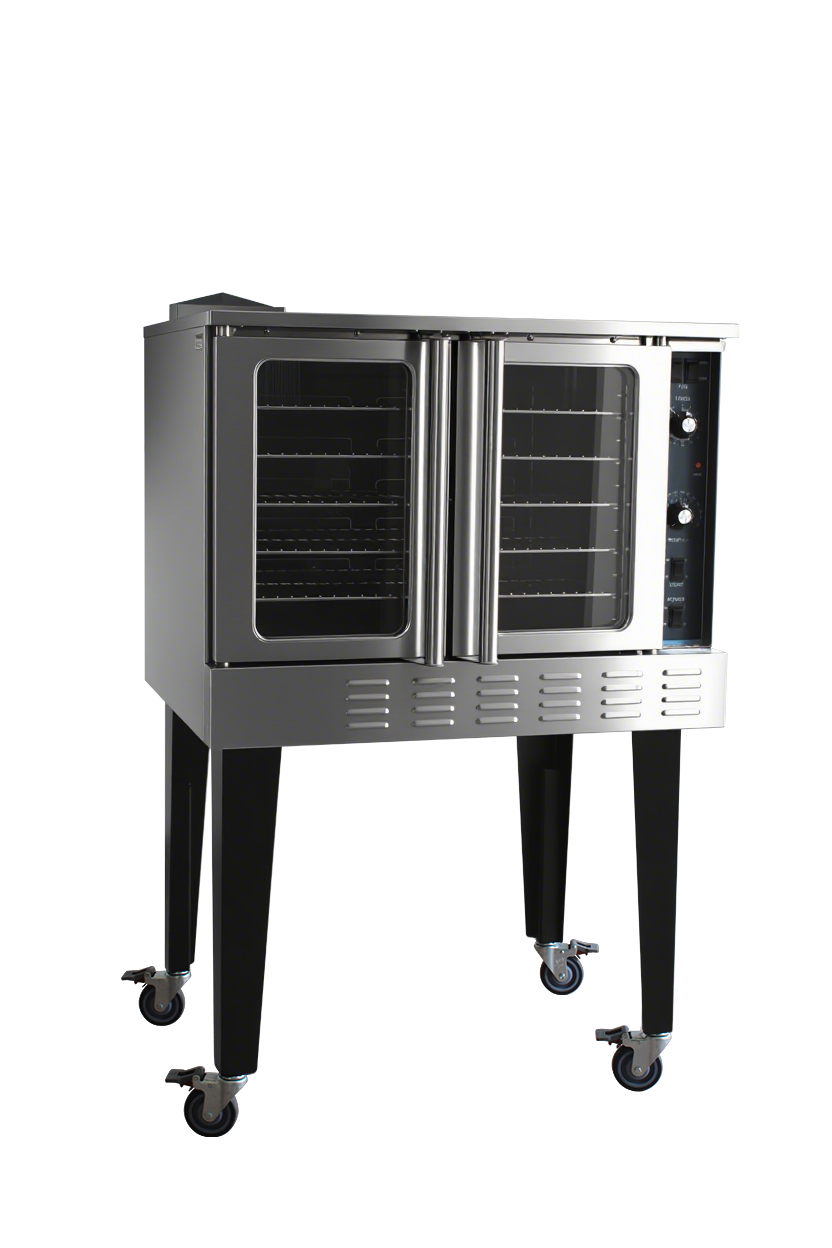
Is Your Commercial Oven Costing You More Than You Think?
Is your commercial oven costing you more than you think?
As a business owner, I understand the importance of keeping operational costs low. However, many of us overlook one critical piece of equipment: the commercial oven. You might be surprised to learn just how much it can impact your bottom line.
Identifying the Hidden Costs
First, let’s examine the potential hidden costs associated with your oven. Are you experiencing higher energy bills? An inefficient oven can consume more energy than necessary, leading to inflated utility costs. Additionally, if your oven is frequently breaking down, the repair costs can add up quickly, not to mention the loss of revenue during downtime.
Steps to Assess Your Oven's Efficiency
- Energy Audit: Conduct an energy audit to determine how much energy your oven consumes compared to its output. This will help you identify areas for improvement.
- Regular Maintenance: Implement a regular maintenance schedule. Cleaning and servicing your oven can enhance its efficiency and longevity, reducing the likelihood of costly repairs.
- Upgrade Options: Consider upgrading to a more energy-efficient model. While this may involve an initial investment, the long-term savings on energy bills can be substantial.
- Monitor Usage: Keep track of how often and how long your oven is in use. Understanding your usage patterns can help you make informed decisions about scheduling and energy consumption.
Conclusion: Taking Action
In conclusion, it’s essential to evaluate the costs associated with your commercial oven. By conducting an energy audit, maintaining your equipment, considering upgrades, and monitoring usage, you can significantly reduce your expenses. Don't let your oven silently drain your profits—take action now and ensure it works efficiently for your business.
Stop Overpaying: Check Your Oven's Energy Efficiency!
Are you tired of high energy bills? It might be time to check your oven's energy efficiency. Many of us overlook this essential appliance when it comes to energy consumption, but it can significantly impact your monthly expenses.
First, let’s identify the signs that your oven may be draining more energy than necessary. If you notice longer cooking times, uneven baking, or frequent temperature fluctuations, these could indicate inefficiencies.
Next, consider the age of your oven. Older models often consume more energy compared to newer, energy-efficient models. If your oven is over a decade old, it might be worth evaluating whether an upgrade could save you money in the long run.
To assess your oven's energy efficiency, start by checking its energy rating label. This label provides crucial information about its energy consumption compared to similar models. A higher rating typically means lower energy use.
Additionally, regular maintenance can enhance your oven’s efficiency. Cleaning the interior and ensuring that the door seals properly can prevent heat loss and reduce cooking times.
Finally, consider using your oven more wisely. Batch cooking or using the oven for multiple dishes at once can maximize energy use, making every minute in the oven count.
In summary, by identifying inefficiencies, considering an upgrade, maintaining your oven, and using it strategically, you can reduce energy consumption and lower your bills. Taking these steps not only benefits your wallet but also contributes to a more sustainable lifestyle.
Is Your Oven a Hidden Energy Drain? Find Out Now!
Is your oven quietly draining your energy and increasing your bills? Many homeowners overlook this kitchen appliance, not realizing how much energy it can consume.
I used to think my oven was just a standard appliance, but after receiving my utility bill, I started to wonder. The truth is, ovens can be significant energy drainers, especially if they're not used efficiently.
Identifying the Problem:
- Energy Consumption: Ovens, particularly older models, can consume a lot of electricity. If you notice your bills spiking, it’s worth investigating how often you use your oven and for how long.
- Inefficient Usage: Leaving the oven on for long periods or using it for small meals can waste energy. I realized that I often preheated my oven for quick meals, which wasn’t the best practice.
Solutions to Consider:
- Upgrade to Energy-Efficient Models: If your oven is old, consider investing in a newer, energy-efficient model. Look for those with the ENERGY STAR label, which indicates lower energy consumption.
- Optimize Cooking Habits: Try to batch cook or prepare multiple dishes at once. This can reduce the overall time your oven is on. I found that cooking larger meals and reheating leftovers saved both time and energy.
- Use Alternative Cooking Methods: Explore other cooking methods like microwaving, slow cooking, or using a toaster oven for smaller meals. These alternatives often use less energy than a full-sized oven.
- Regular Maintenance: Ensure your oven is well-maintained. Clean the interior regularly and check for any issues that might cause it to work harder than necessary. I noticed a difference in performance after a thorough cleaning.
Conclusion:
By understanding how your oven impacts your energy consumption, you can take steps to reduce costs and improve efficiency. I learned that small changes in my cooking habits and appliance choices made a significant difference in my energy bills. Take a moment to evaluate your oven's usage and consider these tips to prevent it from becoming a hidden energy drain in your home.
Save Money: Optimize Your Commercial Oven's Energy Use!
In today’s fast-paced culinary world, I often hear from restaurant owners and chefs about the rising energy costs associated with commercial ovens. These essential kitchen tools can consume a significant amount of power, leading to inflated utility bills that strain budgets. I understand the frustration of wanting to serve delicious meals while also keeping expenses manageable.
To tackle this issue, I’ve discovered several effective strategies to optimize energy use in commercial ovens. Here’s how you can save money and enhance efficiency:
- Regular Maintenance: Ensuring your ovens are well-maintained is crucial. I recommend scheduling routine checks to clean burners, check seals, and inspect insulation. A well-maintained oven operates more efficiently, using less energy.
- Use the Right Equipment: Not all ovens are created equal. Consider investing in energy-efficient models or those with advanced features such as programmable settings. These can help reduce energy consumption during peak hours.
- Optimize Cooking Practices: I’ve found that preheating ovens only when necessary and using the right size pans can make a big difference. Avoid opening the oven door frequently, as this causes heat loss and increases energy use.
- Monitor Usage: Keeping track of when and how often your ovens are used can help identify patterns. By analyzing this data, you can adjust your cooking schedules to maximize efficiency during off-peak hours.
- Train Your Staff: Educating your team about energy-saving practices is essential. I always emphasize the importance of using ovens efficiently, which not only saves energy but also improves the overall workflow in the kitchen.
In conclusion, optimizing your commercial oven's energy use is not just about saving money; it’s about running a more efficient kitchen. By implementing these strategies, I’ve seen firsthand how businesses can reduce their energy costs while maintaining high-quality food preparation. Take these steps today, and watch your savings grow!
Energy Waste Alert: Is Your Oven in the Red?
Is your oven quietly draining your wallet? Many of us may not realize the energy costs associated with our appliances, especially when it comes to something as essential as our oven. I’ve been there, feeling the pinch every month when the utility bill arrives. It’s frustrating to think that my cooking habits might be contributing to unnecessary expenses.
Let’s break down this issue. First, we need to assess how energy-efficient our ovens really are. Many older models consume significantly more power than newer, energy-efficient ones. If your oven is over a decade old, it might be time to consider an upgrade.
Next, I recommend checking the insulation of your oven door. A faulty seal can lead to heat escaping, causing the oven to work harder and consume more energy. You can easily test this by running a simple paper test: close the door on a piece of paper. If you can pull it out easily, it’s time to replace the door seal.
Another step is to be mindful of how you use your oven. Preheating is essential, but many of us overdo it. For most dishes, preheating for just 10-15 minutes is sufficient. Additionally, try to avoid opening the oven door frequently while cooking, as this lets heat escape and forces the oven to use more energy to maintain the temperature.
Lastly, consider using your oven during off-peak hours. Electricity rates can vary throughout the day, and cooking during less busy times can save you money in the long run.
In summary, being aware of your oven’s energy efficiency can make a significant difference in your monthly bills. By assessing your oven’s age, checking the door seal, using it wisely, and cooking during off-peak hours, you can reduce energy waste and save money. Let’s take control of our energy usage and make smarter choices in the kitchen!
Unlock Savings: Ensure Your Oven Isn't Overworking!
Are you tired of skyrocketing energy bills and an oven that seems to be working overtime? I understand the frustration. Many of us rely on our ovens daily, but if they’re not functioning efficiently, it can lead to unnecessary costs and stress.
Let’s break down the common issues that can cause your oven to overwork and how to address them:
1. Check the Temperature Calibration
If your oven isn’t heating to the correct temperature, it will work harder to reach the desired level. Use an oven thermometer to verify its accuracy. If it’s off, consider recalibrating it according to the manufacturer’s instructions.
2. Inspect the Door Seal
A worn or damaged door seal can let heat escape, causing your oven to overcompensate. Inspect the seal for cracks or gaps. If it’s not sealing properly, replacing it can significantly improve efficiency.
3. Clean the Oven Regularly
Built-up grease and food residue can affect performance. Regular cleaning ensures that your oven heats evenly and doesn’t have to work harder than necessary. A simple mixture of baking soda and water can do wonders for stubborn stains.
4. Avoid Opening the Door Frequently
Every time you open the oven door, heat escapes, forcing the appliance to work harder to maintain the temperature. Try to resist the urge to peek and use the oven light instead.
5. Utilize the Right Cookware
Using heavy, dark cookware can help absorb and retain heat better than lighter materials. This means your oven won’t have to run as long to achieve the desired cooking results.
By addressing these common issues, you can ensure your oven runs efficiently, saving you money and reducing wear and tear on the appliance. Remember, a well-maintained oven not only helps with energy savings but also enhances your cooking experience.
Take these steps today, and enjoy the peace of mind that comes with knowing your oven is working just as it should.
We has extensive experience in Industry Field. Contact us for professional advice:yipomson: caroline@yipomson.com/WhatsApp +8613360672196.
References
- Smith, J. 2023 Is Your Commercial Oven Costing You More Than You Think
- Johnson, A. 2023 Stop Overpaying: Check Your Oven's Energy Efficiency
- Brown, L. 2023 Is Your Oven a Hidden Energy Drain? Find Out Now
- Davis, R. 2023 Save Money: Optimize Your Commercial Oven's Energy Use
- Wilson, T. 2023 Energy Waste Alert: Is Your Oven in the Red
- Taylor, M. 2023 Unlock Savings: Ensure Your Oven Isn't Overworking