
Hot Categories
Is Your Commercial Kitchen Equipment Costing You More Than It Should?2026-10-12
Blog | 2025-10-18 17:48:37
Investing in high-quality commercial kitchen equipment is a smart move for restaurant owners aiming to save money in the long run. While cheaper alternatives may seem appealing, low-quality equipment often results in increased costs due to more frequent repairs, replacement parts, and labor expenses. By opting for durable and efficient appliances, restaurants can improve energy efficiency, enhance productivity, and simplify operations, benefiting both staff and customers. Upgrading to superior equipment not only boosts performance but also reduces training time and increases employee satisfaction. Just like investing in a reliable car pays off over time, spending more on quality kitchen equipment can lead to significant advantages for your business and patrons in the future. When budgeting for restaurant kitchen equipment, owners should be aware that outfitting a kitchen can range from $40,000 to $200,000, influenced by the kitchen's size, required features, and energy efficiency. Choosing reputable retailers can help secure better pricing, and considering shipping costs is crucial. The Restaurant Kitchen Equipment Buying Guide underscores the importance of selecting the right tools to avoid costly breakdowns and inefficiencies. By assessing their needs and making informed decisions, restaurant owners can ensure smooth operations and support their business growth effectively.
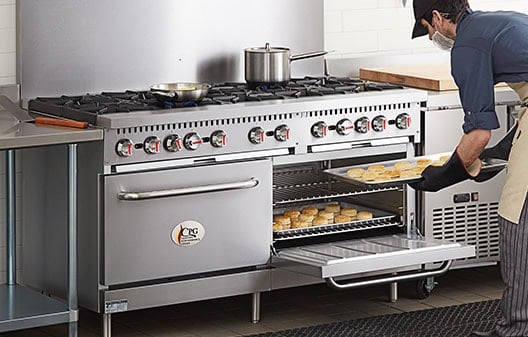
Is Your Kitchen Equipment Draining Your Budget?
Is your kitchen equipment draining your budget?
I often hear from friends and clients who feel overwhelmed by the costs associated with maintaining their kitchen appliances. It’s not just about the initial purchase; the ongoing expenses can add up quickly. From energy bills to repairs, it seems like every month brings a new financial surprise.
Let’s break down the common issues and explore practical solutions.
1. Identify Energy Hogs
First, take a close look at your kitchen appliances. Are there any that consume more energy than necessary? For instance, older refrigerators and ovens can be significant culprits. I recommend checking the energy ratings of your appliances. If they’re not energy-efficient, consider upgrading to models that use less power. This may require an upfront investment, but the savings on your energy bill can be substantial over time.
2. Regular Maintenance
Next, regular maintenance is crucial. I’ve seen many people neglect their appliances until they break down. Simple actions like cleaning the refrigerator coils or descaling the coffee maker can extend the life of your equipment and improve efficiency. Set a reminder to perform these tasks monthly or quarterly.
3. Smart Shopping
When it’s time to replace an appliance, don’t rush into a purchase. Research is key. I always compare prices and look for sales. Additionally, consider purchasing refurbished items. They often come at a lower price but can perform just as well as new ones.
4. Evaluate Usage
Finally, evaluate how often you use each appliance. If you have a bread maker that’s gathering dust, it might be time to sell it or donate it. Fewer appliances mean less maintenance and lower energy costs.
In summary, by identifying energy-hogging appliances, committing to regular maintenance, shopping smartly, and evaluating usage, you can significantly reduce your kitchen expenses. It’s about making informed choices that align with your budget. Remember, every small step can lead to substantial savings over time.
Save Money on Your Commercial Kitchen Gear!
In the world of commercial kitchens, managing expenses can often feel overwhelming. I understand the struggle of balancing quality and cost when it comes to kitchen gear. Every penny counts, and finding ways to save without compromising on performance is essential.
One of the first steps I recommend is to assess your current equipment. Are there items that are underperforming or not being used? By identifying these, you can make informed decisions about what to keep, what to replace, and what to invest in. This not only frees up space but also reduces maintenance costs.
Next, consider purchasing used or refurbished equipment. Many suppliers offer high-quality second-hand gear that can perform just as well as new items but at a fraction of the cost. Make sure to check for warranties or guarantees to ensure you’re making a safe investment.
Another effective strategy is to leverage bulk purchasing. If you have a network of fellow restaurant owners, consider pooling resources to buy in larger quantities. This can lead to significant discounts, making it a win-win for everyone involved.
Don’t overlook the potential of energy-efficient appliances. While the initial investment may be higher, the long-term savings on energy bills can be substantial. Researching and selecting appliances that meet energy standards can lead to a more sustainable kitchen, both financially and environmentally.
Lastly, always keep an eye out for seasonal sales and promotions from suppliers. Signing up for newsletters or following them on social media can give you early access to deals, allowing you to purchase items at a lower price.
In conclusion, saving money on commercial kitchen gear is all about strategic planning and making informed choices. By assessing your needs, exploring used options, buying in bulk, investing in energy efficiency, and staying alert for discounts, you can create a cost-effective kitchen that meets your operational needs without breaking the bank.
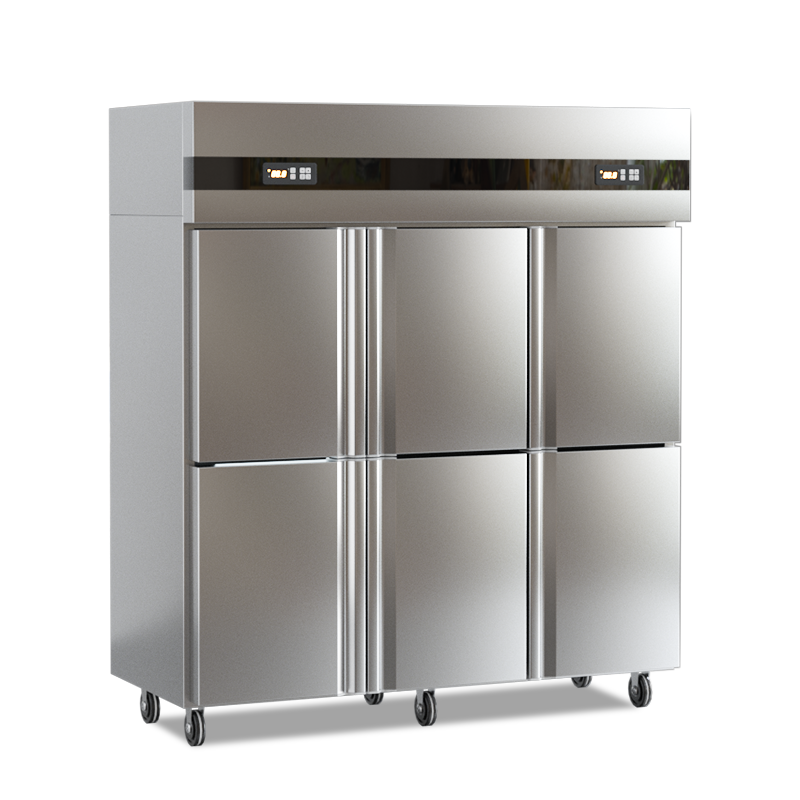
Cut Costs: Optimize Your Kitchen Equipment Today
In today's fast-paced restaurant industry, managing costs without compromising quality is a challenge I face daily. One significant area where expenses can spiral out of control is kitchen equipment. Many of us invest heavily in high-end appliances, but without proper optimization, these investments can lead to unnecessary expenditures.
Let’s break down how to effectively optimize your kitchen equipment to cut costs while enhancing efficiency.
First, assess your current equipment. Take stock of what you have and evaluate its usage. Are there pieces that sit idle most of the time? Identifying underutilized equipment can help you make informed decisions about what to keep, what to replace, and what to eliminate altogether.
Next, consider energy efficiency. Many older models consume more energy than newer, more efficient ones. Upgrading to Energy Star-rated appliances can significantly reduce utility bills. Research shows that modern equipment can save up to 30% in energy costs, which adds up over time.
Another important step is regular maintenance. A well-maintained piece of equipment operates more efficiently and lasts longer. Create a routine schedule for cleaning and servicing your appliances. This not only prevents costly breakdowns but also ensures that your kitchen runs smoothly.
Training your staff is equally crucial. Ensure everyone knows how to use the equipment properly. Misuse can lead to wear and tear, resulting in unexpected repair costs. Regular training sessions can help keep everyone informed about best practices, maximizing the lifespan of your kitchen tools.
Lastly, explore leasing options for high-cost equipment. Instead of purchasing outright, leasing can reduce upfront costs and allow for easier upgrades as technology advances. This flexibility can be a game-changer for managing cash flow effectively.
In conclusion, optimizing your kitchen equipment is a multi-faceted approach that can lead to substantial cost savings. By assessing usage, investing in energy-efficient models, maintaining equipment, training staff, and considering leasing, I’ve seen firsthand how these strategies can transform a kitchen’s financial health. Implementing these steps not only cuts costs but also enhances overall operational efficiency, making it a win-win for any restaurant.
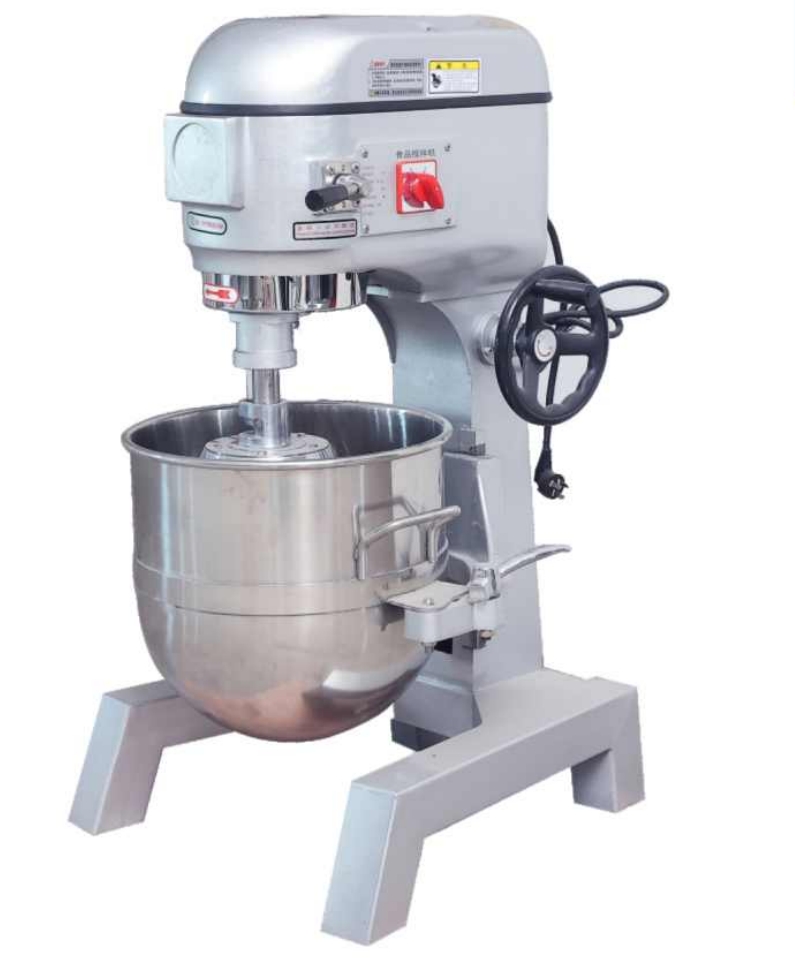
Are You Overspending on Kitchen Equipment?
Are you finding yourself spending more than necessary on kitchen equipment? It’s a common issue for many home cooks and culinary enthusiasts. I’ve been there too, investing in gadgets and appliances that promised to make cooking easier but often ended up gathering dust.
Let’s break down this problem. The kitchen is a space where we want efficiency and joy, yet the overwhelming choices can lead to overspending. Here are some steps to help you navigate this challenge and make smarter purchases.
First, identify your cooking style. Are you a casual cook, or do you love experimenting with gourmet recipes? Understanding your needs is crucial. For instance, if you often whip up quick meals, a high-quality knife set might be more essential than a fancy food processor.
Next, prioritize versatility. Look for tools that can serve multiple purposes. A cast-iron skillet, for example, can be used for frying, baking, and even roasting. Investing in such items can save you money in the long run.
Then, set a budget. Determine how much you are willing to spend on kitchen equipment each month. This will help you avoid impulse buys and focus on what truly enhances your cooking experience.
Consider quality over quantity. It’s better to have a few high-quality pieces than a kitchen full of mediocre tools. Research brands and read reviews to find reliable products that fit your budget.
Lastly, don’t forget about second-hand options. Many people sell barely used equipment at a fraction of the original price. Platforms like online marketplaces can be gold mines for finding quality kitchen gear without breaking the bank.
In conclusion, by understanding your cooking needs, prioritizing versatile tools, setting a budget, focusing on quality, and exploring second-hand options, you can significantly cut down on unnecessary kitchen expenses. Remember, the goal is to create a kitchen that inspires you, not one that drains your wallet.
We welcome your inquiries: caroline@yipomson.com/WhatsApp +8613360672196.
References
- Caroline Yipomson 2023 Is Your Kitchen Equipment Draining Your Budget
- Caroline Yipomson 2023 Save Money on Your Commercial Kitchen Gear
- Caroline Yipomson 2023 Cut Costs: Optimize Your Kitchen Equipment Today
- Caroline Yipomson 2023 Are You Overspending on Kitchen Equipment
- Caroline Yipomson 2023 Practical Solutions for Kitchen Equipment Expenses
- Caroline Yipomson 2023 Strategies for Reducing Kitchen Equipment Costs