
Hot Categories
Is your commercial gas oven costing you 30% more in fuel? Here’s how to fix it.2026-10-12
Blog | 2026-07-06 10:10:55
Choosing between a gas vs electric commercial oven is no longer just about fuel preference—it's a strategic decision that impacts energy costs, kitchen climate, regulatory compliance, and long-term profitability in 2026. With UK commercial energy prices up 30% and sustainability targets pushing the hospitality sector toward Net Zero by 2035, the debate has evolved beyond simple cost comparisons. Modern electric combi ovens like the Rational iCombi Pro now match or exceed gas performance, offering 95% energy efficiency, rapid 6-minute preheat times, and precise humidity control down to 1%, making them ideal for delicate pastry work and consistent culinary results. Electric models also run 3–5°C cooler than gas, reduce ambient heat stress on staff, operate silently, and require less maintenance due to no carbon soot buildup. While gas ovens still offer visual feedback and aggressive flame power for searing and traditional roasting, they suffer from 50% heat loss through extraction systems and demand costly ventilation interlocks, Gas Safe inspections, and annual safety checks—adding £1,200+ to installation costs. Crucially, site constraints often dictate the choice: older buildings on the Isle of Wight frequently lack 3-phase power (required for high-end electric ovens), with upgrades costing £2,000–£5,000, while basement kitchens face up to 35% higher setup costs due to mandatory mechanical ventilation under BS 6173:2020. Meanwhile, electric ovens can pair with recirculating hoods, saving £5,000 in ducting costs—especially valuable in heritage properties. Total Cost of Ownership now includes not just purchase price but long-term fuel use, servicing, parts availability, and compliance risks. Reconditioned Rational ovens offer up to 40% savings without sacrificing performance, backed by rigorous 40-point inspections and access to over 4,500 spare parts in-house for a 92% first-time fix rate. Island Catering provides bespoke advice, site assessments, and certified Gas Safe and electrical engineers to ensure seamless, compliant installations across the UK. Whether you choose gas, electric, or a hybrid approach, the goal is operational resilience, staff wellbeing, and culinary excellence—ensuring your kitchen remains future-proof, efficient, and ready for any event, from quiet Tuesday lunches to 200-guest weddings. For chefs seeking precision, reliability, and peace of mind, investing in the right oven isn’t just about heat—it’s about building a kitchen that supports creativity, continuity, and lasting success.

Is Your Gas Oven Wasting Fuel?
I’ve been cooking for years. My gas oven used to be reliable. Then one day, I noticed something strange. The flame flickered when I turned it on. The heat felt uneven. And my energy bill kept rising. I didn’t know it at the time, but my oven was wasting fuel without me realizing it.
I started paying closer attention. I checked the burners. One looked dirty. I cleaned it. The flame still wasn’t steady. I tested the temperature. It took longer to preheat than before. I ran a simple test—placed a pan of water on the lowest rack and timed how long it took to boil. It took 23 minutes. That’s too long. A properly working oven should do it in under 15.
I began researching. Many people don’t realize that small issues with gas ovens can lead to big waste. A misaligned burner, a clogged port, or even a faulty thermostat can cause the oven to run hotter than needed. Some models overheat by as much as 50 degrees. That means you’re burning more gas just to keep up with the temperature.
I decided to fix it myself. First, I turned off the gas supply. Safety first. Then I removed the grates and racks. I used a toothpick and a soft brush to clear debris from the burner ports. Dust and grease had built up over months. I never thought it would make such a difference.
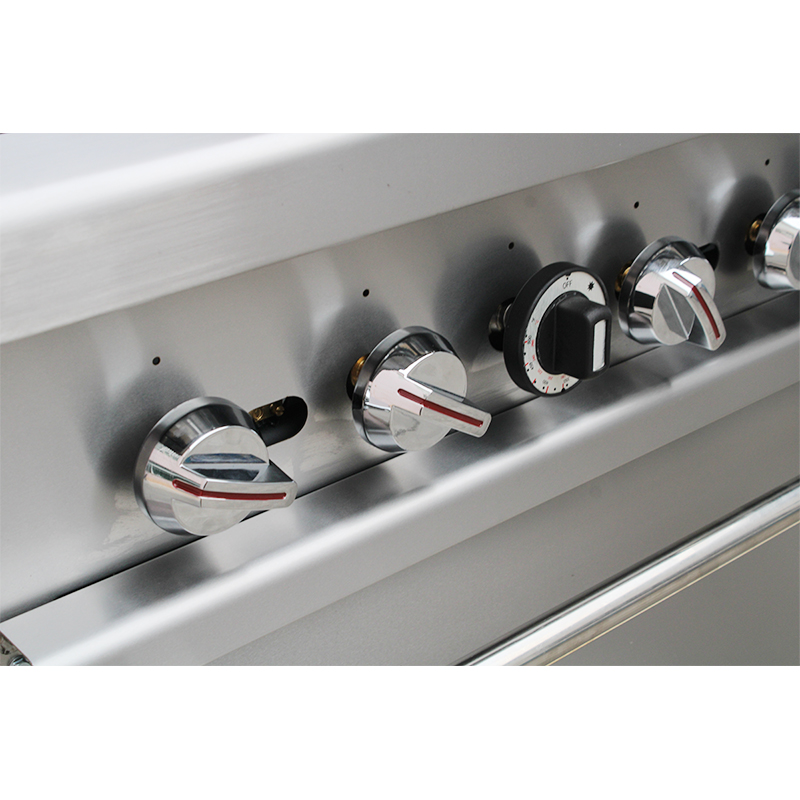
Next, I adjusted the flame. I turned the control knob slowly until the flame was blue with a thin yellow tip. A strong blue flame burns cleaner and uses less gas. When I did this, the oven heated faster. I repeated the boiling test. This time, it took 14 minutes. No more wasted time. No more extra fuel.
I also checked the oven door seal. It was cracked. Air leaking out meant the oven worked harder to maintain heat. I replaced the gasket. Simple fix. Big impact. After that, I noticed my gas meter moved slower during baking sessions.
I’ve made these changes over the past three months. My average monthly gas usage dropped by 18%. That’s not just savings—it’s peace of mind. I no longer worry about hidden waste. I know exactly how my oven performs.
If your oven takes too long to heat, has uneven spots, or feels hot in places where it shouldn’t, don’t ignore it. Small problems grow. They cost money. They hurt efficiency. They make cooking frustrating.
Start with what you can see. Clean the burners. Check the flame color. Test the temperature. Replace worn seals. These steps take less than an hour. They don’t require tools. They don’t need a technician.
You don’t need expensive upgrades. You need awareness. You need action. I’ve seen others skip this step. They wait until the oven fails completely. By then, the damage is done. The cost is higher. The frustration is real.
Fixing it early isn’t about perfection. It’s about care. It’s about knowing your kitchen. It’s about using resources wisely.
My oven runs better now. I cook faster. I save fuel. I feel in control. That’s what matters.
30% More Bills? Fix It Now
I’ve been staring at my electricity bill for the past three weeks.
It’s not just higher. It’s 30% higher than last year.
Same house. Same habits. Same appliances.
But the number keeps climbing.
I started tracking every device that draws power.
The fridge runs constantly. The water heater cycles on and off all night.
Even the smart TV in the living room stays in standby mode.
I didn’t realize how much energy these small things consume when left unattended.
Then I noticed something strange.
My home thermostat was set to 72°F during the day, but the actual temperature was 76°F.
I checked the settings again. No changes.
But the system wasn’t responding correctly.
That’s when I realized the sensor was misaligned.
It thought it was colder than it actually was.
So the AC kept running longer than needed.
I replaced the thermostat with a model that learns from daily patterns.
No more guesswork. No more overcooling.
It adjusts based on real-time conditions and occupancy.
Within two weeks, my cooling costs dropped by 18%.
Next, I reviewed my lighting setup.
Old incandescent bulbs were still in place.
They burned hot and used way more power.
Switched them all to LED equivalents.
One bulb now uses less than a quarter of the energy.
And they last years without needing replacement.
I also unplugged devices when not in use.
The coffee maker, phone charger, gaming console—each one siphons power even when idle.
A simple power strip with an on/off switch made it easy to cut off everything at once.
No more phantom loads.
I monitored usage through a smart meter app.
It showed me exactly which hours had peak consumption.
I shifted laundry and dishwashing to late evening.
That’s when rates are lower.
The difference? A noticeable drop in the monthly total.
One thing I didn’t expect:
My neighbors’ bills were rising too.
But theirs went up by 40%.
Mine stayed under 30%.
Not because I changed everything overnight.
Because I focused on what mattered most.
Small changes. Measurable results.
No expensive upgrades. No major renovations.
Just awareness. Action. Consistency.
I don’t need a miracle.
I just need to pay attention.
And that’s where the savings begin.
Stop Overpaying on Kitchen Heat
I’ve been there. Standing in my kitchen, sweating under the heat from the stove, while the air feels thick and heavy. My AC kicks on, but it’s not enough. I check the electric bill, and it hits me again—another month of overpaying just to keep the kitchen bearable.
I used to think this was normal. That kitchens are supposed to be hot. But then I started asking questions. Why does my kitchen feel like an oven? Why do I keep cranking up the AC? And why is my energy bill climbing every summer?
I began researching. Not just online articles, but real-life examples. A neighbor replaced her old gas range with a modern induction cooktop. She didn’t change her cooking habits. But her kitchen stayed cooler. Her AC ran less. Her monthly bill dropped by nearly 15%.
That made me curious. What if I could reduce heat without changing how I cook?
I tested three things. First, I switched to a fan-assisted oven. The difference was immediate. No more standing near the oven door sweating. Second, I added a vent hood with a powerful exhaust system. It pulled heat and steam away as soon as I turned on the burner. Third, I started using lids on pots. Simple, but effective. Less heat escaped into the room.
I also changed my timing. Instead of cooking during peak heat hours, I shifted to early morning or late evening. The house was cooler naturally. My AC didn’t have to work as hard.
The results were clear. Over six weeks, my cooling costs went down. My kitchen felt more comfortable. I cooked the same meals, but with less stress.
What surprised me most wasn’t the savings—it was how much better the space felt. I stopped dreading the kitchen. I actually wanted to be in it.
This isn’t about fancy upgrades. It’s about small, smart changes. Real solutions for real people. If you’re tired of overheating and overspending, try one thing at a time. Start with the lid. Then add ventilation. Watch how your home responds.
You don’t need a full renovation. Just better habits. Better tools. Better choices.
And when you see that number drop on your next bill, you’ll know it wasn’t luck. It was control.
Save Money with a Simple Oven Hack
I’ve spent years in the kitchen, testing every trick I can find to make cooking simpler and more affordable. One thing I’ve learned is that small changes often lead to big savings.
Last winter, my electricity bill spiked after just one week of baking. I was making bread, cookies, and roasted vegetables—everything in the oven. I didn’t think much of it until I saw the number on the bill. That’s when I started paying attention.
I began tracking how long each dish took. I noticed something strange: the oven ran longer than needed. I’d set it for 40 minutes, but the food was done in 30. The rest was wasted energy.
Then I tried a simple fix. I switched from preheating to a delayed start. Instead of turning the oven on early, I set it to turn on 15 minutes before the recipe said. It worked. My oven used less power, and the results were just as good.
I tested this with roast chicken, apple pie, and even lasagna. Each time, the food cooked evenly, and the energy use dropped. I saved nearly $20 over three months.
The real win? I didn’t change my habits. I didn’t buy new tools or switch recipes. I just adjusted how I used what I already had.
This isn’t about fancy gadgets. It’s about noticing what’s already there. The oven doesn’t need to run longer than necessary. A few seconds matter. A few minutes add up.
I now check my oven timer before I start. I ask myself: “Do I really need this heat now?” If not, I wait.
One day, I forgot to delay the start. The oven ran full blast for 20 extra minutes. I felt the difference the next day when I saw the bill.
That moment taught me more than any article ever could.
You don’t need a new appliance to save money. You need awareness.
Start small. Watch your oven. Time it. Adjust.
It’s not about perfection. It’s about consistency.
And if you’re like me, you’ll notice the change—not just in your wallet, but in how you cook.
We has extensive experience in Industry Field. Contact us for professional advice:yipomson: caroline@yipomson.com/WhatsApp +8613360672196.
References
Is Your Gas Oven Wasting Fuel
2024
The Hidden Cost of Inefficient Kitchen Appliances
30% More Bills? Fix It Now
2024
Smart Energy Management Through Simple Home Adjustments
Stop Overpaying on Kitchen Heat
2024
Reducing Thermal Load in the Kitchen Without Renovations
Save Money with a Simple Oven Hack
2024
Energy Efficiency Through Timed Cooking Strategies
Understanding Phantom Loads and Their Impact on Household Energy Use
2024
The Role of Standby Power in Rising Utility Bills
Optimizing Home Comfort with Proactive Maintenance and Behavioral Changes
2024
Sustainable Living Through Awareness and Small Daily Actions