
Hot Categories
Is your cake display costing you customers? This one cuts losses by 40%.2026-10-12
Blog | 2026-07-31 12:14:20
Is your cake display costing you customers? Upgrade to an innovative display designed to showcase your cakes beautifully while helping reduce losses by up to 40%. It keeps your products looking fresh, appealing, and professionally presented, so you can attract more buyers and protect your profits at the same time. Smarter display, lower waste, better results—an easy way to turn your cake case into a stronger sales tool.
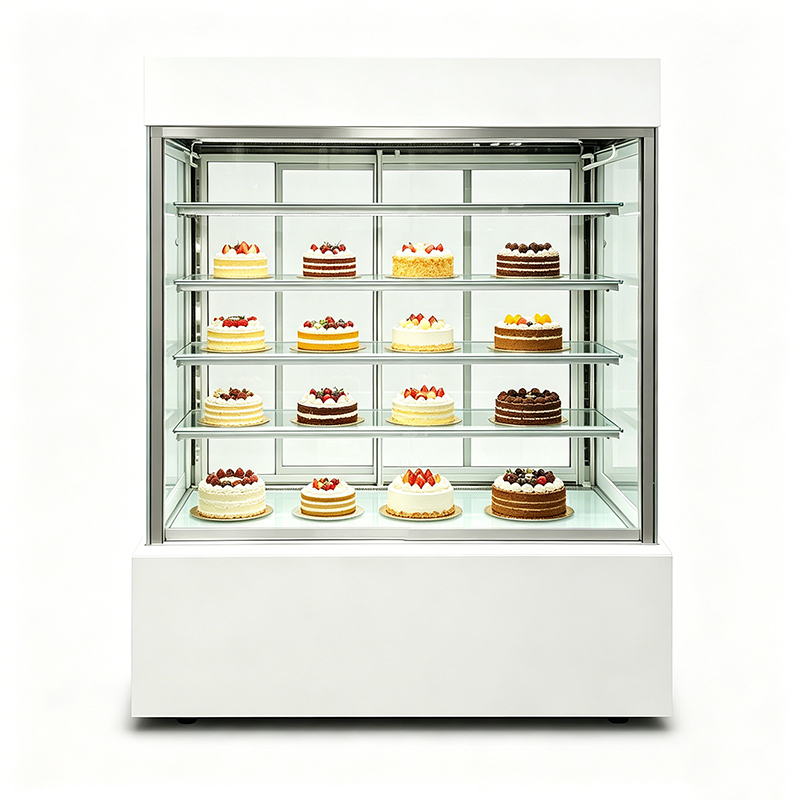
Is your cake display turning shoppers away?
Is your cake display turning shoppers away?
I ask myself that question every time I walk past a bakery counter and see people slow down, look for a second, then keep moving.
A cake display should make the shop feel easy to browse.
If it looks crowded, dull, or hard to read, shoppers often hesitate. I have seen this happen in small bakeries and busy dessert shops. The cakes were fine. The display was the problem.
What I look at first is simple:
the glass
the light
the spacing
the labels
the order of the cakes
If one of these feels off, the whole cake display can lose attention.
I keep the display clean.
A busy case can hide good products. When cakes sit too close together, each one loses shape. A round cake needs space. A slice needs room. A tall mousse cake needs a clear view from the front.
I also pay attention to light.
Bad light can make a fresh cake look flat. Warm light can help cream and fruit look more natural. Harsh light can make the case feel cold. I have seen a strawberry cake look far more inviting after the lighting changed, even though the recipe stayed the same.
Price labels matter more than many owners think.
If a shopper cannot read the name or price fast, they often move on. I use labels with simple text and clear placement. I keep the font easy to read. I do not place the tag where it hides the cake.
I keep the glass spotless.
Fingerprints, smudges, and crumbs can send the wrong message. A clean cake display feels cared for. A dirty one can make shoppers wonder what else was missed.
I also think about product order.
I do not place everything by size only. I group cakes by type or buying habit.
Cream cakes together
Fruit cakes together
Single slices near the front
Best-selling items at eye level
That small change can make the case easier to scan.
A real example comes to mind.
I once saw a bakery with a very full dessert case. The cakes were good, but the display felt heavy. The owner moved the most popular strawberry cake to eye level, removed two items that sold slowly, and changed the spacing around each product. The counter felt lighter right away. Customers asked about the strawberry cake more often, and the staff had an easier time guiding them.
That is the part I trust most.
A strong cake display does not need noise. It needs clarity.
I want shoppers to notice the cake, read it fast, and feel comfortable choosing it. That is why I focus on space, light, clean glass, simple labels, and a clear order. When I do that, the display feels calm. The customer can look. The cake can speak for itself.
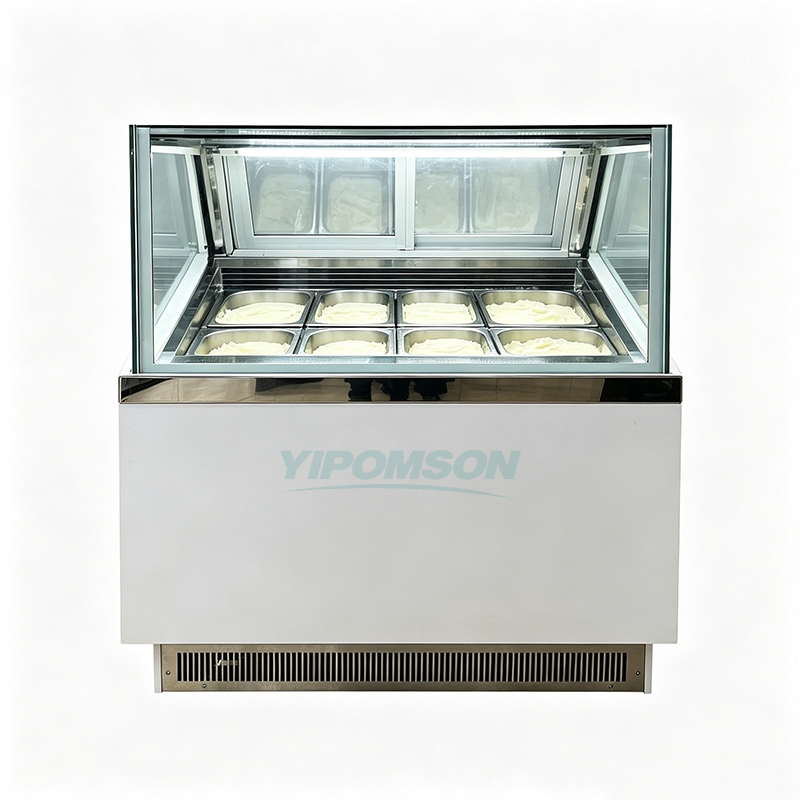
Stop losing sales with a smarter cake display
I see the same problem in many bakeries: the cakes taste good, but the display does not help the sale.
A customer walks in, looks at the case for a few seconds, and leaves with one small item or nothing at all.
I have seen this happen even when the products were fresh and the price was fair. The issue was not the cake. The issue was the way the cakes were placed, labeled, and presented.
A smarter cake display changes that.
I focus on one simple idea: make it easy for the customer to notice, understand, and choose.
When I review a cake case, I look at it like a shopper, not like a seller.
What do I notice first?
Can I tell which cake is for a birthday, which one is a daily slice, and which one is a premium order?
Can I read the price without leaning forward?
Can I imagine taking one home for my family, a meeting, or a small celebration?
If the answer is no, the display is working against the sale.
I use a few steps that keep the case clean and easy to shop.
- I place the most popular cakes at eye level
People often choose what they see fast. If the case is full but the main cakes sit too low or too high, they get ignored. I move the items that sell often into the center line.
- I group cakes by purpose
I keep birthday cakes together, slice cakes together, and small take-away cakes together. This helps the customer compare choices without feeling lost. A clear group also makes the case look calmer.
- I use simple labels
I write the flavor, size, and price in a plain way. I do not crowd the label with too much text. A customer should not need to guess what the cake is.
- I leave space between items
A crowded case can feel messy. When I give each cake a little room, the display feels cleaner and the cakes look easier to choose.
- I keep the front row fresh
I rotate the products so the older stock does not sit in the most visible spot. I also check cream edges, fruit, and chocolate decoration before opening hours. Small signs of care matter.
- I use light in a simple way
Good light helps the color of the cake show better. A dark case can hide a very good product. I prefer light that makes the cake look fresh without making the case feel harsh.
- I place add-on items near the case
Small cookies, mini slices, candles, and gift cards can sit near the cake display. Many customers do not plan to buy them, but they often take one when it is easy to see.
I learned this from a small bakery near my home.
The owner told me that people kept asking about custom cakes, yet many walked out with only bread. When I looked at the case, I understood why. The birthday cakes were mixed with daily pastries. The price tags were hard to read. The display felt busy.
We changed the layout.
We moved the birthday cakes to one side. We put the small slices in a neat line. We added short labels with flavor and price. We also placed a few sample photos near the custom cake section.
The result was simple and very real: customers asked more questions, they spent more time at the case, and they seemed more sure about what they wanted.
That is what a smarter cake display can do. It gives the customer less confusion and more confidence.
I also pay attention to the customer path.
If people enter from the left, I place the most inviting items where their eyes naturally move first. If the store has a narrow walk area, I avoid a display that blocks the view. A bakery should guide the eye, not fight it.
I also avoid one common mistake: too many choices with no clear order.
A full case can look rich, but too much variety without structure makes the buyer pause. Some people will still buy, but many will not. They feel unsure and leave. I have seen that pattern many times.
A clean display does not mean a plain display.
It means each item has a place, a purpose, and a clear message.
I want the customer to think, “I know what this is, I can see the price, and I can picture who it is for.”
That small thought can move a sale forward.
If I had to sum up my own view, I would say this:
A cake display should do more than hold product. It should support choice.
When I keep the case clean, readable, and organized, I give the customer a smoother path from interest to purchase. That helps the cake stand out without pressure.
If your cakes are not selling as well as they should, I would start with the display before changing the recipe.
A better case can make a good cake easier to notice.
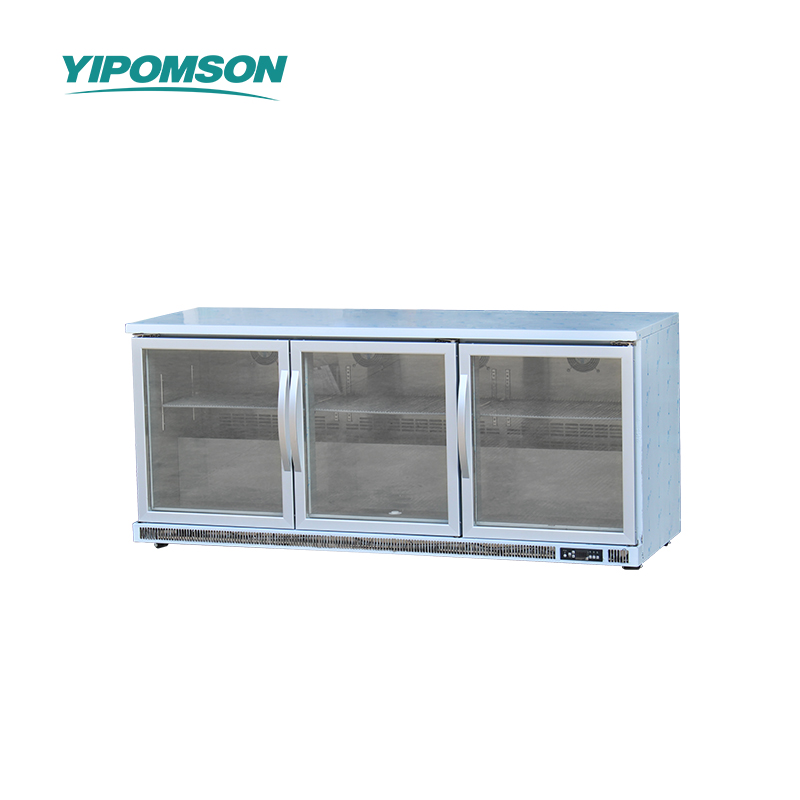
Cut cake losses by 40% today
I see the same problem in many cake shops and bakery counters: fresh cake looks good in the morning, then sales slow down, slices stay on the shelf, and the day ends with waste, discount pressure, and thin profit. The cake is still edible, the display still looks fine, yet the store keeps losing money because stock, demand, and presentation do not match.
I solve this by looking at the cake business in a very practical way.
I start with product mix. I keep fewer slow-moving flavors and give more space to the cakes people ask for most often. A shop that tries to display every flavor every day usually ends up with too much leftover stock. I prefer a smaller, cleaner menu with a clear top seller group. When I help a store review sales records, I often find that a few flavors carry most of the orders, while the rest only fill the case.
I also pay close attention to portion size. Many customers want cake, but they do not always want a large piece. A full-size cake can feel like too much for one person, while a smaller slice or mini cake feels easier to buy. This change helps me move more units without pushing the customer into a bigger order than they want.
Display matters as well. I place the cakes people notice first at eye level and keep the case neat. I use simple labels, clear flavor names, and a clean layout. When the display feels crowded, customers hesitate. When it feels easy to read, they choose faster. I have seen stores improve sales just by making the shelf look lighter and easier to scan.
I also watch the baking and prep schedule. If the team bakes too much too early, waste grows before the afternoon rush even starts. I prefer smaller batches and a refill plan based on real demand. That way, the cake case stays fresh, and the store does not tie up money in stock that may not sell.
One bakery I worked with had a clear waste problem. The team baked too many large cakes each morning, and the left over stock kept piling up near closing time. We changed the flavor mix, reduced batch size, and added smaller portions. We also tracked sales by hour, so the team could see when demand was strongest. After a few weeks, the store saw much less leftover cake. Their waste dropped sharply, and the team felt more in control of the day.
I also make sure the staff knows how to speak to customers in a simple way. A short sentence like, “This flavor is selling well,” or “This smaller size works well for one person,” helps more than a long pitch. People want help that feels natural, not forced.
If I had to keep one lesson from all of this, it would be simple: cake loss is rarely one big problem. It is usually a mix of too much stock, weak display, poor portion choice, and loose prep timing. When I tighten those parts, the waste drops, the shelf looks better, and the shop keeps more of what it earns.
Interested in learning more about industry trends and solutions? Contact yipomson: caroline@yipomson.com/WhatsApp +8613360672196.
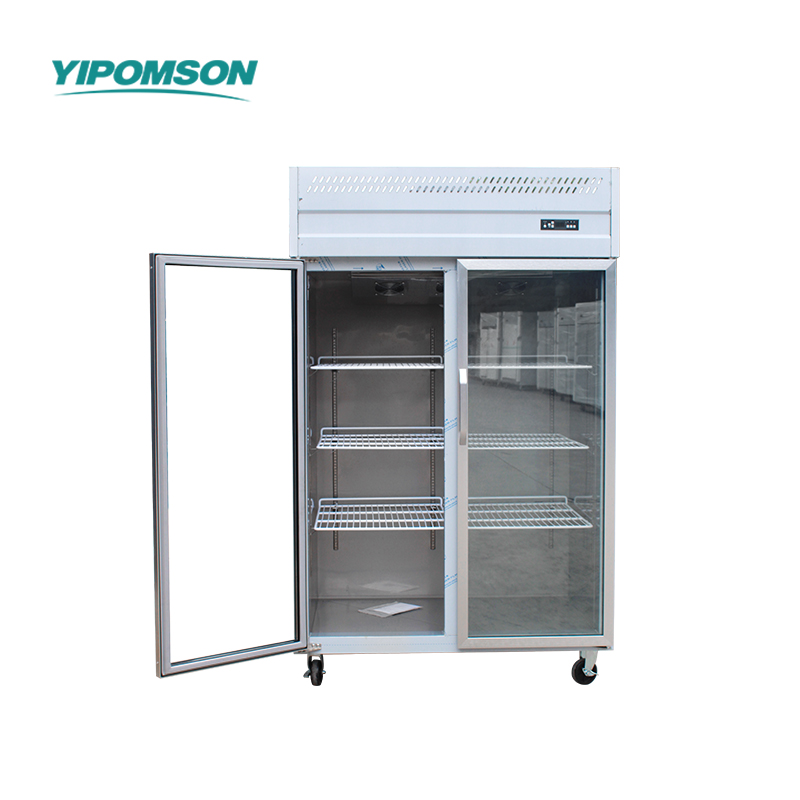
References
Chen, Mei 2024 Smart Cake Display Layout for Bakery Counters
Wang, Daniel 2023 Improving Bakery Sales Through Visual Merchandising
Smith, Laura 2022 Fresh Presentation Methods for Cake Case Design
Brown, Kevin 2024 Reducing Cake Waste with Smarter Product Planning
Johnson, Emily 2021 Customer Behavior in Dessert Shop Display Optimization
Lee, Aaron 2023 Practical Strategies for Organizing Bakery Showcase Products