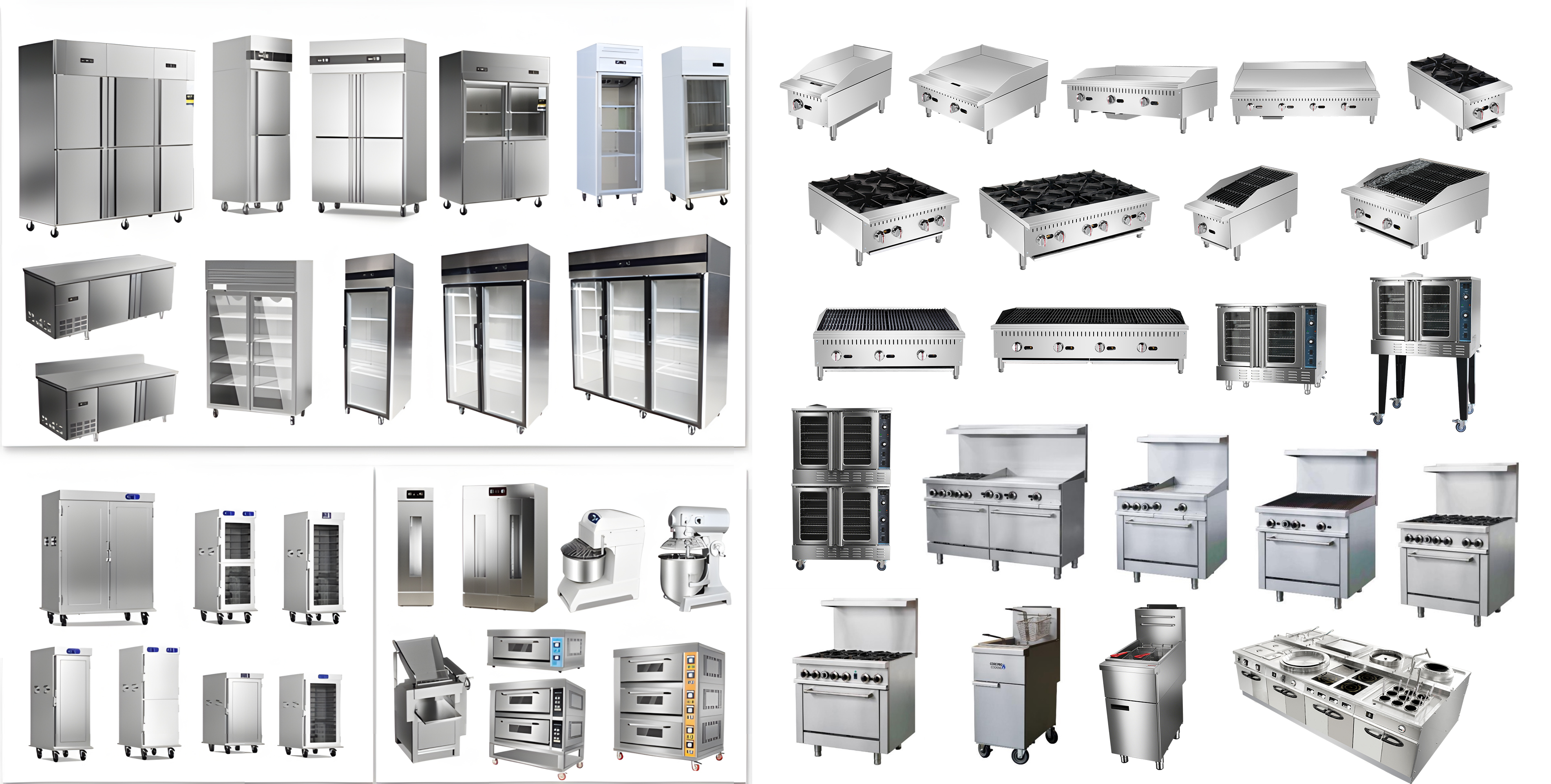
Hot Categories
How Commercial Refrigerators Boost Food Safety and Business Efficiency?2026-10-12
Company News | 2025-08-25 17:52:00
How Commercial Refrigerators Boost Food Safety and Business Efficiency
In the fast-paced foodservice industry, maintaining freshness and food safety is critical. A commercial refrigerator is not just a cold storage unit; it is the backbone of every successful restaurant, supermarket, and catering business. Unlike domestic fridges, commercial refrigeration systems are engineered for heavy-duty performance, continuous operation, and strict food safety compliance.
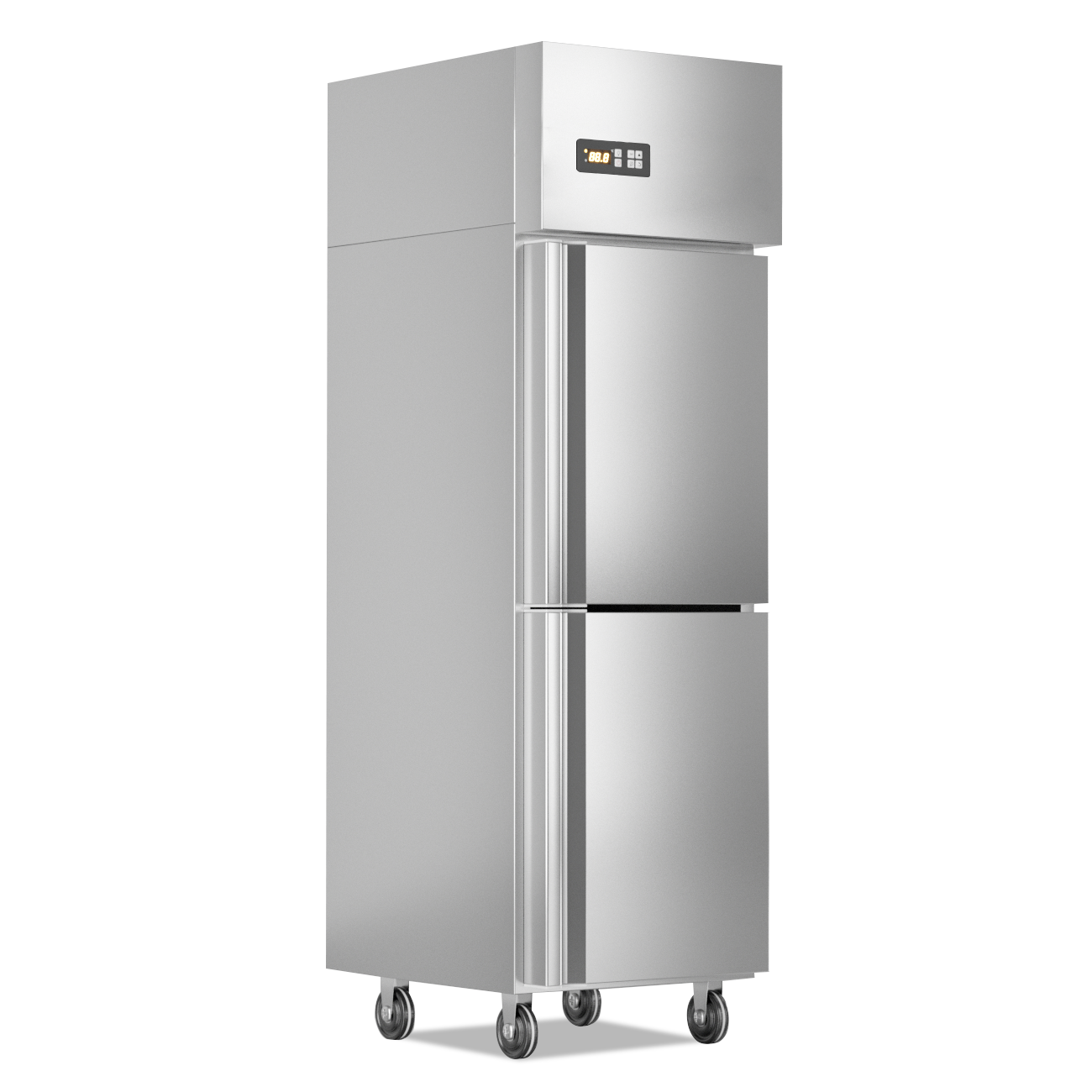
Whether it's a reach-in refrigerator for a restaurant kitchen, a walk-in cooler for a supermarket, or a display fridge for beverages, the right commercial fridge keeps ingredients fresh, prevents spoilage, and saves energy costs.
Why Commercial Refrigeration Matters
A commercial fridge directly impacts food quality, operational efficiency, and customer satisfaction:
-
Food Safety Compliance – Keeps food at safe temperatures to prevent bacterial growth.
-
High Storage Capacity – Handles large quantities of perishable goods.
-
Energy Efficiency – Modern refrigeration systems reduce energy consumption.
-
Durability – Designed for continuous, heavy-duty use in professional kitchens.
-
Operational Efficiency – Helps chefs and staff access ingredients quickly during peak hours.
Without proper refrigeration, food waste increases and health inspection risks rise.
Types of Commercial Refrigerators
The foodservice industry uses various types of commercial refrigeration equipment:
1. Reach-In Refrigerators
Common in restaurants and cafés, these vertical units offer multiple compartments and easy access. Perfect for storing meats, dairy, vegetables, and prepared foods.
2. Walk-In Coolers and Freezers
Large-scale cold storage rooms designed for supermarkets, hotels, and catering companies. They store bulk food supplies and help maintain inventory for long-term use.
3. Undercounter Refrigerators
Compact units that fit under counters, saving space in small kitchens while keeping frequently used items within reach.
4. Display Refrigerators and Beverage Coolers
Used in supermarkets and convenience stores to showcase drinks, dairy, and grab-and-go items to customers while maintaining optimal temperature.
5. Blast Chillers and Freezers
Rapidly reduce food temperature to preserve freshness and meet food safety standards, essential for bakeries and catering services.
Key Features of Commercial Refrigerators
When selecting a commercial fridge, businesses should evaluate:
-
Temperature Range – Adjustable settings for different food types.
-
Capacity & Size – Match storage needs and available kitchen space.
-
Compressor Location – Top or bottom-mounted compressors affect airflow and cleaning access.
-
Energy Efficiency Ratings – Lower electricity consumption reduces operating costs.
-
Material and Build Quality – Stainless steel interiors for durability and hygiene.
-
Advanced Controls – Digital thermostats, self-closing doors, and alarms for temperature fluctuations.
Benefits of Energy-Efficient Refrigeration
Energy-efficient commercial refrigerators are a growing trend:
-
Lower Utility Bills – Reduced energy consumption directly cuts costs.
-
Eco-Friendly Operation – Modern refrigerants have lower environmental impact.
-
Government Incentives – Many regions offer rebates for energy-efficient kitchen equipment.
-
Extended Equipment Life – Efficient compressors reduce wear and tear.
Applications Across the Foodservice Industry
Commercial refrigeration is essential across multiple sectors:
-
Restaurants & Cafés – Store ingredients for daily meal prep.
-
Hotels & Catering – Maintain bulk storage for events.
-
Supermarkets & Grocery Stores – Showcase perishable products to customers.
-
Bakeries & Delis – Store dairy, butter, and cream-based items safely.
-
Hospitals & Institutions – Safely store patient meals and pharmaceuticals.
Trends in Commercial Refrigeration Technology
The industry is evolving with innovations:
-
Smart Refrigeration Systems – IoT-enabled monitoring of temperature and energy usage.
-
Solar-Powered Refrigerators – Sustainable solutions for remote areas.
-
Touchless Doors & Handles – Enhanced hygiene for post-pandemic kitchens.
-
Remote Temperature Monitoring – Mobile apps and cloud-based alerts for food safety compliance.
Proper Maintenance for Commercial Refrigerators
To extend the life of a commercial fridge, regular maintenance is essential:
-
Clean condenser coils monthly.
-
Check door seals for air leaks.
-
Monitor and log temperature readings daily.
-
Defrost regularly if not equipped with automatic defrost.
-
Schedule professional servicing annually.
Proper maintenance ensures reliable operation and prevents costly downtime.
How to Choose the Right Commercial Refrigerator
When selecting the right commercial refrigerator, businesses should consider:
-
Menu and Volume Needs – High-volume kitchens may need walk-ins, while cafés can rely on reach-ins.
-
Space Availability – Measure available space and door clearance.
-
Energy Costs – Choose Energy Star-rated models for efficiency.
-
Brand Reputation and Warranty – Invest in reliable manufacturers with service support.
Conclusion
A commercial refrigerator is a critical investment for any foodservice business. It ensures food safety, improves kitchen workflow, and reduces operating costs. As technology advances, modern refrigerators are becoming more energy-efficient, smarter, and more durable, making them indispensable for restaurants, supermarkets, and catering companies worldwide.
Businesses that invest wisely in refrigeration equipment will enjoy improved efficiency, reduced food waste, and better customer satisfaction.