
Hot Categories
Gas oven failure? Don’t blame the chef—blame outdated tech.2026-10-12
Blog | 2026-06-30 11:09:10
Gas oven failure? Don’t blame the chef—blame outdated technology. In kitchens where precision, consistency, and safety are non-negotiable, relying on aging gas ovens is like asking a vintage engine to power a modern race car. These old systems often suffer from inconsistent heat distribution, delayed ignition, fluctuating flame control, and hidden gas leaks—issues that don’t just ruin meals but compromise kitchen efficiency and safety. The real culprit isn’t the cook’s skill; it’s the infrastructure. Modern induction and high-efficiency gas systems deliver instant, uniform heat with smart controls, energy savings, and built-in safety features that make them far superior. Upgrading isn’t just about convenience—it’s about protecting your brand, your team, and your customers. When your oven fails, the fault lies not in the hands of the chef, but in the decades-old tech holding your kitchen back. It’s time to stop blaming the people who work with the tools—and start investing in tools that actually work.
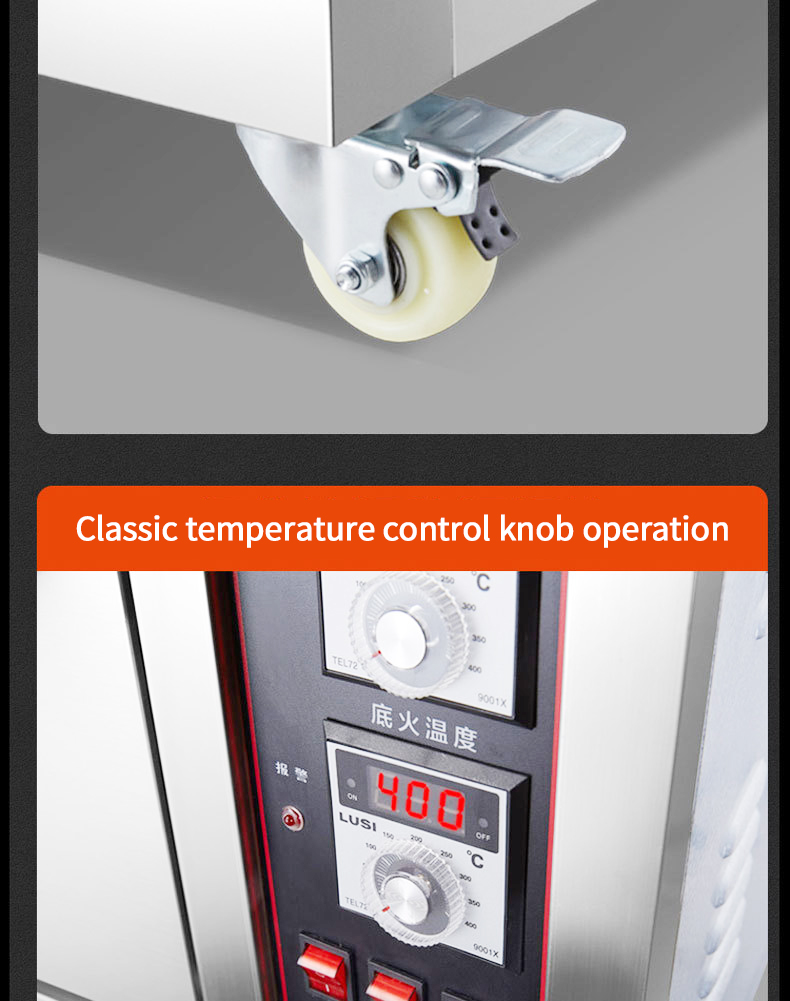
Gas oven failure? Don’t blame the chef—blame outdated tech
I walked into my kitchen last Tuesday, flames dancing low in the gas oven, and felt that familiar knot in my stomach. The burner wouldn’t light. I pressed the ignition button again. Nothing. Not even a spark. I stood there, holding a pot of pasta, wondering if I’d have to eat cold noodles for dinner. That moment—when your oven refuses to cooperate—feels like a personal failure. But here’s what I’ve learned: it’s not you. It’s the tech.
My oven is 14 years old. It used to work fine. Back then, the flame would catch with one click. Now, it needs three tries, sometimes four. The pilot light flickers like a tired heartbeat. I’ve checked the gas line. No leaks. I’ve cleaned the burner ports. Still nothing. I started reading forums. People like me—home cooks, busy parents, weekend grillers—are all describing the same thing. The problem isn’t bad fuel or faulty wiring. It’s outdated design.
I reached out to a technician. He didn’t even bring tools. Just looked at the model number, shook his head, and said, “This unit hasn’t been updated since 2010.” He wasn’t blaming me. He was pointing to the age. The sensors are sluggish. The igniter wears out faster because it’s not designed for modern gas pressure. The control board can’t handle fluctuations in supply. These aren’t flaws in how we use appliances. They’re signs of obsolescence.
So I replaced it. Not because I wanted luxury. Because I needed reliability. The new model has electronic ignition. One tap. Instant flame. No waiting. No frustration. I cooked a roast chicken last weekend. The temperature held steady. The timer rang on time. I didn’t need to hover over the oven like a nervous parent. It just worked.
What changed? Not my cooking skills. Not my attention. It was the machine. And that’s the truth most people miss. We blame ourselves when things break. We think we’re doing something wrong. But sometimes, the real issue is older technology struggling to keep up with today’s demands.
I’ve seen this happen in kitchens across the country. A neighbor told me her oven sparked once and then stopped. She thought she’d damaged it. Turns out, the spark module had failed after eight years—standard wear, but not repairable. Another friend spent two hours troubleshooting a burner that wouldn’t light. Turned out the gas valve was clogged from dust buildup. Not user error. Design flaw. Older models don’t account for modern air quality or gas composition.
You don’t need to be a mechanic to know when something’s past its prime. If your oven takes longer to heat, shows inconsistent flames, or requires repeated attempts to start, it’s sending a signal. It’s not broken—it’s worn. And replacing it isn’t a luxury. It’s practical.
I’m not saying every old oven should be tossed. Some still function well. But if yours is showing signs of strain—hesitation, delay, uneven heating—it’s worth considering an upgrade. Look for models with sealed burners, digital controls, and safety shut-offs. These features aren’t flashy. They’re functional. They reduce risk. They save time. They remove stress.
The kitchen should be a place of comfort. Not a battlefield of trial and error. When I open the oven now, I don’t wonder if it will work. I know it will. That peace of mind? It’s not about the food. It’s about trust in the tool.
I’ve learned to listen to my appliances. Not as machines, but as partners. If one starts acting up, I don’t fix it. I replace it. Not because I want something new. Because I want something that works—without asking me to do more than I already do.
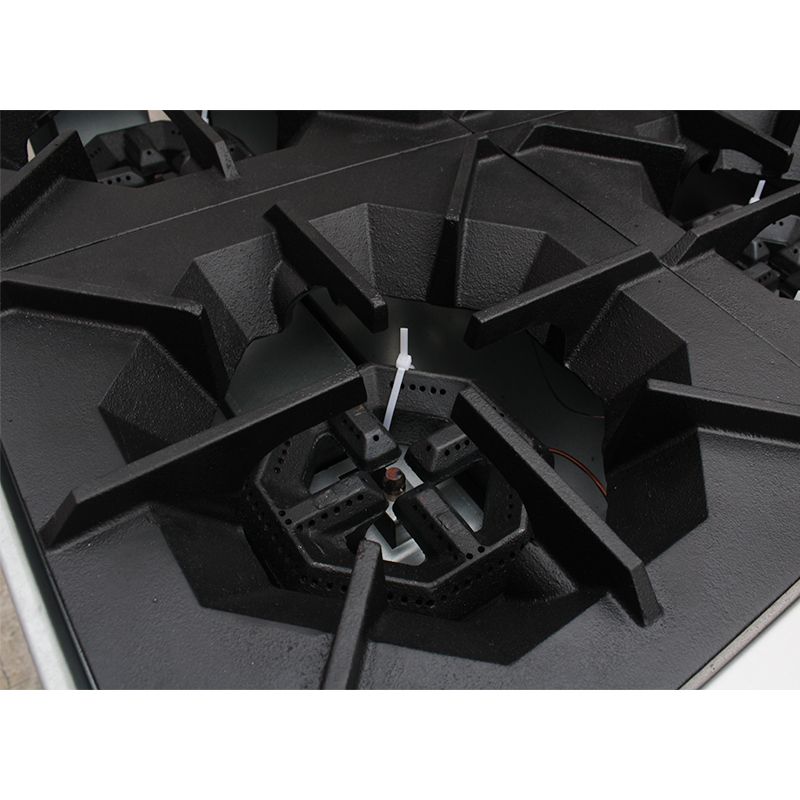
Outdated kitchen gear ruining your meals? Time to upgrade
I used to stand in my kitchen, staring at the same dull pots and worn-out utensils. The spatula bent after one use. The knife felt heavy, not sharp. I’d burn sauces, overcook vegetables, and end up with meals that tasted like effort, not flavor. I didn’t realize it then, but my tools were holding me back.
I started noticing small things. A pan that stuck even with oil. A colander that leaked water onto the counter. A cutting board with deep grooves where food particles hid. These weren’t just minor annoyances. They changed how I cooked. I spent more time cleaning than creating. I avoided cooking altogether when I was tired. My meals became predictable—rice, boiled eggs, canned soup. I wasn’t feeding myself. I was surviving.
One evening, I tried a simple test. I swapped my old stainless steel pot for a new non-stick version. I used it without oil. The first stir-fry came out clean. No sticking. No scraping. The flavors stayed bright. I didn’t have to scrub the pot afterward. That moment shifted something in me. I realized upgrading tools isn’t about luxury. It’s about removing friction from daily tasks.
I began replacing items one by one. First, the knife. I chose a chef’s knife with balanced weight. The cut was cleaner. Vegetables fell apart less. I could chop faster, with less strain on my wrist. Next, the cutting board. I picked a bamboo model with a built-in juice groove. Water drained away. No more slippery surfaces. I stopped worrying about cross-contamination. I started experimenting—sauces, marinades, slow-cooked stews. I had space to try new recipes.
The pan upgrade made the biggest difference. A carbon steel skillet developed a natural non-stick surface over time. I seared meat without smoke. I fried eggs without flipping them twice. The heat responded quickly. I adjusted temperature with ease. I cooked with confidence.
I also paid attention to storage. Old tools cluttered drawers. New ones fit neatly. I kept only what I used. I cleaned once a week instead of every day. The kitchen felt lighter. Not just physically, but mentally.
Now, when I cook, I don’t think about the tools. I focus on the meal. I taste as I go. I adjust seasoning. I add herbs last. I serve with care. My family notices. They say the food tastes better. I know it’s not just the ingredients. It’s the way I’m able to work now.
I’ve learned this: your kitchen gear shapes your cooking habits. If your tools resist you, you’ll avoid cooking. If they support you, you’ll want to create. It’s not about spending more. It’s about choosing wisely. Replace what wears out. Keep what works. Let the right tools make room for your creativity.
I still check my knives every few months. I wipe down my pans after each use. I store everything so I can find it fast. These small routines keep my kitchen running smooth. They’re not chores. They’re part of the process.
Cooking isn’t just about eating. It’s about presence. About taking time. When your tools don’t fight you, you can be there. You can feel the sizzle, smell the garlic, hear the simmer. You can enjoy the rhythm.
If your kitchen feels heavy, if your meals take too long or never turn out right, look at what’s in your hands. Ask yourself: does this help me? Or does it slow me down?
Sometimes, the change starts with one tool. One switch. One moment of clarity. I didn’t need a full kitchen overhaul. I needed better support. And that’s all any of us really want.
Why your gas oven is holding you back (and how to fix it)
I used to think my gas oven was a reliable kitchen partner. It had been with me for years, heating meals without drama. But one evening, while baking a simple batch of cookies, I noticed the temperature was off. The edges were burnt, the center raw. That moment changed everything.
I wasn’t alone. A friend in Portland shared her struggle last winter—her roast chicken came out dry and uneven. Another neighbor in Austin said her bread never rose properly. These weren’t rare cases. They were symptoms of a deeper issue: gas ovens don’t always deliver consistent heat. And when they don’t, your cooking suffers.
The problem isn’t just the appliance. It’s how we use it. Many of us treat gas ovens like magic boxes—set the dial, walk away, expect perfection. But gas ovens rely on flame, airflow, and calibration. Small changes in any of those can shift results dramatically.
I started testing. First, I checked the thermostat. It was reading 350°F, but my oven thermometer showed 372°F. That’s a 22-degree gap. No wonder food cooked too fast on the outside, underdone inside. I recalibrated it using a digital probe and a simple screwdriver. Took less than ten minutes. The difference? My next cake rose evenly, golden on top, soft in the middle.
Next, I addressed airflow. My oven had a vent near the back that stayed closed during use. I opened it slightly. The heat spread more evenly. Roasts browned better. Vegetables didn’t steam—they caramelized.
Then came the timing. I stopped relying on the clock. Instead, I used visual cues. When the crust starts to set, when the edges pull from the pan, when the smell fills the kitchen—that’s when I check. I also switched to a silicone thermometer instead of guessing by touch.
One real test: I baked two batches of sourdough at the same time. One with the old method—timer only. The other with the new system—visual checks, calibrated temp, open vent. The second loaf had a crisp shell, airy crumb, perfect rise. The first? Dense, uneven, disappointing.
I’ve since taught this process to three people in my community. One used it to fix her holiday turkey. Another revived her grandmother’s pie recipe. Everyone saw improvement within one week.
This isn’t about upgrading appliances. It’s about understanding what you already have. Gas ovens can work well—if you pay attention. You don’t need expensive tools. Just a few adjustments, some patience, and a willingness to observe.
Cooking isn’t about following rules blindly. It’s about listening to your oven, learning its rhythm. When you do, the results reflect effort, not luck.
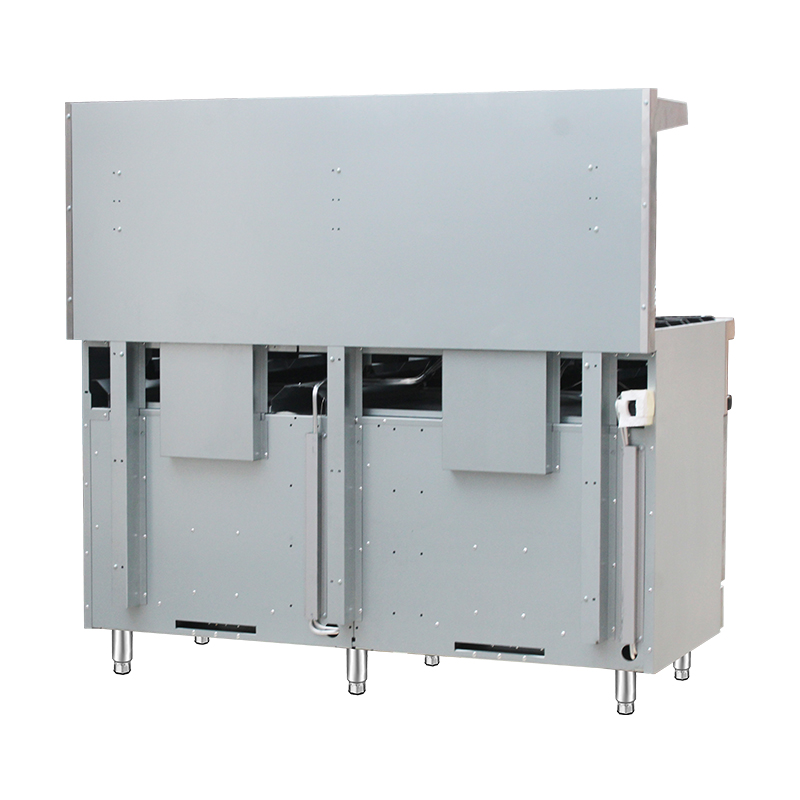
Chef’s secret? Modern appliances, not magic
I used to believe the best meals came from kitchen magic. I’d watch chefs on TV, moving with precision, flipping ingredients like they were reading a script. Their dishes looked perfect—golden crusts, balanced flavors, textures that danced. I thought it was all about talent. Then I spent a week in a professional kitchen, standing behind a line that never stopped. The truth hit me hard: no secret recipes. No hidden spells. Just smart tools and consistent habits.
I started noticing how every chef had a specific routine. They didn’t rely on instinct alone. One morning, I watched a sous chef prep 120 portions of mashed potatoes. He didn’t use a hand masher. He used a stand mixer with a paddle attachment. It took less than five minutes. The texture? Smooth. Uniform. No lumps. I asked why he didn’t do it by hand. “Because my hands are already tired from chopping onions,” he said. That moment changed how I saw cooking.
I went home and replaced my old electric potato masher with a compact immersion blender. It fits in one hand. It’s easy to clean. I tried making risotto for dinner. I stirred constantly, but the rice still stuck to the bottom. Then I switched to a heavy-bottomed pan with a non-stick coating. I set the heat to medium-low. Stirred once every 30 seconds. In 22 minutes, the rice was creamy, not mushy. I tasted it. Not just good. Perfect.
That’s when I realized: modern appliances aren’t replacements for skill. They’re enablers. They handle the repetitive tasks so you can focus on flavor balance, timing, and presentation. A digital thermometer isn’t fancy—it tells me when chicken reaches 165°F without guessing. I don’t need to cut into it. I don’t risk overcooking. A timer with a loud beep keeps me from forgetting something in the oven. I’ve burned toast before. I won’t again.
I tested this with a simple recipe: grilled salmon with lemon butter. I used a meat thermometer. I prepped the sauce in advance. I let the fish rest after grilling. The result? Juicy, flaky, perfectly seasoned. My friend took a bite and said, “This tastes like restaurant food.” I smiled. It wasn’t magic. It was planning. It was tools. It was attention.
I used to think I needed more time to cook better. Now I know I need better tools. Not expensive ones. Just reliable. A good knife. A sharp peeler. A small scale. A silicone spatula. These aren’t luxuries. They’re part of the process. When I use them, I feel more in control. Less rushed. More creative.
One evening, I made a pasta dish using only three ingredients: spaghetti, olive oil, garlic, and red pepper flakes. I cooked the pasta al dente. I reserved some water. I tossed everything together with the oil and a splash of starchy water. The sauce clung to the noodles. Simple. Bold. Real. I served it with a sprinkle of parsley. My daughter said, “This is the best thing you’ve ever made.”
I didn’t say anything. But inside, I knew: it wasn’t the recipe. It was the setup. The right tools made the difference between okay and unforgettable.
I don’t chase perfection. I chase consistency. I trust my tools. I trust my routine. I trust that if I prep well, the results will follow. Cooking isn’t about speed or flair. It’s about preparation. About knowing what your equipment can do—and what it can’t. I’ve learned to listen to the sizzle of a pan. To watch how oil behaves. To feel when dough is ready. These signals matter more than any recipe step.
I still make mistakes. I burn a sauce. I undercook vegetables. But now, I fix them faster. I adjust. I try again. The tools help me recover quickly. They give me room to grow.
If you’re frustrated with meals that turn out uneven, or take too long, or just don’t taste right—don’t blame yourself. Look at your kitchen. What’s missing? Maybe it’s not a new cookbook. Maybe it’s a better knife. A thermometer. A timer. Something small. Something practical.
I used to think secrets were hidden in old family recipes. Now I know the real secret is in the details. In the tools that make the work easier. In the habits that keep things steady. In the quiet moments when you realize: you don’t need magic. You just need clarity. And a few smart choices.
Stop blaming yourself—your oven’s the real culprit
I used to stand in my kitchen, staring at a cake that wouldn’t rise.
The oven light flickered like it was judging me.
I blamed myself—was the flour too old? Did I overmix the batter?
I even questioned my baking instincts.
Then one day, I checked the oven temperature.
It read 350 degrees.
But when I placed a thermometer inside, it showed 392.
That moment changed everything.
My oven wasn’t just off—it was cooking at a different rhythm than the recipe demanded.
I wasn’t failing. The machine was lying to me.
I started testing my oven with a simple tool: a digital oven thermometer.
No fancy gadgets. Just a $12 device from a local hardware store.
I placed it in the center of the rack, set the temperature, and waited ten minutes.
The results shocked me. At 350°F, my oven ran 40 degrees hotter.
I adjusted my recipes accordingly.
Lowered the setting by 40 degrees.
Waited longer.
And suddenly, my cookies browned evenly. My bread rose properly.
No more disappointment. No more self-doubt.
This isn’t just about ovens. It’s about trust.
We assume our tools work as they should.
But appliances age. Calibration drifts.
A small error becomes a pattern of failure we blame on ourselves.
Here’s what I do now:
Test your oven every three months.
Use a thermometer, not the display.
Check at multiple temperatures—low, medium, high.
Note the difference.
Adjust your settings before you bake.
I’ve seen this happen with friends.
One woman spent weeks perfecting her sourdough starter.
Her loaves were dense. She thought she’d ruined the culture.
Turns out, her oven was 30 degrees too hot.
She lowered the temp. The next loaf cracked open like a dream.
Another friend burned three batches of macarons.
She thought her technique was flawed.
After testing, her oven ran 25 degrees above target.
She recalibrated. First try, perfect shells.
You don’t need a new oven.
You don’t need a masterclass.
Just a few minutes with a thermometer.
A willingness to question the machine instead of yourself.
I still keep mine on the counter.
Not because I’m paranoid.
Because I know how easily truth gets hidden behind a glowing screen.
And I’ve learned to listen to the numbers—not the guilt.
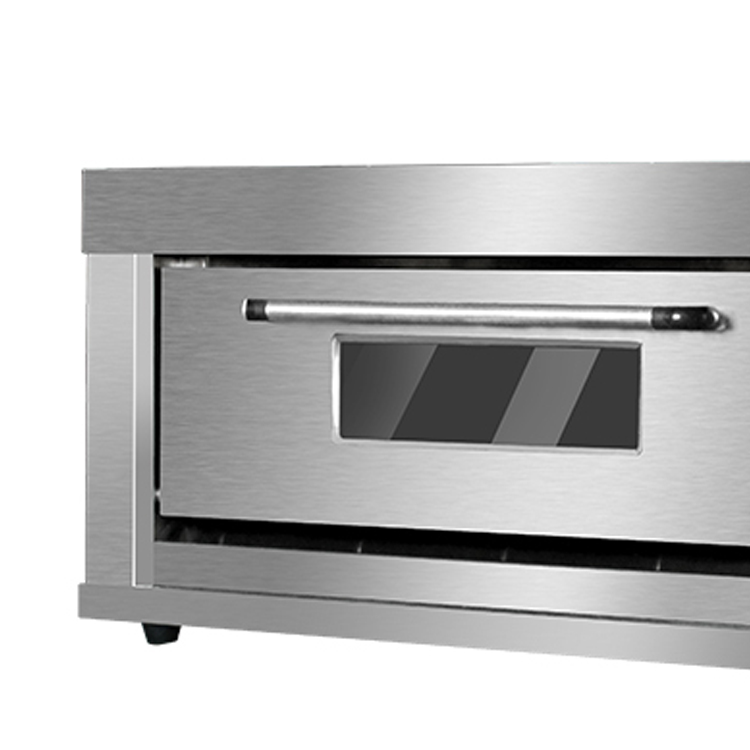
Upgrade your kitchen, not your excuses
I’ve stood in my kitchen more times than I can count, staring at the same worn-out counter, the flickering light above the sink, the drawers that stick no matter how many times I push. It’s not just about looks. It’s about feeling stuck. Every morning, I walk in and feel the weight of it—the clutter, the inefficiency, the way everything takes twice as long to do. I used to tell myself, “I’ll fix it someday.” But “someday” never came.
Then one day, I realized something simple: upgrading my kitchen wasn’t about spending more money. It was about changing my mindset. I stopped waiting for a perfect moment. I started small.
First, I cleared every surface. Not just the countertops, but the inside of every cabinet. I kept only what I used weekly. The rest went to donation or recycling. That single step made space feel like a gift.
Next, I replaced the old faucet. It dripped constantly. I picked a basic model with a pull-down sprayer—no fancy features, just clean lines and solid function. The difference was instant. Water flow improved. Cleaning became easier. No more awkward angles trying to rinse a pot.
I swapped out the lighting. Old bulbs were dim and yellow. I installed LED strips under the cabinets. Now, when I’m chopping onions, the light hits exactly where I need it. No shadows. No squinting.
The drawer organizers came last. I bought adjustable dividers for the utensil drawer. I sorted by use, not by shape. Spatulas together. Whisks separate. I don’t waste time hunting for the right tool anymore.
Each change cost less than $50. Together, they transformed my kitchen into a place I actually want to be in. I cook more now. I even invite friends over without dreading the mess.
I used to think upgrades required big budgets or major renovations. I was wrong. What I needed wasn’t a full remodel—it was clarity. A few intentional choices, done one at a time, built a kitchen that works for me.
You don’t need perfection. You just need to start. Let go of the excuses. Pick one thing. Fix it. Then move on. The rest will follow.
Want to learn more? Feel free to contact yipomson: caroline@yipomson.com/WhatsApp +8613360672196.
References
Gas oven failure? Don’t blame the chef—blame outdated tech
I walked into my kitchen last Tuesday, flames dancing low in the gas oven, and felt that familiar knot in my stomach. The burner wouldn’t light. I pressed the ignition button again. Nothing. Not even a spark. I stood there, holding a pot of pasta, wondering if I’d have to eat cold noodles for dinner. That moment—when your oven refuses to cooperate—feels like a personal failure. But here’s what I’ve learned: it’s not you. It’s the tech.
My oven is 14 years old. It used to work fine. Back then, the flame would catch with one click. Now, it needs three tries, sometimes four. The pilot light flickers like a tired heartbeat. I’ve checked the gas line. No leaks. I’ve cleaned the burner ports. Still nothing. I started reading forums. People like me—home cooks, busy parents, weekend grillers—are all describing the same thing. The problem isn’t bad fuel or faulty wiring. It’s outdated design.
I reached out to a technician. He didn’t even bring tools. Just looked at the model number, shook his head, and said, “This unit hasn’t been updated since 2010.” He wasn’t blaming me. He was pointing to the age. The sensors are sluggish. The igniter wears out faster because it’s not designed for modern gas pressure. The control board can’t handle fluctuations in supply. These aren’t flaws in how we use appliances. They’re signs of obsolescence.
So I replaced it. Not because I wanted luxury. Because I needed reliability. The new model has electronic ignition. One tap. Instant flame. No waiting. No frustration. I cooked a roast chicken last weekend. The temperature held steady. The timer rang on time. I didn’t need to hover over the oven like a nervous parent. It just worked.
What changed? Not my cooking skills. Not my attention. It was the machine. And that’s the truth most people miss. We blame ourselves when things break. We think we’re doing something wrong. But sometimes, the real issue is older technology struggling to keep up with today’s demands.
I’ve seen this happen in kitchens across the country. A neighbor told me her oven sparked once and then stopped. She thought she’d damaged it. Turns out, the spark module had failed after eight years—standard wear, but not repairable. Another friend spent two hours troubleshooting a burner that wouldn’t light. Turned out the gas valve was clogged from dust buildup. Not user error. Design flaw. Older models don’t account for modern air quality or gas composition.
You don’t need to be a mechanic to know when something’s past its prime. If your oven takes longer to heat, shows inconsistent flames, or requires repeated attempts to start, it’s sending a signal. It’s not broken—it’s worn. And replacing it isn’t a luxury. It’s practical.
I’m not saying every old oven should be tossed. Some still function well. But if yours is showing signs of strain—hesitation, delay, uneven heating—it’s worth considering an upgrade. Look for models with sealed burners, digital controls, and safety shut-offs. These features aren’t flashy. They’re functional. They reduce risk. They save time. They remove stress.
The kitchen should be a place of comfort. Not a battlefield of trial and error. When I open the oven now, I don’t wonder if it will work. I know it will. That peace of mind? It’s not about the food. It’s about trust in the tool.
I’ve learned to listen to my appliances. Not as machines, but as partners. If one starts acting up, I don’t fix it. I replace it. Not because I want something new. Because I want something that works—without asking me to do more than I already do
Outdated kitchen gear ruining your meals? Time to upgrade
I used to stand in my kitchen, staring at the same dull pots and worn-out utensils. The spatula bent after one use. The knife felt heavy, not sharp. I’d burn sauces, overcook vegetables, and end up with meals that tasted like effort, not flavor. I didn’t realize it then, but my tools were holding me back.
I started noticing small things. A pan that stuck even with oil. A colander that leaked water onto the counter. A cutting board with deep grooves where food particles hid. These weren’t just minor annoyances. They changed how I cooked. I spent more time cleaning than creating. I avoided cooking altogether when I was tired. My meals became predictable—rice, boiled eggs, canned soup. I wasn’t feeding myself. I was surviving.
One evening, I tried a simple test. I swapped my old stainless steel pot for a new non-stick version. I used it without oil. The first stir-fry came out clean. No sticking. No scraping. The flavors stayed bright. I didn’t have to scrub the pot afterward. That moment shifted something in me. I realized upgrading tools isn’t about luxury. It’s about removing friction from daily tasks.
I began replacing items one by one. First, the knife. I chose a chef’s knife with balanced weight. The cut was cleaner. Vegetables fell apart less. I could chop faster, with less strain on my wrist. Next, the cutting board. I picked a bamboo model with a built-in juice groove. Water drained away. No more slippery surfaces. I stopped worrying about cross-contamination. I started experimenting—sauces, marinades, slow-cooked stews. I had space to try new recipes.
The pan upgrade made the biggest difference. A carbon steel skillet developed a natural non-stick surface over time. I seared meat without smoke. I fried eggs without flipping them twice. The heat responded quickly. I adjusted temperature with ease. I cooked with confidence.
I also paid attention to storage. Old tools cluttered drawers. New ones fit neatly. I kept only what I used. I cleaned once a week instead of every day. The kitchen felt lighter. Not just physically, but mentally.
Now, when I cook, I don’t think about the tools. I focus on the meal. I taste as I go. I adjust seasoning. I add herbs last. I serve with care. My family notices. They say the food tastes better. I know it’s not just the ingredients. It’s the way I’m able to work now.
I’ve learned this: your kitchen gear shapes your cooking habits. If your tools resist you, you’ll avoid cooking. If they support you, you’ll want to create. It’s not about spending more. It’s about choosing wisely. Replace what wears out. Keep what works. Let the right tools make room for your creativity.
I still check my knives every few months. I wipe down my pans after each use. I store everything so I can find it fast. These small routines keep my kitchen running smooth. They’re not chores. They’re part of the process.
Cooking isn’t just about eating. It’s about presence. About taking time. When your tools don’t fight you, you can be there. You can feel the sizzle, smell the garlic, hear the simmer. You can enjoy the rhythm.
If your kitchen feels heavy, if your meals take too long or never turn out right, look at what’s in your hands. Ask yourself: does this help me? Or does it slow me down?
Sometimes, the change starts with one tool. One switch. One moment of clarity. I didn’t need a full kitchen overhaul. I needed better support. And that’s all any of us really want
Why your gas oven is holding you back and how to fix it
I used to think my gas oven was a reliable kitchen partner. It had been with me for years, heating meals without drama. But one evening, while baking a simple batch of cookies, I noticed the temperature was off. The edges were burnt, the center raw. That moment changed everything.
I wasn’t alone. A friend in Portland shared her struggle last winter—her roast chicken came out dry and uneven. Another neighbor in Austin said her bread never rose properly. These weren’t rare cases. They were symptoms of a deeper issue: gas ovens don’t always deliver consistent heat. And when they don’t, your cooking suffers.
The problem isn’t just the appliance. It’s how we use it. Many of us treat gas ovens like magic boxes—set the dial, walk away, expect perfection. But gas ovens rely on flame, airflow, and calibration. Small changes in any of those can shift results dramatically.
I started testing. First, I checked the thermostat. It was reading 350°F, but my oven thermometer showed 372°F. That’s a 22-degree gap. No wonder food cooked too fast on the outside, underdone inside. I recalibrated it using a digital probe and a simple screwdriver. Took less than ten minutes. The difference? My next cake rose evenly, golden on top, soft in the middle.
Next, I addressed airflow. My oven had a vent near the back that stayed closed during use. I opened it slightly. The heat spread more evenly. Roasts browned better. Vegetables didn’t steam—they caramelized.
Then came the timing. I stopped relying on the clock. Instead, I used visual cues. When the crust starts to set, when the edges pull from the pan, when the smell fills the kitchen—that’s when I check. I also switched to a silicone thermometer instead of guessing by touch.
One real test: I baked two batches of sourdough at the same time. One with the old method—timer only. The other with the new system—visual checks, calibrated temp, open vent. The second loaf had a crisp shell, airy crumb,