Hot Categories
Enhance Sales with Commercial Display Refrigerators and Freezers2026-10-12
Company News | 2025-08-29 20:54:00
What Are Commercial Display Refrigerators?
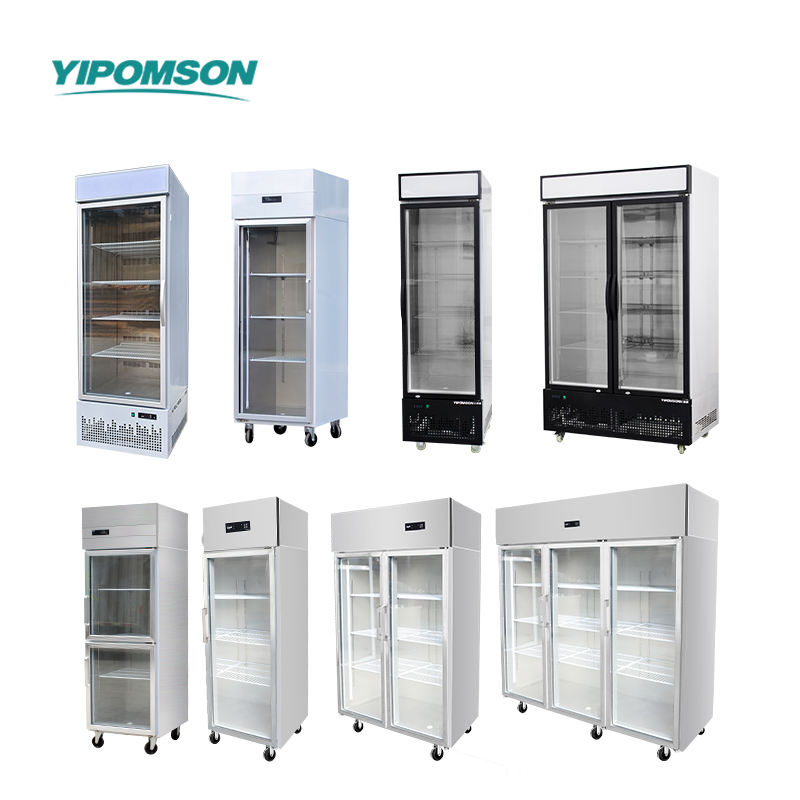
A commercial display refrigerator, also called a glass door merchandiser or display cooler, is designed with transparent glass doors or open-front designs so customers can easily see products. Display freezers perform the same function for frozen foods and ice cream.
Common features include:
-
Glass doors or open-air fronts for visibility.
-
Interior LED lighting for attractive presentation.
-
Adjustable shelving to accommodate different products.
-
Temperature-controlled storage to meet food safety regulations.
Why Businesses Need Display Refrigeration
For retail businesses and foodservice operations, display refrigeration offers:
-
Increased sales by drawing customer attention to chilled products.
-
Impulse buying opportunities for beverages and ready-to-eat foods.
-
Compliance with food safety while maintaining presentation quality.
-
Brand visibility with customizable exteriors and lighting.
A well-placed supermarket display fridge can make bottled drinks, dairy products, and snacks more appealing.
Types of Commercial Display Units
Different businesses require different types of retail refrigeration:
1. Glass Door Merchandisers
Upright units with one or more transparent doors, ideal for beverages, dairy, and packaged foods.
2. Open-Air Coolers
Often used for grab-and-go items; no doors, easy access for customers.
3. Countertop Display Coolers
Compact units for cafes and convenience stores with limited space.
4. Display Freezers
Used for frozen foods, ice cream, and packaged frozen meals.
5. Deli and Bakery Cases
Refrigerated cases with curved or straight glass fronts for cakes, pastries, and cold cuts.
Key Features to Look For
When selecting a commercial display refrigerator or freezer, consider:
-
Size and capacity – Match your product range and store layout.
-
Door type – Swing or sliding doors based on aisle space.
-
Energy efficiency – LED lighting and eco-friendly refrigerants save costs.
-
Temperature control – Digital thermostats ensure accurate cooling.
-
Visibility – Bright interior lighting enhances product appeal.
-
Branding options – Custom graphics and header panels.
How Display Refrigerators Boost Sales
Retailers have long understood the psychology behind product placement. Glass door merchandisers encourage customers to browse and make impulse purchases. For example:
-
Placing cold drinks near checkout counters drives last-minute buys.
-
Using open-air coolers in supermarkets encourages quick selections.
-
Displaying cakes and pastries in well-lit cases increases dessert sales.
A visually appealing retail display fridge serves as silent advertising, highlighting freshness and quality.
Energy Efficiency and Sustainability
Modern commercial display cases emphasize eco-friendly design:
-
Energy-efficient compressors reduce operational costs.
-
Double or triple-pane glass doors minimize temperature loss.
-
LED lighting consumes less power while enhancing visibility.
-
Natural refrigerants like R290 meet environmental regulations.
Energy-efficient equipment not only saves money but also enhances your business's sustainability credentials.
Applications Across Industries
Commercial display refrigeration is widely used in:
-
Supermarkets and grocery stores – Beverage coolers, deli, and dairy cases.
-
Convenience stores and gas stations – Grab-and-go open-air units.
-
Cafes and bakeries – Countertop display coolers and dessert cases.
-
Restaurants and hotels – Display units for drinks and desserts.
Each industry benefits from improved visibility and better food safety compliance.
Maintenance and Cleaning Tips
To maximize performance and lifespan:
-
Clean condenser coils regularly for energy efficiency.
-
Check door seals for wear to maintain proper temperatures.
-
Wipe glass doors for clear visibility.
-
Defrost display freezers if ice buildup occurs.
-
Schedule periodic servicing to prevent breakdowns.
Regular upkeep ensures your commercial display fridge continues to attract customers and comply with health codes.
Latest Innovations in Display Refrigeration
Manufacturers are constantly innovating:
-
Motion-activated LED lighting for energy savings.
-
Digital advertising screens integrated into units.
-
Smart temperature monitoring with IoT connectivity.
-
Remote management for chain stores to monitor equipment performance.
Choosing the Right Display Refrigerator
Before purchasing, evaluate:
-
Available space and customer traffic flow.
-
Product mix – drinks, dairy, desserts, frozen items.
-
Budget vs. ROI – energy-efficient units save long-term costs.
-
Brand reputation and service support – important for reliability.
————————————We are a professional manufacturer of commercial refrigerator and have extensive experiencein the manufacturing of bakery equipment ,We also produce western kitchen Equipment.Our wide range of products includes commercial refrigerators with excellent refrigerationand steamed rice cabinet for different scenarios.In addition, we also provide high temperature intelligent disinfection cabinet with intelligentcontrol of high temperature and launch restaurant warmer dining cart with excellent thermalinsulation performance.In the bakery industry, our equipment is trusted by customers, such as high capacitycommercial oven for bakery, and advanced spiral dough mixer.We also provide stableelectric dough fermenting proofer to meet the stringent requirements of different customersfor the baking process.