
Hot Categories
Commercial Fermentation Machine2026-10-12
Company News | 2024-12-16 09:29:00
-
Robust Design: Commercial fermentation machines are built with durable materials to withstand the rigors of continuous use in a production environment.
-
Large Capacity: These machines are designed to handle large volumes of culture media, allowing for the production of significant quantities of fermented products.
-
Temperature Control: They feature precise temperature control systems to maintain optimal conditions for various microorganisms, which is crucial for the fermentation process.
-
pH Regulation: Some advanced models offer pH control to ensure the culture remains within the desired acidity range for specific fermentations.
-
Aeration and Mixing: Commercial machines often include aeration systems to provide oxygen and mixing mechanisms to ensure uniform distribution of nutrients and oxygen throughout the culture.
-
Sterilization Capabilities: They are equipped with systems for sterilizing the culture media and the internal environment to prevent contamination.
-
Automation: Many commercial fermentation machines are automated, with features like programmable cycles, data logging, and remote monitoring to enhance efficiency and consistency.
-
Scalability: These machines are often scalable, allowing for adjustments in batch size to meet varying production demands.
-
Energy Efficiency: Designed to be energy-efficient to reduce operational costs, especially important in large-scale production.
-
Ease of Cleaning and Maintenance: Commercial fermentation machines are constructed with easy-to-clean surfaces and are often made to be disassembled for thorough cleaning and maintenance.
-
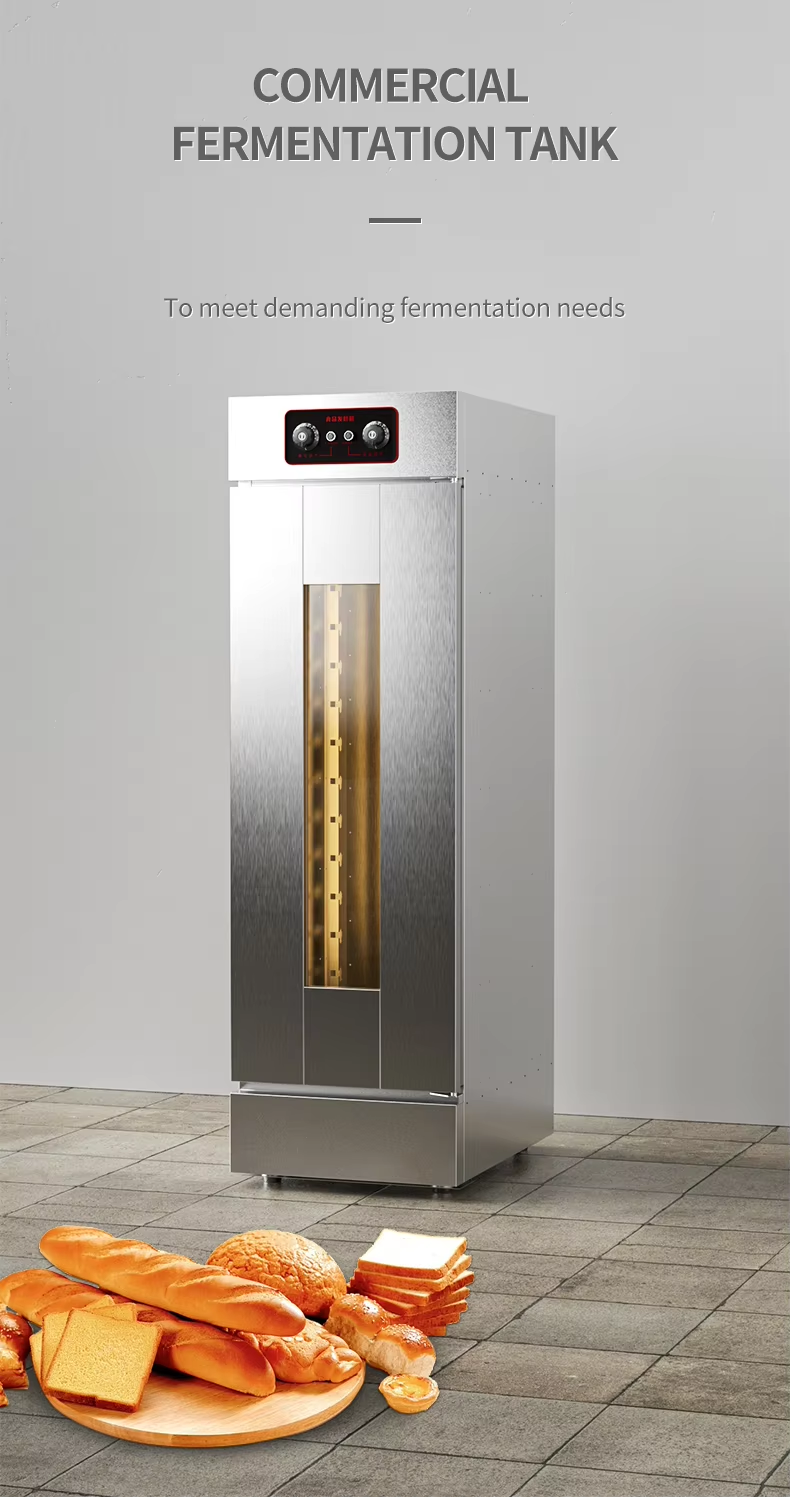
Functions of a Commercial Fermentation Machine:
-
Initiation of Fermentation: It provides the initial conditions necessary for the fermentation process to begin, such as the right temperature and pH.
-
Microorganism Cultivation: It cultivates various microorganisms, such as bacteria, yeast, or fungi, which are essential for fermentation.
-
Controlled Environment: It maintains a controlled environment that is conducive to the growth and metabolism of the microorganisms, which can affect the quality of the final product.
-
Nutrient Management: It manages the supply of nutrients to the microorganisms, which is vital for their growth and the production of desired metabolic by-products.
-
Product Quality Assurance: By controlling fermentation parameters, it helps ensure consistent product quality and safety.
-
Data Collection: It collects data on various parameters throughout the fermentation process, which can be used for quality control and process optimization.
-
Batch and Continuous Fermentation: Commercial machines can support both batch and continuous fermentation processes, depending on the production needs.
-
Waste Reduction: By optimizing the fermentation process, these machines can help reduce waste and increase yield.
-
Flexibility: They can be used for a variety of fermentation processes, from food and beverage production to pharmaceuticals and biofuels.
-
Compliance with Regulations: Commercial fermentation machines are designed to meet industry standards and regulatory requirements for food safety and quality control.