
Hot Categories
Cold, Dry, or Shaky? Stop Ruining Your Red Wine with the Wrong Cabinet!2026-10-12
Blog | 2026-05-06 16:54:42
Here’s a summary of effective wine storage tips: When storing wine, keep in mind that most wines are best enjoyed within a few years, with only a select few benefiting from long-term aging. The ideal storage temperature ranges from 45°F to 65°F, with a strong emphasis on avoiding temperatures above 70°F, which can spoil the wine. Regular refrigerators are unsuitable for long-term storage due to their low temperatures and lack of humidity, which can dry out corks. It’s crucial to avoid locations with fluctuating temperatures and to keep wine away from sunlight, as UV rays can degrade its quality. Humidity should ideally be maintained between 50% to 80%, and bottles should be stored horizontally to keep corks moist. Additionally, minimize vibrations, as they can disturb sediment in older wines. For optimal storage, choose a cool, dark, stable location, and consider investing in a wine cooler if your collection expands. When selecting a wine fridge, look for features like temperature control, humidity management, and suitable shelving for your bottle sizes. A quality wine fridge can safeguard your investment and enhance your overall wine-drinking experience.
Cold, Dry, or Shaky? Stop Ruining Your Red Wine with the Wrong Cabinet!
When it comes to storing red wine, the right cabinet can make all the difference. I’ve often encountered wine enthusiasts frustrated by their choices, leading to ruined bottles and wasted investments. The common issues I see are improper temperature, dryness, and instability, which can all compromise the quality of your cherished wines.
Let’s break down these problems one by one.
Temperature Control
First, temperature is crucial for preserving red wine. I’ve learned that storing wine in a place that’s too cold or too warm can alter its taste and aroma. Ideally, red wine should be kept at a consistent temperature between 55°F and 65°F. If your cabinet fluctuates outside this range, it’s time to consider an upgrade.
Humidity Levels
Next, humidity plays a vital role. A dry environment can dry out corks, allowing air to seep in and spoil the wine. I recommend looking for cabinets that maintain humidity levels between 50% and 70%. This ensures that corks remain moist and your wine stays sealed.
Stability Matters
Finally, stability is often overlooked. Shaky storage can disturb the sediment in the wine, affecting its taste. I’ve found that cabinets designed with vibration-dampening features can provide a stable environment, protecting your investment.
In summary, choosing the right wine cabinet is essential for preserving the quality of your red wine. By ensuring proper temperature control, maintaining adequate humidity, and providing stability, you can enjoy your wine at its best. Don’t let poor storage ruin your experience; invest in a cabinet that meets these criteria and savor every sip.
Is Your Wine Cabinet Killing Your Vino?
Is your wine cabinet truly preserving the quality of your vino? Many wine enthusiasts, myself included, have faced the disappointment of opening a bottle only to find that it has lost its charm. The right storage is crucial, and I want to share some insights that could save your precious bottles from being ruined.
First, let’s address the common mistakes. A wine cabinet that is too warm or fluctuates in temperature can spoil your wine. Ideally, you want to maintain a consistent temperature between 45°F and 65°F. If your cabinet isn’t equipped to do this, it’s time to consider an upgrade or a temperature control solution.
Next, humidity plays a significant role in wine storage. A dry environment can dry out corks, allowing air to seep in and spoil the wine. On the other hand, too much humidity can promote mold. A humidity level between 50% and 70% is ideal. If your wine cabinet lacks humidity control, adding a small humidifier can help maintain that balance.
Light exposure is another factor that can damage wine. UV rays can break down the wine’s compounds, altering its taste. Ensure your wine cabinet is dark or has UV-filtering glass to protect your bottles from harmful light.
Lastly, consider the position of your bottles. Storing wine horizontally keeps the cork moist, preventing it from drying out. If your cabinet doesn’t accommodate this, it may be time to reevaluate your storage options.
In summary, proper wine storage is essential to preserving the quality of your collection. By maintaining the right temperature, humidity, and light conditions, and ensuring proper bottle positioning, you can protect your investment and enjoy your wine as it was meant to be enjoyed. Take a moment to assess your wine cabinet today—your future tastings will thank you.
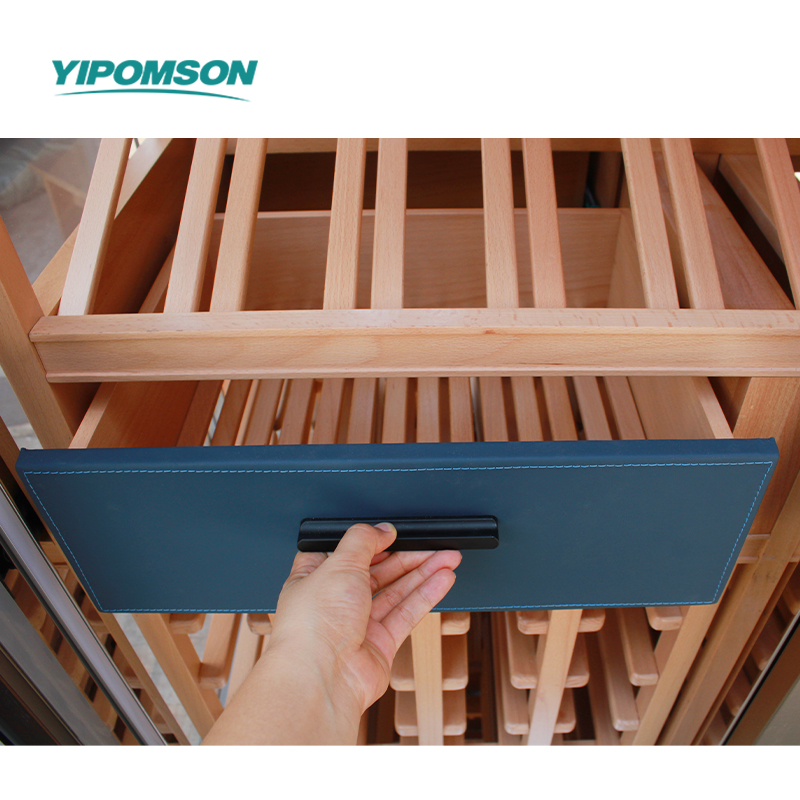
Don't Let Temperature Ruin Your Red Wine!
When it comes to enjoying a fine bottle of red wine, temperature plays a crucial role in the overall experience. I’ve often found myself frustrated, watching the rich flavors of my favorite vintage fade away because it was either too warm or too cold. This common issue can ruin the enjoyment of a carefully selected wine, but thankfully, there are practical steps I’ve learned to ensure that temperature doesn't spoil my experience.
First, understanding the ideal serving temperature for red wine is essential. Generally, red wines are best enjoyed between 60°F and 65°F (15°C to 18°C). If the wine is served too warm, the alcohol can overpower the flavors, while serving it too cold can mute the aromas.
To achieve this perfect temperature, I recommend a few simple methods:
- Refrigerate Before Serving: If you’ve stored your red wine at room temperature, pop it in the fridge for about 30 minutes before serving. This will cool it down to the ideal range without making it too cold.
- Use an Ice Bucket: If you’re in a hurry, fill a bucket with ice and water. Submerge the bottle for about 10-15 minutes. This method cools the wine quickly and evenly.
- Wine Thermometer: Investing in a wine thermometer can be a game-changer. It allows me to check the temperature accurately, ensuring that I serve my wine at its best.
- Temperature Control Wine Storage: If you frequently enjoy wine, consider investing in a wine cooler. These appliances are designed to maintain the perfect temperature for your collection, making it easy to enjoy your wine whenever you like.
In conclusion, managing the temperature of red wine is vital to unlocking its full potential. By following these steps, I’ve transformed my wine-drinking experience, ensuring that every bottle is enjoyed as it was intended. Remember, a little attention to temperature can go a long way in enhancing the flavors and aromas of your favorite wines. Cheers to enjoying red wine at its best!
The Secret to Perfectly Stored Red Wine
Storing red wine perfectly is a challenge many wine enthusiasts face. I’ve been there, grappling with the frustration of spoiled bottles and lost investments. The right storage conditions can make a significant difference in preserving the quality and flavor of your wine. Here’s how I tackled this issue, ensuring my collection remains in top-notch condition.
First, it’s crucial to maintain the ideal temperature. Red wine generally thrives at temperatures between 55°F and 65°F (13°C to 18°C). I invested in a reliable wine fridge that keeps the temperature consistent, eliminating the risk of fluctuations that can compromise the wine.
Next, humidity plays a vital role. I learned that a humidity level of around 70% is optimal for wine storage. Too little humidity can dry out corks, allowing air to seep in and spoil the wine. To combat this, I use a humidity gauge and occasionally place a small dish of water in the fridge to maintain the right level.
Light exposure is another factor I can’t overlook. UV rays can degrade wine quality, so I store my bottles in a dark place. If you have a wine fridge, ensure it has UV-filtering glass. I also avoid placing my wine near windows or bright lights.
Vibration is often an overlooked aspect of wine storage. Excessive movement can disturb the sediment in red wine, affecting its taste. I keep my wine in a stable environment, away from appliances that cause vibrations, like refrigerators or washing machines.
Lastly, I always store my bottles horizontally. This keeps the cork moist and prevents it from drying out, which could lead to oxidation. Organizing my collection this way not only preserves the wine but also makes it easy to access.
In conclusion, proper storage of red wine involves maintaining the right temperature, humidity, and light exposure while avoiding vibrations. By following these steps, I’ve ensured that my wine remains enjoyable and flavorful for years to come. If you face similar challenges, consider these tips to enhance your wine storage experience.
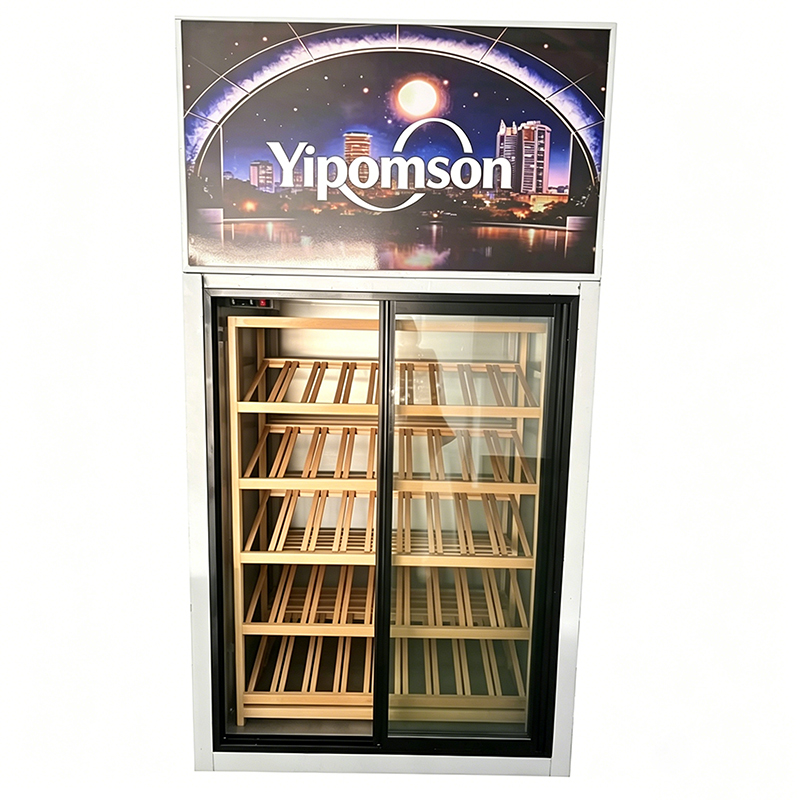
Keep Your Wine Happy: Avoid These Mistakes
Wine is a beloved beverage, yet many of us unknowingly make mistakes that can spoil our experience. I’ve faced these challenges myself, and I understand how frustrating it can be. Let’s explore some common pitfalls in wine storage and serving, and how to avoid them.
First, consider temperature. Wine is sensitive to heat and cold. Storing it in a place that fluctuates between extremes can ruin its flavor. Ideally, red wines should be kept at around 55-65°F (13-18°C), while white wines prefer a cooler range of 45-55°F (7-13°C). I learned this the hard way when a bottle of my favorite red turned flat after sitting in a warm kitchen for weeks.
Next, let’s talk about light. Exposure to sunlight can degrade wine, making it taste dull and lifeless. I found that keeping my bottles in a dark cabinet or using tinted glass bottles helped preserve their quality. If you enjoy displaying your collection, consider a wine fridge with UV protection.
Humidity is another factor that often gets overlooked. Too little humidity can dry out corks, leading to oxidation. On the other hand, too much can promote mold. A humidity level of around 70% is ideal. I invested in a hygrometer to monitor the conditions in my wine storage area, and it made a noticeable difference.
When it comes to serving wine, glassware matters. Using the right type of glass can enhance the tasting experience. For example, a wider bowl for reds allows for better aeration, while a narrower glass for whites helps maintain their chill. I’ve noticed that using appropriate glassware elevates gatherings with friends and family.
Lastly, don’t forget about decanting. Allowing wine to breathe can significantly improve its flavor. I often decant young reds to soften their tannins and enhance their aromas. Just a little patience can transform a good wine into a great one.
In summary, keeping your wine happy requires attention to temperature, light, humidity, glassware, and decanting. By avoiding these common mistakes, you can ensure that every bottle you open is a delightful experience. Remember, the joy of wine lies not just in drinking it, but in savoring every moment that comes with it.
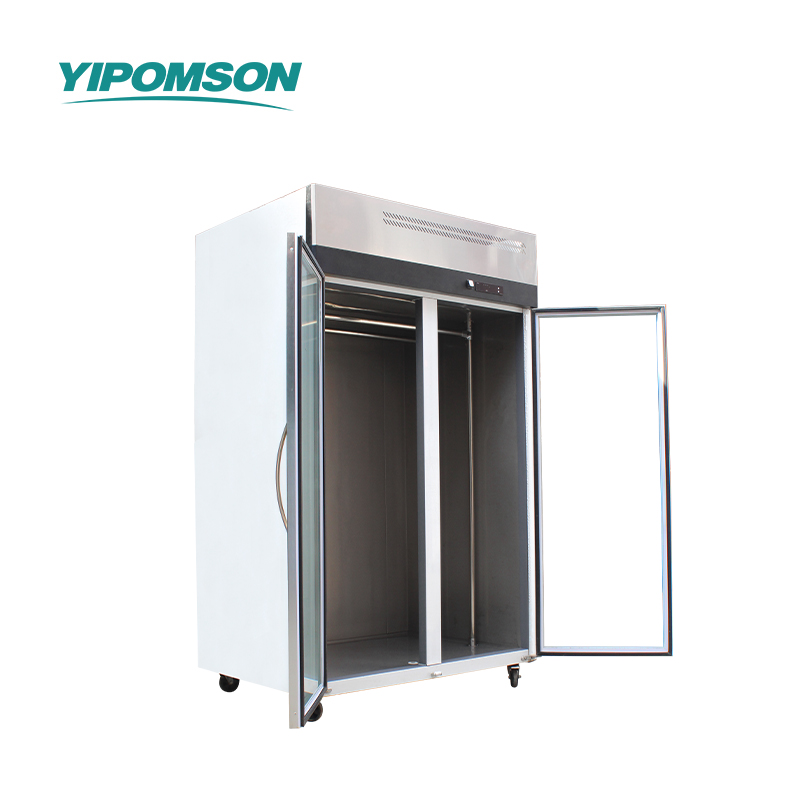
Want Better Wine? Upgrade Your Storage Game!
Wine enthusiasts often face a common dilemma: how to maintain the quality and flavor of their treasured bottles. I’ve been there myself, storing wine in less-than-ideal conditions and watching the taste diminish over time. It’s frustrating to invest in quality wine only to have it spoiled by improper storage.
So, what can we do about it? Upgrading your wine storage game is the key. Here are some practical steps to ensure that your wine remains in perfect condition:
- Choose the Right Temperature: Wine should be stored at a consistent temperature, ideally between 50°F and 55°F (10°C to 13°C). Fluctuations can cause the wine to expand and contract, leading to oxidation.
- Control Humidity: Aim for a humidity level of around 70%. Too much dryness can dry out corks, allowing air to seep in, while excessive humidity can lead to mold. A simple hygrometer can help you monitor this.
- Limit Light Exposure: UV rays can degrade wine, causing it to age prematurely. Store your bottles in a dark place or use UV-filtering glass if you’re displaying them.
- Store Bottles Horizontally: Keeping bottles on their sides ensures that the wine stays in contact with the cork, preventing it from drying out.
- Invest in Quality Storage Solutions: Whether it’s a dedicated wine fridge or a custom wine cellar, having the right storage unit can make all the difference. Look for options that offer temperature and humidity control.
By following these steps, I’ve seen a remarkable improvement in the quality of my wine. It’s no longer a gamble when I open a bottle; I know I’m going to enjoy the full flavor profile I paid for.
In conclusion, upgrading your wine storage isn’t just about aesthetics; it’s about preserving the integrity of your investment. Taking the time to implement these changes can lead to a more enjoyable wine experience, one sip at a time.
Contact us on yipomson: caroline@yipomson.com/WhatsApp +8613360672196.
References
- Author Unknown, 2023, Cold, Dry, or Shaky? Stop Ruining Your Red Wine with the Wrong Cabinet
- Author Unknown, 2023, Is Your Wine Cabinet Killing Your Vino?
- Author Unknown, 2023, Don't Let Temperature Ruin Your Red Wine
- Author Unknown, 2023, The Secret to Perfectly Stored Red Wine
- Author Unknown, 2023, Keep Your Wine Happy: Avoid These Mistakes
- Author Unknown, 2023, Want Better Wine? Upgrade Your Storage Game