Hot Categories
Choosing the Right Upright Commercial Freezer for Restaurants and Cafés2026-10-12
Company News | 2025-10-14 14:28:00
Choosing the Right Upright Commercial Freezer for Restaurants and Cafés
In a professional kitchen, efficient cold storage is just as important as great ingredients and skilled chefs. Whether you run a restaurant, café, hotel, bakery, or catering business, having a reliable upright commercial freezer is essential to maintaining food quality, reducing waste, and ensuring smooth kitchen operations. Unlike household freezers, commercial units are built to handle heavy usage, frequent door openings, and strict food safety standards.
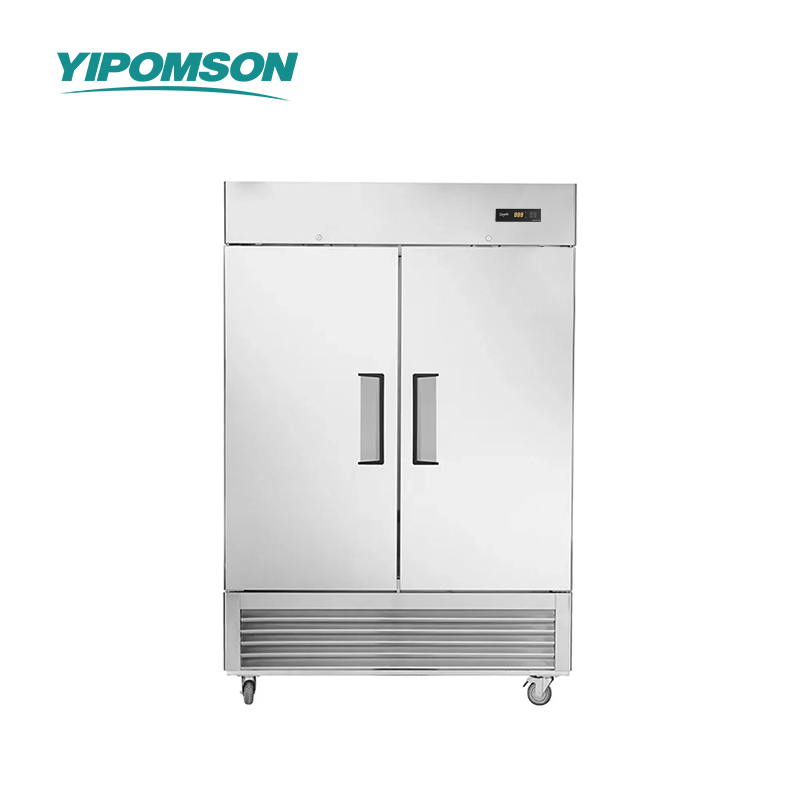
However, with so many models, sizes, and features available on the market, choosing the right upright freezer can be overwhelming—especially when making a long-term investment. In this comprehensive guide, we will explore how upright commercial freezers work, the key features to consider, common mistakes to avoid, and why partnering with a factory-direct manufacturer like Yipomson can save you money while delivering professional-grade performance.
1. Why Upright Commercial Freezers Are Essential in Professional Kitchens
Food service businesses depend on precise storage conditions. Upright freezers offer vertical design, organized shelving, and easy access, making them ideal for busy kitchens where efficiency matters.
Key advantages of upright commercial freezers:
-
Space-saving vertical design
-
Better organization with adjustable shelves
-
Easy product access for chefs and staff
-
Faster inventory rotation
-
Improved food safety and temperature control
-
Professional appearance in open-kitchen concepts
Unlike chest freezers, which require bending and digging to retrieve items, upright freezers allow staff to find ingredients quickly—saving time and reducing food waste.
2. Understanding Different Types of Upright Commercial Freezers
Before choosing a model, it is important to know the different types available on the market. Each type is designed for specific operational needs.
✅ Single-Door Upright Freezer
-
Compact and suitable for small kitchens or cafés
-
Ideal for limited storage needs
-
Fits well in tight spaces
✅ Double-Door Upright Freezer
-
High capacity for medium to large restaurants
-
Separate compartments for better organization
-
Often features independent temperature zones
✅ Triple-Door or Multi-Door Upright Freezer
-
Maximum storage for hotels, buffets, banquet halls
-
Ideal for high-volume operations
-
Best for storing large quantities of meat, seafood, or prepped food
✅ Solid Door vs. Glass Door -
Type Best For Benefits Solid Door Back-of-house storage Better insulation, energy saving Glass Door Front-of-house or staff access Quick visibility, easier inventory
✅ Reach-In vs. Roll-In Freezers
-
Reach-In: Standard design with shelves; most common style
-
Roll-In: Allows racks to be rolled inside; used in bakeries or catering operations
Yipomson offers all these configurations and can customize dimensions, doors, and shelving according to your kitchen layout.
3. Key Factors to Consider When Choosing an Upright Freezer
Selecting the right upright commercial freezer is not just about size—it’s about workflow, efficiency, and long-term savings. Below are the most important features to evaluate before purchasing.
3.1 Storage Capacity and Interior Design
The first step is to determine how much food you need to store on a daily or weekly basis.
Ask yourself:
-
How many servings do we prepare per day?
-
Do we store bulk ingredients or portioned items?
-
Are we storing meat, dairy, desserts, or mixed foods?
Look for:
-
Adjustable wire or stainless steel shelves
-
GN pan compatibility (Gastronorm)
-
Door compartments for smaller items
-
Easy-to-clean interior surfaces
Tip: Always choose a freezer slightly larger than your current needs to allow for future growth.
3.2 Temperature Range and Control
Food safety regulations require precise freezing temperatures to prevent bacteria growth. Most commercial upright freezers maintain -18°C to -22°C (-0.4°F to -7.6°F).
Look for:
✅ Digital temperature display
✅ Smart thermostat or microprocessor control
✅ Consistent airflow across all shelves
✅ Auto-defrost function
Yipomson freezers include intelligent temperature control systems to ensure stability, even during frequent door openings.
3.3 Energy Efficiency and Operating Costs
Electricity is a major operating expense in the food industry. An energy-efficient freezer can save hundreds or even thousands of dollars per year.
Energy-saving features to consider:
-
High-efficiency compressor
-
Eco-friendly refrigerant (R290 / R600a)
-
Thick polyurethane insulation
-
Self-closing doors
-
LED lighting
-
Magnetic gaskets to prevent cold air leakage
Yipomson products are engineered with energy-efficient components to minimize long-term operating costs without sacrificing performance.