
Hot Categories
Are You Wasting Money on Inefficient Commercial Kitchen Equipment?2026-10-12
Blog | 2025-03-25 09:31:53
In the commercial catering industry, the allure of low-cost kitchen equipment can often lead to a false economy, where initial savings are quickly overshadowed by long-term costs and operational inefficiencies. Low-quality equipment frequently demands constant repairs and replacements due to subpar materials and manufacturing, creating financial strains that disrupt cash flow and hamper revenue generation. Moreover, such equipment is typically energy inefficient, resulting in escalating utility bills over time. In the high-pressure environment of a kitchen, reliability and performance are essential; inferior equipment can slow down operations and jeopardize food safety, ultimately harming customer satisfaction and the business's reputation. Conversely, investing in high-quality equipment not only enhances operational efficiency but also promotes sustainability by reducing waste and aligning with eco-friendly practices. In a competitive landscape, businesses that prioritize quality equipment can secure a competitive edge through consistent service and increased customer loyalty. While low-cost equipment may appear budget-friendly at first glance, the long-term consequences can significantly impede a catering business's success, underscoring the necessity for investment in durable, efficient, and sustainable kitchen equipment to ensure ongoing growth and profitability. Efficient use of kitchen equipment is equally critical for catering businesses, where profit margins are often tight, typically ranging from 4-6% of energy costs. Implementing best practices can markedly decrease energy consumption and bolster profitability. Key strategies include training staff to avoid turning on all appliances at the start of the day, which leads to unnecessary energy waste and heat generation. Employees should only activate appliances they intend to use, and displaying pre-heat times can enhance convenience. Additionally, turning off unnecessary lights can further conserve energy and lower cooling costs. Conducting an energy audit can pinpoint specific areas of waste, paving the way for tailored solutions. Investing in energy-efficient appliances is vital; considering lifetime costs rather than just initial expenses can yield long-term savings. Effective lighting management, including the use of energy-efficient bulbs and regular maintenance of fixtures, is also crucial. Engaging a specialist for a comprehensive energy audit can uncover additional savings opportunities. To ensure the success of energy-saving initiatives, businesses should begin with an audit, assign accountability, track progress, and involve staff in the process. By reducing energy usage, catering businesses can enhance profitability, improve working conditions, and positively contribute to environmental sustainability.

Are You Throwing Cash Away on Bad Kitchen Gear?
Are you frustrated with your kitchen gear? Do you find yourself spending money on items that just don’t perform as promised? I’ve been there too, and it’s disheartening to watch your hard-earned cash slip away on tools that fail to deliver.
Let’s dive into the common pitfalls of kitchen gear shopping and how to avoid them.
First, consider the quality of the items you’re purchasing. Many products on the market look appealing but are made from subpar materials. I’ve learned to prioritize durability over aesthetics. For instance, when buying knives, I now look for brands known for their craftsmanship rather than flashy designs.
Next, think about functionality. It’s easy to get swayed by trendy gadgets that promise to make cooking easier. However, I’ve discovered that simpler tools often yield better results. For example, a good quality chef’s knife can replace multiple gadgets, saving both space and money.
Another important aspect is reviews. I’ve made it a habit to read customer feedback before making a purchase. This helps me gauge whether a product truly meets its claims. Websites with user reviews can provide insights that marketing materials often overlook.
Finally, don’t forget about warranties. A solid warranty can be a good indicator of a product’s quality. When I see a brand that stands behind its products, I feel more confident in my purchase.
In summary, being mindful of quality, functionality, reviews, and warranties can help you avoid wasting money on kitchen gear that doesn’t meet your needs. By applying these principles, I’ve transformed my kitchen into a space filled with reliable tools that enhance my cooking experience. Don’t let poor purchases drain your wallet; invest wisely in gear that truly serves you.
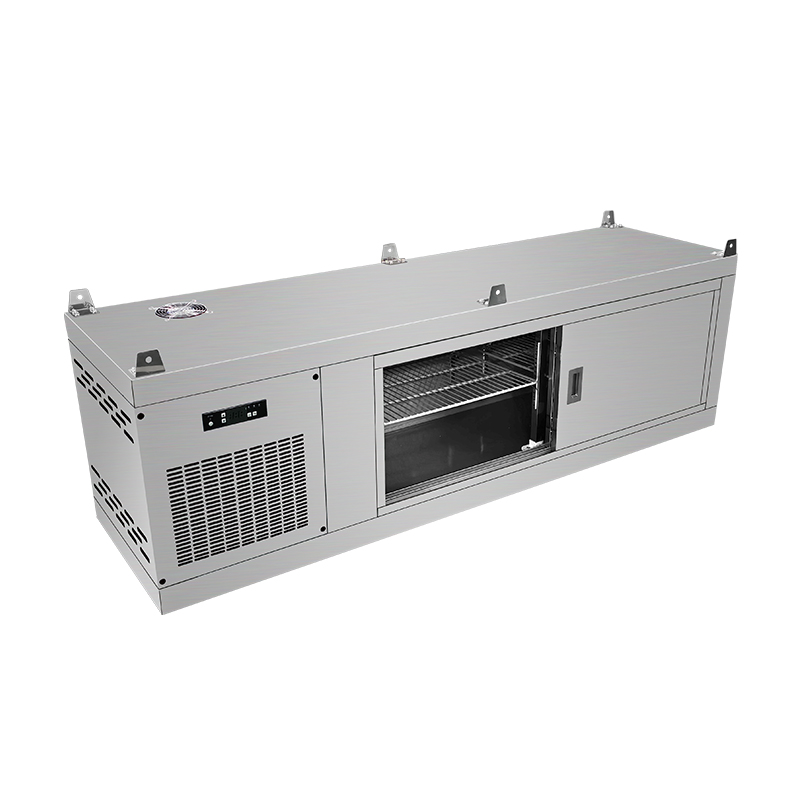
Stop Losing Money: Upgrade Your Kitchen Equipment Now!
Are you tired of watching your profits dwindle due to outdated kitchen equipment? I’ve been there, and I understand how frustrating it can be to invest time and money into your business, only to see it slip away because of inefficient tools.
The kitchen is the heart of any food-related business, and having the right equipment is crucial. Old, worn-out appliances not only slow down your operations but can also compromise the quality of your dishes. This can lead to unhappy customers and lost sales.
So, what can you do to turn this situation around? Here are some steps to consider:
- Assess Your Current Equipment: Take a good look at what you have. Are your ovens, fryers, and refrigerators performing at their best? If they frequently break down or fail to meet your needs, it’s time to think about an upgrade.
- Research New Options: Look into modern kitchen equipment that can enhance your efficiency. Energy-efficient appliances can save you money on utility bills while improving performance.
- Set a Budget: Determine how much you can realistically spend on new equipment. Remember, investing in quality tools can lead to long-term savings and increased revenue.
- Seek Expert Advice: Don’t hesitate to consult with kitchen equipment specialists. They can provide insights on the best options for your specific needs and help you make informed decisions.
- Plan for Installation and Training: Once you’ve made your purchases, ensure that you have a plan for installation and staff training. Proper use of new equipment can maximize its benefits.
- Monitor Performance: After upgrading, keep an eye on how the new equipment impacts your operations. Are you seeing improvements in efficiency and customer satisfaction? If not, adjust your approach as needed.
Upgrading your kitchen equipment is not just an expense; it’s an investment in your business's future. By taking these steps, you can stop losing money and start seeing the benefits of a well-equipped kitchen. Remember, a modern kitchen can lead to happier customers, better reviews, and ultimately, increased profits. Don’t wait too long—make the change today and watch your business thrive!
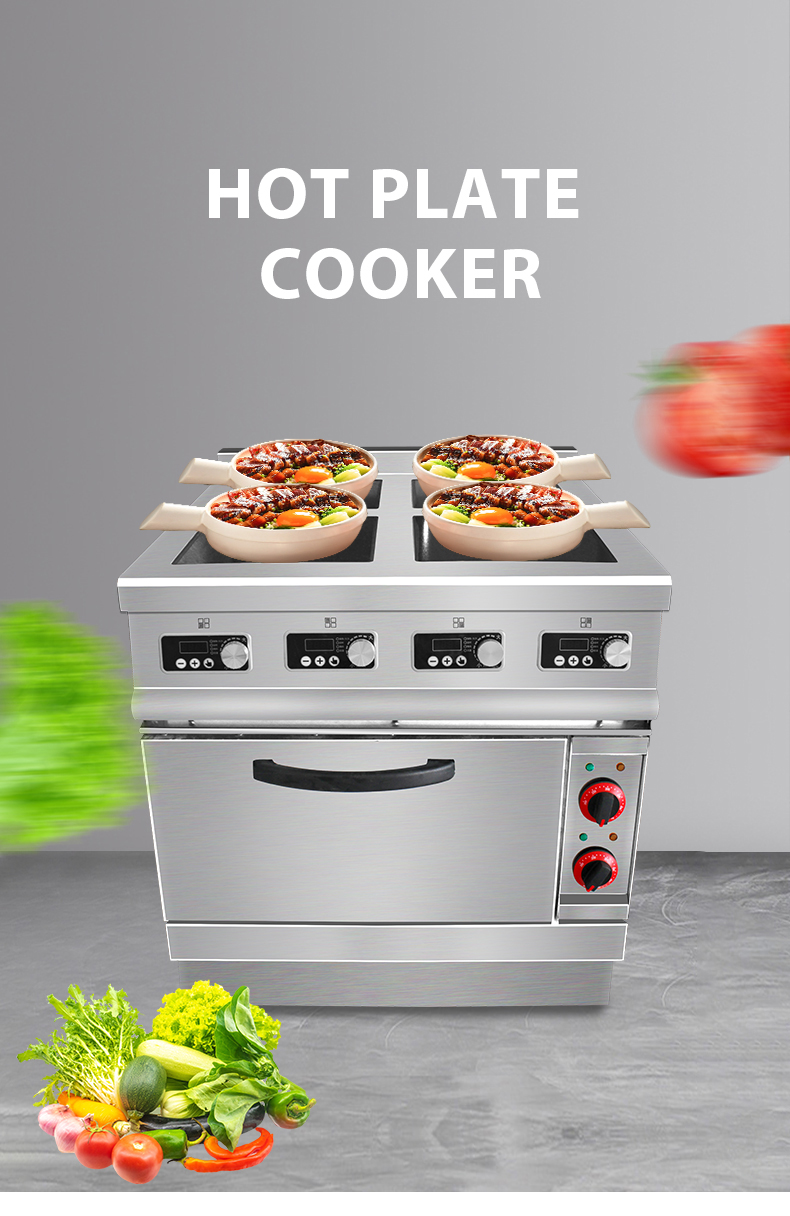
Is Your Commercial Kitchen Equipment Costing You?
Are you feeling the pinch when it comes to your commercial kitchen equipment costs? You’re not alone. Many restaurant owners and kitchen managers face the challenge of balancing quality equipment with tight budgets. The right tools can enhance efficiency, but the wrong choices can lead to unnecessary expenses.
I’ve been in your shoes, and I understand the frustration of watching costs spiral. The key is to evaluate what you truly need versus what you’re overspending on. Here’s how to tackle this issue step by step:
- Assess Your Current Equipment: Take a close look at your existing tools. Are they functioning optimally? If equipment is frequently breaking down or requiring repairs, it might be time for an upgrade.
- Calculate Total Cost of Ownership: Don’t just consider the initial purchase price. Factor in maintenance, energy consumption, and potential downtime. Sometimes, investing in higher-quality equipment can save money in the long run.
- Research Alternatives: Explore different brands and models. Sometimes, lesser-known brands offer competitive quality at a lower price. Read reviews and seek recommendations from other kitchen professionals.
- Consider Leasing Options: If upfront costs are a concern, leasing equipment can be a viable alternative. This allows you to access high-quality tools without the hefty initial investment.
- Invest in Energy-Efficient Equipment: While the upfront cost may be higher, energy-efficient appliances can significantly reduce your utility bills. Look for ENERGY STAR-rated products to maximize savings.
- Train Your Staff: Ensure your team knows how to use the equipment properly. Proper training can prevent misuse and extend the life of your tools, ultimately saving you money.
By taking these steps, you can start to see a clearer picture of your kitchen costs. The goal is not only to save money but also to enhance your kitchen’s productivity and efficiency. Remember, the right equipment can make all the difference in delivering quality service and maintaining a successful kitchen.
In conclusion, being proactive about your kitchen equipment choices can lead to significant savings. Take the time to evaluate your needs, explore options, and invest wisely. Your bottom line will thank you.
Discover the Hidden Costs of Inefficient Kitchen Tools!
I often find myself in the kitchen, surrounded by tools that promise efficiency but frequently fall short. Have you ever noticed how the wrong kitchen tools can turn a simple task into a frustrating ordeal? It’s not just about the time wasted; it’s also about the hidden costs that add up over time. Let’s explore this issue together.
First, consider the impact of poor-quality knives. A dull knife can lead to uneven cuts, resulting in longer cooking times and potential safety hazards. Investing in a good knife set might seem expensive upfront, but it saves time and reduces the risk of accidents. I learned this the hard way after slicing my finger while wrestling with a dull blade.
Next, think about cookware. Non-stick pans that scratch easily can lead to health concerns and the need for frequent replacements. I made the switch to high-quality stainless steel pans, which not only last longer but also cook food more evenly. The initial investment was higher, but the savings in replacements and health benefits made it worthwhile.
Then, there are gadgets that promise to simplify tasks. I once bought a multi-function kitchen gadget that claimed to do it all. However, it was bulky, hard to clean, and often sat unused in a drawer. Instead, I focused on a few essential tools that I actually use daily. Streamlining my kitchen tools reduced clutter and made cooking more enjoyable.
Lastly, let’s not forget about energy efficiency. Using the right appliances can significantly lower utility bills. I switched to energy-efficient models, and the savings have been noticeable. It’s a win-win situation: I save money and reduce my environmental impact.
In conclusion, the hidden costs of inefficient kitchen tools can be substantial. By investing in quality items, streamlining your tools, and choosing energy-efficient appliances, you can enhance your cooking experience while saving time and money. Remember, the right tools are not just about convenience; they are about making your kitchen a place of joy, not frustration.
Maximize Your Profits: Ditch Ineffective Kitchen Equipment!
Are you tired of watching your kitchen profits dwindle because of outdated equipment? I understand the frustration that comes with investing in tools that just don’t deliver. It’s time to take a hard look at what’s holding you back and make a change.
Many restaurant owners find themselves stuck with kitchen equipment that no longer meets their needs. Whether it’s slow ovens, inefficient fryers, or clunky mixers, these tools can hinder your workflow and impact your bottom line. I’ve been there, and I know how crucial it is to have the right equipment to keep your kitchen running smoothly.
So, how can you maximize your profits by ditching ineffective kitchen equipment? Here’s a straightforward approach:
- Assess Your Current Equipment: Take stock of what you have. Identify which pieces are underperforming or causing delays. Make a list of the issues they present, such as high energy consumption or frequent breakdowns.
- Research Alternatives: Look into modern equipment that suits your kitchen’s specific needs. Read reviews, compare features, and don’t hesitate to reach out to fellow chefs or restaurant owners for recommendations.
- Calculate the Costs: While investing in new equipment may seem daunting, consider the long-term savings. Calculate potential energy savings, reduced maintenance costs, and increased efficiency. This will help you justify the investment.
- Plan for Transition: Once you’ve decided on new equipment, plan how to transition smoothly. Schedule deliveries during off-peak hours and ensure your staff is trained to use the new tools effectively.
- Monitor Performance: After implementation, keep an eye on the performance of your new equipment. Are you seeing improved efficiency? Are staff members happier? Adjust as necessary to optimize your operations.
By following these steps, I’ve seen firsthand how businesses can turn their kitchens into profit-generating machines. Remember, the right tools are essential for success. Don’t let outdated equipment hold you back any longer. Embrace change, invest wisely, and watch your profits soar!
Save Big: Evaluate Your Kitchen Equipment Today!
Are you tired of your kitchen equipment letting you down? I understand the frustration of dealing with outdated or inefficient tools that make cooking a chore rather than a joy. It’s time to evaluate your kitchen equipment and make some smart choices that can save you money and enhance your culinary experience.
First, let’s identify the common pain points. Many of us struggle with appliances that don’t perform as expected or tools that have seen better days. This can lead to wasted time, increased energy costs, and even a decline in the quality of our meals. By assessing what you currently have, you can pinpoint what needs to be replaced or upgraded.
Here’s how to approach this evaluation:
- Inventory Your Equipment: Take stock of everything in your kitchen. List out each item, noting its condition and how often you use it. This will help you see what’s essential and what’s just taking up space.
- Assess Performance: For each item, ask yourself: Does it work effectively? Is it energy-efficient? If an appliance is frequently malfunctioning or consuming too much power, it may be time for an upgrade.
- Research Alternatives: Once you’ve identified the equipment that needs replacing, spend some time researching newer models. Look for reviews, energy ratings, and features that could save you time or money in the long run.
- Set a Budget: Determine how much you’re willing to spend on new equipment. Remember, investing in quality tools can lead to long-term savings and better cooking experiences.
- Make the Purchase: Once you’ve done your research and set your budget, it’s time to make your purchase. Look for sales or discounts to maximize your savings.
- Dispose of Old Equipment Responsibly: Don’t forget to recycle or donate your old kitchen tools. This not only helps the environment but can also benefit someone else in need.
In summary, evaluating your kitchen equipment is not just about replacing old tools; it’s about enhancing your cooking experience and saving money in the process. By following these steps, you can create a kitchen that works for you, making meal preparation more enjoyable and efficient. Remember, a well-equipped kitchen is the foundation of great cooking!